






Red Lacquered Console
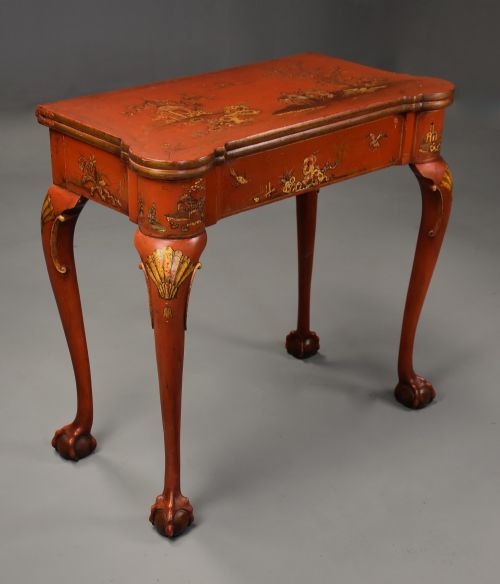
A red lacquered console brings bold colour and refined oriental detail into a room, spanning Qing Dynasty traditions and European Chinoiserie interpretations.
Red Lacquered Console
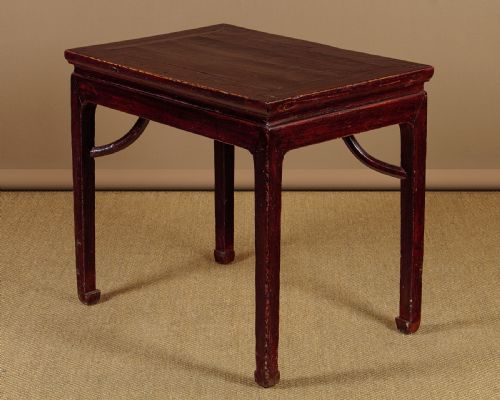
A red lacquered console encompasses side tables, altar tables, and games tables shaped by both Chinese provincial craftsmanship and Western revival styles. The pieces on this page range from nineteenth century Chinese export designs to early twentieth century Chinoiserie card tables.
Forms vary from long altar tables and demi lune tables to compact writing desks and sideboards. Chinese elm and pine frequently form the structural timber beneath layers of decorative surface finish.
Buyers encounter both authentic Qing Dynasty export pieces and European interpretations built in the eighteenth century style. Each variant offers a distinct silhouette, from clean provincial lines to ornate Rococo and Queen Anne influenced curves.
How they were made
Construction relies primarily on sturdy timbers such as Chinese elm and pine, joined to create durable frameworks for heavy daily use. Cabinetmakers shaped these woods into console tables, sideboards, and desks before applying surface decoration.
The signature red lacquer finish involves building up multiple coats of resin or paint, sometimes supplemented by gilt highlights and painted motifs. Brass mounts and hardware occasionally provide functional contrast against the vibrant red surfaces.
Red Lacquered Console Retail Price Guide 2026
Typical asking prices for red lacquered console among the pieces listed under this phrase on Sellingantiques today, from the lower quarter to the upper quarter. They describe what is for sale here now, not the wider market.
Some games tables hide their playful purpose behind solemn red lacquer until someone unfolds the top for cards.
What varies in quality
Depth of finish and precision of painted detail dictate the standing of individual tables. Superior examples display carefully layered red lacquer and refined Chinoiserie ornament that has aged with uniform character.
Structural integrity of the underlying elm or pine timber separates standard provincial items from more ambitious export pieces. The crispness of carved edges and the harmonious integration of brass hardware also signal superior craftsmanship.
The Red Lacquered Console Glossary
- Chinoiserie
- European decorative style reflecting Chinese artistic influences, popular in furniture design and interior decoration. This aesthetic often manifests in painted motifs upon red lacquered surfaces.
- Altar table
- Traditional Chinese table form featuring elongated proportions, often utilised for display or ceremonial purposes. These pieces frequently exhibit distinct recessed leg placement and minimal joinery.
- Demi lune
- Half moon shaped furniture designed to stand flush against a wall. Such tables appear frequently in pairs within the available selection.
- Elm
- Durable hardwood utilised extensively in Chinese regional cabinetmaking. Its resilient grain provides a stable base for lacquered finishes.
Red Lacquered Console: Frequently Asked Questions
Where should I place a console table?
These tables suit hallways, living rooms, and dining spaces where surface space and a strong visual accent are required. Their narrow depths allow them to sit comfortably against walls without obstructing pathways.
Pairing a red lacquered console with a simple mirror or wall art creates a balanced focal point in a reception room. They also function effectively as writing desks or sideboards in smaller interiors.
How do I care for lacquer furniture?
Keep lacquered surfaces away from direct sunlight and excessive heat sources to prevent cracking or fading over time. Dust gently with a soft, dry cloth rather than using chemical polishes.
Maintaining a stable indoor humidity helps preserve both the wooden substrate and the delicate lacquer layers. Avoid placing damp items directly onto the finished surface.
What is the difference between Chinese export and European Chinoiserie?
Chinese export pieces were manufactured in workshops within China specifically for Western markets, utilising local timbers and traditional finishing methods. They often carry authentic regional characteristics.
European Chinoiserie pieces were produced in the West by craftsmen imitating Asian aesthetics, frequently employing styles like Queen Anne or Rococo. These items combine European furniture forms with oriental decorative motifs.
Are these tables suitable for daily use?
Most pieces are built from sturdy timbers like Chinese elm and engineered to handle everyday demands as side or writing tables. Their robust construction supports normal decorative or functional loads.
Care should be taken with antique surfaces, utilising coasters or protective mats where appropriate. With mindful handling, these tables endure regular household use quite well.