




Red Kazak Rug
These heavy-woven red kazak rug examples bring bold tribal geometry and saturated wool into modern rooms.
Red Kazak Rug
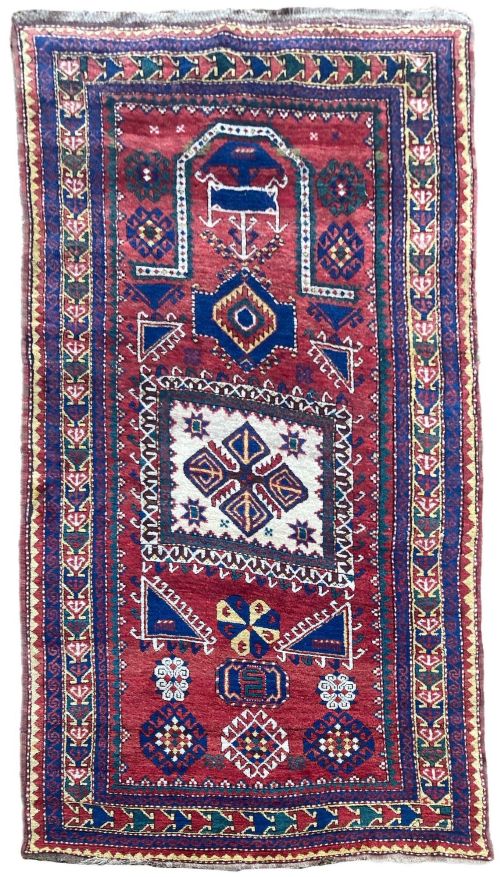
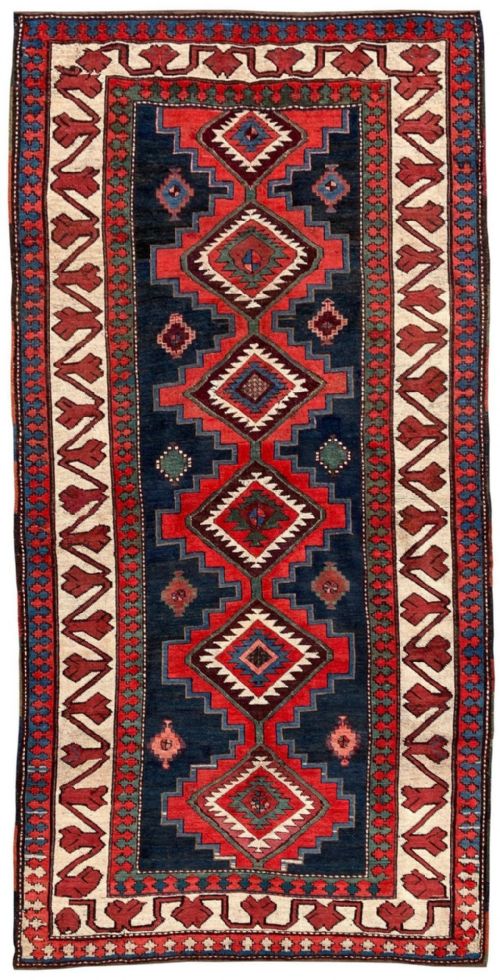
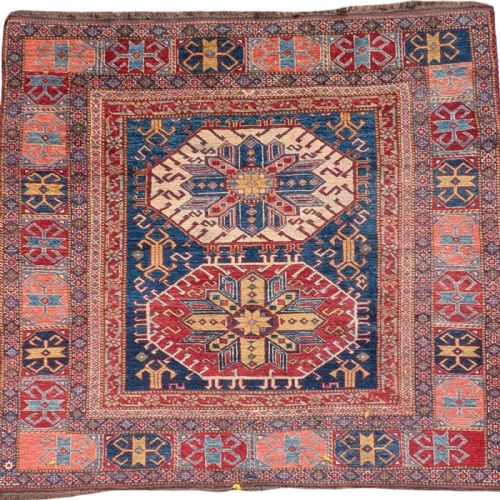
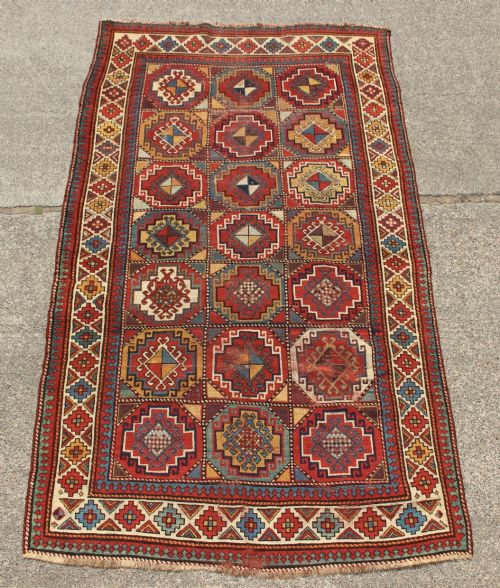
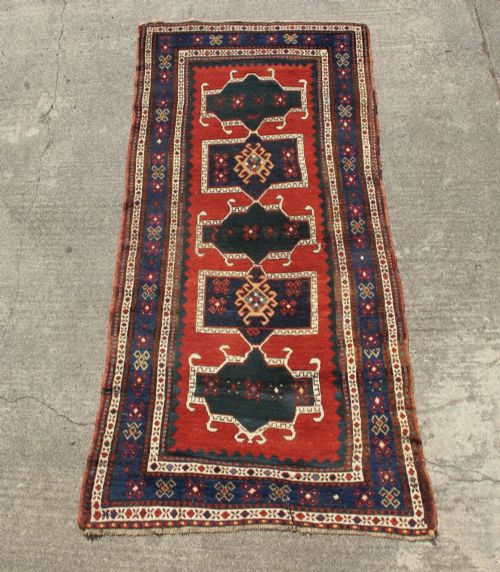
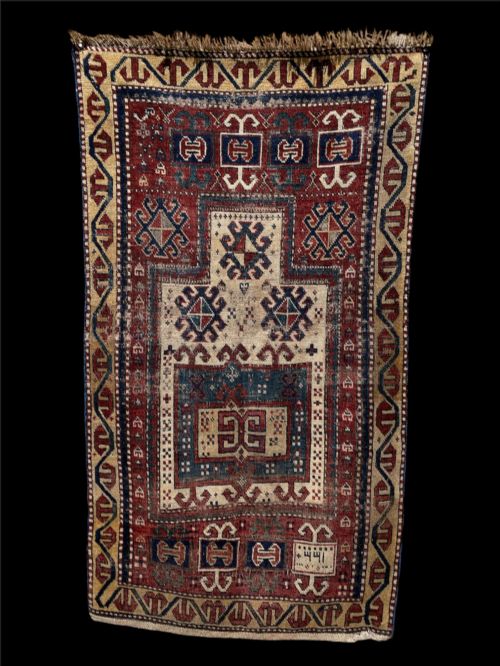
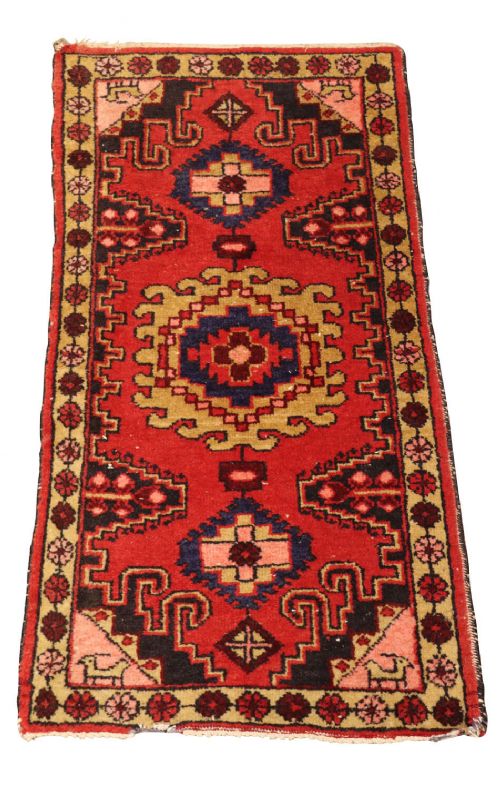
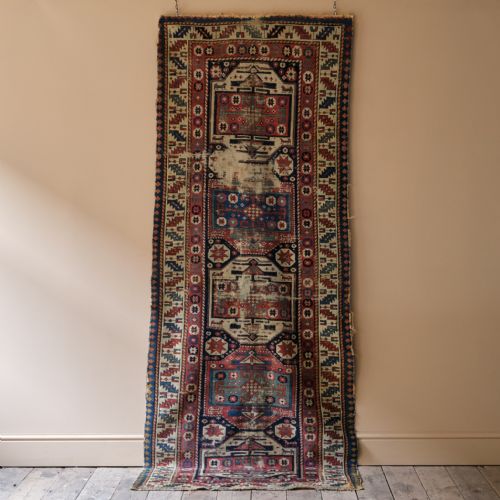
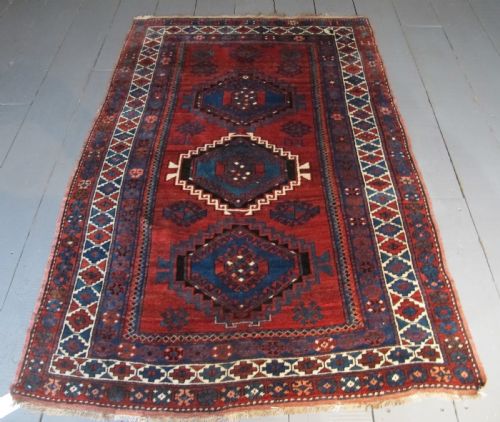
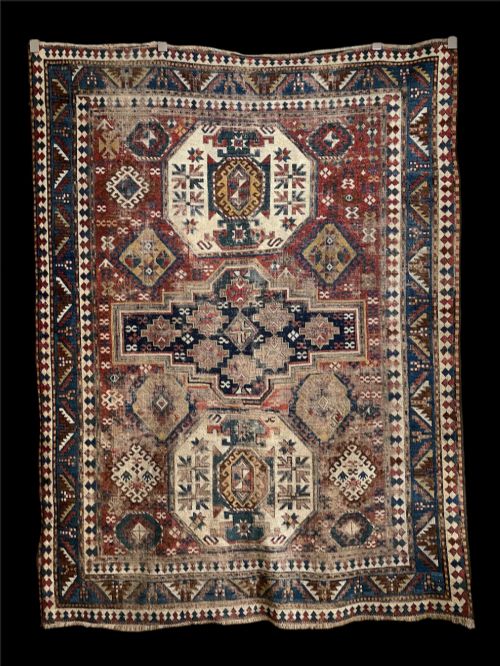
A red kazak rug is a tribal hand-knotted floor covering originating from the Caucasus region during the nineteenth and early twentieth centuries. These pieces display distinct geometric medallions, animal motifs, and prayer designs executed in robust wool structures. Buyers seeking this phrase encounter formats ranging from square prayer rugs to elongated runners.
The selections available here lean heavily toward nineteenth-century production, alongside examples from the early decades of the twentieth century. Traditional forms include specific regional types such as Fachralo, Borchalu, Moghan, and Karachov. Each piece carries the characteristic tribal patterns associated with Caucasian weaving traditions.
How they were made
Weavers constructed these carpets using wool for both the pile and the foundation structures, occasionally incorporating cotton. Many pieces utilise hand-spun wool that accepts natural dyes with considerable depth and variation. The knotting technique yields a dense, durable pile designed for practical domestic use.
Natural colour sources produce the deep red grounds and contrasting secondary tones visible across these textiles. The interplay of hand-spun fibres and traditional dyeing methods creates subtle tonal shifts within individual fields and medallions. Artisans tied each knot by hand upon vertical looms set up within Caucasian communities.
Red Kazak Rug Retail Price Guide 2026
Typical asking prices for red kazak rug among the pieces listed under this phrase on Sellingantiques today, from the lower quarter to the upper quarter. They describe what is for sale here now, not the wider market.
Listings span the nineteenth and early twentieth centuries, featuring wool construction, cotton foundations, and natural dye palettes.
What varies in quality
Quality in a red kazak rug depends upon the crispness of the geometric drawing and the saturation of the dye work. Examples with high wool density and clear, well-balanced medallions stand apart from simpler or more worn textiles. The handling of secondary motifs, such as hooks and animal figures, reveals the weaver's control over proportion.
Preservation of the original pile height and untruncated borders also dictates the standing of an individual piece. Remnants and heavily reduced formats occupy a different tier from complete rugs retaining their original outer guards. The vitality of the red ground field remains a primary measure of visual impact.
The Red Kazak Rug Glossary
- Kazak
- A designation given to rugs woven by various tribal groups in the southern Caucasus. These textiles are known for their sturdy wool pile and bold geometric compositions.
- Prayer rug
- A small format featuring a distinct architectural mihrab or arch design at one end. Historically, worshippers used these textiles to kneel upon during daily prayers.
- Medallion
- A central ornamental motif set within the field of the rug. In these Caucasian examples, medallions frequently take polygonal or hooked geometric forms.
- Mafrash
- A storage bag panel used by nomadic tribes to transport household goods. Fragments of these containers are sometimes assembled into flatwoven kilims.
- Boteh
- A stylised almond or pear-shaped motif of ancient Persian origin. This symbol appears frequently in regional runner formats and border designs.
Red Kazak Rug: Frequently Asked Questions
How do I identify a genuine kazak rug?
Examine the wool quality, the density of the hand-knotting, and the presence of traditional Caucasian geometric motifs such as hooked medallions and stepped polygons.
Genuine examples often display natural dye variations within the red fields and use sturdy wool foundations rather than synthetic alternatives.
Where were these rugs originally woven?
These textiles were produced by tribal weavers across the Caucasus region, encompassing areas associated with specific designs like Fachralo, Borchalu, and Karachov.
Local workshops and nomadic groups each contributed distinct regional variations to the broader tradition of Caucasian carpet weaving.
How should I care for an antique rug?
Protect the piece by placing it in a low-traffic area or using a breathable rug underlay to prevent sliding and excessive wear on the wool pile.
Vacuum gently without using rotating brush attachments and consult a specialist in antique textiles for professional cleaning.
What formats do these rugs come in?
The inventory includes standard area rugs, square prayer formats, long runners, and occasional flatwoven kilims constructed from repurposed nomadic panels.
Dimensions vary considerably from compact prayer formats to larger carpets suited for spacious interiors.