








Red Indigo Wool Carpet
When you choose a red indigo wool carpet, you invite centuries of tribal weaving traditions into your living space through enduring materials and rich botanical hues.
Red Indigo Wool Carpet
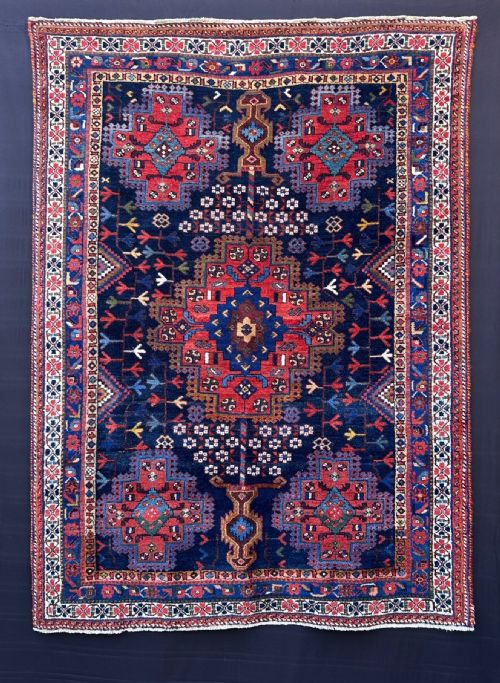
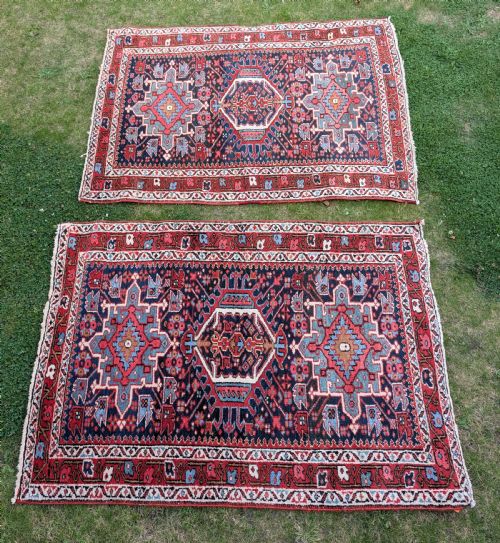
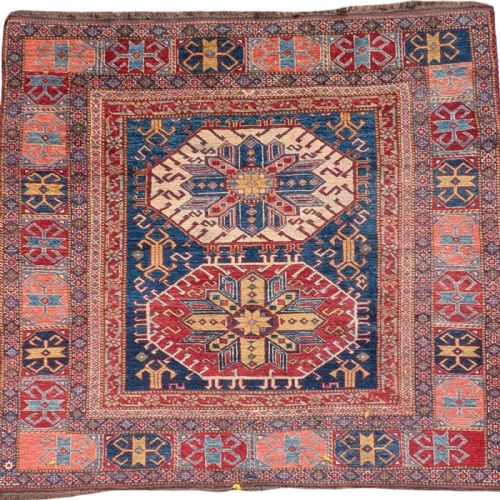
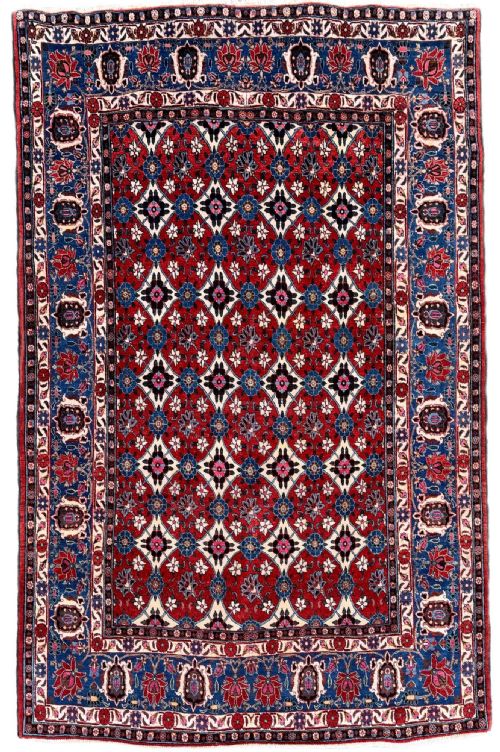
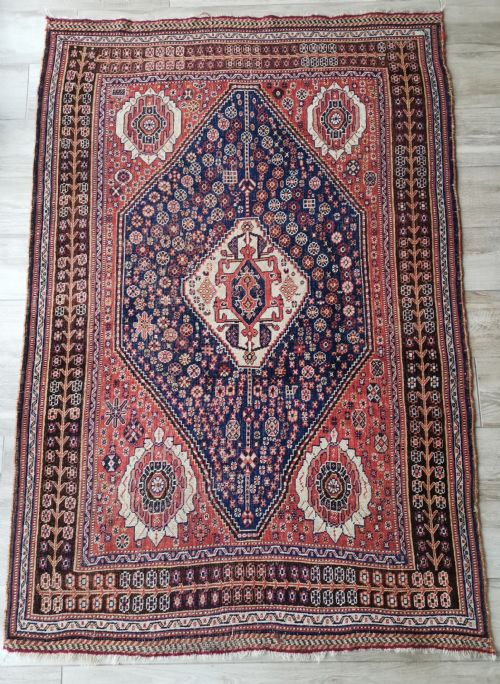
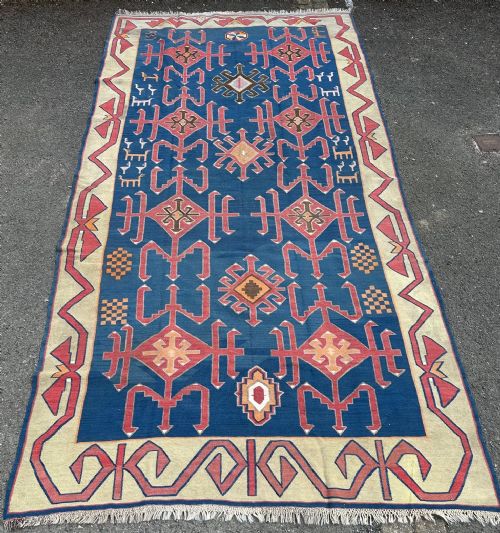
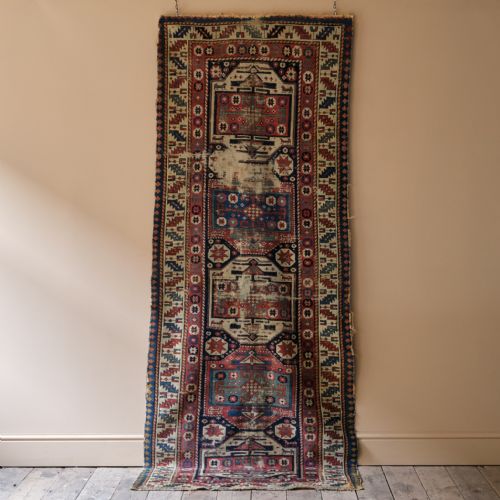
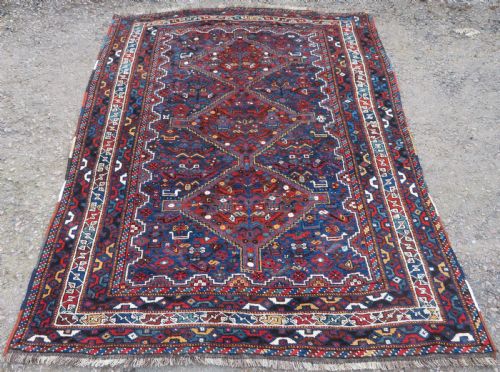
A red indigo wool carpet represents a distinct category of antique floor coverings and flat-weaves originating from Persian, Caucasian and related tribal weaving traditions. These textiles encompass formats ranging from compact village rugs to expansive room-sized carpets and long hallway runners.
The pieces available in this collection typically date from the late nineteenth century into the early decades of the twentieth century. They manifest in diverse regional forms, including Kazak, Afshar, Karaja, Qashqai and Baluch expressions.
Buyers encountering this selection will discover tribal motifs, geometric medallions and characteristic prayer formats created by nomadic and village artisans. Each textile serves as a functional piece of floor covering carrying traditional cultural symbolism.
Materials and construction
Weavers constructed these traditional carpets primarily using hand-spun wool and cotton foundations, occasionally incorporating goat hair for added structural durability along the edges. The reliance on natural dyes ensured that the characteristic red and indigo tones aged with considerable depth.
Techniques varied from knotted pile construction to flat-weave kilim methods, depending on the specific tribal origin and intended utilitarian purpose of the textile. Artisans gathered local materials and utilised traditional upright looms to knot or weave each carpet by hand.
Several runners bear the charming irregularities of nomadic looms, where weavers adjusted their tension mid-project and inadvertently left delightfully crooked edges.
Assessment of quality
Quality in these traditional textiles rests upon the precision of the knotting, the fineness of the hand-spun wool and the complexity of the regional design execution. Pieces that display exceptional balance in their geometric layouts and vibrant, saturated natural dyes stand apart within the broader category.
The integrity of the structural foundation and the preservation of the original outer edges and borders heavily influence the overall standard of a textile. Surviving examples that maintain their original dimensions and distinct tribal iconography demonstrate superior craftsmanship from their period of origin.
The Red Indigo Wool Carpet Glossary
- Kazak
- A style of robust geometric rug produced in the Caucasus region, known for bold primary colours and rectilinear medallion designs. These pieces often utilise striking combinations of red and indigo.
- Kilim
- A flat-woven carpet or textile produced without a pile, created by tightly interweaving warp and weft threads. Such items function as lighter floor coverings or wall hangings.
- Medallion
- A central ornamental design motif placed in the field of a carpet, frequently taking geometric or octagonal forms in tribal weaving. This focal element anchors the overall composition.
- Sofreh
- A specific type of woven spread or cloth traditionally used for communal dining or food preparation within nomadic households. These textiles feature distinctive formats and regional symbols.
- Warp
- The stationary vertical threads stretched upon a loom that form the structural foundation upon which the pile knots are tied. The visible fringes of a finished carpet are extensions of these foundational threads.
Red Indigo Wool Carpet: Frequently Asked Questions
How do I clean an antique wool carpet?
Gentle surface vacuuming without the rotating brush attachment helps remove daily dust from the wool fibres without damaging the foundation.
Professional specialist cleaning remains necessary for deeper maintenance to protect the natural dyes and historical structure.
Where were these tribal carpets made?
The pieces originate primarily from regions spanning Persia, the Caucasus and surrounding territories inhabited by nomadic and village tribes.
Specific weaving groups include the Afshar, Qashqai, Baluch and various Caucasian communities who passed down their patterns through generations.
Can I place these rugs in high traffic areas?
Hand-spun wool and sturdy cotton foundations provide natural resilience that allows these textiles to withstand regular walking when placed in moderate traffic zones.
Utilising a quality underlay helps prevent slipping and reduces physical friction against hard flooring surfaces.
How do I identify different regional rug styles?
Distinguishing characteristics include the specific palette of natural dyes, the structural knotting density and recurring tribal motifs such as stars or hooks.
Comparing the border arrangements and geometric layouts helps attribute a textile to its specific origin, such as Karaja or Kazak.