


Red Grey Oil Painting
These red grey oil painting works bring character to a room, spanning periods from the eighteenth century to the mid twentieth century.
Red Grey Oil Painting
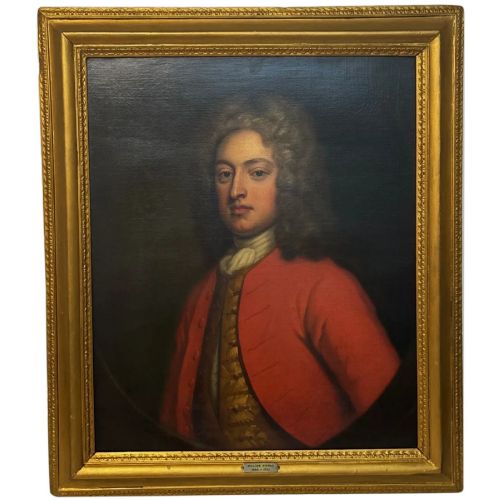
When you search for a red grey oil painting, you find a varied mix of portraits, coastal scenes, and surrealist interiors created across several centuries. The selection on this page ranges from early eighteenth century portraiture to mid-century modern British and naive compositions.
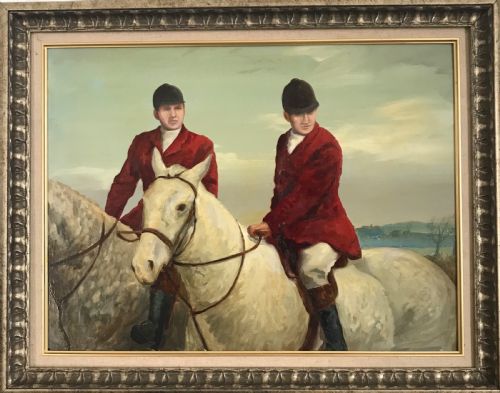
Subjects include historic military figures, equestrian hunting scenes, and Yorkshire coastal views by named artists such as John Sanderson Wells and Donald Wood. You will frequently encounter works executed on canvas, board, and traditional wood supports.
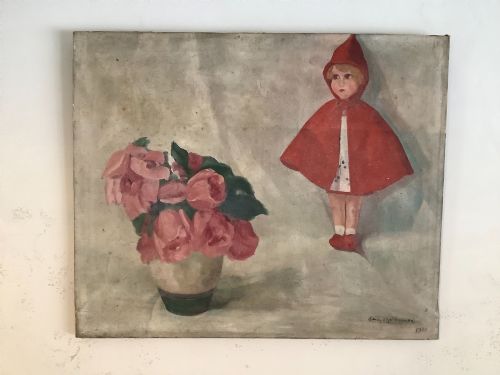
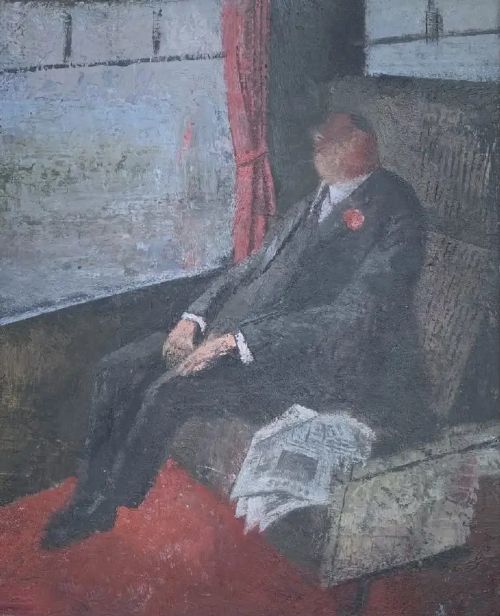
The styles shift noticeably between traditional sporting art, British impressionism, and surrealist or metaphysical explorations. This diversity means buyers can choose between formal historical portraiture and experimental twentieth century vision.
Materials and construction
These pieces rely primarily on oil paint applied to stretched canvas, wooden board, or prepared wood panels. Artists of the earlier periods utilised traditional priming techniques, while later twentieth century works often demonstrate direct application to board.
Some framed works incorporate period surrounds, including giltwood frames that complement the tonal palette of the canvas. The underlying supports vary from sturdy wooden panels to woven canvas pinned over wooden stretchers.
Judging quality and execution
Quality in these works rests upon the confidence of the brushwork and the clarity of the composition, whether handling a detailed sporting portrait or a surrealist interior. Stronger examples display a assured control of tone and colour harmony within the red and grey palette.
The distinction between standard decorative pieces and finer works lies in the handling of light and the expression of the subject. Provenance and attribution to recorded artists like Donald Wood or John Sanderson Wells also elevate the standing of a piece.
John Sanderson Wells·Donald Wood·Dod Proctor
The Red Grey Oil Painting Glossary
- Canvas
- A heavy woven fabric stretched across a wooden frame to form a foundation for oil painting. It provides a textured surface that interacts with the viscosity of oil paint.
- Board
- A rigid flat panel, often made of wood or pressed material, used as a sturdy support for oil paint. It offers a smooth, unyielding surface compared to woven fabric.
- Giltwood
- Wood carved and covered with a thin layer of gold leaf or metallic gilt. It frequently frames traditional paintings from the eighteenth century onward.
- Naive Art
- Artwork characterised by a childlike simplicity in perspective and proportion, often created by self-taught painters. It values direct expression over academic rules.
- Metaphysical Art
- An early twentieth century Italian style depicting uncanny, dreamlike scenes with stark shadows and illogical perspective. It heavily influenced later surrealist painting.
Red Grey Oil Painting: Frequently Asked Questions
What periods do these paintings cover?
The works span from the eighteenth century up through the nineteen-fifties and sixties. You will find early portraits alongside modernist and surrealist compositions.
This broad timeline reflects changing artistic priorities, moving from formal portraiture toward experimental twentieth century realism and naive art.
What subjects are most common?
Subjects range widely from historic military figures and equestrian hunting scenes to coastal views of Whitby and surrealist interiors. Portraits of named individuals also appear frequently among the listings.
Each genre offers a distinct visual record of its era, executed through traditional British sporting art or mid-century perspectives.
How should I display an oil painting?
Keep paintings away from direct sunlight and severe humidity changes to protect both the canvas and the wooden support. Proper framing helps maintain structural stability.
Ensure the hanging wall can support the weight of heavier framed pieces, particularly those set within substantial giltwood surrounds.
Are all the pieces signed by artists?
Not every work carries a signature, as some historical and naive pieces remain attributed to broader schools or anonymous hands. Others clearly bear the signatures of known painters like Donald Wood.
Unsigned works are evaluated based on style, material composition, and period characteristics rather than a signature alone.
What is the difference between canvas and board supports?
Canvas provides a flexible, textured surface stretched over wood, which responds to environmental shifts by flexing slightly. Board offers a completely rigid and flat panel.
Artists chose supports based on their preferred painting technique and the desired finish of the final artwork.