
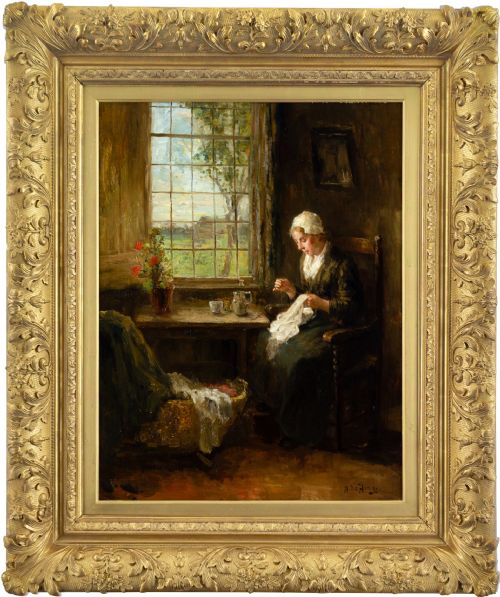


Impressionist Interior Scene Painting
Impressionist interior scene painting captures domestic quietude and domestic light through loose brushwork and thoughtful tonal balance.
Impressionist Interior Scene Painting
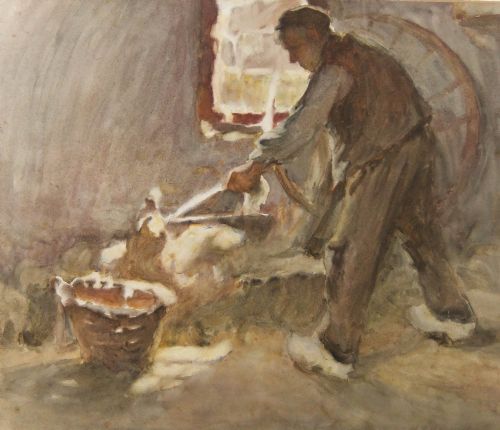
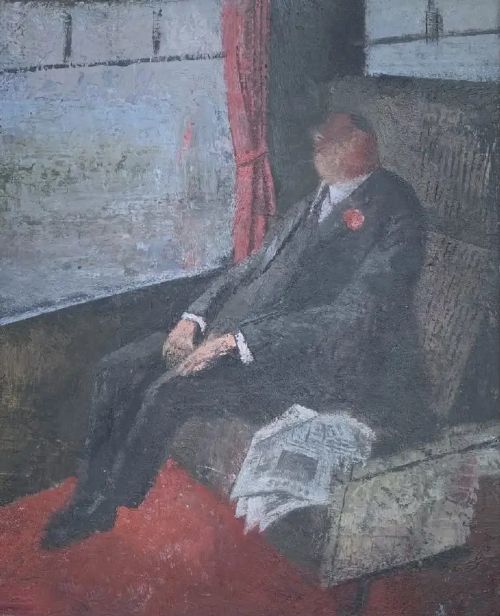
Impressionist interior scene painting focuses on domestic spaces, intimate rooms, and quiet household moments captured through the lens of various impressionist and realist movements. When you explore this selection, you encounter works spanning the Edwardian era through the nineteen fifties, reflecting domestic life across decades.
The pieces on this page encompass oil on canvas, oil on paper, and watercolour paintings. Artists employ styles ranging from Post-Impressionism and British Impressionism to Scandinavian Realism, the Hague School, and Modern British approaches to domestic subjects.
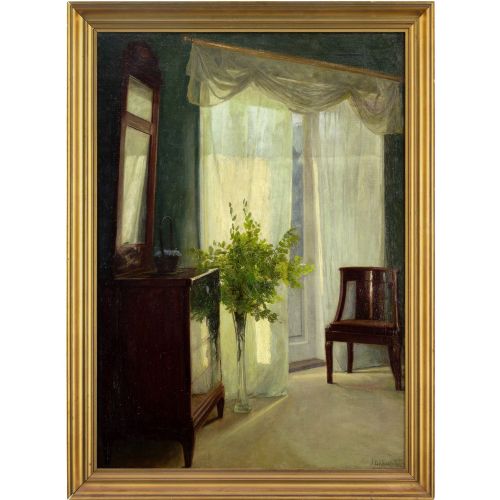
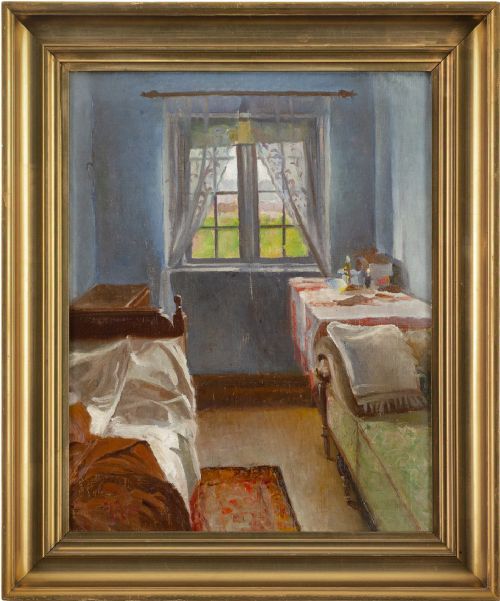
Common motifs include sunlit rooms, quiet hours, cottage dining rooms, and artists' studios viewed through the aesthetic idioms of the early to mid twentieth century. These works document both everyday domesticity and the nuanced interplay of indoor light and colour.
Materials and methods
The works rely primarily on oil on canvas and watercolour on paper, supported by wooden frames and occasionally accented with gold leaf. Artists apply pigments with varying brush densities to capture the shifting qualities of light within domestic interiors.
Techniques range from the fluid washes characteristic of watercolour landscapes and interiors to the textured impasto and colourist palettes found in twentieth-century oil paintings.
Listings feature works created across seven distinct periods, ranging from Edwardian pieces to works dated nineteen fifty.
Judging quality in these interiors
Quality rests in the artist's handling of light and shadow, particularly how illumination filters through garden doors or windows onto interior surfaces. Stronger works demonstrate a confident command of tone and perspective that brings intimacy to the domestic setting.
The sophistication of the palette and the expressive freedom of the brushwork distinguish more accomplished pieces from simpler decorative records of rooms.
Henry Silkstone Hopwood·John Lübschitz·Harry Kluge·Bernard De Hoog·Roland Batchelor·John Exley
The Impressionist Interior Scene Painting Glossary
- Post-Impressionism
- A predominantly French art movement that developed from impressionism around eighteen eighty to nineteen fourteen, extending its limitations while retaining its use of vivid colours and thick application of paint. This approach influences several domestic interior scenes on the page.
- Intimist
- An artistic style focusing on intimate domestic interior scenes, often associated with painters who depicted quiet household moments. Bonnard serves as a notable reference point for this domestic intimacy.
- Hague School
- A group of artists working in The Hague between eighteen seventy and eighteen ninety-one who were heavily influenced by the realism of the French Barbizon school. Their tonal sensitivity echoes in later interior works.
- Edwardian Genre Realism
- A style capturing everyday life and social scenes during the Edwardian period with an emphasis on realistic detail and narrative. It provides a structured foundation for domestic interior painting.
Impressionist Interior Scene Painting: Frequently Asked Questions
What periods do these interior paintings cover?
The works span from nineteen hundred through the nineteen fifties, including Edwardian examples and pieces from the nineteen tens, twenties, thirties, and forties. This range captures shifts in domestic aesthetics across the first half of the twentieth century.
Different decades bring distinct stylistic interpretations, moving from Edwardian genre realism toward post-impressionist and colourist interior explorations.
What materials were used by the artists?
Painters worked primarily in oil on canvas, oil on paper, and watercolour on paper. Some pieces are housed in wooden frames, occasionally featuring gold leaf details.
The choice of medium alters the character of the room, with watercolours offering delicate transparency and oils allowing for rich colourist applications.
How should I hang an interior scene painting?
Consider placing these works in spaces where ambient natural light can interact with the painted light sources within the canvas. Rooms designed for relaxation, such as studies or living areas, complement the domestic tranquility of the subjects.
Ensure the piece is hung at eye level away from direct, harsh sunlight to preserve the integrity of both watercolour pigments and oil layers.
What subjects appear most frequently?
Common subjects include bedroom interiors, quiet hours, cottage dining rooms, and artists' studios filled with daylight. Windows and garden doors often serve as primary light sources within the compositions.
These domestic vignettes offer a glimpse into historical living spaces and the quiet routines of twentieth-century domestic life.