




Seated Figure Oil Study
A seated figure oil study captures the human form directly from life, offering intimate glimpses into academic discipline and modern mood alike.
Seated Figure Oil Study
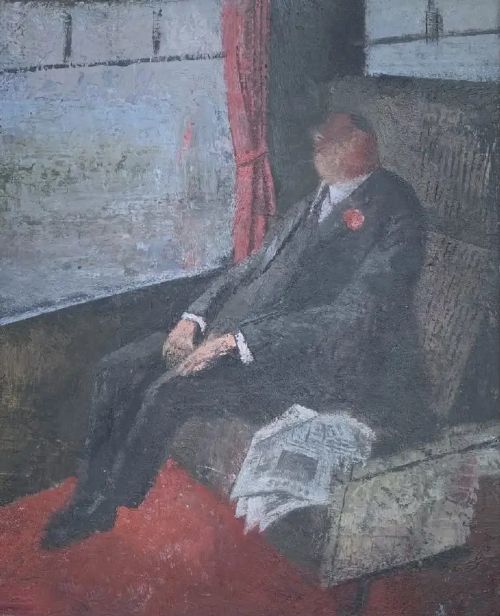
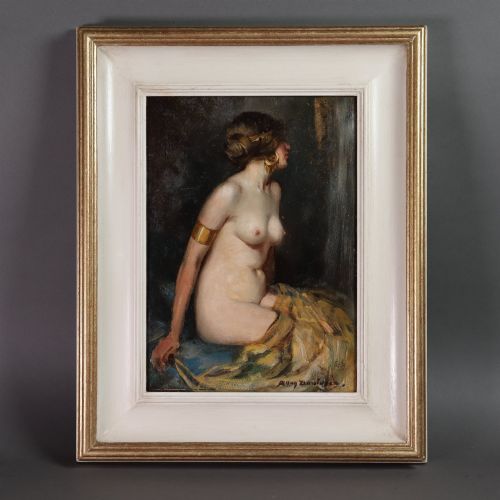
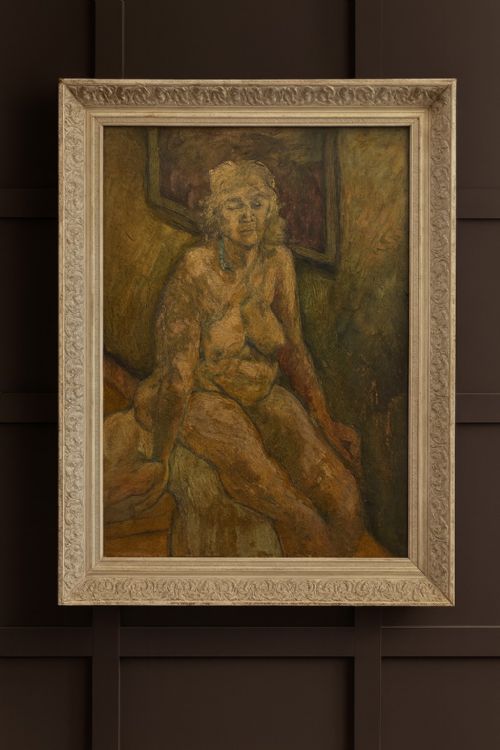
When searching for a seated figure oil study, buyers examine intimate painted works focused primarily on human posture and character. These pieces range from formal academic exercises to looser impressionist sketches created across various decades.
The versions most commonly encountered on this page span from the nineteenth century through the mid-twentieth century. Works often depict female models in interior settings, coastal slopes, or pastoral backdrops.
Origins stretch from British studios to French impressionist circles. Styles vary widely, encompassing Edwardian academic realism, French impressionism, Art Deco, and mid-century expressionism.
How they were made
Artists painted these studies using oil paint applied to stretched canvas, wooden panels, or prepared cardboard boards. The physical support often dictates the texture and immediacy of the brushwork.
Frames frequently consist of wood or gilded wood, protecting the painted surface while reflecting the aesthetic preferences of the period in which the study was produced.
One canvas preserves the quiet dignity of a young beauty caught wearing a satin evening dress.
What varies in quality
Quality rests upon the confidence of the draughtsmanship and the artist's command over light and shadow across the human form. Stronger pieces reveal rapid, purposeful brushstrokes that capture anatomical weight and gesture with economy.
The handling of the background space relative to the sitter distinguishes accomplished works from routine academic exercises. Superior examples integrate the subject harmoniously into the surrounding atmosphere rather than isolating the figure.
Honore Cavaroc·Allan Douglas Davidson·Peter Jackson·Raymond Arthur Roadnight·Kershaw Schofield·Gaston Bouy
The Seated Figure Oil Study Glossary
- Oil paint
- A slow-drying paint made from pigment suspended in a drying oil, typically linseed oil. This medium allows artists to blend tones smoothly or build thick impasto textures.
- Panel
- A rigid flat piece of wood used as a support for painting instead of canvas. Wooden boards provide a firm surface that resists sagging.
- Impressionism
- A nineteenth-century art movement characterised by relatively small, thin, yet visible brush strokes and an emphasis on accurate depiction of light. Practitioners sought to capture momentary visual experiences.
- Academic realism
- A style of painting produced under the influence of European academies of art. This approach prioritises precise anatomical accuracy, polished surfaces, and traditional compositional rules.
Seated Figure Oil Study: Frequently Asked Questions
What defines a seated figure oil study?
A seated figure oil study is a painted artwork focused on capturing a person at rest or posing in an interior or exterior setting. These studies often served as preparatory works or independent artistic explorations of posture and light.
Makers utilised oil paint on canvas, panel, or board to record these subjects across various movements, including impressionism and modern British figurative art.
How do I date a seated figure oil study?
Dating relies on stylistic clues, framing, and the material support used by the artist. Edwardian academic works look notably different from mid-century expressionist or Art Deco pieces.
Examining the canvas preparation, stretcher construction, and signatures often provides further chronological context for each individual painting.
Where were these painted studies produced?
These works originate from diverse European artistic centres, notably Britain and France. Studios in these regions fostered various schools, from Belle Epoque realism to French impressionist circles.
Artists frequently painted models in controlled studio environments or direct outdoor settings like wooded slopes.
How should I display an oil study at home?
Displaying these paintings requires mindful placement away from direct sunlight and excessive humidity to protect the oil paint and canvas. Appropriate framing in wood or gilded wood helps support the structural integrity of the work.
Allowing sufficient wall space lets the intimate scale and brushwork of the study remain the primary focus.