
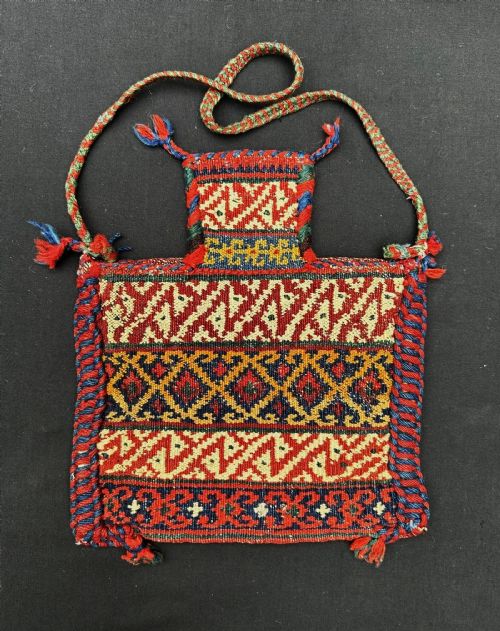
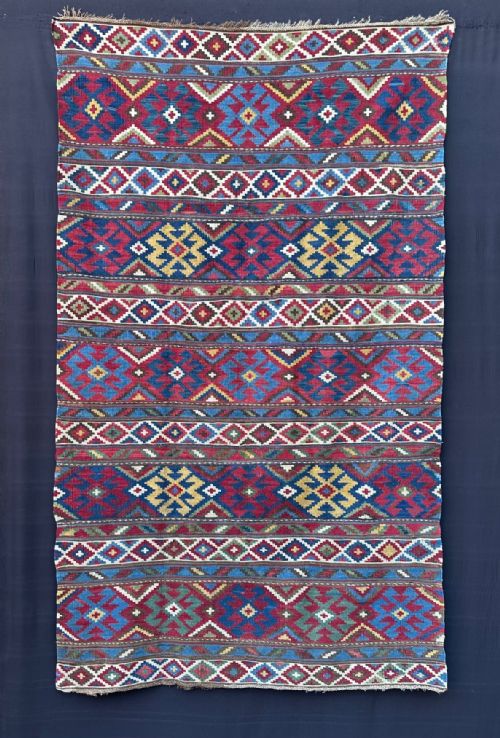
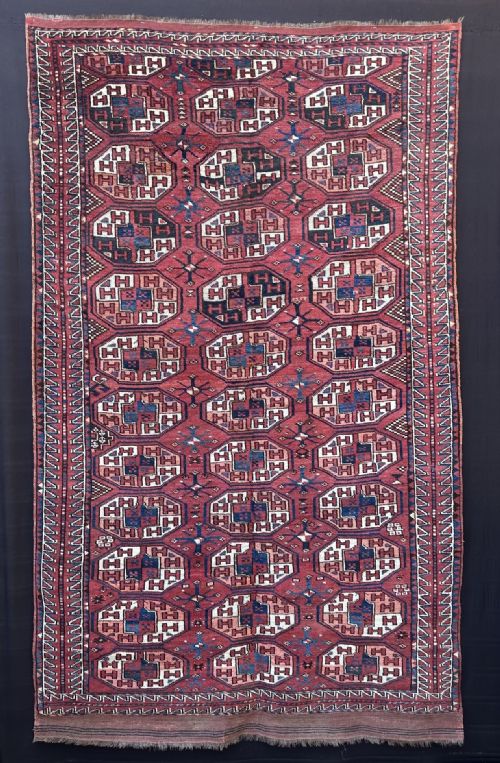


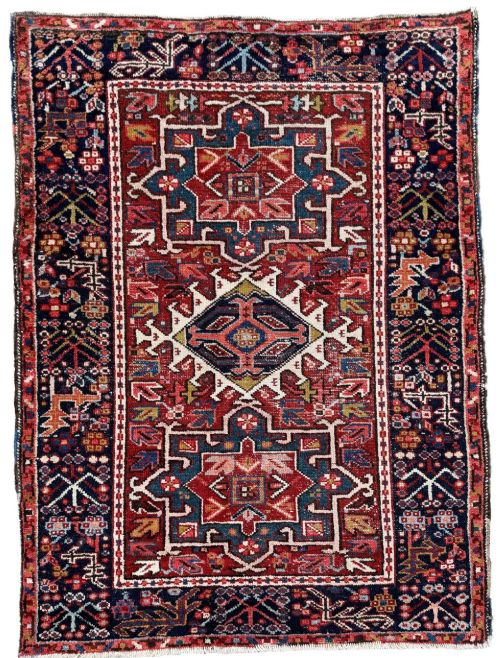

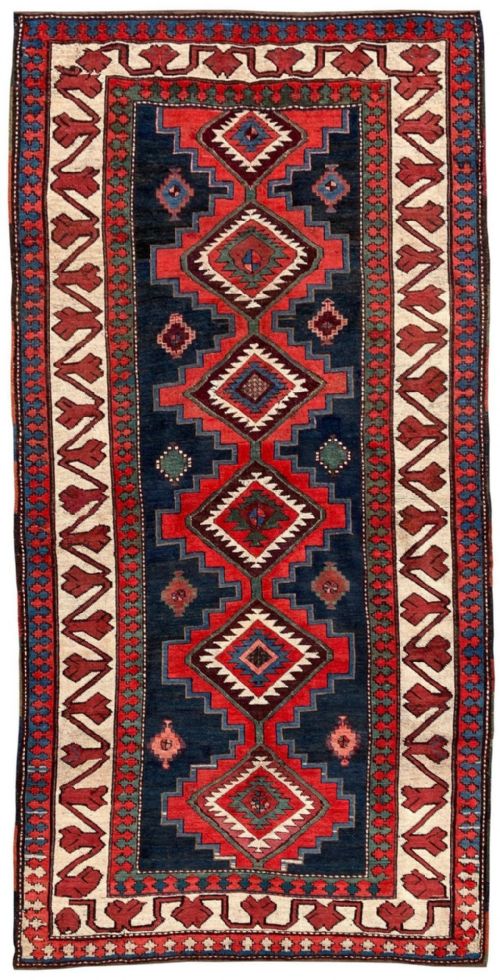
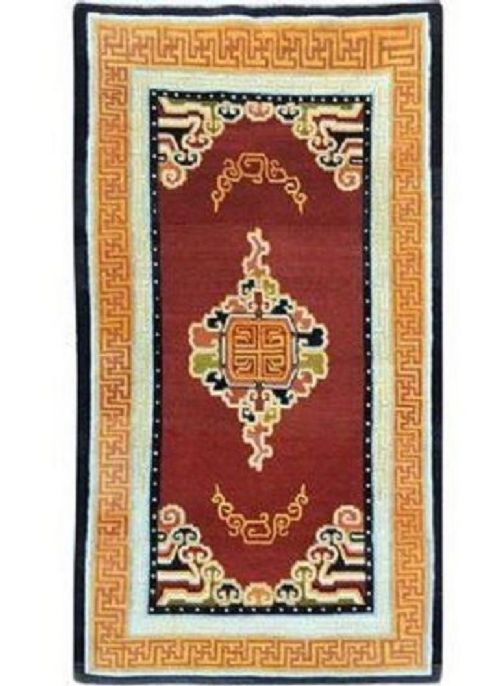
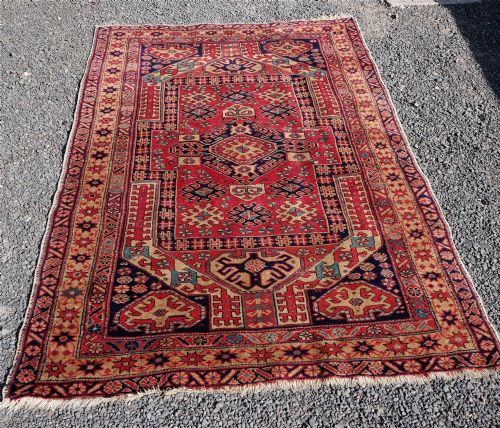
Red Geometric Rug
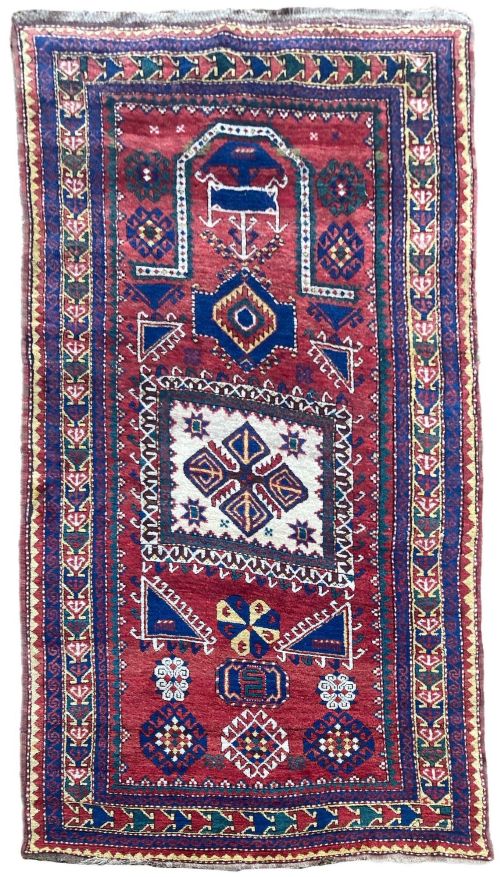
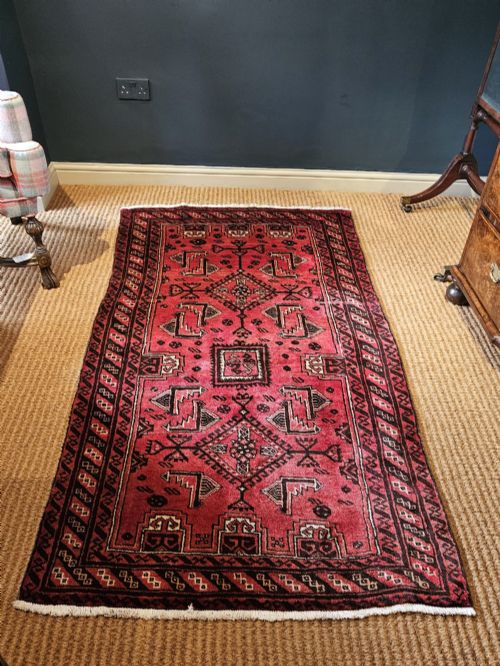
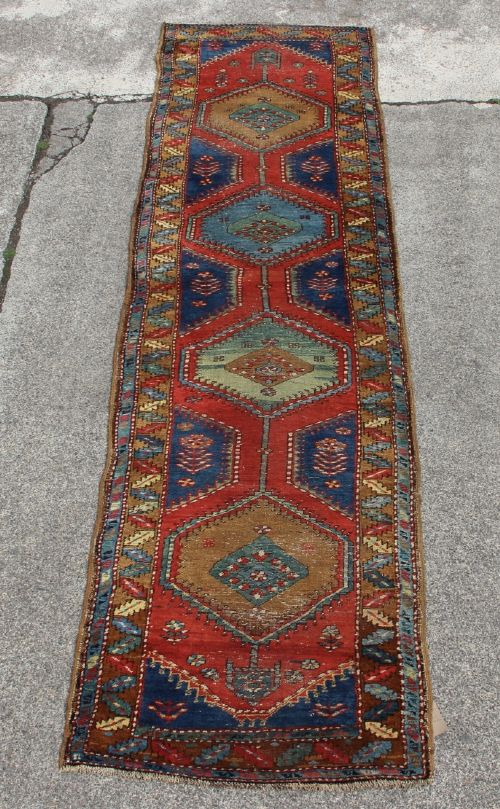
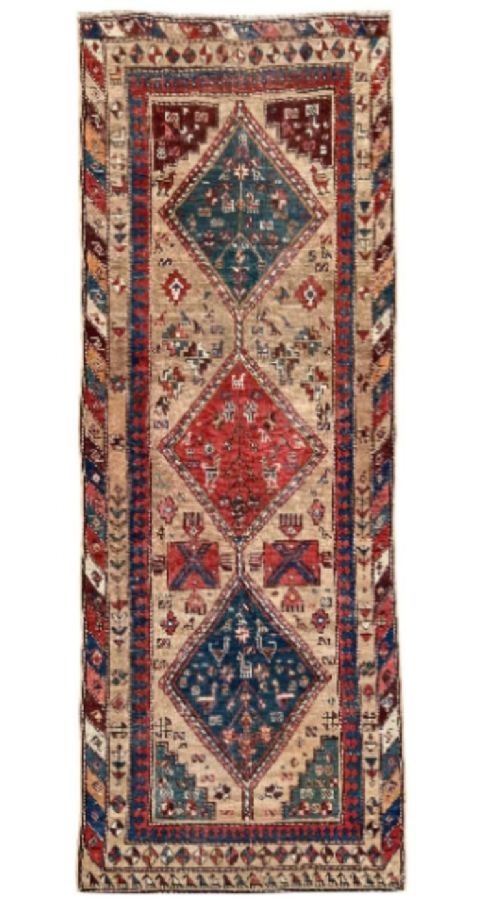
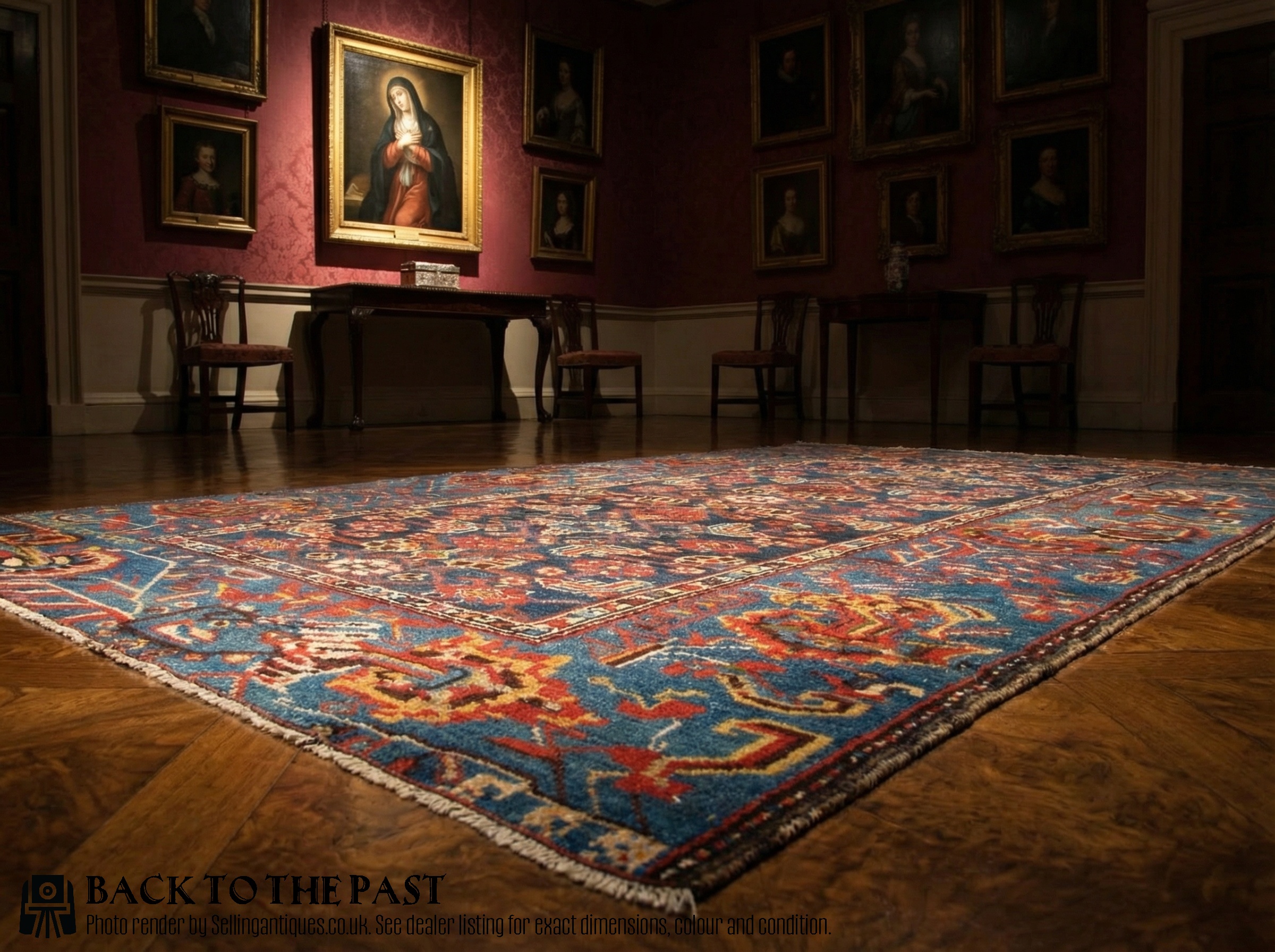
A red geometric rug brings warmth and strong pattern to a room, offering the rich colour and bold lines of tribal weaving.
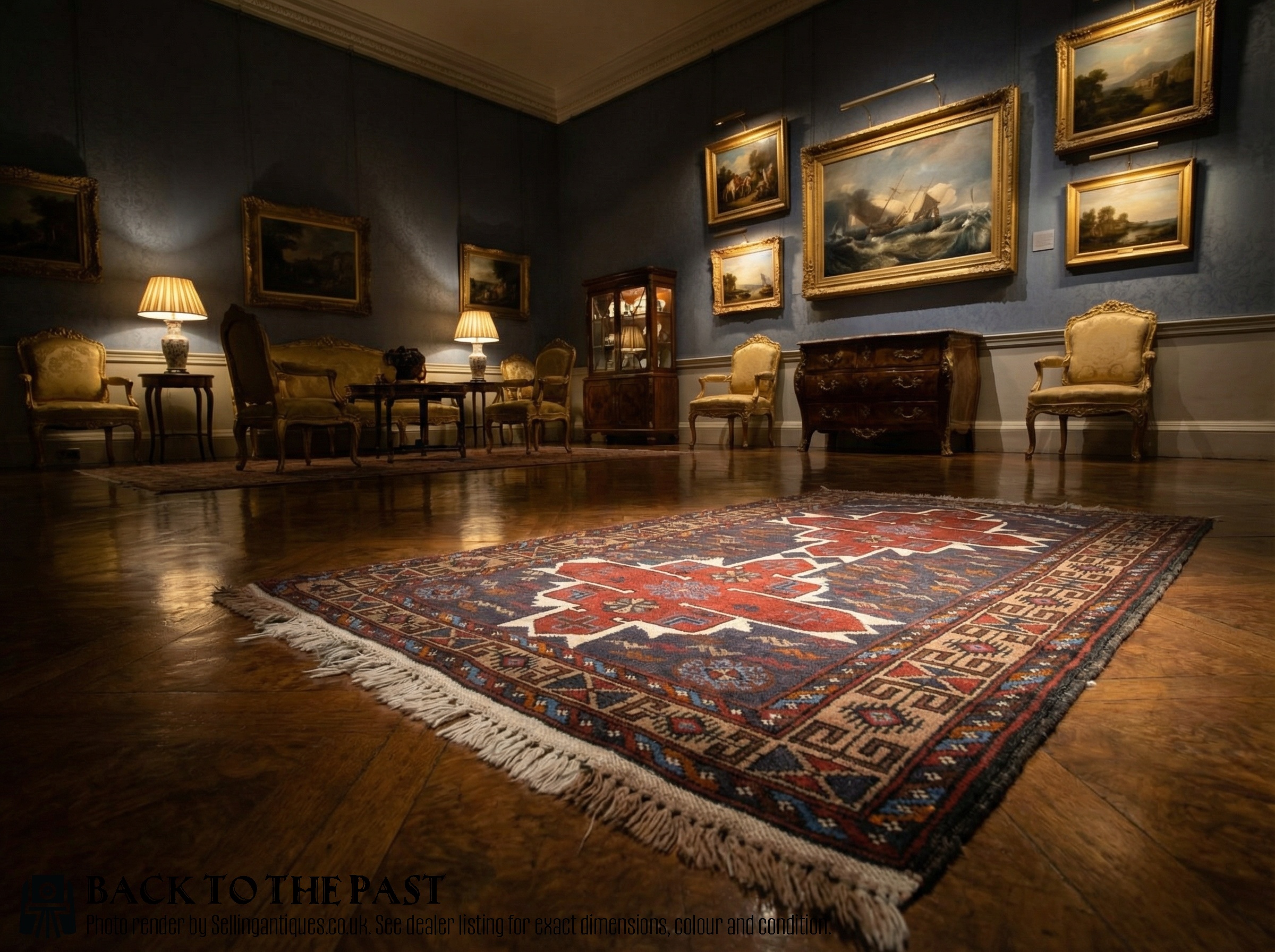
Red Geometric Rug
A red geometric rug gathers traditional styles from tribal workshops and village traditions, showing the distinct designs of Persian and Caucasian makers. These pieces span from the late nineteenth century through the middle decades of the twentieth century, bringing together formats such as area rugs and larger carpets.
Buyers encounter formats like the Kazak carpet, the North West Persian rug, and the Hamadan rug alongside Afghan wool carpets and Mazlagan rugs. South West Caucasian flatweaves and Afshar rugs also appear, each carrying characteristic patterns formed through repeating motifs.
The prevalent form on this page remains the wool floor covering, shaped by tribal weavers working with geometric layouts. These textiles unite deep red tones with structured patterns that anchor a room's interior scheme.
How they were made
These textiles rely on natural wool for their pile and surface texture, often supported by cotton foundations that lend structure to the weave. Hand-weaving techniques shape both knotted pile carpets and brocaded flatweaves such as the verneh or zili.
Dyers and weavers utilised traditional methods to secure rich red hues and contrasting geometric outlines across each rug. The construction methods reflect regional practices handed down through generations of tribal artisans.
Red Geometric Rug Retail Price Guide 2026
Typical asking prices for red geometric rug among the pieces listed under this phrase on Sellingantiques today, from the lower quarter to the upper quarter. They describe what is for sale here now, not the wider market.
The listings here include wool and cotton pieces spanning the years 1890 to 1940 across Persian and Caucasian tribal styles.
What varies in quality
Quality rests in the precision of the weave and the depth of the wool pile, which dictate how crisply the geometric lines emerge. Tighter knotting and careful material selection create a firmer handle and greater resilience under foot.
The distinction between standard examples and finer pieces lies in the complexity of the design layout and the balance of the natural dyes. Superior rugs maintain strong structural integrity while displaying harmonious colour relationships across the field.
The Red Geometric Rug Glossary
- Kazak
- A type of rug originating from the Caucasus region, known for bold geometric medallions and saturated primary colours.
- Flatweave
- A textile produced without a pile by interwaving warp and weft threads together, creating a thinner, tapestry-like fabric.
- Hamadan
- A rug originating from the region surrounding the city of Hamadan in west Persia, frequently featuring repeated geometric motifs.
- Verneh
- A specific style of brocaded flatweave characterised by distinctive diagonal S-patterns and geometric filler ornaments.
- Pile
- The raised surface of a rug formed by the cut or uncut ends of knotted yarn.
Red Geometric Rug: Frequently Asked Questions
How do I place a tribal rug in a modern room?
A tribal rug works well as a grounding element on wooden floors, where its geometric pattern contrasts with clean architectural lines.
Position the piece in a sitting area or hallway to let the red tones warm the surrounding neutral space.
How do I identify a Caucasian rug from a Persian one?
Caucasian rugs typically display starker, highly stylised geometric medallions and sharper colour contrasts within the design.
Persian village rugs often incorporate more flowing floral elements alongside geometric frameworks, reflecting different regional weaving traditions.
How should I care for an antique wool rug?
Regular gentle vacuuming without a rotating brush roll helps remove grit from the wool pile without damaging the foundational structure.
Professional cleaning suited to antique textiles preserves the lanolin in the wool and keeps the red dye stable over time.