
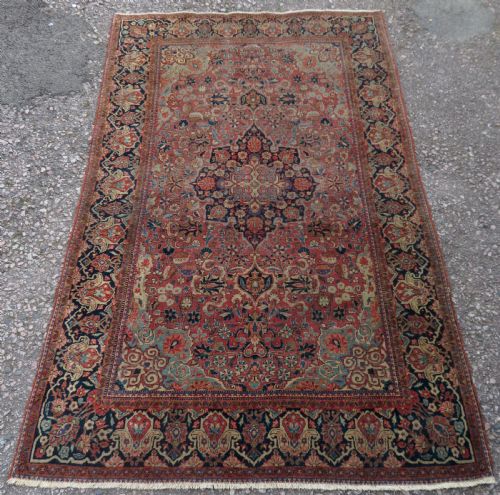
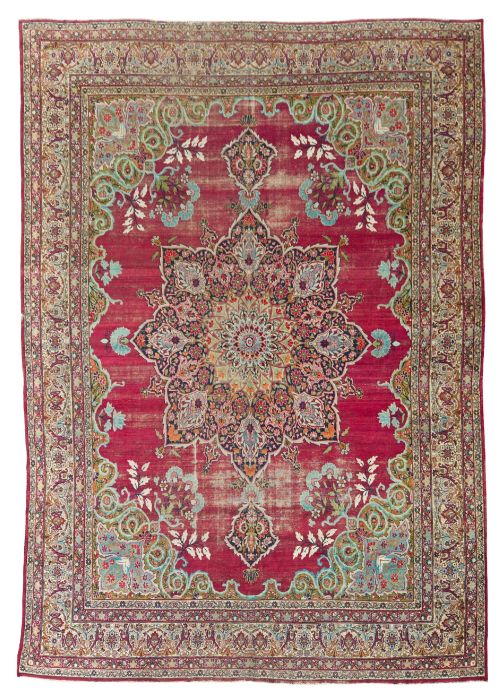
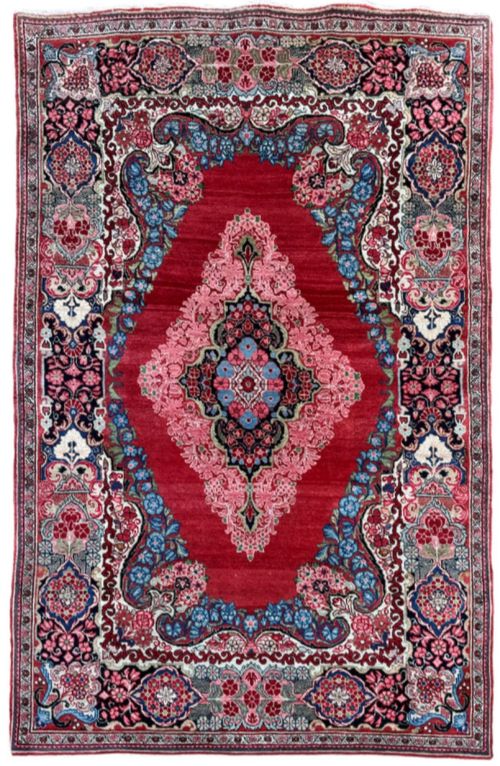


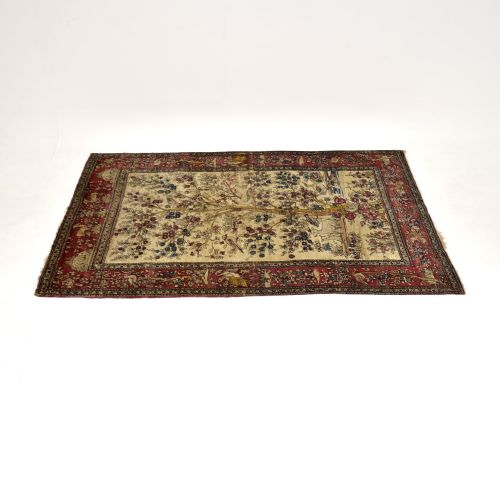
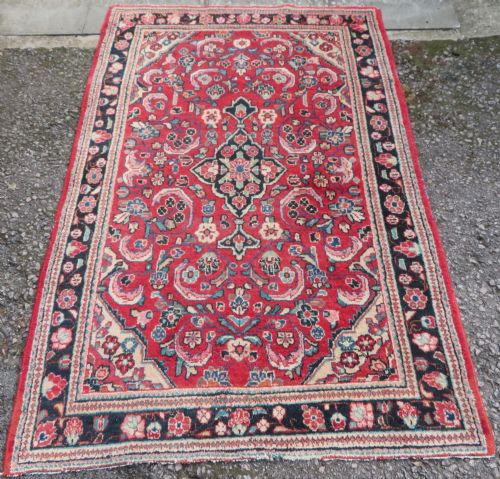
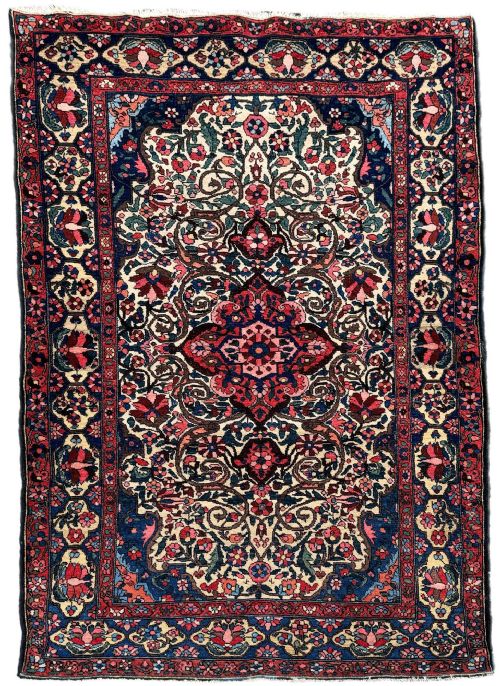
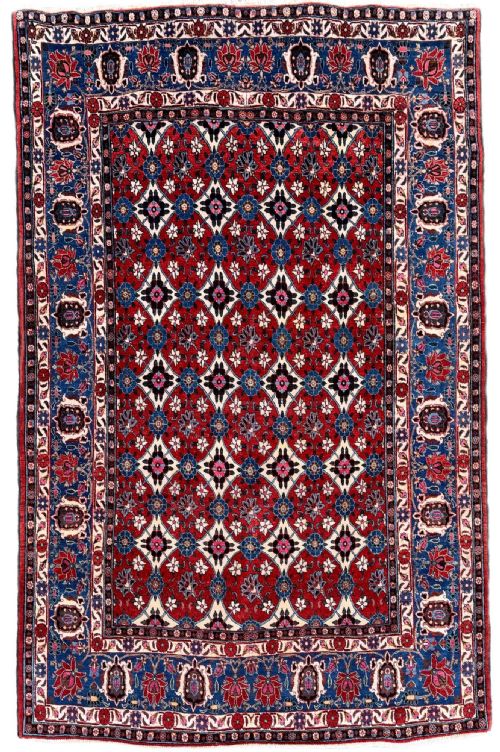
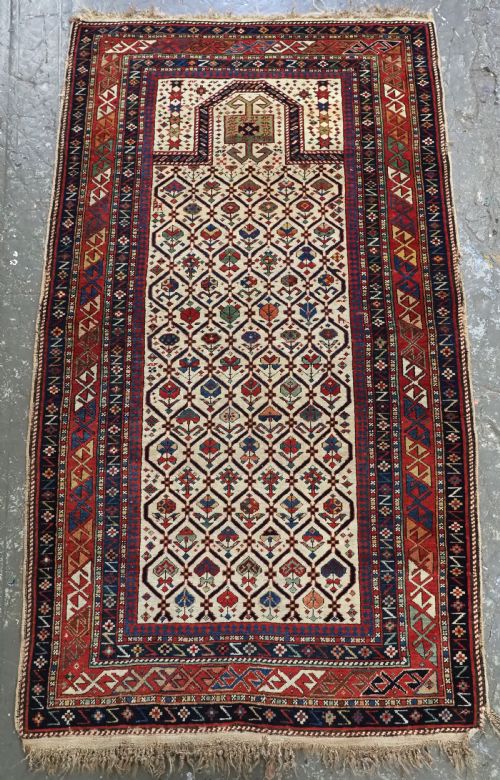
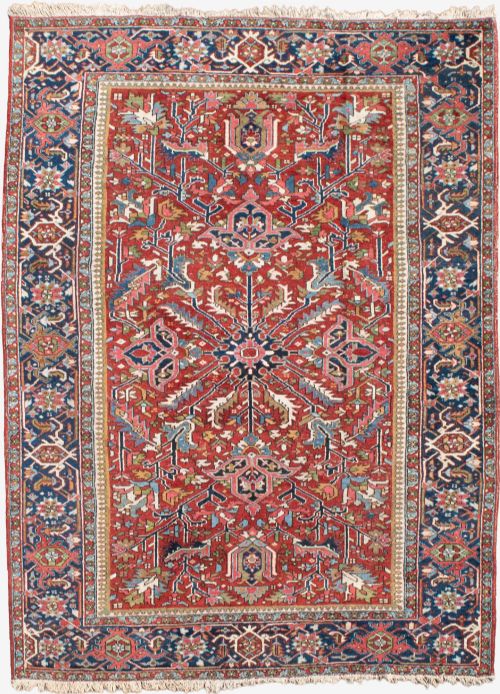
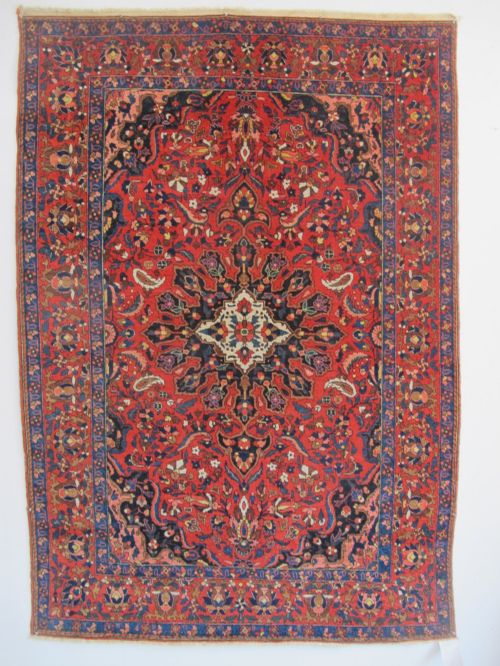
Red Floral Wool Carpet
These red floral wool carpet examples bring traditional Persian and Caucasian weave patterns into domestic rooms through durable room-size and area formats.
Red Floral Wool Carpet
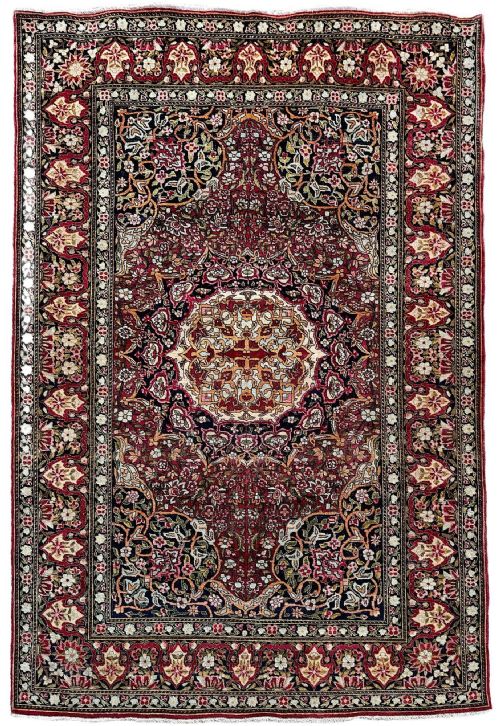
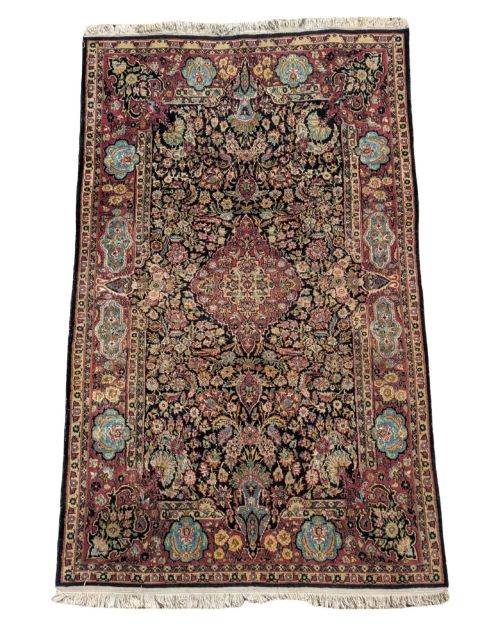
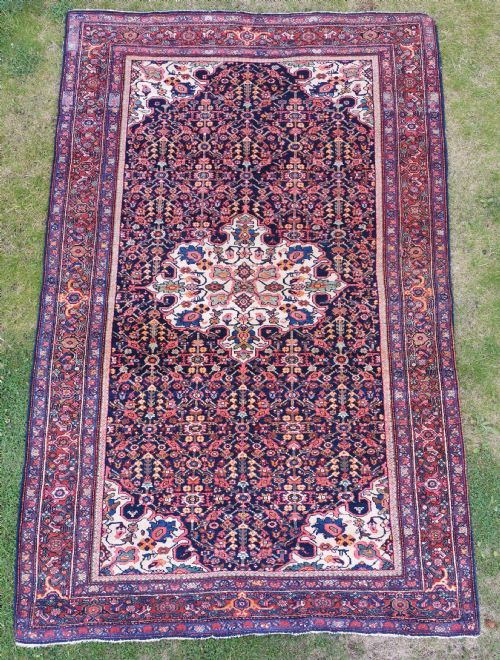
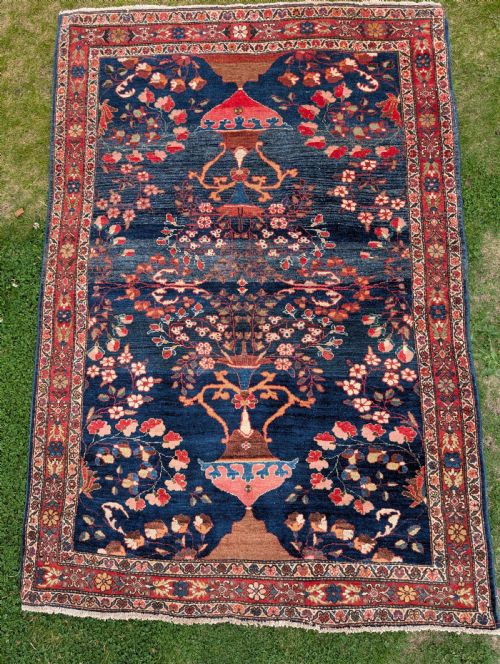
A red floral wool carpet encompasses floor coverings originating primarily from Persian and Caucasian weaving centres dating from the mid-nineteenth century through to the early twentieth century. Buyers seeking this phrase encounter room-size carpets, large area formats, village rugs, and narrow runners designed for heavy domestic use.
The material palette consists predominantly of wool, sometimes paired with cotton foundations and occasional silk highlights to emphasise specific motifs. Designs feature traditional floral arrangements, lattice patterns, and classical medallion layouts characteristic of towns such as Kashan, Heriz, Bakhtiar, and Sarouk.
Materials and construction
Weavers constructed these pieces using hand-spun wool pile knotted onto cotton or wool foundations, ensuring a dense structure capable of withstanding generations of foot traffic. Natural dyestuffs provided the deep red backgrounds that define the visual character of the group.
Specialised regional techniques governed the creation of each piece, from village looms in Heriz and Bakhtiar producing robust, geometric interpretations to urban workshops in Isfahan and Kashan executing finer curvilinear floral designs.
Village weavers sometimes added accidental asymmetrical floral flourishes, proving that human hands guided every single knot.
Assessing quality
Knot density and the precision of the underlying design separate standard village production from master workshop pieces. Finer execution allows for intricate floral details and sharper definition within medallions and borders.
The handling of the wool and the depth achieved by natural dye combinations dictate the visual richness of the surface. Superior examples maintain balanced proportions and harmonious colour saturation across the entire field.
The Red Floral Wool Carpet Glossary
- Pile
- The upright loops or cut ends of yarn that form the usable surface of the carpet. This layer bears the direct weight and friction of foot traffic.
- Medallion
- A symmetrical central ornamental design motif placed in the middle of the carpet field. Traditional Persian weavers often built their entire composition around this central anchor.
- Warp
- The vertical threads stretched tightly on the loom before knotting begins. These foundational threads support the structural integrity of the entire weave.
- Weft
- The horizontal threads passed across the warp threads between rows of knots to secure them in place. Proper tension here prevents the carpet from warping over time.
Red Floral Wool Carpet: Frequently Asked Questions
How do I choose the right size?
Consider the proportions of your room and furniture placement to determine whether an area rug or a full room-size carpet works best. Ensure enough floor perimeter remains visible to frame the piece correctly.
Runners suit hallways and narrow spaces, whereas large carpets anchor seating areas in principal reception rooms.
Are these carpets durable for daily use?
Traditional wool construction combined with tight knotting provides exceptional resilience against normal household wear. These floor coverings were built to endure decades of active daily living.
Using an appropriate underlay prevents slippage and cushions the foundation against premature fibre fatigue.
How should I clean my carpet?
Routine maintenance requires gentle vacuuming without the rotating brush bar to protect the delicate wool pile. Professional specialist cleaning remains essential for removing deep-seated grit safely.
Avoid chemical spot treatments, as harsh agents can alter the natural dyes permanently.
How do I identify regional styles?
Regional styles reveal themselves through specific design geometry, border arrangements, and structural materials. Village workshops often favour bolder, geometric floral interpretations while city looms produce refined curves.
Examining the knot count and the handling of the red background tones offers further clues to the origin.