


Red Floral Wall Art
Red floral wall art encompasses canvas oil paintings, woven textiles, and decorative plates spanning centuries of botanical depiction.
Red Floral Wall Art
Red floral wall art gathers diverse works portraying blossoms, from oil paintings on canvas to embroidered textiles and carved panels. These objects range across periods, including pieces from the nineteenth and twentieth centuries alongside older textile traditions.
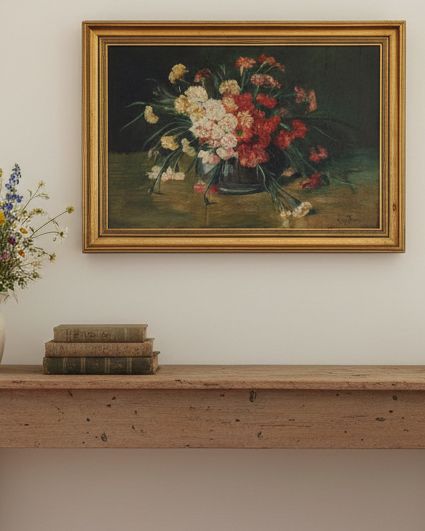
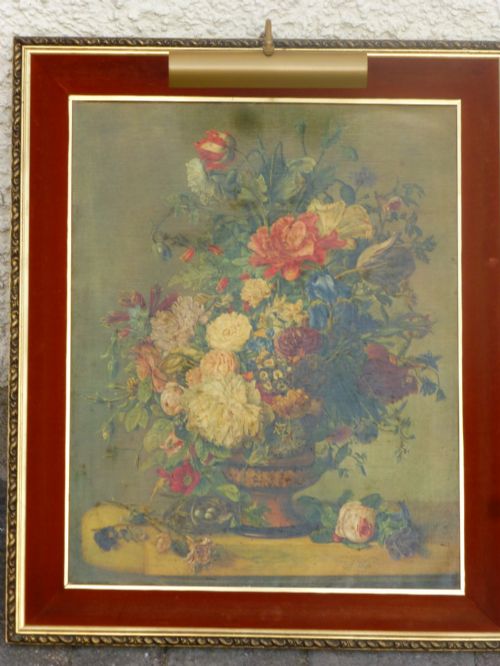
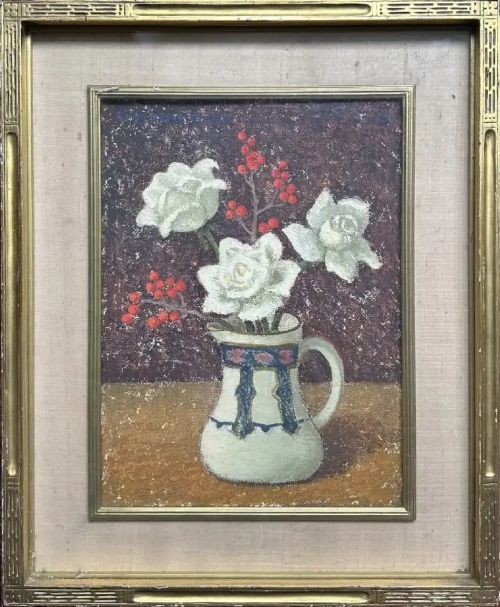
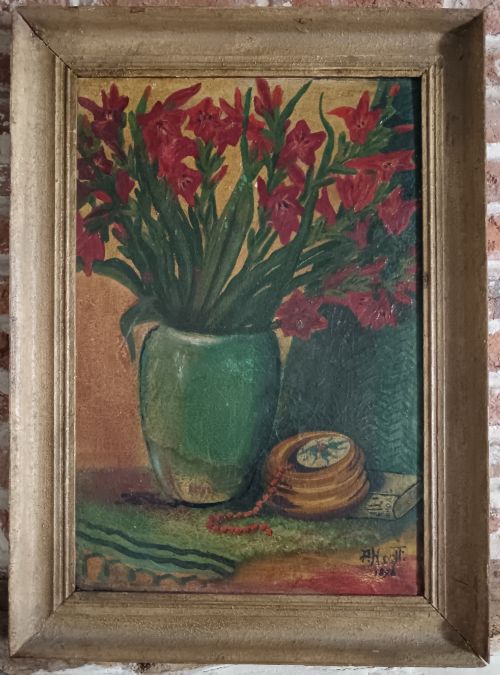
Oil paintings form a significant group, featuring still life studies of roses, carnations, and poppies rendered by impressionist and modernist painters. Canvas works capture flora within vases or natural settings through distinct brushwork.
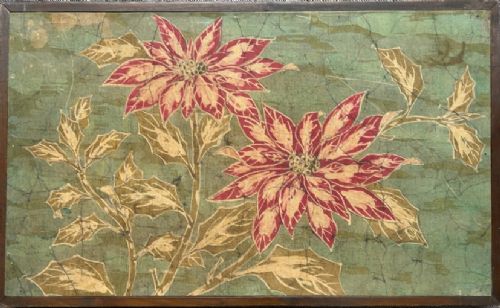
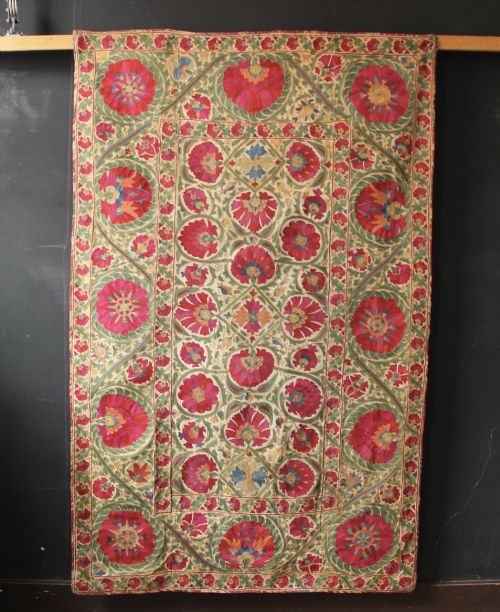
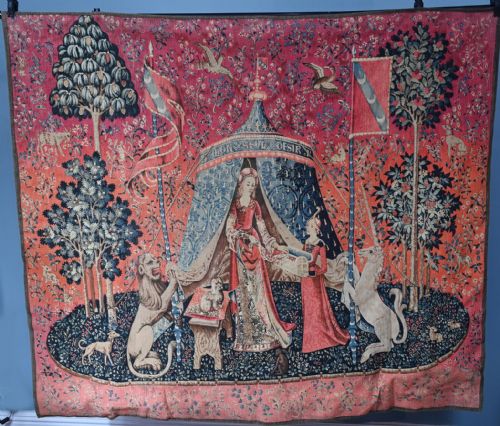
Textile examples introduce central asian suzanis and tapestries featuring floral motifs on red grounds, alongside batik panels. Decorative plates add ceramic interpretations of Japanese imari designs to the selection of wall hangings.
How they were made
Painters utilised oil paint and watercolour on canvas, metal, paper, and wood supports to build layered floral compositions. Textile artisans employed silk embroidery on cotton grounds, alongside woven tapestry techniques.
Wood serves as a foundation for carved temple panels and gilt frames, while porcelain provides the ceramic base for decorated plates. Makers applied manual stitching, brushwork, and carving to shape these varied materials.
The listings combine British and American impressionist canvases with Central Asian silk embroideries and Japanese porcelain plates.
What varies in quality
The sophistication of the brushwork and the harmony of the colour palette distinguish finer oil paintings from simpler decorative studies. Textural depth in embroidery and the precision of the loom work define the distinction in textile pieces.
Preservation of the original surface, whether canvas, silk, or wood, influences the integrity of each piece. Detail in composition and the clarity of the botanical motifs determine the standard of the workmanship.
Anton Weiss·Emma Fordyce MacRae·James Stuart Park·Henry D'Arcy Hart·Kershaw Schofield
The Red Floral Wall Art Glossary
- Suzani
- An embroidered tribal textile originating from Central Asia, typically featuring large floral motifs on a cotton or silk ground. These pieces were traditionally handcrafted as part of dowry furnishings.
- Imari
- A style of Japanese porcelain characterised by underglaze blue and overglaze red, gold, and black decoration. Plates in this tradition were widely exported to Europe.
- Oleograph
- A mechanical colour print textured to imitate an oil painting on canvas. This reproduction method became popular in the nineteenth and twentieth centuries.
- Gouache
- An opaque water-based paint that dries to a matte finish, allowing for flat areas of vibrant colour in botanical studies on paper.
- Still life
- An artwork depicting inanimate subject matter, frequently focused on cut flowers in vases or botanical arrangements.
Red Floral Wall Art: Frequently Asked Questions
How do I hang a textile suzani on the wall?
Textiles require careful mounting methods that distribute weight evenly across the fabric rather than piercing the material directly. Using a sleeve sewn to the back with a hidden rod provides a secure display.
Heavier tapestries and embroidered panels benefit from professional mounting onto padded boards covered in neutral fabric. This approach protects the fibres from tension damage over time.
What lighting suits an oil painting on canvas?
Oil paintings require indirect illumination to prevent heat damage and fading of the pigments over extended periods. LED picture lights mounted above the frame offer a cool light source.
Positioning pieces away from direct sunlight preserves the vibrancy of red floral pigments. Natural daylight shifts throughout the day, so steady ambient room lighting works best.
How do I distinguish an oil painting from an oleograph?
Examining the surface with a magnifying glass reveals the physical texture of brushstrokes in genuine oil paintings. Oleographs display a uniform mechanical dot pattern or a stamped canvas texture pressed into the ink.
Original paint shows raised ridges where the pigment was applied thickly by the artist. Printed reproductions remain flat to the touch regardless of how the surface appears visually.
How should I clean antique porcelain wall plates?
Ceramic plates need minimal intervention, relying on gentle dusting with a soft, dry brush to remove particles. Moisture should be avoided unless professional conservation is necessary.
Displaying plates on secure wall brackets prevents accidental slips while keeping the glazed surface accessible for maintenance. Harsh chemical cleaners strip the overglaze red and gold enamels.