


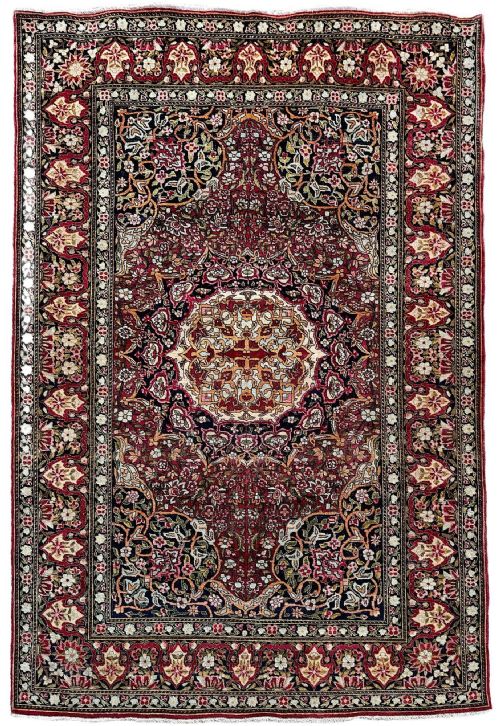
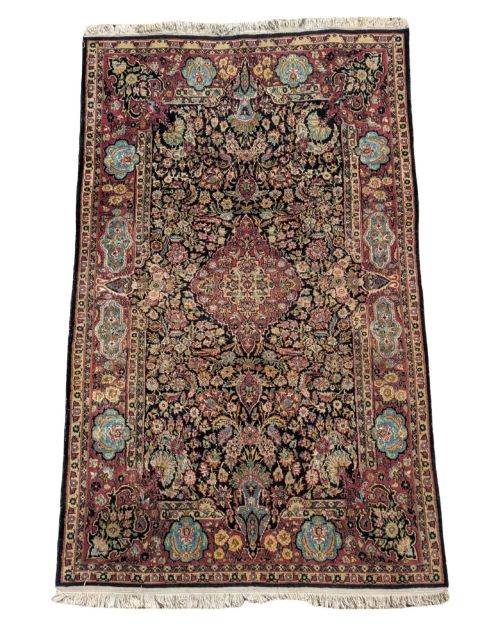
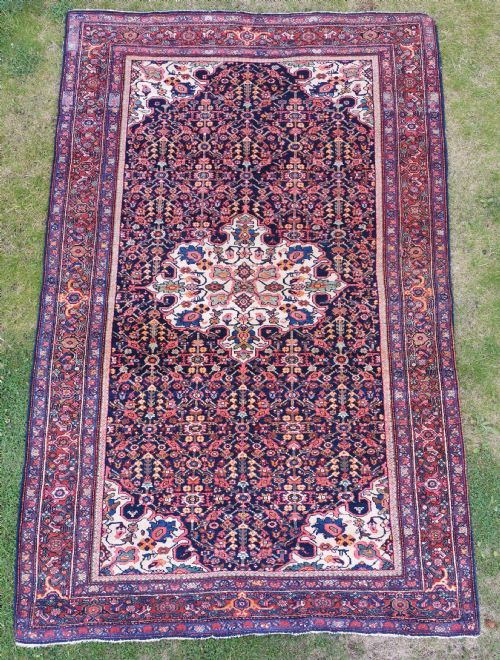
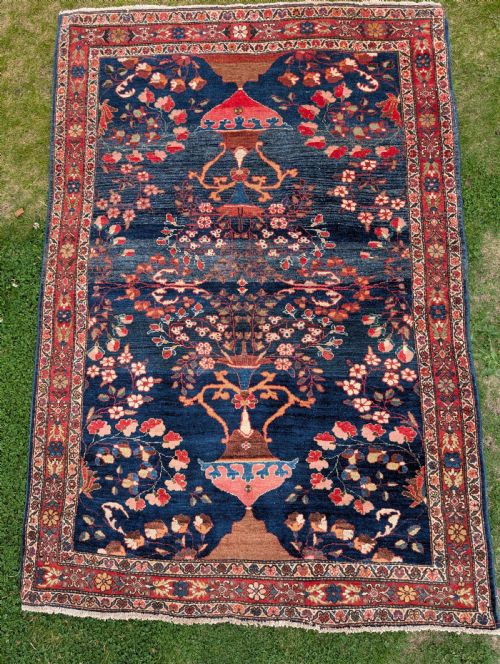
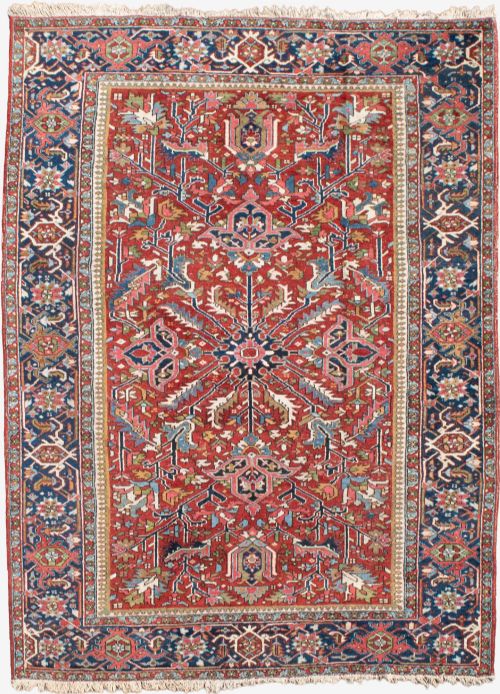
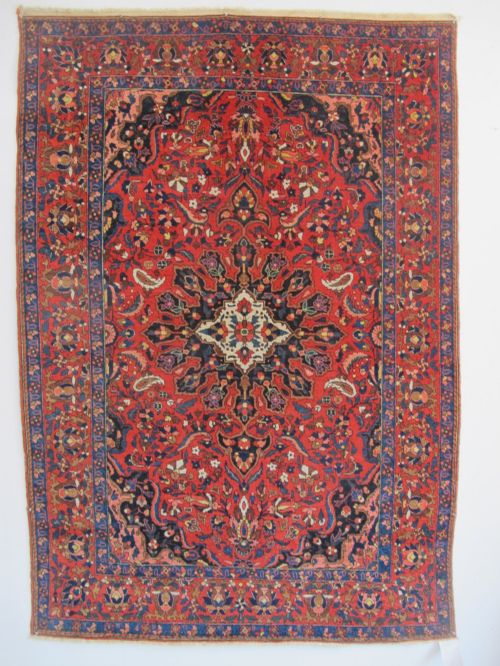
Red Floral Oriental Carpet
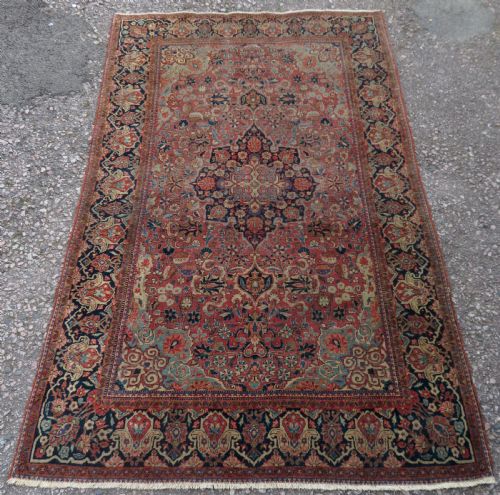
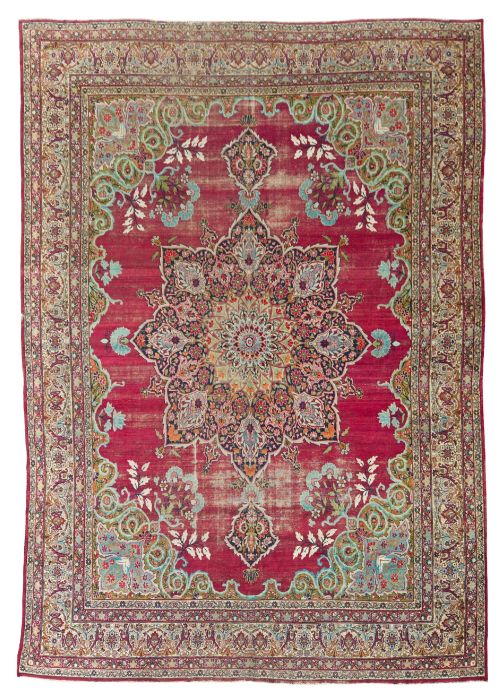
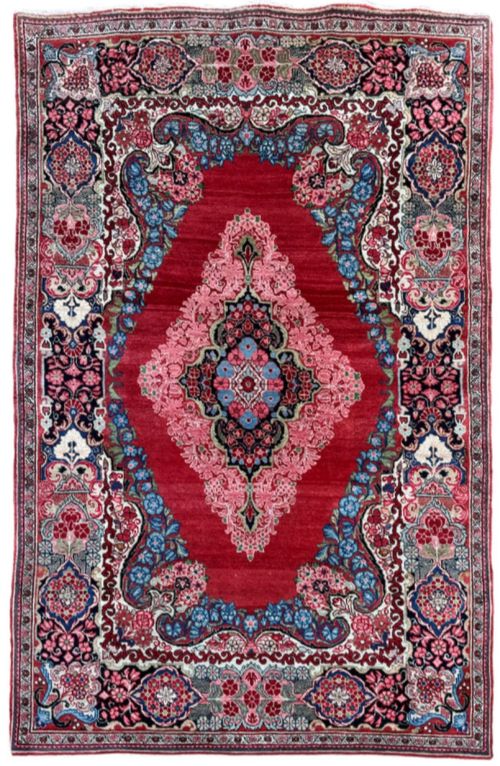
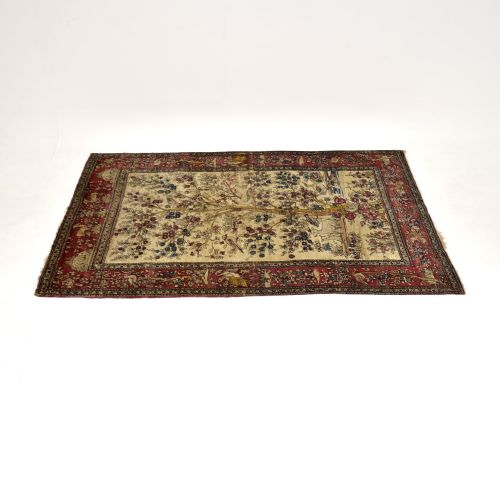
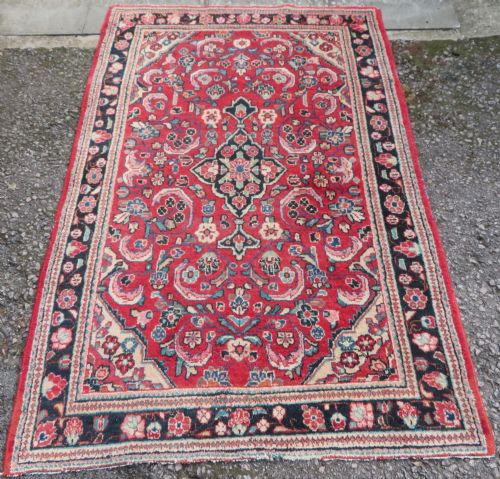
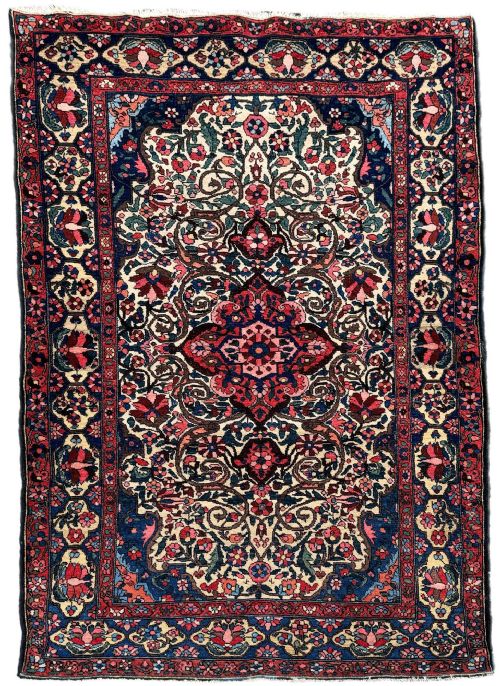
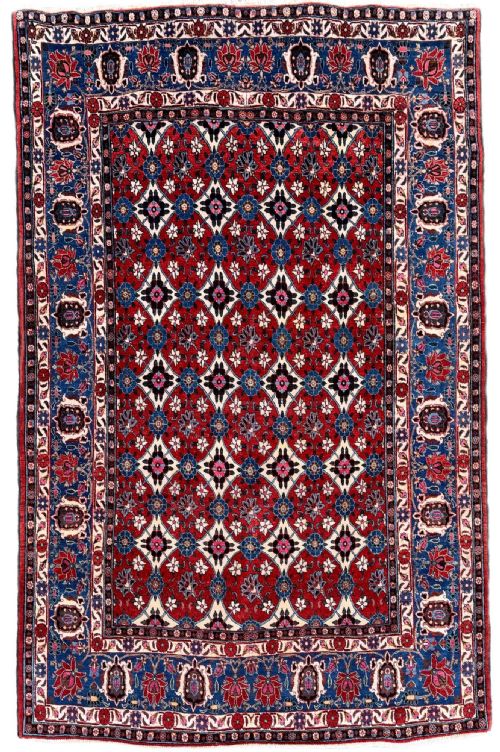
A red floral oriental carpet anchors a room with saturated madder tones and botanical motifs woven by hand over a century ago.
Red Floral Oriental Carpet
A red floral oriental carpet represents centuries of regional weaving traditions originating across Persia and the Caucasus, spanning periods from the mid-nineteenth century through the 1930s. When searching for a red floral oriental carpet, buyers encounter a variety of room-size carpets, large area rugs, and smaller village runners distinguished by characteristic botanical layouts.
Village and city workshops produced these floor coverings in distinct formats such as Heriz, Kashan, Bakhtiar, and Saroukh. The majority of pieces on this page reflect traditional Persian and Caucasian styling executed in room dimensions or smaller scatter formats.
Materials and construction
Weavers constructed these carpets using wool pile spun by hand, frequently set upon cotton foundations for structural stability. Certain finer city pieces incorporate silk highlights to accentuate intricate curvilinear floral designs.
Natural dye stuffs provided the saturated reds and complementary tones that define the palette. Skilled hands knotted the wool onto warps and wefts, creating dense floor coverings designed for enduring utility.
Current listings feature carpets and rugs spanning production dates from 1850 to 1940, utilising wool, cotton, and silk.
Distinctions in craftsmanship
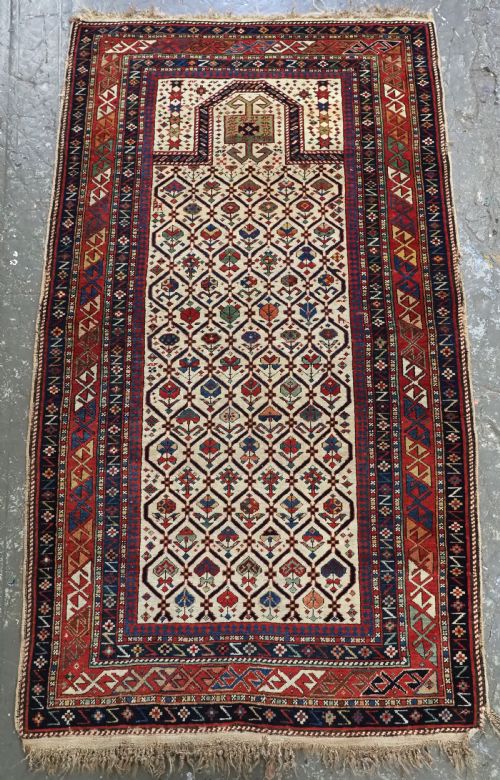
Knot density and precision of the curvilinear or geometric drawing separate standard village production from master workshop output. Finer examples display meticulous execution in complex floral lattices and prayer niches.
The choice of materials also dictates grading, where the inclusion of silk highlights or exceptionally lustrous wool elevates a rug above standard utility grades. Original proportions and balanced border designs indicate superior aesthetic planning by the weaver.
The Red Floral Oriental Carpet Glossary
- Pile
- The upright yarn loops that form the soft surface of the carpet. This layer takes the wear of footsteps while displaying the dyed floral motifs.
- Warp
- The stationary longitudinal threads stretched across the loom upon which the knots are tied. Cotton serves as the primary material for these structural elements.
- Weft
- The transverse threads passed horizontally between rows of knots to secure the pile in place. Proper tension here ensures the carpet maintains its rectangular geometry.
- Prayer Rug
- A specialised format featuring a mihrab or arch design at one end. Historically utilised for individual devotional use, these pieces display concentrated floral or lattice ornament.
Red Floral Oriental Carpet: Frequently Asked Questions
How do I care for an antique carpet?
Vacuum gently without a beater bar and keep the textile away from direct sunlight to protect natural dyes.
Rotate the rug periodically to ensure even wear patterns across high-traffic zones in the room.
Where were these carpets made?
These textiles originate from historic weaving centres across Persia and the Caucasus, including towns like Kashan, Heriz, and Saroukh.
Village workshops and urban ateliers each contributed distinct regional aesthetics and knotting techniques.
How do I determine the period?
Structural analysis of the foundation, dye palette, and stylistic traits helps narrow down the decade of production between the mid-nineteenth century and the 1930s.
Comparing knot types and design evolution against documented examples provides a reliable chronological benchmark.
Can I place a carpet in a hallway?
Longer formats and runners suit corridors well, provided they receive even foot traffic and a proper underlay.
Wool and cotton construction handles domestic environments effectively when protected from excessive moisture.