



Red Enamel Ceramic Dish
These red enamel ceramic dish examples bring together vibrant porcelain and earthenware traditions spanning centuries of Asian and European export production.
Red Enamel Ceramic Dish
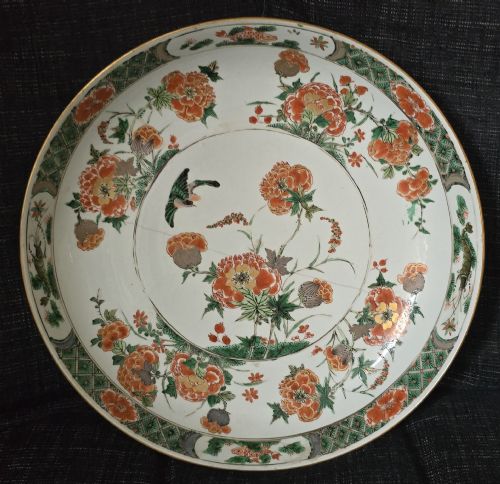
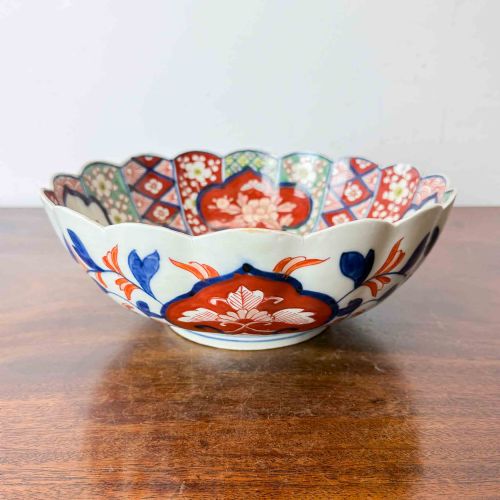
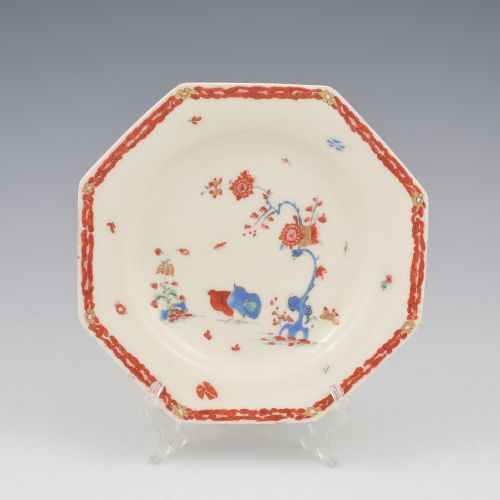
A search for a red enamel ceramic dish reveals an array of antique bowls, plates, and chargers originating from various periods including the seventeenth, eighteenth, and nineteenth centuries. The listings span multiple stylistic traditions such as Japanese Imari, Chinese Export, and Bow porcelain.
Buyers are most likely to encounter pieces finished with iron-red enamel, gold leaf, and cobalt blue across forms like shallow bowls, octagonal plates, and tea bowls. These items represent centuries of decorative tableware and display pieces created in workshops across Asia and Europe.
Materials and construction
The pieces listed utilise ceramic bodies including soft-paste porcelain and standard porcelain, combined with surface treatments such as glaze, gold gilt, and enamel. Artisans applied these materials by hand to create intricate patterns across plates and bowls.
Firing techniques allowed for the adherence of iron-red pigments alongside details in gold leaf. The interaction between cobalt blue underglaze and red enamel defines the palette of many items from this selection.
Red Enamel Ceramic Dish Retail Price Guide 2026
Typical asking prices for red enamel ceramic dish among the pieces listed under this phrase on Sellingantiques today, from the lower quarter to the upper quarter. They describe what is for sale here now, not the wider market.
Assessing the pieces
Differences in quality rest on the precision of the hand-painted decoration, the crispness of the enamel application, and the preservation of the porcelain body over time. Pieces featuring signed details or imperial marks often display greater artistic ambition.
The sophistication of the palette, particularly the balance between iron-red pigments and gilding, distinguishes standard production from finer examples. The integrity of the glaze and the complexity of the form further separate the items.
Shozo
The Red Enamel Ceramic Dish Glossary
- Imari
- A style of Japanese export porcelain characterised by a palette of underglaze blue, iron-red, and gold. This technique originated in Arita and gained popularity across Europe during the export period.
- Kakiemon
- A style of Japanese enamel decoration featuring asymmetrical designs of birds, flowers, and figures. The palette typically includes iron-red, yellow, blue, and turquoise.
- Aka-e
- Japanese ceramic decoration dominated by red enamel pigment. It appears frequently on pieces produced in the Arita region.
- Soft-paste porcelain
- A ceramic material composed of clay and glass frit, fired at lower temperatures than hard-paste porcelain. It was utilised by European factories such as Bow in the eighteenth century.
- Gilt
- Application of gold or gold leaf to the surface of ceramics for decorative enhancement. This finish often complements iron-red enamel details.
Red Enamel Ceramic Dish: Frequently Asked Questions
How do I date an antique porcelain dish?
Dating relies on stylistic markers, materials, and associated period characteristics noted in each listing. Pieces span from the seventeenth century to the twentieth century.
Changes in palette, such as the use of iron-red enamel alongside cobalt blue, help place items within specific eras like the Meiji period or eighteenth century.
What is Japanese Imari porcelain?
Japanese Imari porcelain refers to wares produced in Arita and exported through the port of Imari. These items typically feature distinct iron-red and cobalt blue decoration.
Such pieces often incorporate gilt details and appeared in European collections from the seventeenth century onwards.
How were these decorative bowls used?
These items served both functional and decorative purposes within domestic settings, ranging from tea service to display on tables and walls. Chargers and large bowls held food or acted as centrepieces.
Export pieces made in China and Japan were frequently collected by European households for display in reception rooms.
What does iron-red enamel look like?
Iron-red enamel is an opaque red pigment applied over the glazed ceramic surface before a secondary low-temperature firing. It provides a distinct rust-red tone.
On many pieces, this pigment combines with gold leaf and other enamel colours to create complex floral or geometric motifs.