




Octagonal Plate
An octagonal antique plate brings eight-sided geometry and centuries of craftsmanship straight to your table.
Octagonal Plate
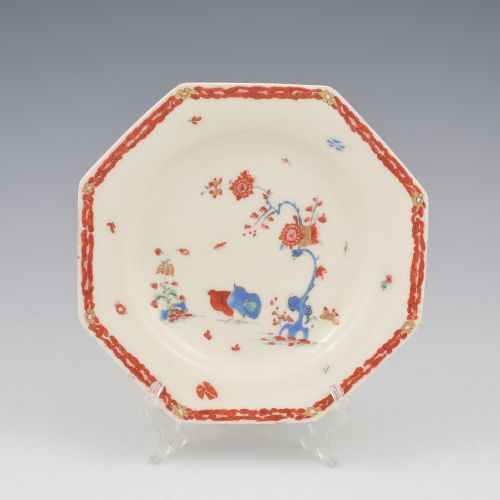
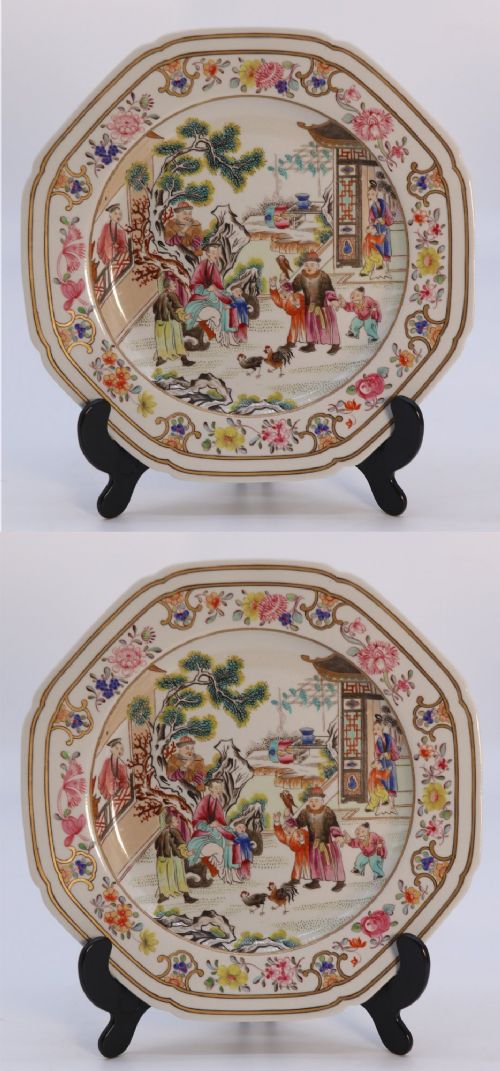
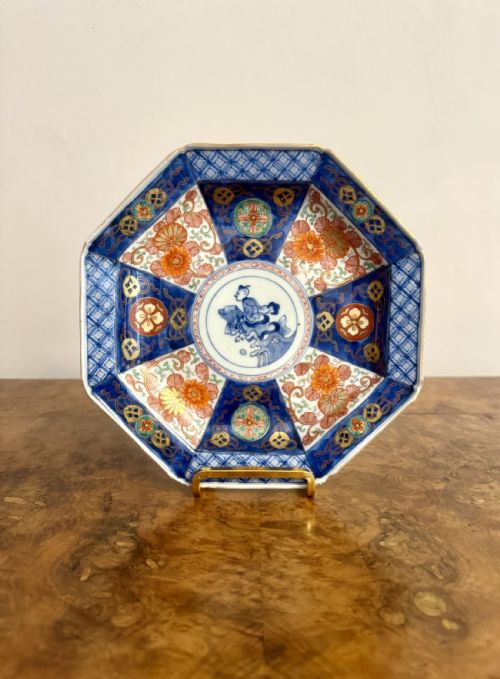
When you search for an octagonal antique plate, you encounter items shaped with eight distinct sides rather than standard circles. These pieces emerge primarily from eighteenth and nineteenth-century ceramic and metal traditions.
The selections span delicate soft-paste porcelain decorated in Eastern palettes, ironstone meant for heavy use, and tin-glazed earthenware. Makers shaped these items to serve food or display armorial designs in dining rooms.
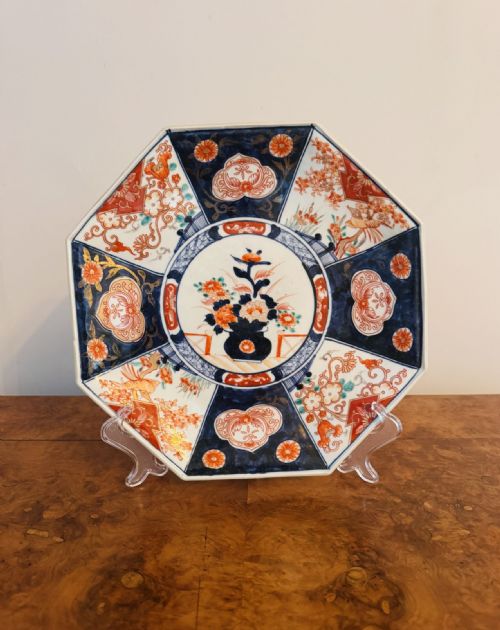
You frequently meet porcelain examples featuring Kakiemon bird motifs alongside blue and white glazed earthenware pottery. Each object reflects the distinct aesthetic preferences of periods ranging from Georgian elegance to Victorian production.
Materials and Techniques
Potters and metalsmiths shaped these items using foundational materials like porcelain, earthenware, and silver plate over wood or copper cores. Artisans formed ceramic bodies by throwing or pressing clay into eight-sided moulds before firing.
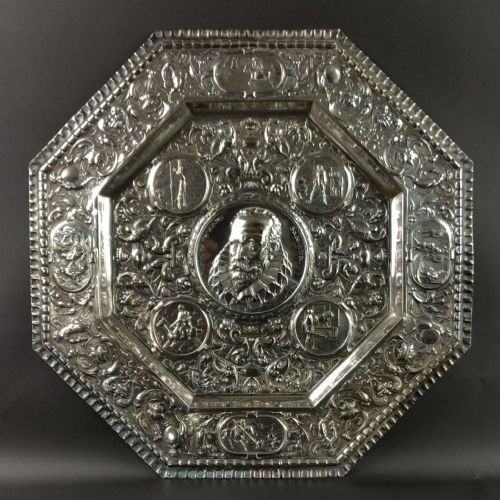
Painters applied enamel, gold leaf, and cobalt blue glazes by hand directly onto the biscuit or glazed surfaces. Metal workers utilised repoussé techniques to hammer intricate designs into chargers and trays.
Octagonal Plate Retail Price Guide 2026
Typical asking prices for octagonal plate among the pieces listed under this phrase on Sellingantiques today, from the lower quarter to the upper quarter. They describe what is for sale here now, not the wider market.
Miguel De Cervantes finds himself immortalised in hammered metal on a nineteenth-century charger.
Judging Quality and Execution
Superior examples display crisp, well-defined eight-sided angles and hand-painted details that retain sharp outlines and rich colour saturation. Inferior pieces often show blurred transfer printing, uneven glaze pooling, or worn plating.
The prestige of the workshop and the complexity of the armorial or pictorial composition heavily influence the standing of a piece. Skilled hand-brushing on porcelain separates fine cabinet items from standard utility wares.
Bow Porcelain·Spode Stone China·Helena Wolfsohn·Brameld and Co·J B Chatterley and Sons·Lee and Wigfull·Wedgwood·KPM Berlin
The Octagonal Plate Glossary
- Armorial
- Bearing a coat of arms or heraldic insignia. These plates were often commissioned by prominent families.
- Kakiemon
- A style of Japanese enamelled porcelain featuring asymmetrical designs of birds and flowers. It heavily influenced European factories.
- Repoussé
- A metalworking technique where the artisan hammers the design from the reverse side to create a raised relief. This creates tactile depth on chargers and trays.
- Ironstone
- A durable type of heavy earthenware patented in the nineteenth century. It resists chipping better than standard porcelain.
- Delftware
- Tin-glazed earthenware typically decorated in blue on a white background. It mimics Chinese porcelain imports of earlier centuries.
Octagonal Plate: Frequently Asked Questions
How were octagonal antique plates used?
These items served functional roles at dining tables for meat or soup courses, alongside display duties in cabinets. Wealthy households utilised armorial versions to display family lineage and status during formal dinners.
Over time, many transitioned from daily dining utensils to decorative cabinet pieces showcased on walls or plate racks. Their distinct geometry added visual variety to traditional round table settings.
How do I date an octagonal plate?
Dating relies on identifying the material composition, maker marks stamped on the reverse, and painting styles. Eighteenth-century examples often feature hand-painted oriental motifs on soft-paste porcelain or tin glaze.
Nineteenth-century items frequently employ ironstone or transfer-printed patterns associated with Victorian and Georgian production. Examining the foot ring and glaze characteristics also clarifies the period of manufacture.
Are these plates safe for daily dining?
Most antique ceramic and silver-plated items are best reserved for display or light occasional use rather than heavy daily dining. Historic glazes and soft metal surfaces can scratch or degrade with modern dishwashers and cutlery.
Hand washing with mild soap preserves the delicate enamel work and gold leaf details. Preserving the surface ensures the painted patterns and armorial crests remain intact for future generations.
How do I display an octagonal plate?
Displaying these items involves using plate hangers lined with protective material to secure the eight-sided rim safely against a wall. Alternatively, sturdy wire display stands allow them to sit securely on mantelpieces or inside glass cabinets.
Keeping them away from direct sunlight prevents the enamel colours and gold leaf accents from fading over time. Proper placement highlights the geometric angles of the rim.