


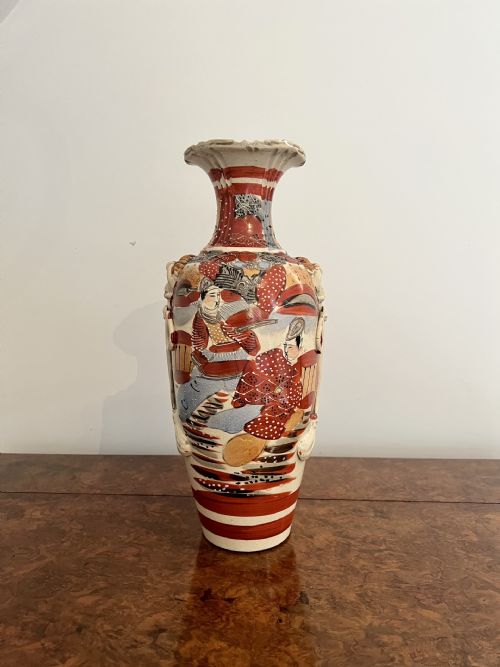


Red Earthenware Ceramic Vases
These red earthenware ceramic vases bring rich, tactile warmth to a room through centuries of international kiln traditions.
Red Earthenware Ceramic Vases
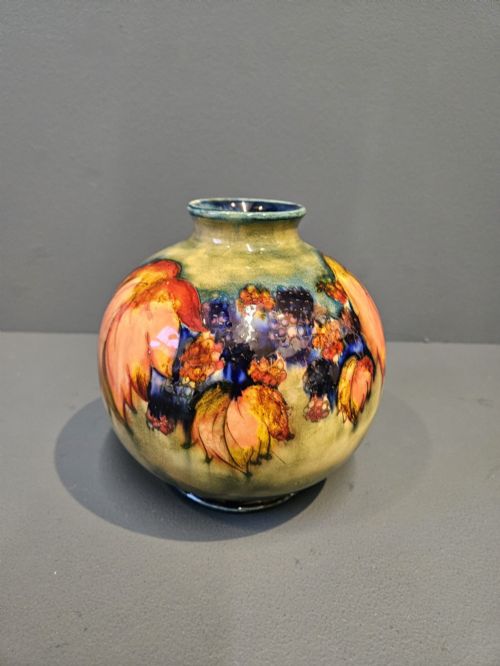
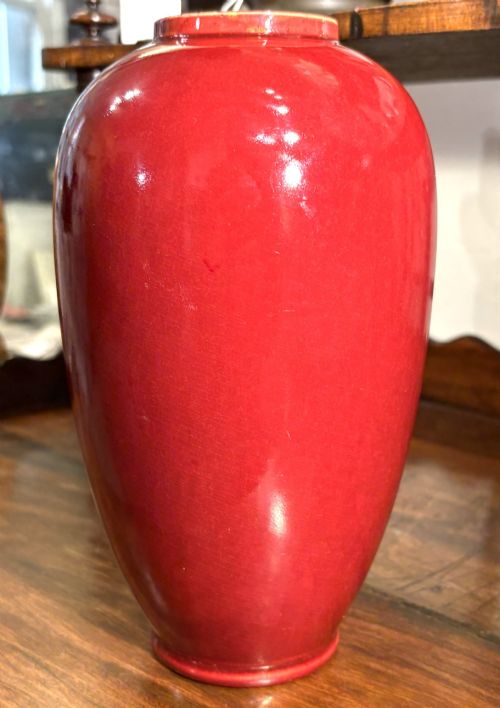
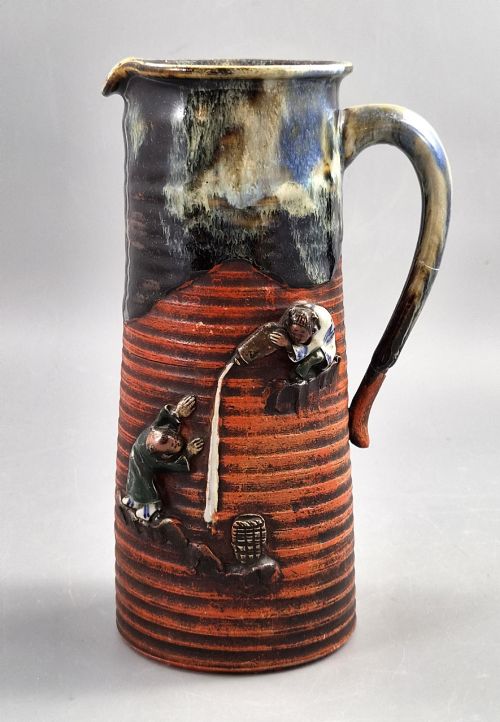
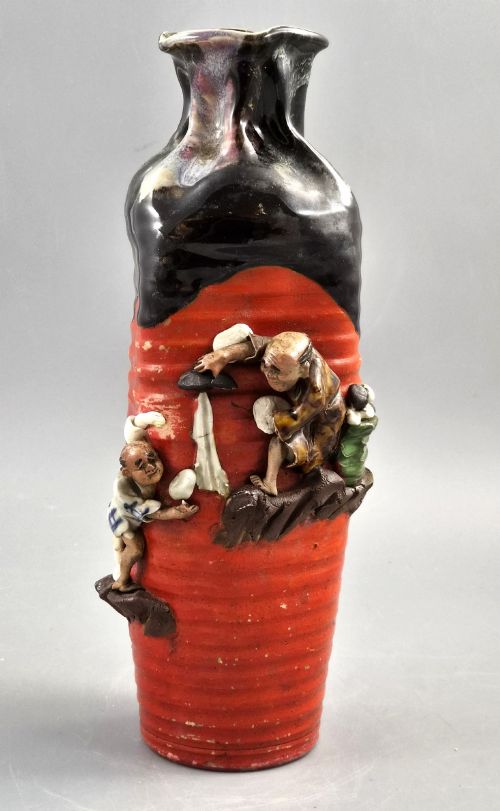
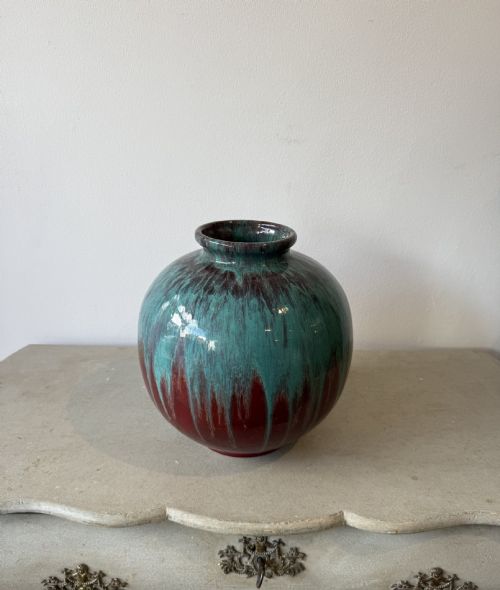
When you search for red earthenware ceramic vases, you encounter a global mix of forms spanning the nineteenth and early twentieth centuries. The selection encompasses English art pottery, Japanese red clay wares, and French studio pieces alongside Chinese pottery.
Vases dominate the offerings, accompanied by pitchers, jugs, urns, and spill holders. These utilitarian and decorative vessels showcase diverse regional aesthetics ranging from Victorian Chinoiserie to Meiji period creations.
Materials and construction
The foundation of these vessels relies on red clay, terracotta, and earthenware bodies shaped by hand or on the wheel. Artisans then applied ceramic glazes, enamel, or left surfaces in their raw, textured state.
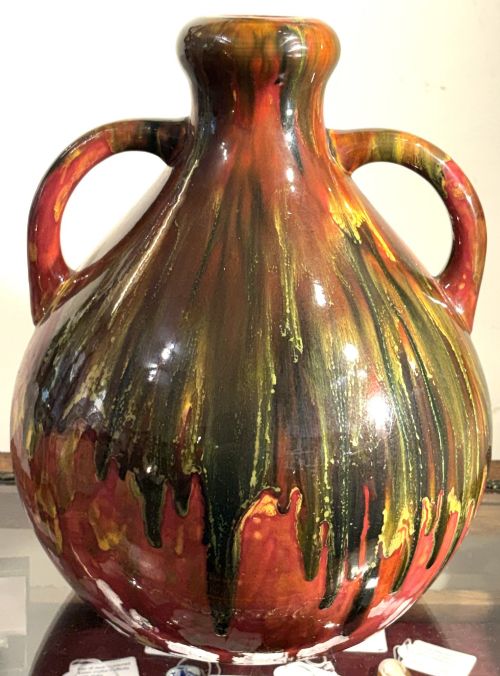
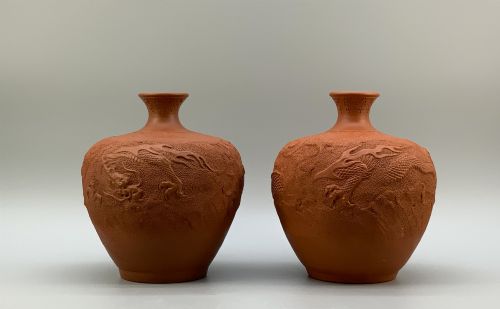
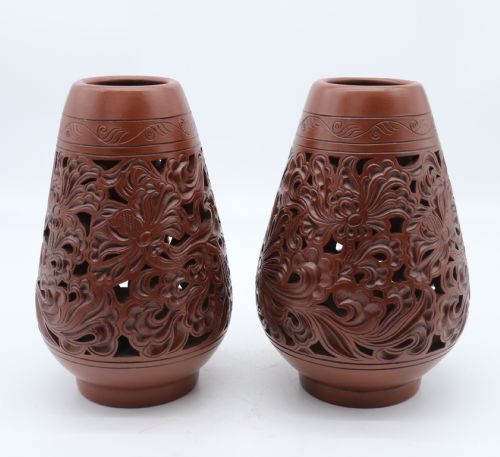
Techniques varied from reticulated carving and applied figural relief work to fluid glaze drips and intricate painted Chinoiserie decoration. Workshops utilised local clays fired at varying temperatures to achieve characteristic porous or semi-vitrified bodies.
Red Earthenware Ceramic Vases Retail Price Guide 2026
Typical asking prices for red earthenware ceramic vases among the pieces listed under this phrase on Sellingantiques today, from the lower quarter to the upper quarter. They describe what is for sale here now, not the wider market.
Dragons and phoenixes coil around Japanese red clay vases, keeping a fierce watch over distant mantelpieces.
Assessing quality and execution
Quality rests upon the crispness of applied sculptural elements and the intentionality of the glaze application. Master workshops achieved balanced forms with confident, fluid detailing that lesser productions lacked.
The tactile quality of the body and the integration of surface decoration dictate the standing of a piece. Superior examples display precise control over firing processes and decorative depth.
Burmantofts·Inoue Ryōsai·Moorcroft·Macintyre And Co
The Red Earthenware Ceramic Vases Glossary
- Earthenware
- Porous pottery fired at relatively low temperatures which requires glazing to hold liquids. It forms the primary body material for many historical decorative vessels.
- Terracotta
- Unglazed or fired red clay showing a natural porous reddish-brown matte surface. It is commonly utilised for sculptural and ornamental vessels.
- Reticulated
- Decorated with an openwork pattern created by cutting through the clay wall before firing. This technique adds intricate textural depth to ceramic vessels.
- Spill holder
- A small ceramic container designed to hold wooden spills used for lighting fires or candles. These domestic objects often feature flat backs for placement on mantelpieces.
- Stoneware
- Dense, semi-vitrified ceramic fired at higher temperatures than earthenware. It offers increased durability and naturally resists liquid absorption.
Red Earthenware Ceramic Vases: Frequently Asked Questions
How do I care for antique earthenware?
Dust these ceramic pieces gently with a dry, soft cloth and avoid using water or cleaning solutions on porous surfaces.
Keep them away from damp environments to protect the historic clay body and any delicate exterior glazes or enamels.
Where were these ceramic vases made?
The pieces originate from various international ceramic centres including England, France, China, and Japan.
Each region brought distinct regional clays and decorative traditions to their respective studio and factory wares.
How can I tell the period?
Dating relies on stylistic markers such as Arts and Crafts motifs, Meiji period sculptural details, and Victorian forms.
Maker marks, glaze types, and clay characteristics further help place pieces within the nineteenth and early twentieth centuries.
Were these vessels used daily?
Many acted as decorative mantelpiece ornaments, flower holders, or specialised vessels for sake pouring and domestic tasks.
Their survival often depends on whether they served a purely ornamental role or underwent heavier utilitarian handling.