





Vintage Oriental Terracotta Vases
These vintage oriental terracotta vases bring distinct earthenware forms and rich Japanese Satsuma and Kutani aesthetics into modern rooms.
Vintage Oriental Terracotta Vases
When buyers search for vintage oriental terracotta vases, they encounter pieces spanning the nineteenth and early twentieth centuries, including Victorian examples alongside Meiji period creations. The selection on this page centres on Japanese earthenware and porcelain vessels, featuring regional types such as Kutani and Satsuma wares, as well as Tokoname red clay.
Forms vary from bulbous shapes and baluster silhouettes to paired decorative vases and repurposed lamp bases. Alongside these ceramic vessels, the listings encompass related forms including Persian Kashan carpets and silk rugs, demonstrating the diverse aesthetic range of the period.
Materials and construction
The construction relies upon traditional earthenware and porcelain bodies, shaped into vessels using regional throwing and moulding techniques. Artisans applied coloured glazes, enamel pigments, and lacquer over-paint directly onto the clay or porcelain surfaces.
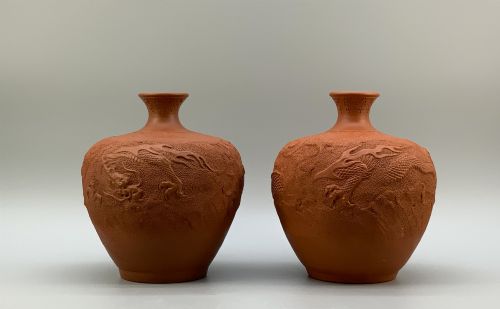
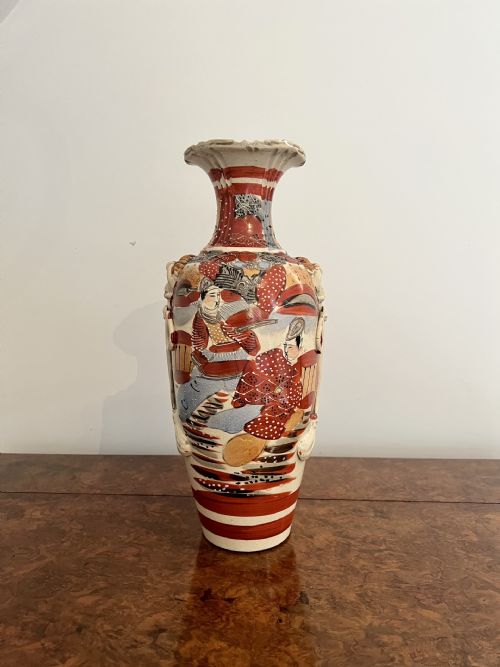
Surface ornamentation often includes hand-painted details, applied figures such as Karako motifs, and geometric inset panels. In certain pieces, red clay forms provide the structural base for detailed carved motifs depicting dragons and phoenixes.
Vintage Oriental Terracotta Vases Retail Price Guide 2026
Typical asking prices for vintage oriental terracotta vases among the pieces listed under this phrase on Sellingantiques today, from the lower quarter to the upper quarter. They describe what is for sale here now, not the wider market.
Assessing quality in these pieces
Quality reveals itself in the precision of the hand-painted brushwork and the clarity of applied figures, distinguishing accomplished studio work from standard production pieces. Finer examples display deliberate control over enamel application and balanced composition across the vessel body.
The integrity of the glaze and the crispness of modelled elements such as dragons and geometric panels indicate the level of craftsmanship involved. Pieces bearing maker signatures or showing distinct regional artistic traits hold greater visual depth.
Kōko
The Vintage Oriental Terracotta Vases Glossary
- Kutani
- A style of Japanese porcelain and pottery traditionally characterised by vibrant multi-coloured overglaze enamels. These pieces frequently incorporate intricate figurative scenes and botanical motifs.
- Satsuma
- A type of Japanese earthenware featuring an ivory-coloured, crackled glaze decorated with elaborate enamels and gilt. This ware became particularly popular for export during the Meiji period.
- Meiji Period
- The era in Japanese history spanning from eighteen sixty-eight to nineteen twelve, marked by extensive international trade and distinct artistic output. Pieces from this time often combine traditional techniques with new decorative ambitions.
- Tokoname
- A historic centre of Japanese pottery production known for unglazed red clay wares. Vessels from this tradition frequently display carved or applied wildlife and mythological subjects.
- Baluster
- A vase form characterised by a rounded body that tapers toward a narrow neck and flared rim. This silhouette provides a stable base for detailed surface decoration.
Vintage Oriental Terracotta Vases: Frequently Asked Questions
What defines a Meiji period vase?
Meiji period vases originate from Japan between eighteen sixty-eight and nineteen twelve, a time of significant artistic development and export. They often feature intricate hand-painted enamels, gilt work, and distinct regional styles.
These pieces reflect both traditional craftsmanship and the changing tastes of international collectors during the late nineteenth and early twentieth centuries.
How do Satsuma and Kutani differ?
Satsuma wares are known for their warm, ivory-coloured earthenware bodies and characteristic crackled glaze decorated with detailed enamels. Kutani pieces typically utilise a porcelain or denser ceramic base adorned with striking, multi-coloured overglaze designs.
Both styles originated in Japan but serve distinct aesthetic functions within interior decoration.
Can these vases be used for flowers?
While many vintage oriental terracotta and ceramic vases function primarily as decorative display pieces, certain glazed vessels can hold water. Consideration of the interior glaze condition helps determine suitability for fresh stems.
Many collectors prefer to display them empty or paired with dried botanicals to preserve the historic surface finishes.
How should I clean my antique vase?
Maintenance requires gentle dusting with a soft, dry cloth to protect delicate overglaze enamels, gilt, and lacquer work. Water and cleaning agents risk damaging aged porous clay and historic painted surfaces.
Keeping pieces out of direct sunlight preserves the vibrancy of the pigments over time.