




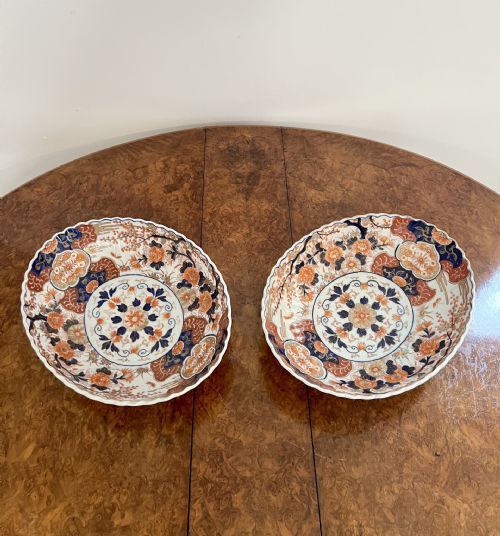


Red Cobalt Porcelain Bowl
A red cobalt porcelain bowl brings rich palette and deep historical craft into a room, offering striking visual weight.
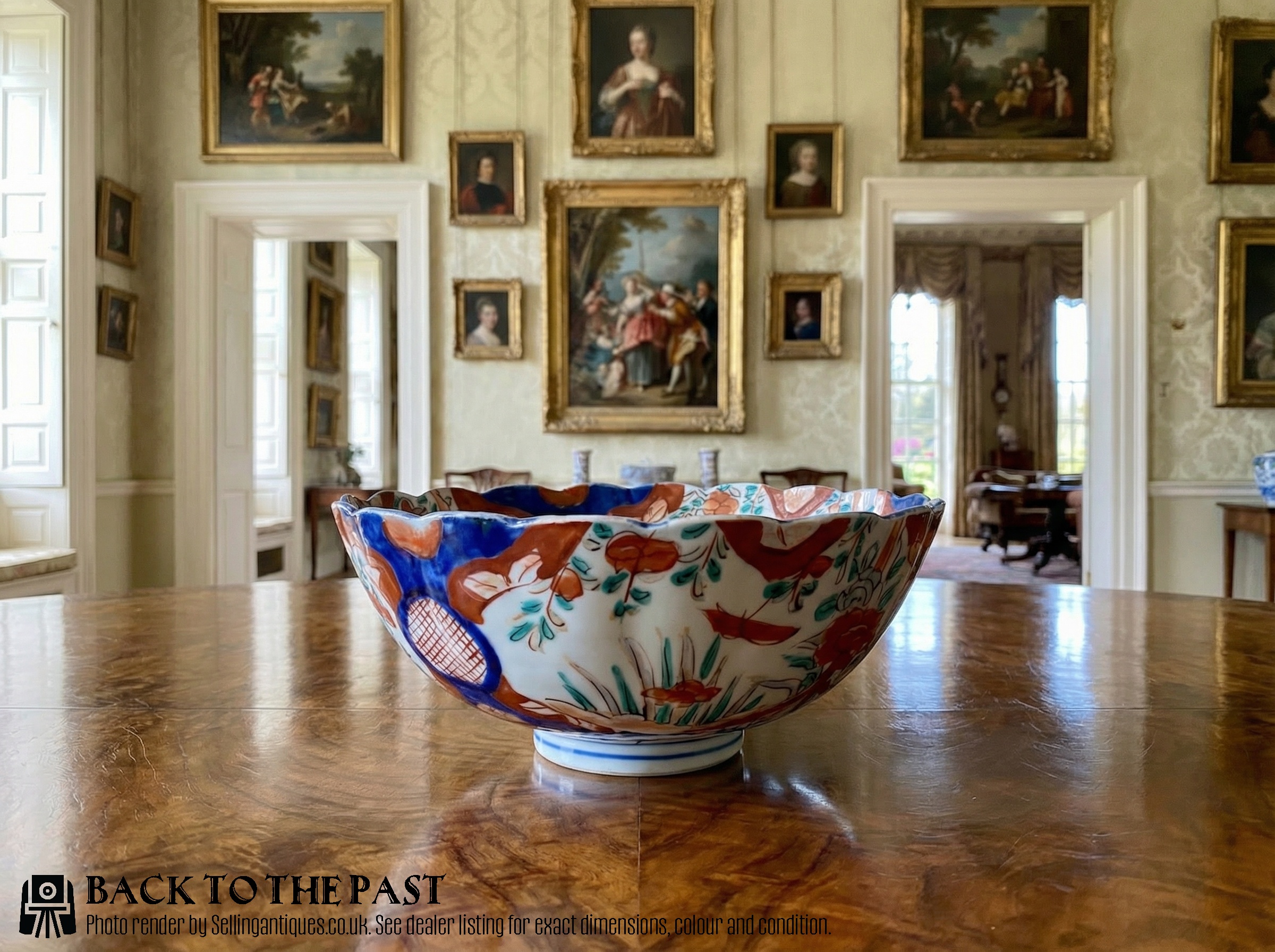
Red Cobalt Porcelain Bowl
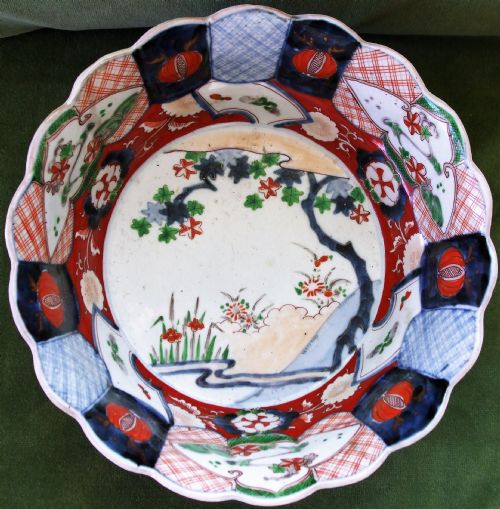
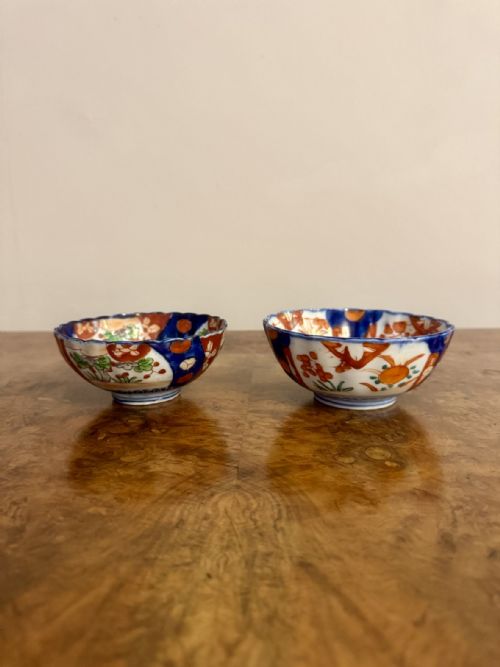
A red cobalt porcelain bowl centres on rich palettes and distinct ceramic forms, drawing heavily on traditional Japanese Imari patterns and export designs. Buyers seek these pieces for their vibrant painted surfaces and decorative utility.
The selections span the eighteenth, nineteenth, and early twentieth centuries, encompassing periods from the Edo and Meiji eras through Georgian, Victorian, and Edwardian British interpretations. Forms range from deep bowls and shallow dishes to comports, jardinieres, and tea sets.
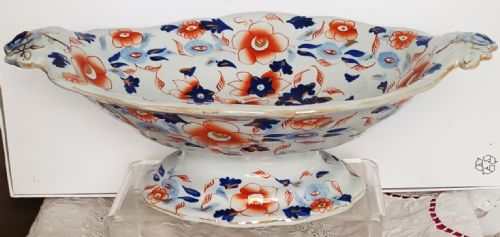
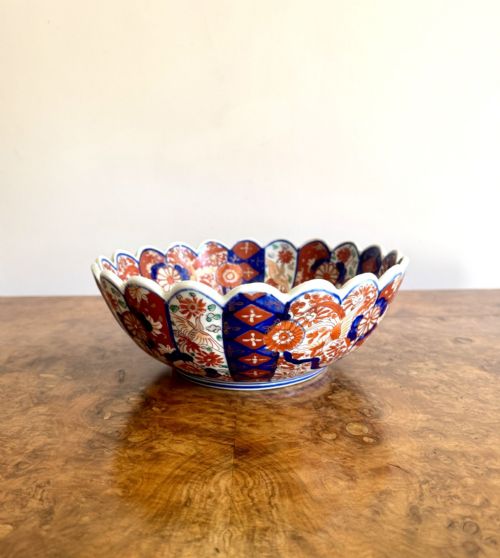
Scalloped edges, fluted sides, and hexagonal shapes appear frequently among the pieces, alongside boat-shaped dishes and decorative display plates. These variations provide diverse options for tabletop display and cabinet collection.
Materials and production methods
Potters formed these pieces using hard-paste ceramic and ironstone, shaping porcelain bodies into balanced vessels before firing. The material provides a durable foundation capable of holding detailed surface decoration.
Decoration relied on underglaze blue cobalt and overglaze enamel colours, frequently enriched with gold leaf, gilt, and gilding. Artisans applied pigments by hand to create intricate patterns across the ceramic surface.
Listings feature porcelain, ironstone, and enamel materials spanning the eighteenth century through the Edwardian period.
Assessing quality in red cobalt porcelain
Quality rests in the precision of the hand-painted decoration and the crispness of moulded edges such as scallops and flutes. Superior examples exhibit tightly controlled brushwork and rich application of enamel and gilding.
The refinement of the porcelain body and the balance of the shape distinguish finer pieces from standard domestic wares. Greater age and complex multi-part forms, including footed comports and jardinieres, indicate higher tier production.
The Red Cobalt Porcelain Bowl Glossary
- Imari
- A style of Japanese porcelain originating from Arita and exported through the port of Imari, traditionally characterised by a palette of underglaze blue, iron red, and gilt. This aesthetic influenced both Asian production and European imitation wares.
- Comport
- A decorative footed dish or bowl raised on a pedestal, designed for serving fruit or sweets on a formal dining table. These elevated vessels add architectural height to a display.
- Jardiniere
- A large ornamental pot or bowl used to hold plants or flowers, often finished with detailed painted decoration. They serve as substantial focal points in room interiors.
- Ironstone
- A type of heavy, durable ceramic developed in Britain as a robust alternative to porcelain. It accepts enamels and gilding effectively while offering high resistance to daily wear.
Red Cobalt Porcelain Bowl: Frequently Asked Questions
What is an Imari bowl?
An Imari bowl is a ceramic vessel decorated in a traditional palette combining blue cobalt underglaze with iron red and gold overglaze. The style originated in Japan during the Edo period and gained immense popularity in Europe.
These pieces were produced for both domestic use and export markets, featuring distinctive patterning that often covers the entire interior and exterior surface.
How do I date a porcelain bowl?
Dating relies on examining the characteristics of the ceramic body, the style of the hand-painted decoration, and any associated historical periods like the Meiji or Victorian eras. Form details such as scalloped edges or ironstone composition offer further clues.
Comparison with documented examples from the eighteenth and nineteenth centuries helps narrow the period of manufacture.
Where were these bowls displayed?
Historical interiors utilised these bowls on dining tables as comports or centrepieces, on sideboards, and within display cabinets. Their vibrant colours made them natural focal points for interior decoration.
Today, collectors place them on open shelving, coffee tables, or use them as functional display dishes in living spaces.
What is ironstone china?
Ironstone china is a dense, durable ceramic material patented in nineteenth-century Britain to provide a tough alternative to delicate porcelain. It combines clay, feldspar, and slag to create a sturdy body.
Pieces made from ironstone frequently carry rich transfer-printed or hand-coloured designs, including Japanese-inspired motifs.