

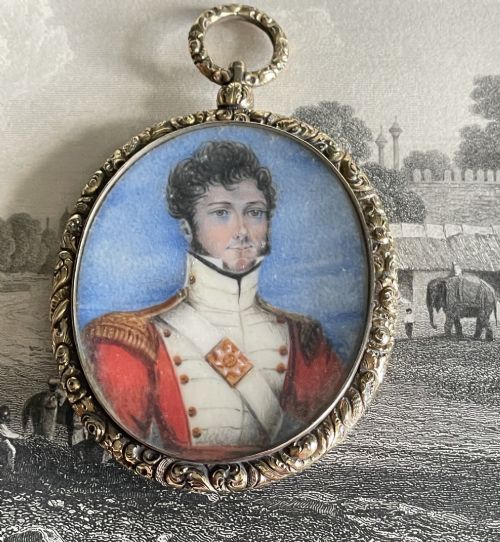


Red Coat Military Painting
A red coat military painting captures the striking uniforms and commanding presence of officers and soldiers from centuries past.
Red Coat Military Painting
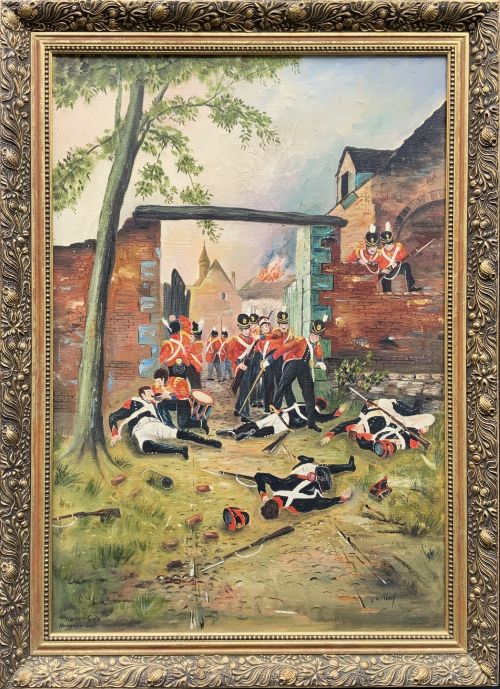
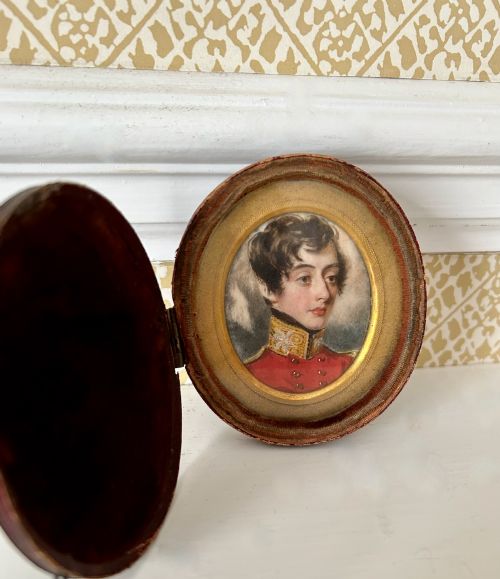
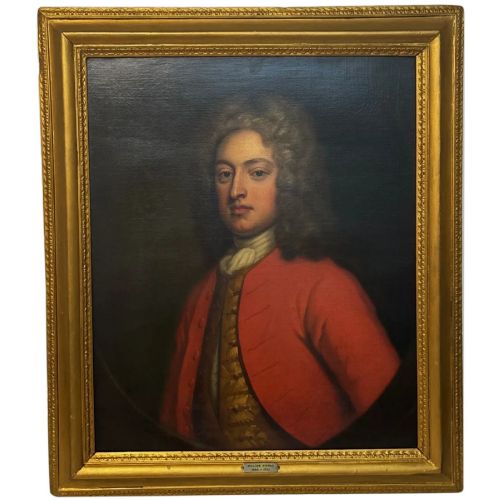
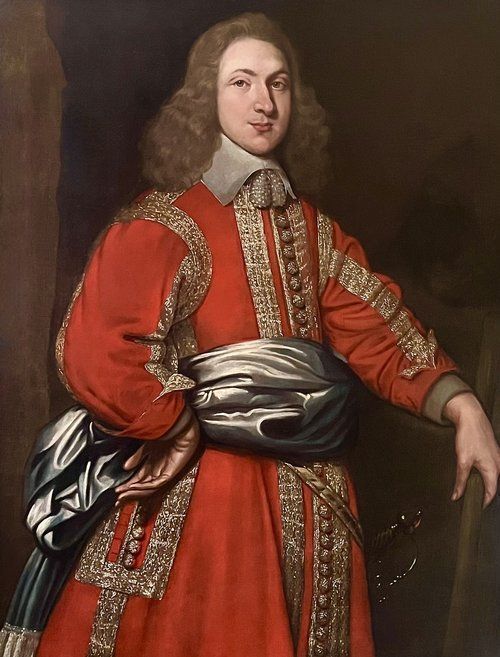
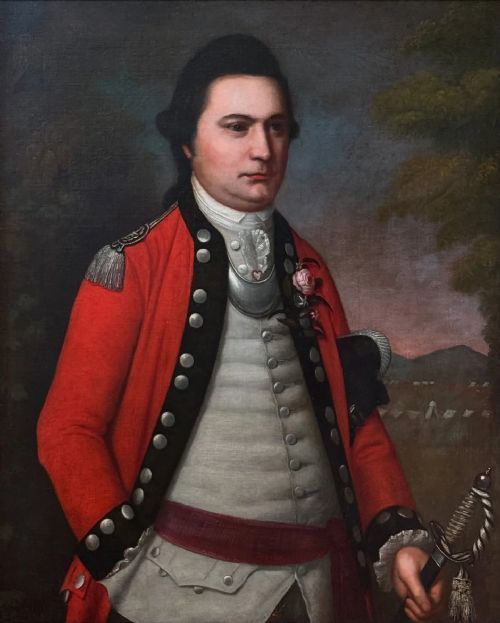
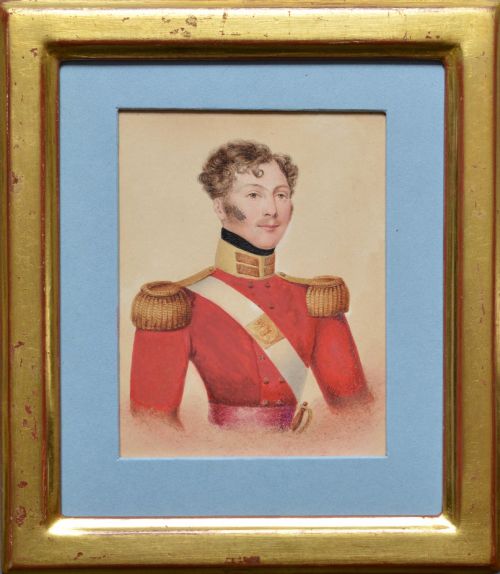
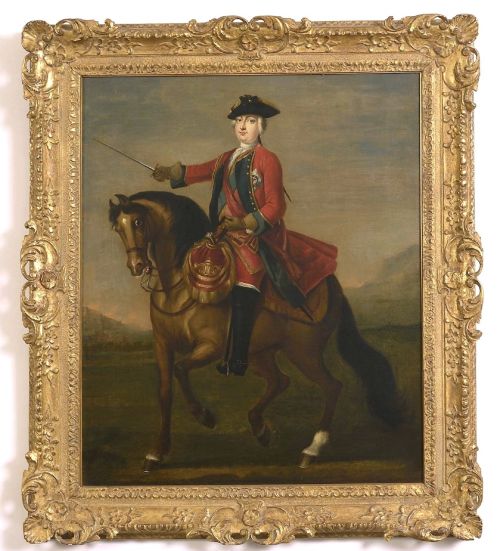
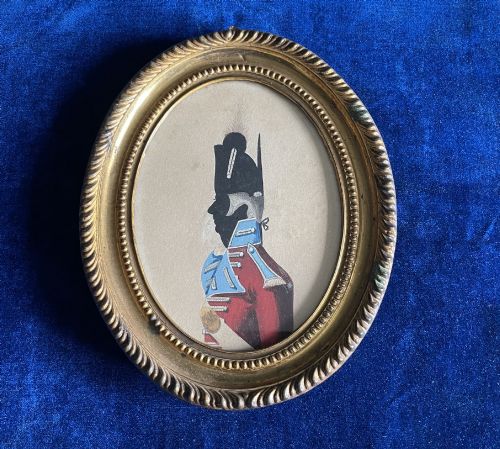
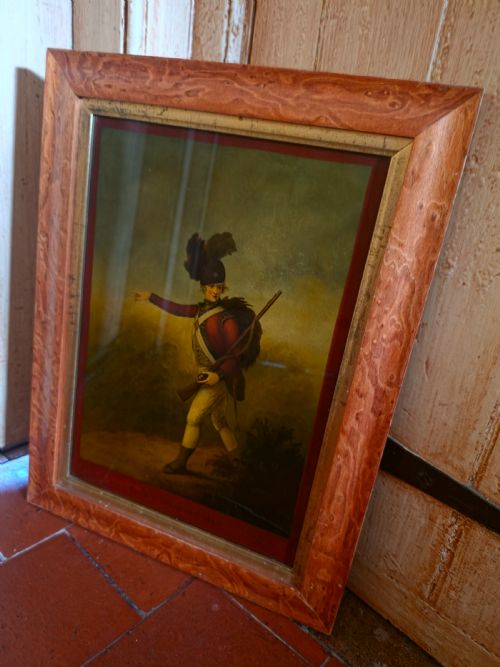
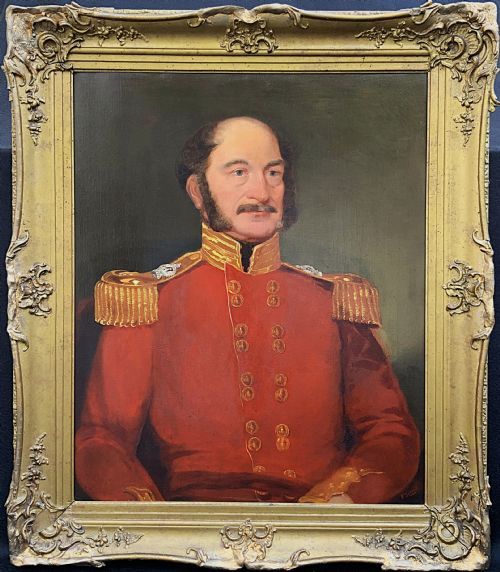
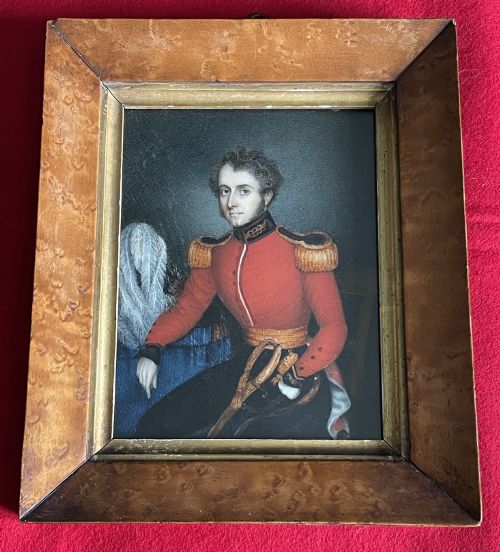
A red coat military painting depicts officers and enlisted men in historic British uniforms, spanning from the seventeenth century through the Victorian era. These works range from large oil portraits on canvas to intimate portrait miniatures and reverse glass pictures.
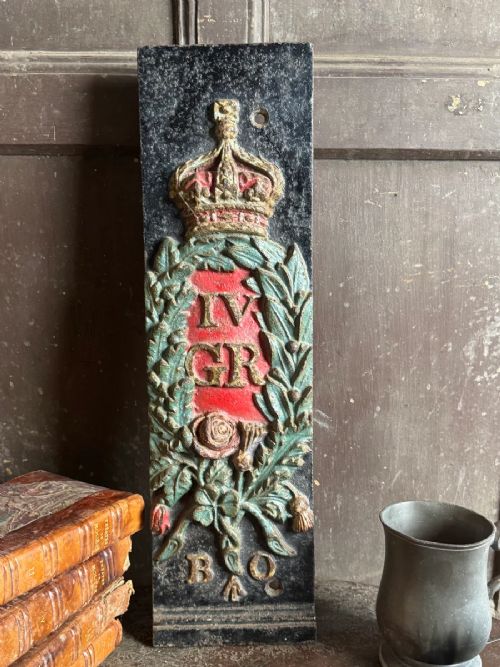
The selections on this page concentrate heavily on eighteenth and nineteenth-century officer portraits, alongside regional depictions from the Madras Presidency and Anglo-Indian services. Alongside canvas works, buyers encounter painted cast iron plaques and watercolour studies detailing specific regiments.
How they were made
Artists relied primarily on oil on canvas and delicate watercolour on paper to record the likenesses of military figures. Pigments were applied to capture the vivid scarlet of the coats, often contrasted against dark backgrounds or detailed campaign settings.
Framing and support materials include traditional giltwood frames, glass protection for miniatures and reverse glass pictures, and occasionally heavy cast iron for architectural plaques. These physical components reflect the standard studio and decorative practices of the Georgian and Victorian periods.
Red Coat Military Painting Retail Price Guide 2026
Typical asking prices for red coat military painting among the pieces listed under this phrase on Sellingantiques today, from the lower quarter to the upper quarter. They describe what is for sale here now, not the wider market.
Listings feature works spanning the seventeenth, eighteenth, and nineteenth centuries, utilising oil, watercolour, and giltwood.
What varies in quality
The distinction between standard commercial portraiture and superior works lies in the precision of the uniform details and the psychological depth of the sitter. Master hands render lace, medals, and regimental facings with crisp accuracy, whereas lesser works treat the uniform generically.
Provenance and documentation heavily influence the standing of a piece, particularly when the sitter and regiment are clearly identified. Works attributable to named artists or specific historical campaigns carry greater documentary weight than anonymous provincial portraits.
Stickland Lowry·John Wootton·Thomas Hudson·Henry Walton·Sir William John Newton·George Duncan Beechey·Sir Richard Westmacott·Gerrit Schipper·Gilbert Scott Wright
The Red Coat Military Painting Glossary
- Oil on canvas
- Pigments bound in a drying oil applied to a stretched woven fabric support. This traditional medium allowed artists to build rich layers of colour and texture for formal military portraits.
- Portrait miniature
- A small, highly detailed painting executed on paper, card, or ivory, often housed behind protective glass. These intimate works were typically commissioned to be carried or worn close to the heart.
- Giltwood
- Timber carved and coated with a thin layer of gold leaf or gold paint. It provides the ornate, reflective borders common in period frames.
- Reverse glass picture
- An image painted directly onto the back of a glass panel so that the final composition is viewed through the front. This technique produces a characteristic smooth, glossy finish.
- Folk art
- Creative work produced by self-taught or provincial makers outside the academic tradition. These pieces emphasise expressive charm over strict anatomical or proportional correctness.
Red Coat Military Painting: Frequently Asked Questions
How do I identify the regiment?
Look closely at the collar facings, lace patterns, and any visible cap badges or shoulder belt plates depicted in the paint. Contemporary inscriptions on the canvas or frame often record the soldier's name and unit.
Cross-referencing these visual clues with military archives helps confirm the specific regiment and campaign era of the sitter.
What is a reverse glass picture?
A reverse glass picture involves painting the subject directly onto the rear surface of a glass pane, working backward from the foreground details to the background.
When turned over and viewed from the front, the glass imparts a brilliant sheen and protects the pigment from atmospheric dirt.
Are portrait miniatures original?
Period portrait miniatures were hand-painted individual commissions rather than mass-produced prints. Each piece displays distinct brushwork and subtle variations unique to the artist.
Examining the housing, backing paper, and seals helps establish authenticity and date the miniature correctly.
Where should I hang these?
Oil paintings and watercolours require stable environments away from direct sunlight and excessive humidity to preserve the canvas and paper. Displaying them on interior walls maintains the integrity of the pigments and gilt frames.
Lighting should be indirect to prevent fading of the delicate reds and blues found in historic uniforms.