





Red Ceramic Charger Plate
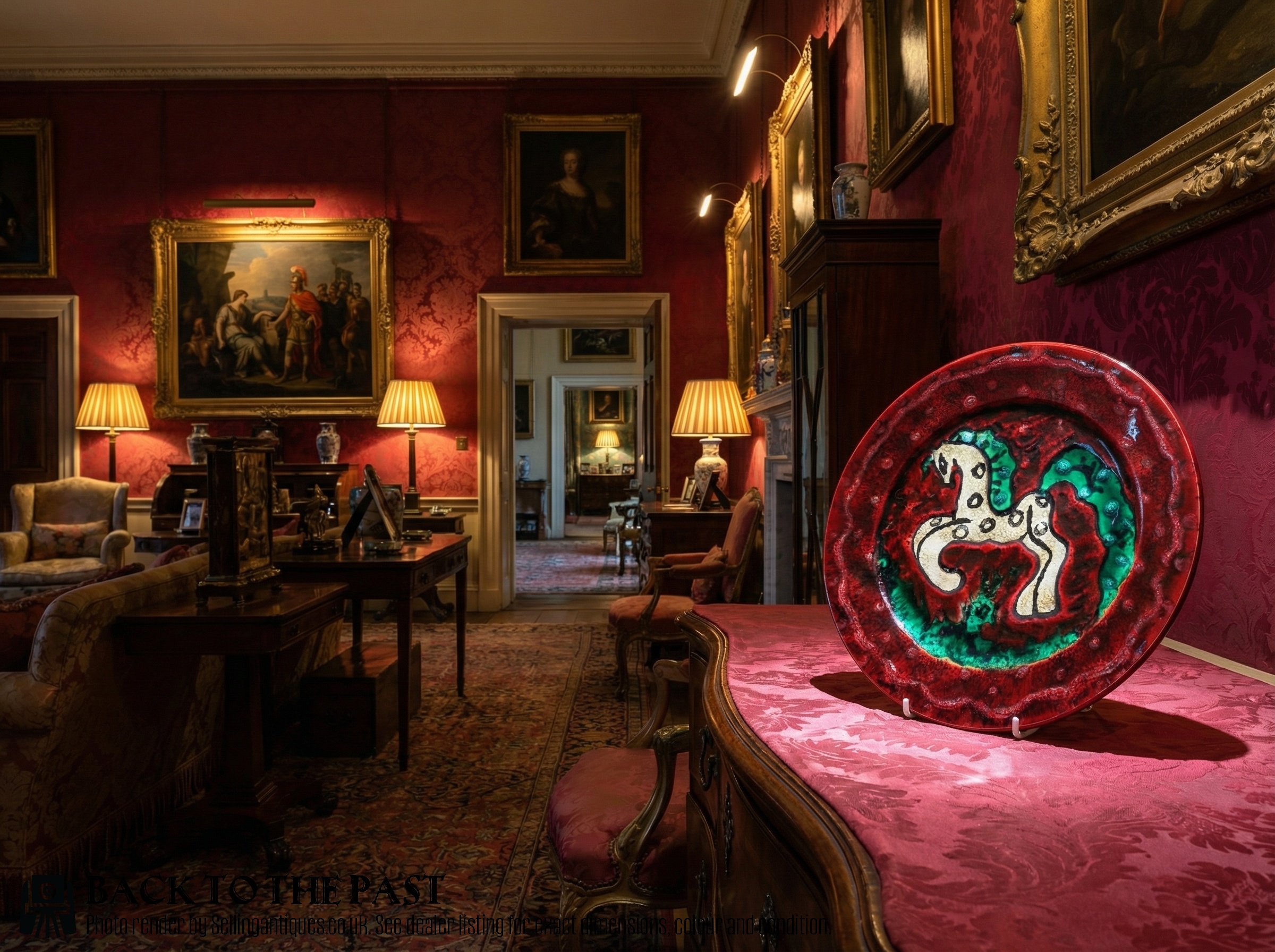
A red ceramic charger plate brings rich colour and traditional hand-painted detail to a room, drawing the eye instantly to its bold display.
Red Ceramic Charger Plate
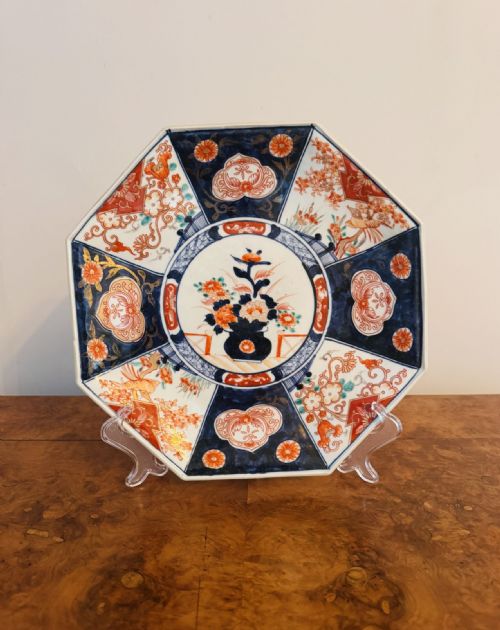
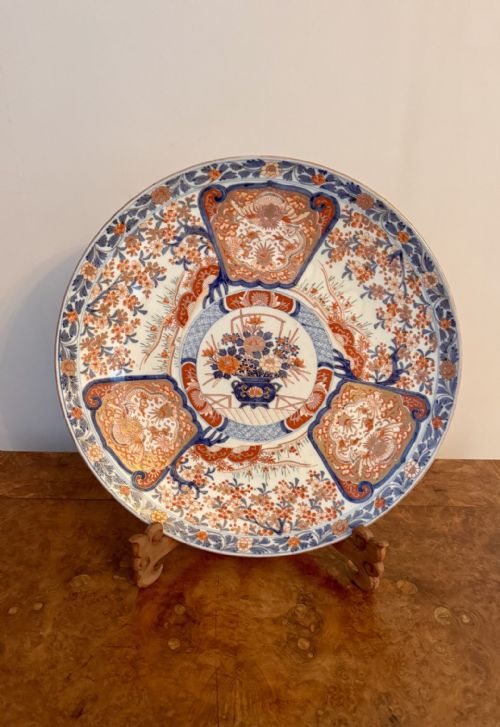
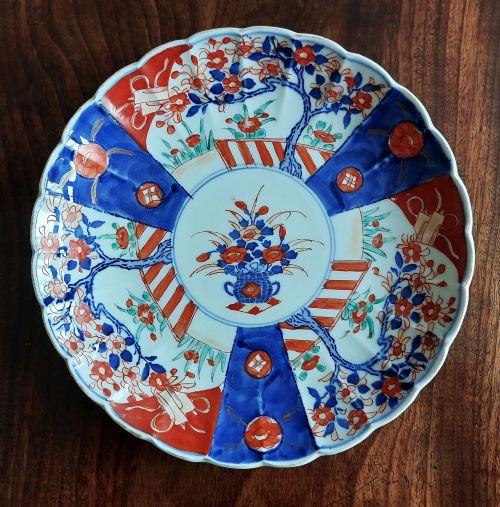
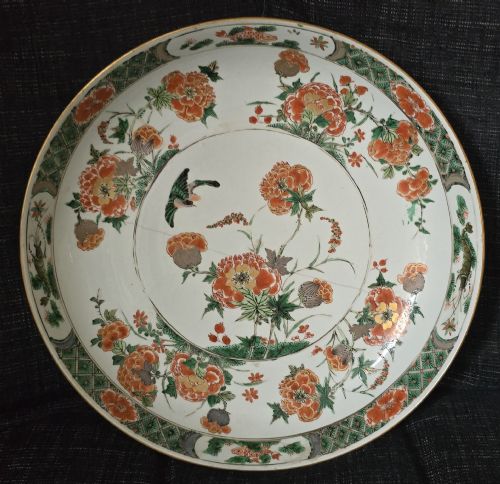
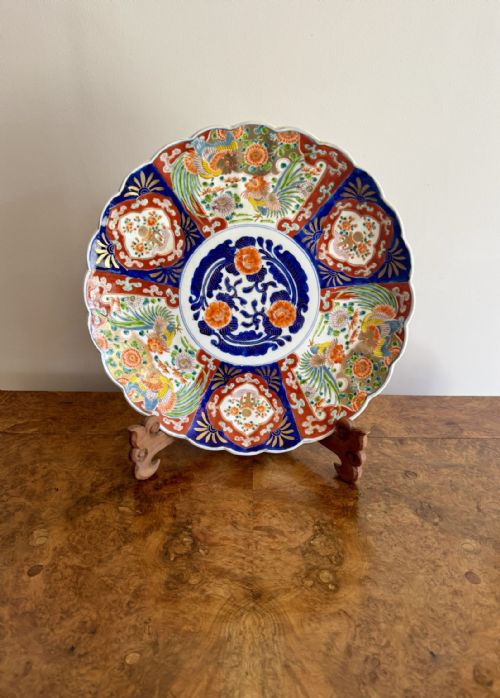
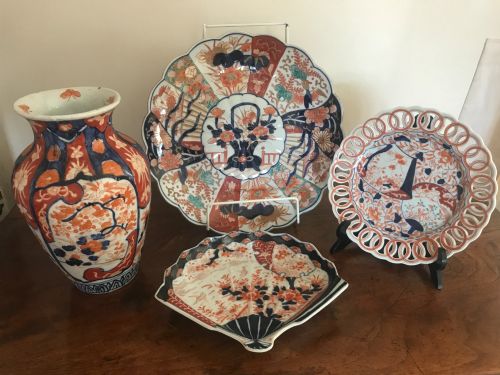
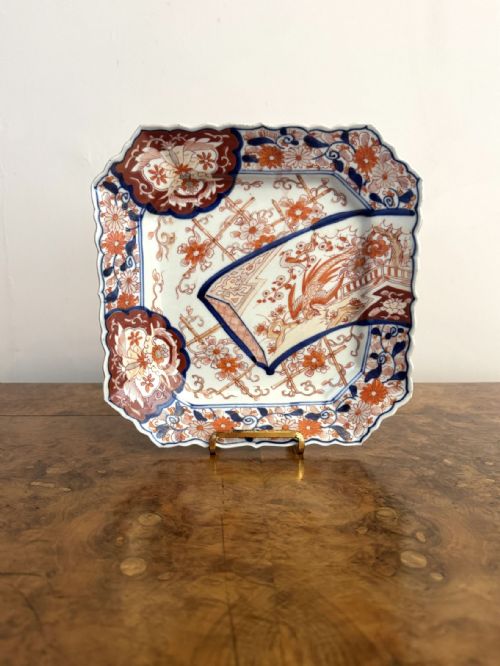
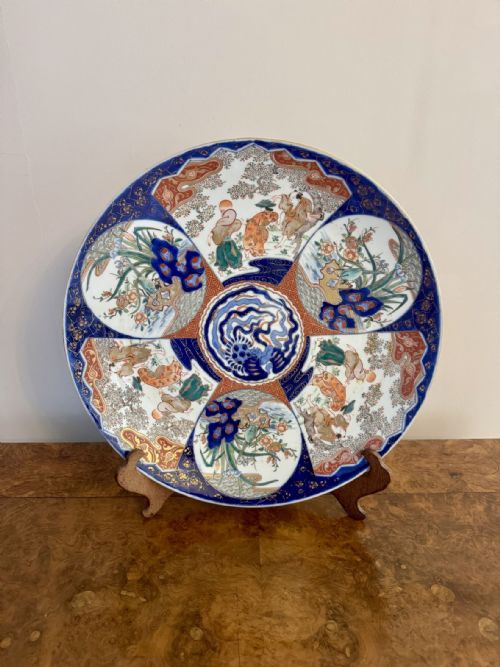
When you search for a red ceramic charger plate, you are looking at large decorative dishes and chargers primarily originating from Japan and China, dating from the eighteenth century through to the early twentieth century. The selection leans heavily towards Japanese Imari wares featuring distinct iron-red pigments combined with cobalt blue and gilt accents on porcelain.
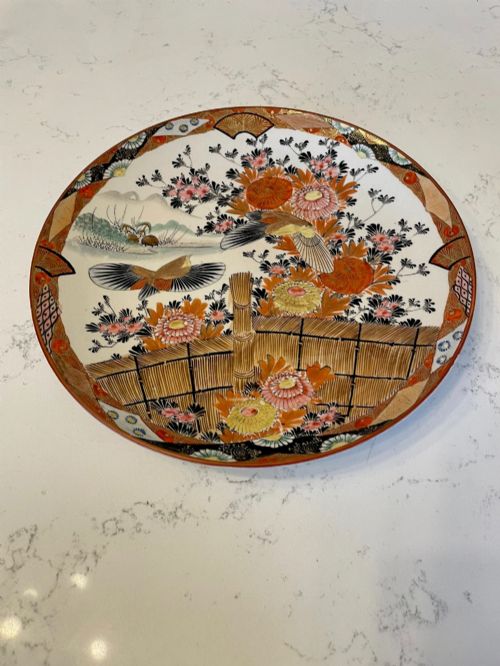
The forms vary widely from traditional round chargers and scalloped plates to square, hexagonal, and oval shapes designed for display. These pieces were made as decorative items rather than for heavy dining use, often depicting floral motifs, exotic birds, or figures such as the Seven Lucky Gods.
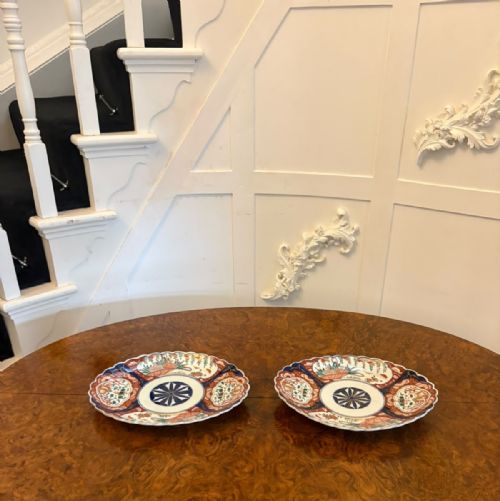
Originating largely from the Meiji period and Qing dynasty, these charger plates represent centuries of skilled ceramic production geared towards export and domestic display. Buyers encounter everything from single large exhibition pieces to matched pairs and larger collections.
Materials and Construction
These pieces are built from hard-paste porcelain and ceramic bodies shaped by hand or on a wheel before receiving intricate underglaze and overglaze decoration. Artisans applied cobalt blue beneath the clear glaze, followed by iron-red enamel and gold leaf or gilding fired at lower temperatures to achieve the striking palette.
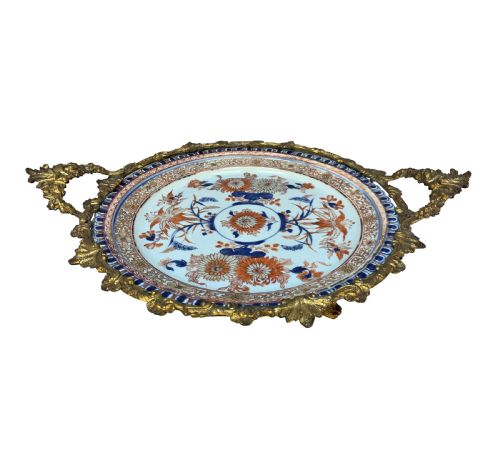
Certain select examples incorporate ormolu mounts, where cast and gilt bronze surrounds the porcelain body to elevate its status for European interior display. The combination of hand-painted floral and bird designs with rich gilding defines the tactile and visual character of the category.
Several plates depict the Seven Lucky Gods hiding among intricate floral borders, quietly bringing merchant wealth and long life to the dining room.
Judging Quality and Execution
Quality rests in the precision and density of the hand-painted brushwork across the surface, where finer examples display crisp outlines on birds, floral patterns, and figures without blurring in the kiln. The richness and preservation of the iron-red enamel and gold leaf separation dictate the visual strength of the piece.
The crispness of the porcelain moulding, particularly on scalloped, square, or hexagonal edges, distinguishes superior production from standard output. Heavier, well-balanced chargers with clear definition in the foot ring demonstrate superior kiln control and potting skill.
The Red Ceramic Charger Plate Glossary
- Charger
- A large decorative plate or dish traditionally used for display or as a base for other tableware. These large surfaces offered artisans ample space for complex pictorial scenes.
- Imari
- A style of Japanese export porcelain originating from Arita, characterised by a distinctive palette of iron-red, cobalt blue, and gilt. It became immensely popular across European interiors from the seventeenth century onwards.
- Ormolu
- Gilt bronze mounts applied to furniture and ceramics, particularly popular in French Rococo and later decorative arts. It frames the ceramic body to add structural presence.
- Qing Dynasty
- The last imperial dynasty of China, spanning from sixteen forty-four to nineteen twelve. Pieces from this era often feature imperial marks and refined iron-red enamels.
- Meiji Period
- The era in Japanese history from eighteen sixty-eight to nineteen twelve marked by the opening of trade with the West. It produced large quantities of highly detailed export ceramics.
Red Ceramic Charger Plate: Frequently Asked Questions
How were charger plates used?
Charger plates served primarily as ornamental display pieces on walls, cabinets, or large tables rather than for serving food.
Their substantial size and rich painted decoration made them focal points in formal dining rooms and drawing rooms.
How do I date a porcelain plate?
Dating relies on examining the potting style, the characteristics of the foot ring, and the specific pigments used in the enamels.
Comparing the decorative motifs and any reign marks against known period examples helps narrow down the decade of production.
Are these plates safe for food?
Antique ceramic chargers with overglaze enamel and gold leaf should not be used for serving wet or acidic food.
Lead or other historical materials in the glazes and the delicate nature of the gilding mean they are best kept for dry display.
What is Chinese Imari?
Chinese Imari refers to porcelain made in China during the Qing dynasty specifically to emulate the Japanese export style.
These pieces combined Chinese potting techniques with the favoured red, blue, and gold colour scheme of Japanese wares.