



Red Carpet Cushion
These red carpet cushion pieces are repurposed tribal weavings and bags from the nineteenth and early twentieth centuries, bringing nomad woolwork directly into modern interiors.
Red Carpet Cushion
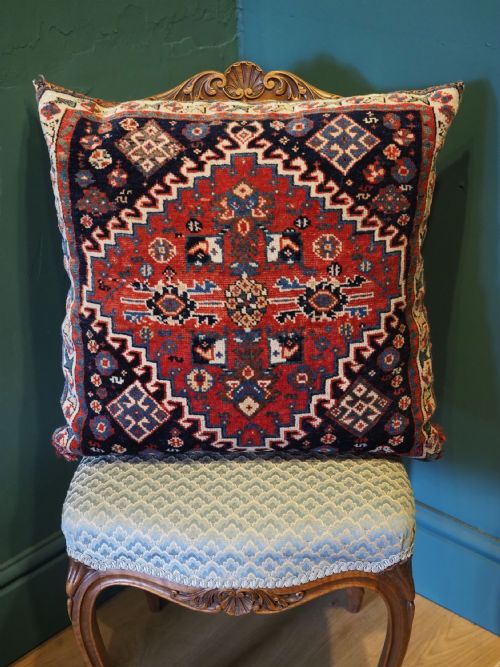
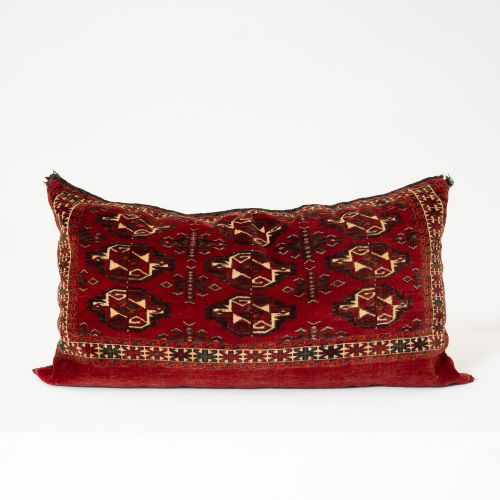
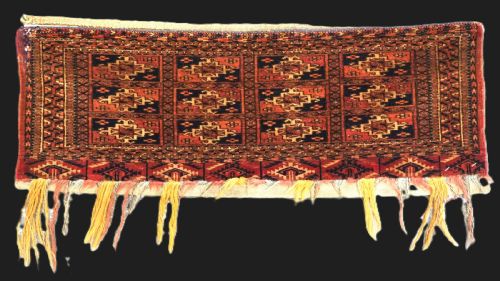
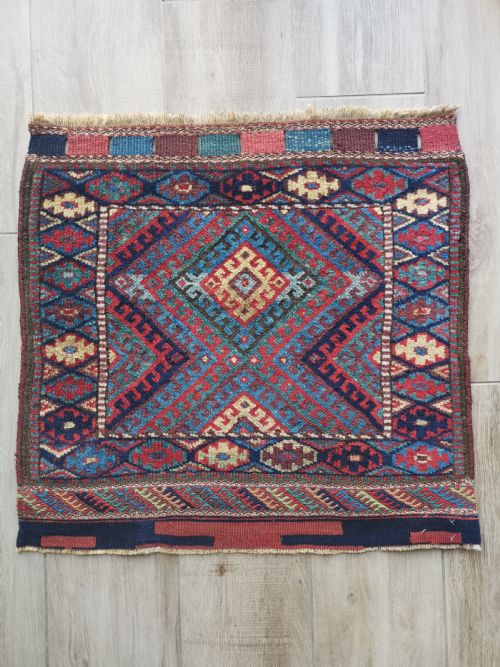
A red carpet cushion transforms historic nomadic items such as saddle bags, torbas, chuvals and mafrashes into functional home furnishings. When exploring this selection, buyers encounter repurposed textiles originating from Turkmen, Shahsevan, Yomut, Qashqai and Luri tribal groups across Central Asia and Persia.
Most examples date from the late nineteenth century up through the nineteen-twenties, preserving authentic tribal structures within a domesticated format. The conversion typically utilises antique bag faces or flattened storage pouches backed with complementary fabric to create usable floor and lounge cushions.
These items reflect nomadic lifestyles where woven receptacles served practical transport and storage functions before finding new life as decorative cushions. Buyers engage directly with genuine tribal weaving traditions through forms originally designed for utility on the steppe and mountain regions.
Materials and construction
The foundation of these cushions rests upon hand-spun wool and natural dyes derived from vegetable sources, supplemented by occasional use of cotton and goat hair. Artisans employed traditional hand-knotting and flatweaving techniques to build dense, durable textile surfaces capable of enduring decades of nomadic movement.
Tribal weavers utilised rich natural colour palettes, dominated by deep madder reds alongside contrasting tones of indigo, brown and ivory. The structural integrity depends on tight wool spinning and sturdy pile or soumak weave constructions that maintain their pattern clarity over time.
Red Carpet Cushion Retail Price Guide 2026
Typical asking prices for red carpet cushion among the pieces listed under this phrase on Sellingantiques today, from the lower quarter to the upper quarter. They describe what is for sale here now, not the wider market.
Periods represented span from eighteen-sixty through the nineteen-twenties, showcasing Turkmen, Shahsevan, and Yomut tribal artistry.
Distinctions in quality
Quality in a red carpet cushion rests upon the fineness of the original weave, the clarity of the tribal motifs such as guls, and the integrity of the wool. Pieces retaining crisp graphic details and dense knotting demonstrate superior craftsmanship by the original nomadic weavers.
The condition of the textile surface and the fidelity of the natural dyes further separate standard examples from exceptional ones. Well-preserved pile and intact flatweave structures command attention for retaining their authentic character through the conversion process.
The Red Carpet Cushion Glossary
- Chuval
- A large Turkmen storage bag traditionally used for household goods inside a yurt. These faces are frequently converted into cushions.
- Torba
- A smaller horizontal storage bag produced by Turkmen and other nomadic groups. They often feature distinct primary guls and banded designs.
- Gul
- A medallion-like primary motif repeated across Turkmen carpet and bag designs. Each tribal group utilised characteristic forms to indicate lineage.
- Soumak
- A flatweave technique utilising a wrap-and-weft method that creates a durable, slightly raised surface pattern. This structure appears frequently on Shahsevan bags.
- Mafrash
- A rectangular storage bale or chest panel used by nomads for bedding transport. Surviving fragments provide striking cushion faces.
Red Carpet Cushion: Frequently Asked Questions
What is a red carpet cushion?
A red carpet cushion is a decorative soft furnishing created by repurposing antique nomadic tribal bags, saddle covers, and flatweaves into functional pillows. These items utilise authentic nineteenth and early twentieth-century textiles originating from Central Asian and Persian tribal groups.
By mounting historic bag faces onto sturdy backs, makers preserve tribal weaving traditions for contemporary interior use. Each piece functions as both a comfortable cushion and a genuine fragment of nomadic history.
How were these tribal bags used originally?
Nomadic tribes utilised these woven bags for transporting and storing household possessions, bedding, and provisions during seasonal migrations. Woven from durable hand-spun wool, they hung inside tents or strapped across pack animals as saddlebags.
Over decades, utilitarian items like chuvals and torbas completed their working lives, leading to the preservation of their decorative faces through conversion into cushions.
How do I care for an antique wool cushion?
Maintain these wool cushions through gentle vacuuming with a low-suction attachment, avoiding the rotating brush roll to protect the pile. Professional textile cleaning is recommended for any deeper maintenance.
Keep the cushions out of direct, prolonged sunlight to prevent natural vegetable dyes from fading. Occasional rotation ensures even wear across the surface of the textile.
How can I tell different tribal designs apart?
Tribal designs are distinguished by their specific structural patterns, colour palettes, and characteristic medallions such as Turkmen guls or Shahsevan soumak motifs. Yomut and Tekke weavers utilised distinct geometric arrangements that reflect their specific regional heritage.
Examining the weave technique, whether pile or flatweave, alongside the specific wool preparation helps identify the producing group. Each region developed a recognizable visual vocabulary over generations.