





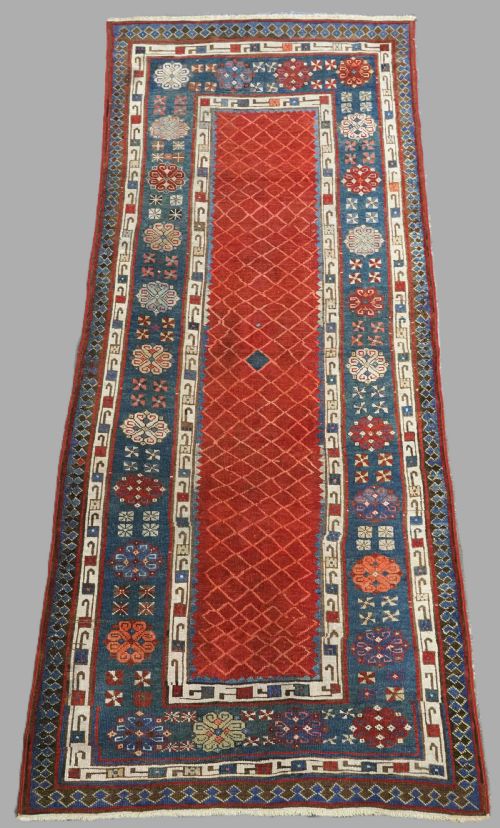
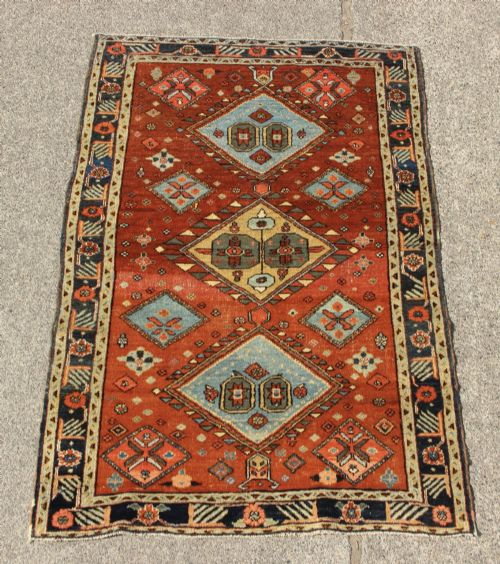
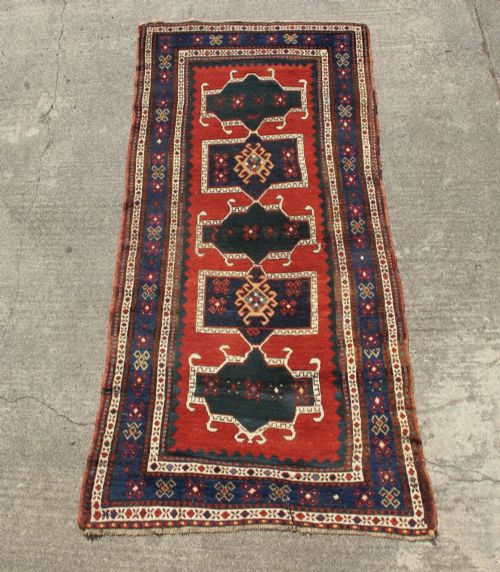
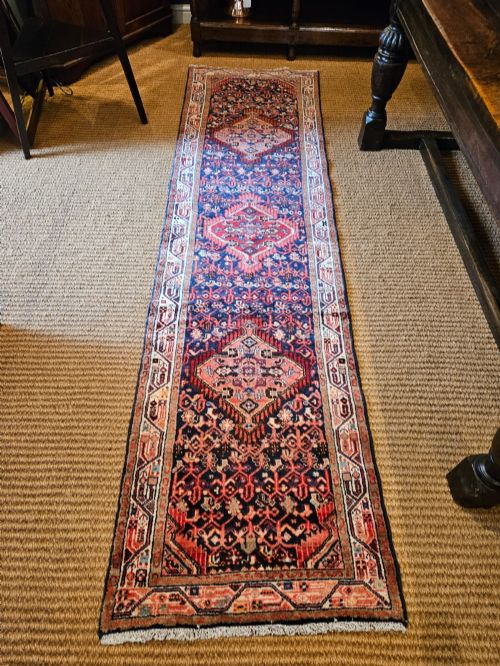
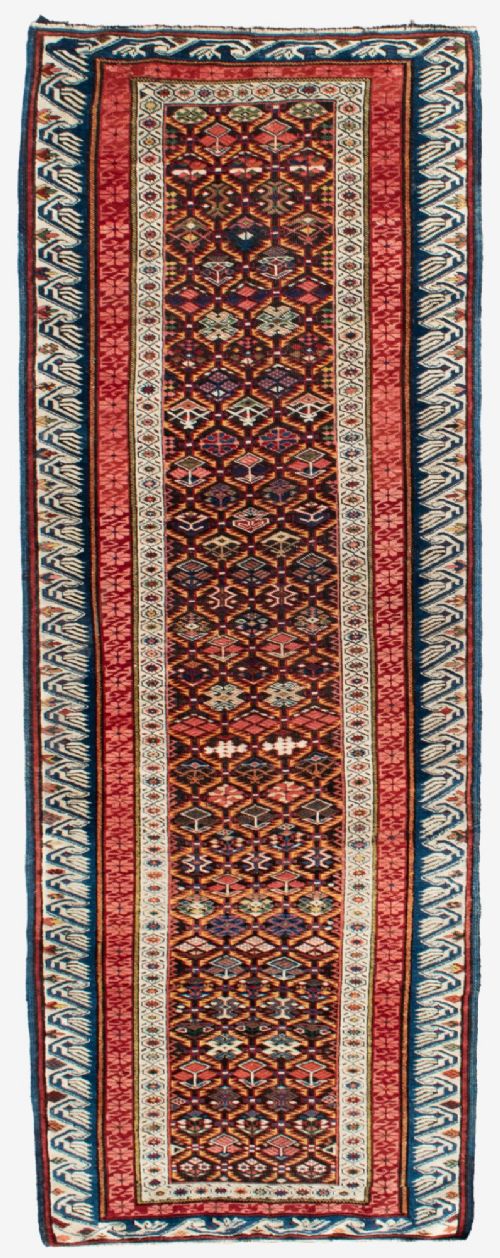
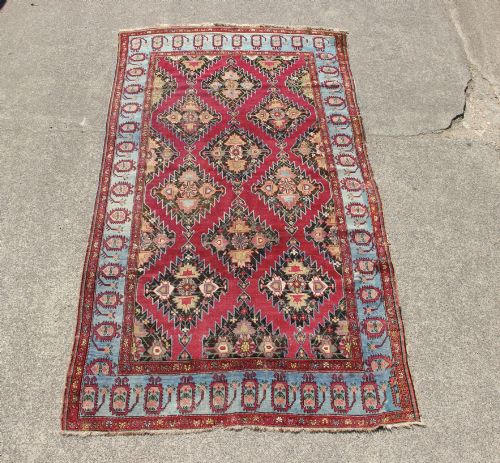
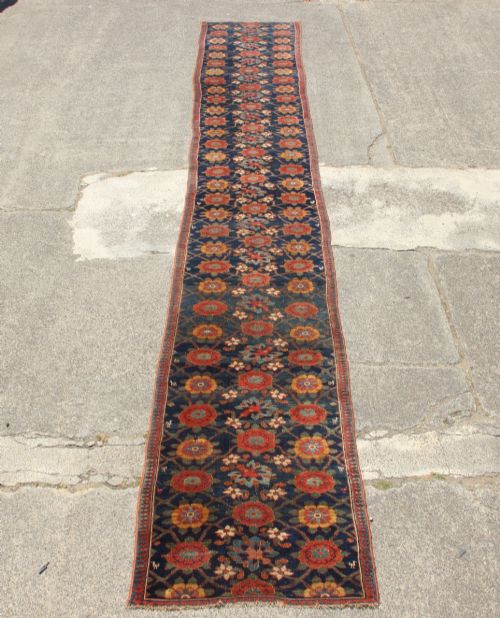
Red Blue Wool Runner
A red blue wool runner brings warmth and pattern to a corridor, hand-woven by tribal and village makers over past centuries.
Red Blue Wool Runner
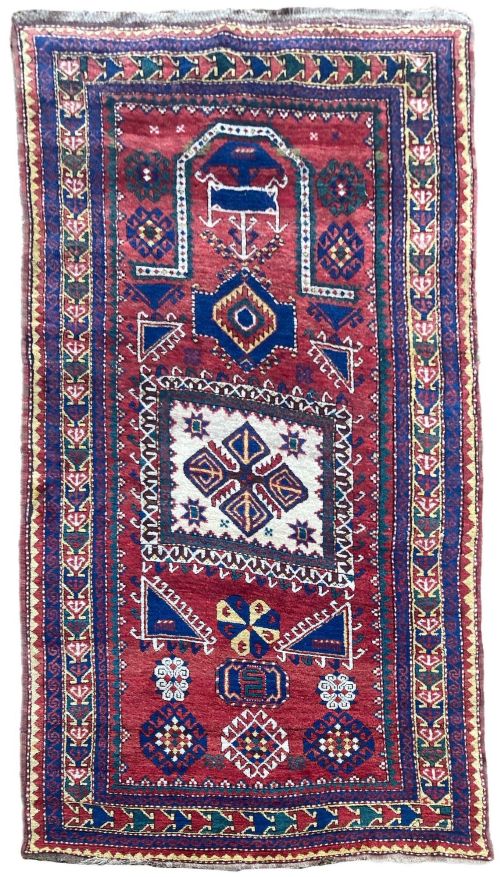
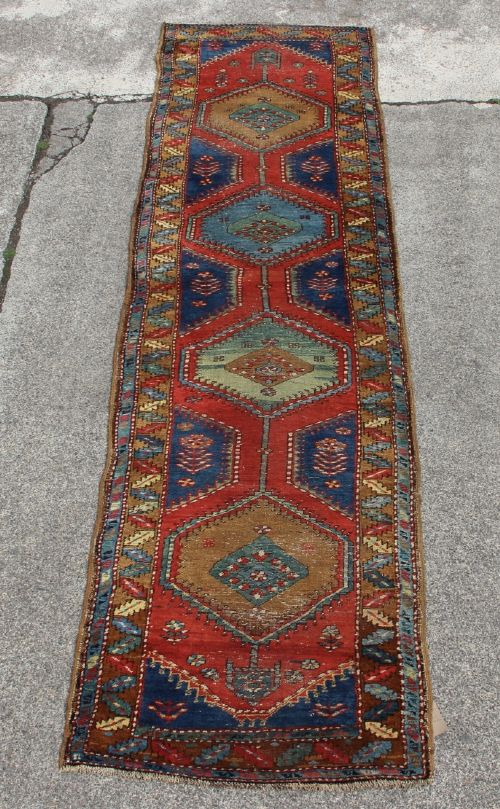
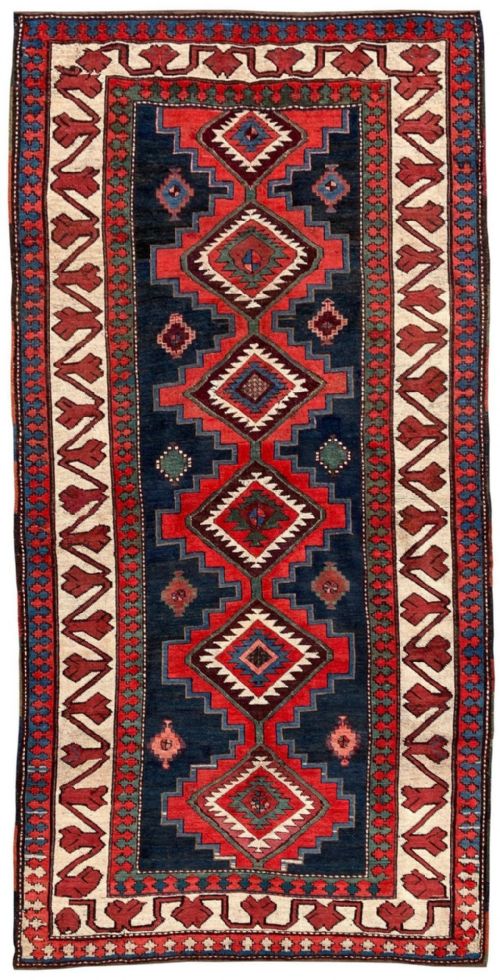
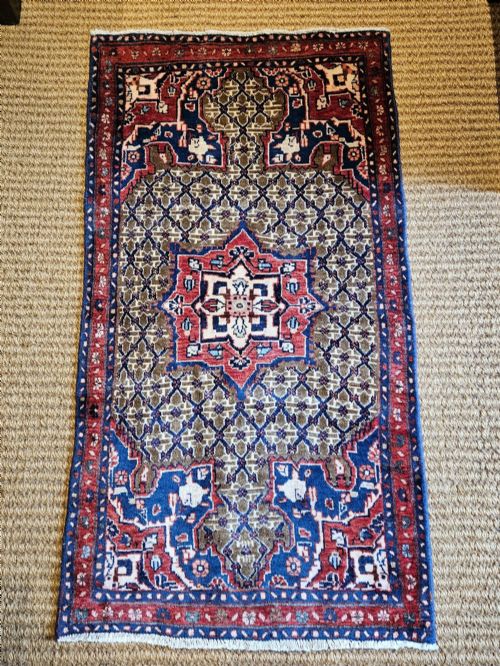
A red blue wool runner forms a distinct category of floor covering designed for hallways, narrow spaces, and long rooms. When searching for a red blue wool runner, buyers encounter pieces originating from Persian and Caucasian weaving traditions, spanning from the nineteenth century into the twentieth century.
The selection includes specific regional types such as Kazak, Shirvan, Talish, and Bakshaish, alongside broader categories of Persian traditional and Anatolian work. These textiles combine linear geometry with deep coloration suited to domestic circulation spaces.
How they were made
Makers constructed these runners using wool pile on cotton or wool foundations, employing hand-spun materials that accept dye in subtle variations. Natural dyes provide the underlying red and blue palettes recorded across the inventory.
Weavers tied individual knots by hand on upright looms, integrating traditional tribal motifs, lattice patterns, and prayer designs directly into the structure of each carpet.
Listings span from eighteen-fifty through nineteen-thirty, combining wool, cotton, and natural dyes across Persian and Caucasian formats.
What varies in quality
The sophistication of the dye palette and the integrity of the hand-spun wool dictate the visual impact of an individual runner. Pieces that retain deep saturation and crisp drawing demonstrate superior material selection by the original weaver.
Structural density and the precision of knotting distinguish regional village work from standard commercial production. The handling of secondary borders and the complexity of tribal motifs indicate the skill level present in the workshop or tent.
Bakhtiar·Fachralo Kazak·Talish·Seychor·Karabagh·Kurdish·Afshar·Luri·Bakshaish
The Red Blue Wool Runner Glossary
- Runner
- A long, narrow carpet specifically proportioned for corridors, hallways, and stairs. These pieces balance traffic areas with durable pile construction.
- Pile
- The vertical or diagonal yarn surface of a rug, formed by knotted wool loops clipped to a uniform height. This layer absorbs foot traffic and protects the foundation.
- Natural Dyes
- Colourants derived from plant, insect, and mineral sources prior to the widespread adoption of synthetic aniline dyes. They age with distinct tonal maturity.
- Warp
- The vertical foundation threads stretched tightly on the loom before knotting begins. The weft threads pass across these elements to secure the structure.
- Fachralo
- A specific design grouping associated with Caucasian weaving, frequently recognised by distinct medallion structures and geometric borders.
Red Blue Wool Runner: Frequently Asked Questions
Where do these long runners fit best?
A red blue wool runner suits narrow entrance halls, corridors, and bedside spaces where linear proportions balance the room.
Their sturdy wool construction handles regular foot traffic while introducing historical pattern to transitional areas of a house.
How do I identify a Caucasian runner?
Caucasian pieces typically display crisper geometric motifs, sharper primary colours, and narrower formats compared to softer Persian village weaves.
Their wool tends to feel slightly crisper, reflecting the mountain conditions and specific sheep breeds of the Caucasus region.
Are natural dyes easy to spot?
Natural dyes present subtle tonal shifts within a single colour field, known as abrash, caused by variations in small-batch dye vats.
These hues mellow gracefully over decades, maintaining harmony across the red and blue sections of the rug.
How should I care for antique wool runners?
Regular gentle vacuuming without a rotating brush roll keeps dust from settling into the wool pile.
Professional cleaning tailored to antique textiles preserves the lanolin in the hand-spun wool and protects the foundation.