


Red Wine Glass
These red antique wine glass pieces bring rich colour and depth to the table, forged through traditional glassmaking methods.
Red Wine Glass
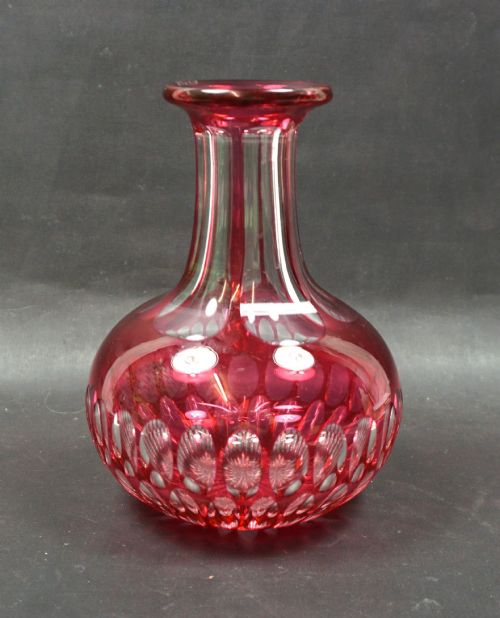
A red antique wine glass represents centuries of decorative drinkware, spanning Georgian, Victorian, and Edwardian periods. Collectors searching for a red antique wine glass will most frequently encounter vibrant Victorian cranberry glass items alongside ruby glass pieces.
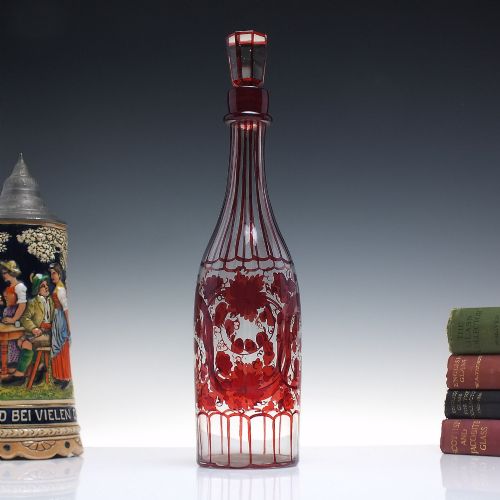
The assortment includes individual stemware, matching sets, decanters, and serving bottles. Pieces originate from English workshops as well as continental centres such as Bohemia, reflecting diverse regional aesthetics.
Vessels span smaller drinking glasses to larger claret jugs and champagne coupes. These objects bridge decorative appeal with functional dining history.
Materials and production techniques
Glassmakers utilised lead glass and crystal foundations, incorporating mineral oxides to achieve distinctive cranberry and ruby hues. Overlay techniques allowed clear glass to be cased in coloured layers before skilled hands cut through the surface.
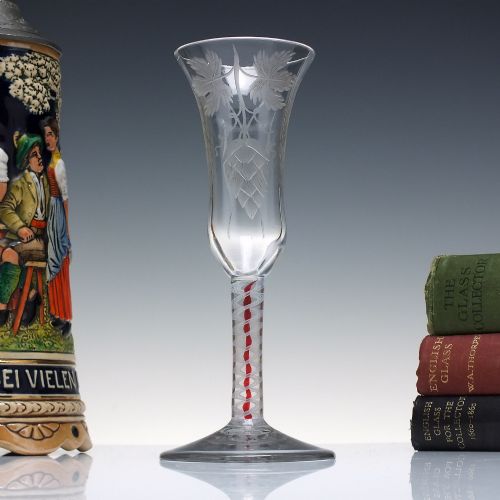
Surface decoration frequently involved wheel engraving, depicting motifs such as fruiting vines and birds among foliage. Hand-blown stemware and decanters display the subtle irregularities typical of nineteenth-century artisanal production.
Listings span the Georgian, Victorian, and Edwardian eras, utilising cranberry glass, ruby glass, clear glass, and lead crystal.
Factors of distinction
Depth and saturation of the red glass colour establish foundational visual appeal. Overlay pieces demonstrate greater technical accomplishment when the contrast between the outer coloured layer and the clear core is sharp and well-defined.
Hand-engraved detailing separates standard production from finer work. Crisp wheel-cut motifs depicting botanical scenes require advanced skill compared to simpler moulded designs, influencing the overall character of the vessel.
The Red Wine Glass Glossary
- Cranberry glass
- A transparent pinkish-red glass coloured with gold chloride. It was immensely popular during the Victorian era for tableware and decorative items.
- Ruby glass
- A deep red glass produced by adding copper or gold to the molten batch. It offers a darker, richer tone than typical cranberry glass.
- Overlay glass
- A technique where a vessel is blown with one layer of coloured glass cased over a layer of clear glass. Craftsmen then cut away sections of the outer layer to reveal the clear glass beneath.
- Roemer
- A traditional Germanic large wine glass featuring a wide bowl and a studded stem. It often appears in green or ruby tones within historic European drinkware.
Red Wine Glass: Frequently Asked Questions
Are these glasses safe for drinking?
Most antique drinking vessels are safe for occasional modern use. Inspect the rim and bowl for any hidden cracks before serving drinks.
Hand-painted or silver-mounted pieces require extra care and are often better suited for display rather than regular dining.
How can I date my red glass?
Examine the pontil mark on the base, where the glassblower's rod was snapped off. A polished pontil often indicates a later nineteenth or twentieth-century origin.
Style, weight, and engraving techniques also help narrow down the period, ranging from Georgian cut crystal to Edwardian silhouettes.
What is the difference between cranberry and ruby glass?
Cranberry glass uses gold in its chemical composition, resulting in a lighter, pinker red shade. It gained widespread favour during the Victorian period.
Ruby glass typically achieves its deeper, darker crimson colour through copper or alternative metallic oxides during the melting process.