



Red Daybed
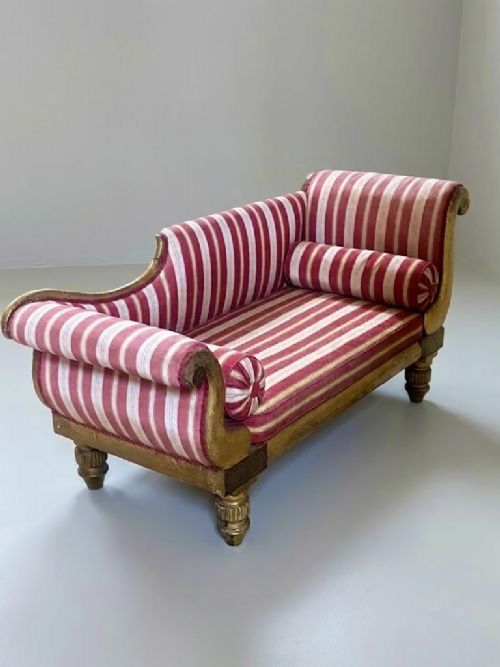
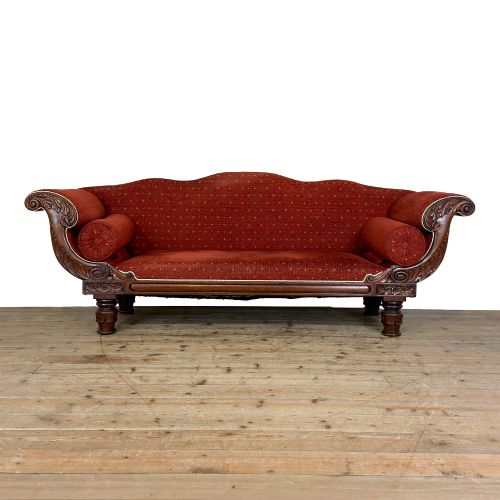
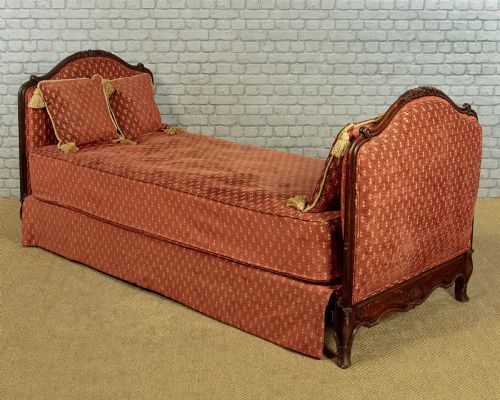
These red antique daybed examples bring rich tones and historical form to a room, offering both seating and a place to rest.
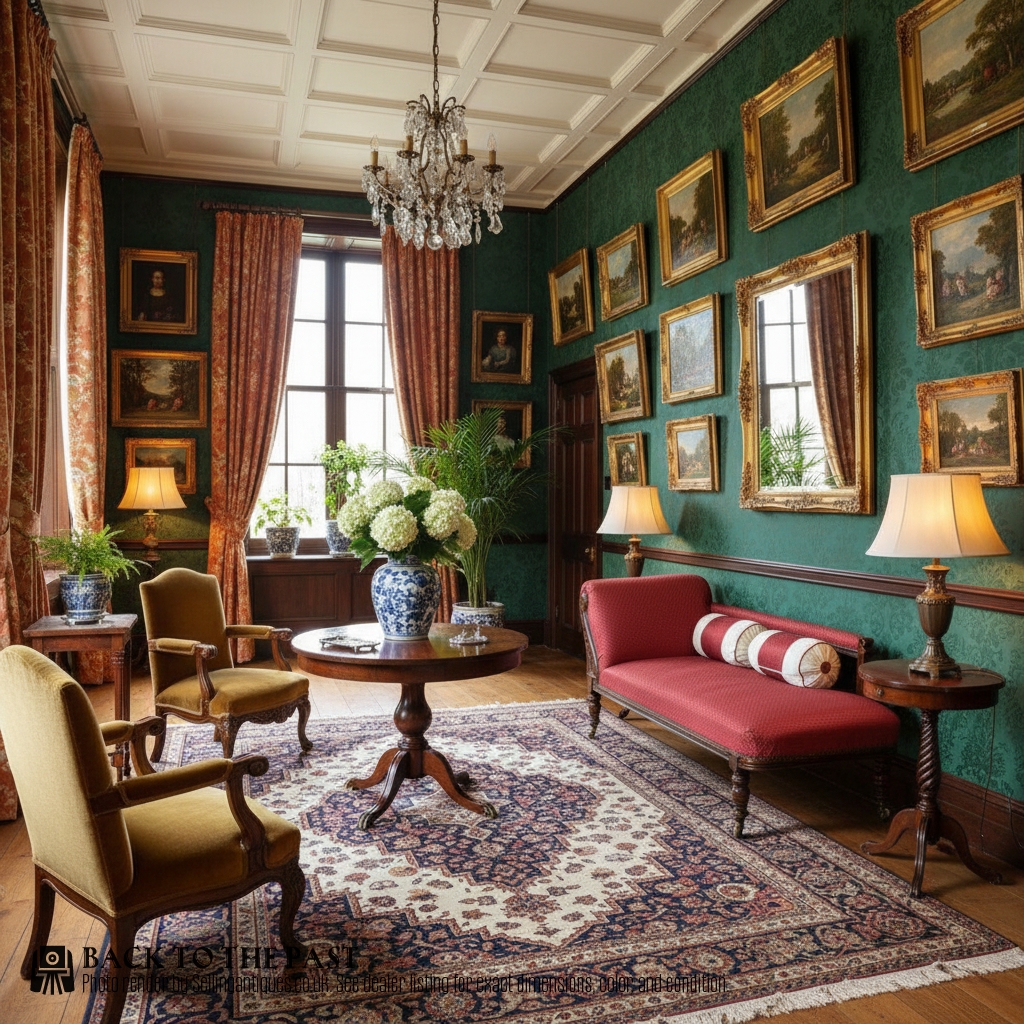
Red Daybed
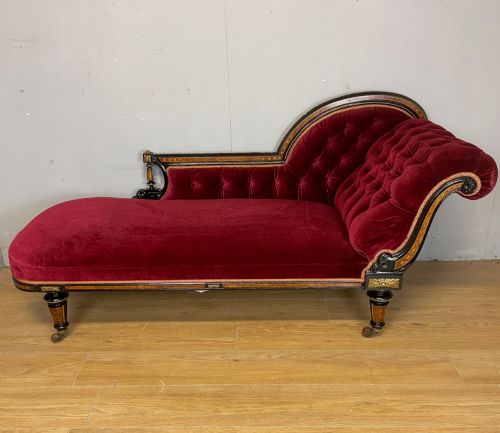
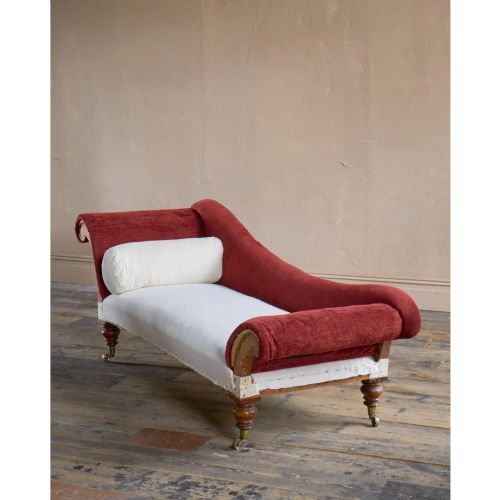
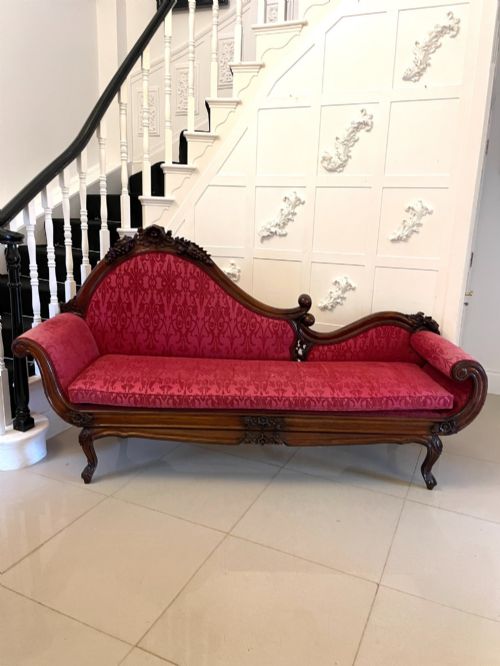
A red antique daybed encompasses a range of seating and resting forms, including chaise longues, ottomans, and marriage beds in red lacquer or upholstery. The selection spans the nineteenth century through the Edwardian period, alongside Qing Dynasty Chinese pieces.
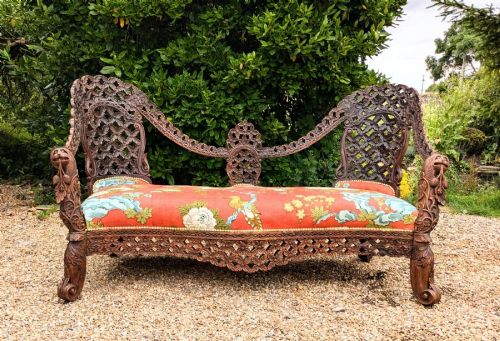
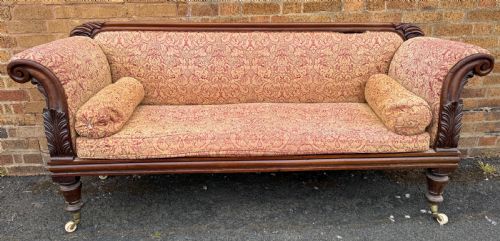
Buyers encounter British regional styles like Regency and William IV alongside French Provincial, Anglo-Indian, and Colonial Indian variants. The forms range from carved mahogany scroll-end sofas to lacquered opium beds and solid oak frame chaise longues.
The red antique daybed category merges traditional European daybeds with imported oriental lacquerwork. Pieces vary from nineteenth-century English walnut frames to Chinese red lacquered wedding beds and Indian takhat coffee tables.
How they were made
Makers utilised solid timbers such as mahogany, elm, walnut, teak, and oak to build the structural frames. Brass details, ormolu decoration, and inlaid panels frequently complemented the woodwork.
Surface treatments involved deep red lacquering alongside carved ornamentation, particularly visible on nineteenth-century Chinese beds and English Victorian mahogany frames. Upholstery fabrics, velvet, and antique striped silk provided the cushioning for the seating surfaces.
Red Daybed Retail Price Guide 2026
Typical asking prices for red daybed among the pieces listed under this phrase on Sellingantiques today, from the lower quarter to the upper quarter. They describe what is for sale here now, not the wider market.
Listings feature woods including mahogany, elm, teak, oak, and walnut, alongside velvet, silk, and fabric upholstery.
What varies in quality
The refinement of carved detail and the integrity of the timber frame set the standard across these pieces. Elaborate ormolu mounts, intricate wood carving, and well-preserved lacquer distinguish finer examples from simpler utilitarian forms.
The authenticity of materials, such as genuine antique silk, velvet, or hand-lacquered surfaces, defines the execution. Attribution to notable makers and workshops further elevates the standing of an individual piece.
Holland and Sons·Robson and Sons
The Red Daybed Glossary
- Regency
- A British architectural and decorative style dating from the early nineteenth century. It is known for classical restraint and refined proportions.
- Ormolu
- Gilded bronze detailing applied to furniture mounts. This technique adds metallic brilliance to wood surfaces.
- Lacquer
- A durable finish applied in thin coats and polished. Chinese marriage beds frequently display this red decorative treatment.
- Chaise Longue
- An upholstered long chair designed for reclining. These forms often feature a single raised end for head support.
Red Daybed: Frequently Asked Questions
Where should I place a red daybed?
These pieces suit living rooms, large hallways, or studies where they can function as a window seat or a central lounging spot. Their length requires adequate floor space to maintain room circulation.
Position the daybed away from direct sunlight to protect the lacquered surfaces and textile upholstery from fading over time.
How do I care for antique upholstery?
Vacuum textile surfaces gently using a low-suction brush attachment to remove dust without stressing fragile antique threads. Keep velvet and silk away from moisture and harsh cleaning agents.
Consult a specialist conservator for deeper cleaning to preserve the integrity of older fabrics and internal padding.
How do I identify a Regency frame?
Regency pieces often display classical motifs, mahogany construction, and giltwood highlights. Proportions remain balanced and architectural in inspiration.
Compare the decorative elements against documented nineteenth-century examples to confirm the period style.
What is a Chinese marriage bed?
Chinese marriage beds are enclosed or semi-enclosed wooden structures featuring detailed carvings and red lacquer finishes. They served as traditional bedroom furniture in Qing Dynasty households.
These large forms double as dramatic seating or display surfaces in modern interiors.