

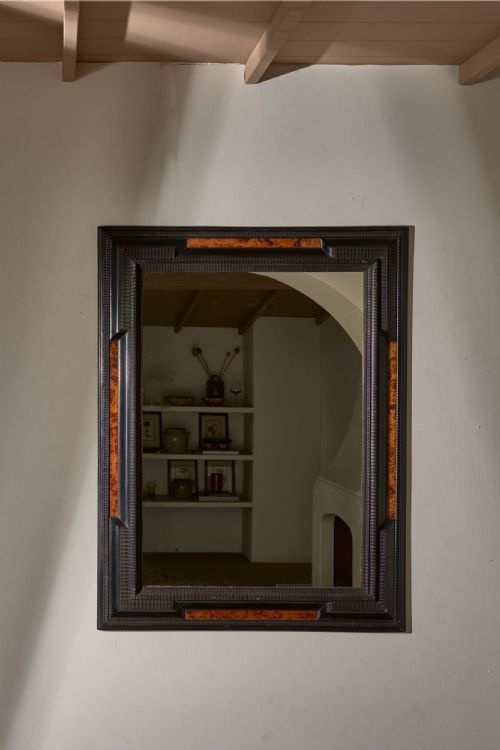
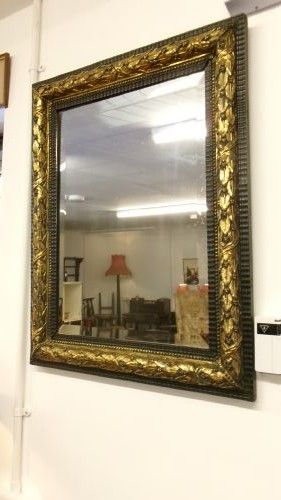
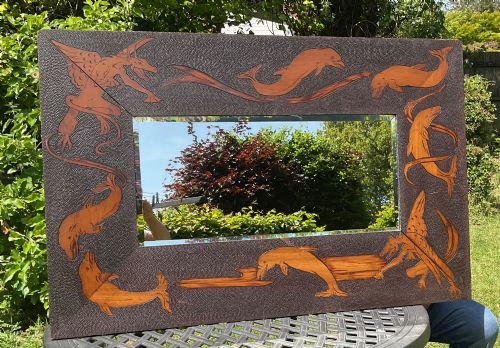


Rectangular Timber Mirror
A rectangular timber mirror brings instant depth to a room, offering clean architectural lines combined with the warmth of aged wood.
Rectangular Timber Mirror
A rectangular timber mirror is a functional wall hanging framed in wood, designed to reflect light and expand interior spaces. When searching for a rectangular timber mirror, buyers encounter pieces ranging from simple domestic wall hangings to ornately carved French and Italian showpieces.
The selection spans multiple eras, drawing heavily from Victorian, Georgian, and early twentieth-century workshops. Oak, mahogany, and maple feature prominently alongside painted and gilded wooden frames.
Most examples function as wall mirrors, though dressing mirrors and pier mirrors also appear. Formats vary from restrained Arts and Crafts designs to elaborate Baroque revivals.
How they were made
Frames are constructed from solid hardwoods like oak, mahogany, walnut, and maple, joined using traditional cabinetmaking techniques. Carved details are worked directly into the timber or applied in gesso before finishing.
Surfaces are treated with various finishes, including clear wax, French polish, black paint, or gold leaf gilding. Glass panels are set securely into the wooden rabbet, often backed with early protective coatings.
Listings feature timbers including oak, mahogany, walnut, maple, rosewood, and pine across nineteenth and early twentieth-century periods.
What varies in quality
Quality rests in the crispness of the wood carving and the depth of the timber grain. Finer pieces display carefully matched veneers, such as burr maple or walnut, integrated seamlessly into the frame structure.
The sophistication of the surface treatment distinguishes standard items from exceptional ones. Hand-gilded gold leaf, delicate inlay work, and robust joinery elevate a piece well above basic utility.
The Rectangular Timber Mirror Glossary
- Giltwood
- Wood that has been coated with a thin layer of gold leaf or gold paint. This technique creates a brilliant metallic sheen popular in formal interior decoration.
- Pier mirror
- A tall wall mirror designed specifically to hang on the narrow wall space between two windows. These pieces often feature extended vertical proportions to maximise light reflection.
- Gesso
- A plaster-like mixture applied to wood frames to create a smooth surface for gilding or painting. It allows craftsmen to carve intricate relief details before applying metallic leaf.
- Burr maple
- Wood taken from a maple tree growth showing intricate, swirling grain patterns. Cabinetmakers prize this figured timber for decorative veneering on high-end furniture.
- Faux bamboo
- A decorative finish where wood is carved or painted to resemble natural bamboo stalks. This style gained popularity during nineteenth-century aesthetic movements.
Rectangular Timber Mirror: Frequently Asked Questions
How do I hang a heavy timber mirror safely?
Heavy wooden mirrors require secure wall fixings suited to the weight of the timber and glass. Using appropriate wall anchors connected directly to structural studs ensures the piece remains stable.
Professional mirror hangers or heavy-duty D-rings screwed firmly into the wooden frame provide the most reliable support for older pieces.
How can I tell a Victorian mirror from a Georgian one?
Georgian mirrors often feature restrained walnut veneers, fretwork scrolls, and classical proportions associated with eighteenth-century design. Timber selection tends to focus on figured hardwoods like mahogany and walnut.
Victorian pieces frequently display heavier mouldings, darker finishes, and eclectic revival styles ranging from Gothic to Baroque. Construction methods also shift as industrial manufacturing techniques developed.
How do I clean an antique wooden frame?
Dust frames gently with a soft, dry cloth to prevent dirt accumulation in carved recesses. Avoid commercial chemical sprays that can strip historic wax or damage delicate gilding.
Occasional application of microcrystalline wax helps nourish exposed timber surfaces without softening underlying finishes.