
Rectangular Gold Wall Mirror
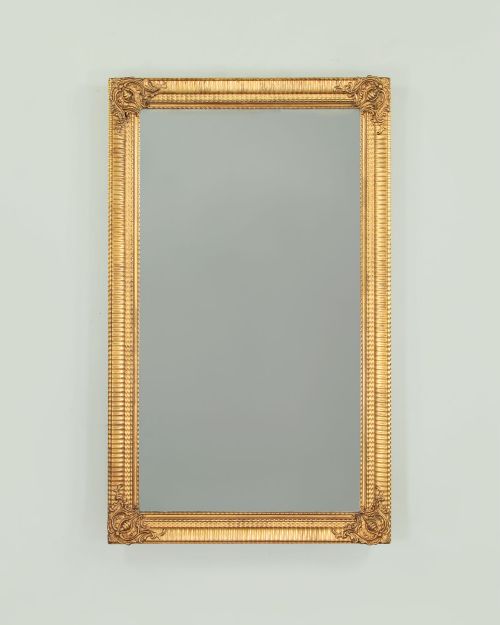
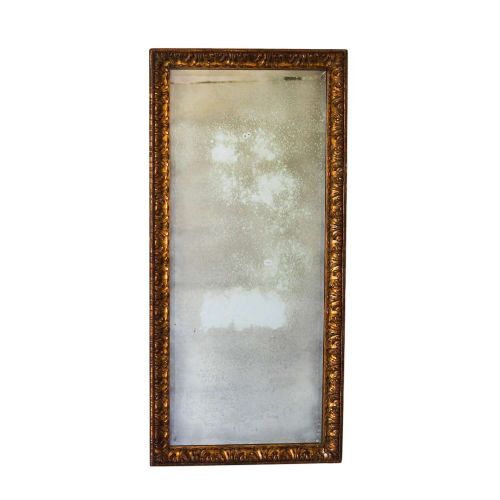
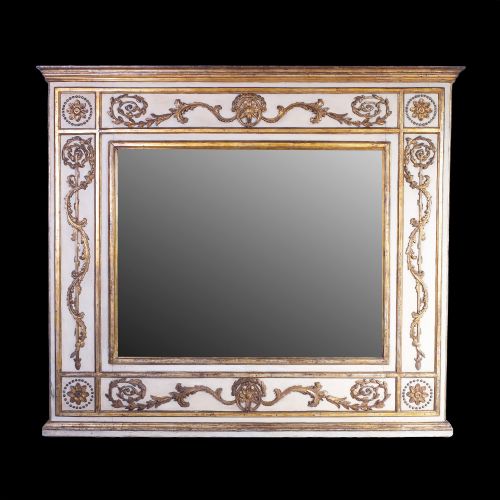
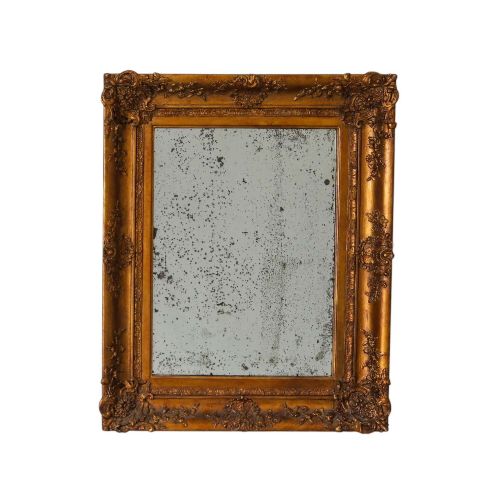
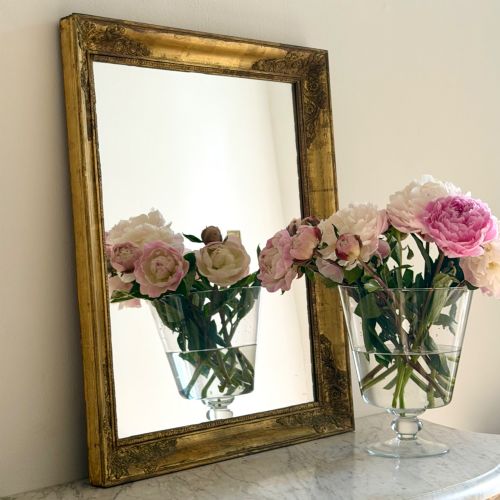
These rectangular gold wall mirrors bring light and proportion to a room, spanning French chateau styles and Victorian overmantels.
Rectangular Gold Wall Mirror
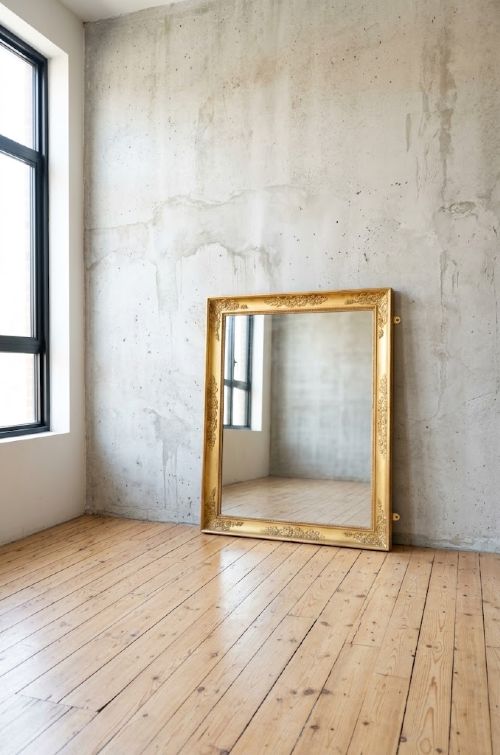
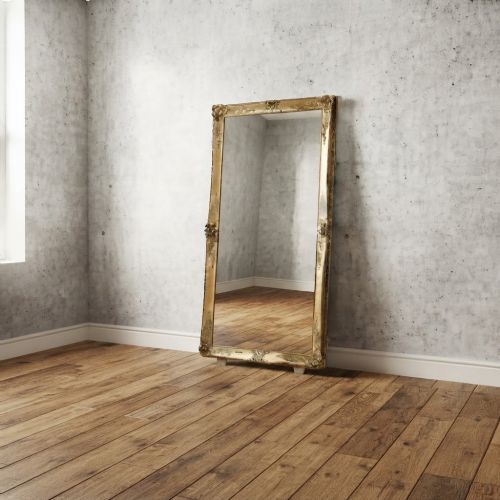
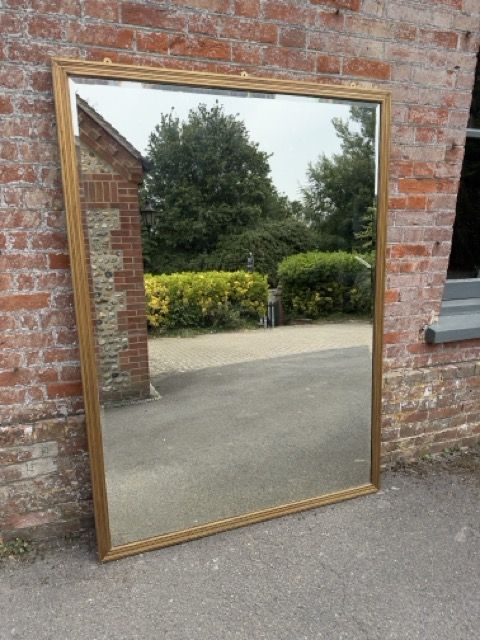
A rectangular gold wall mirror serves to reflect light and anchor a room, appearing frequently in nineteenth-century French and English designs. Buyers searching for a rectangular gold wall mirror encounter overmantels, pier mirrors, and full-length leaner formats designed for domestic interiors.
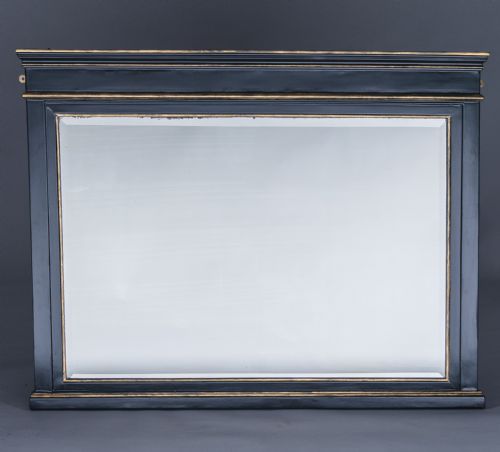
The selection ranges from Regency and Victorian examples to French Napoleon III and Florentine pieces. Frames vary from simple ebonised and gilt wood to heavily carved gesso and giltwood constructions.
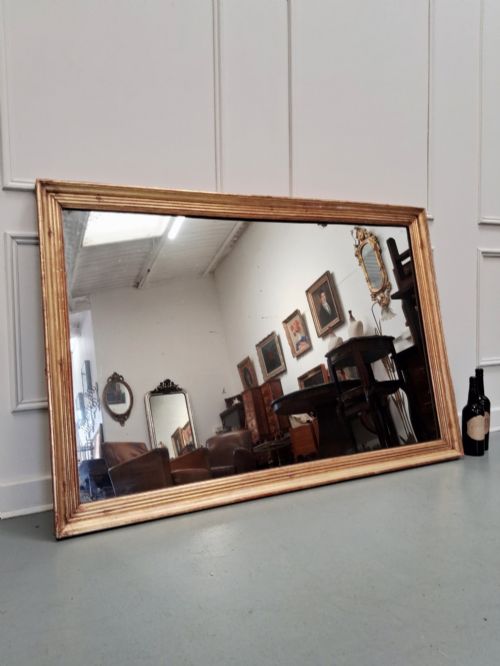
Overmantel mirrors and bistro mirrors dominate the forms, alongside taller dressing and hallway mirrors. Dating spans from the early nineteenth century into the early twentieth century.
Materials and construction
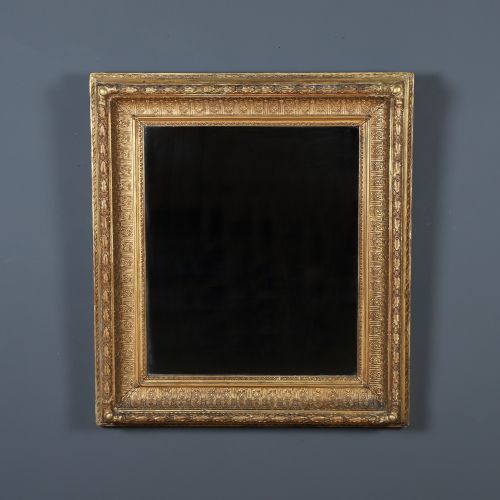
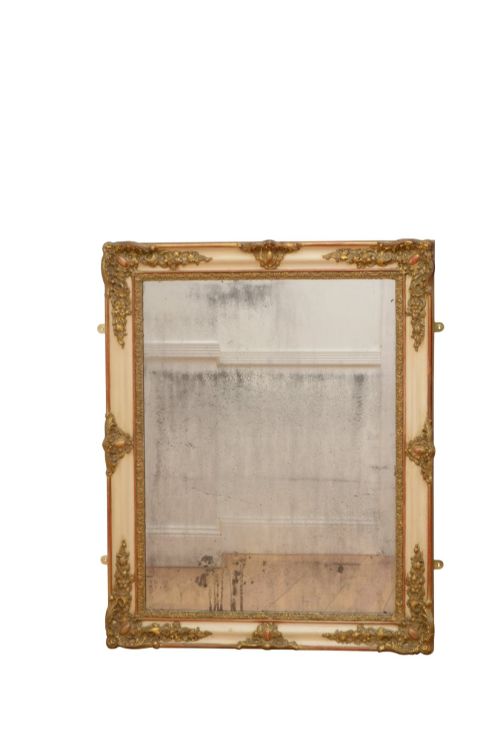
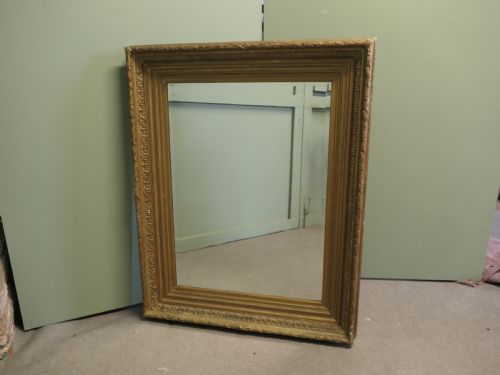
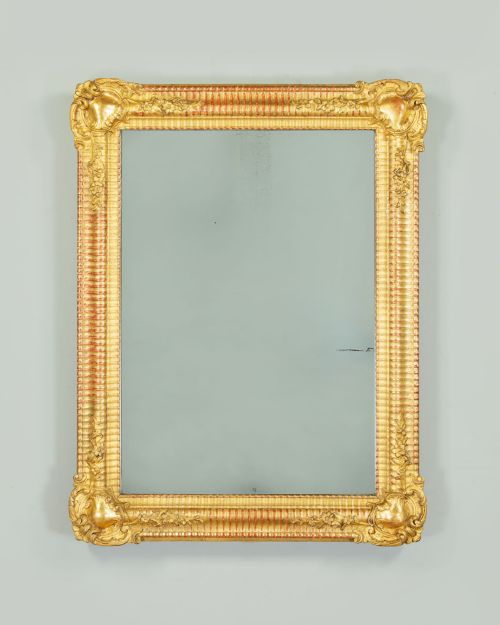
Makers constructed the frames from carved wood, timber, and gesso, applying gold leaf or oil gilt to the surfaces. Many pieces combine wood cores with moulded gesso ornaments depicting floral and mythological carvings.
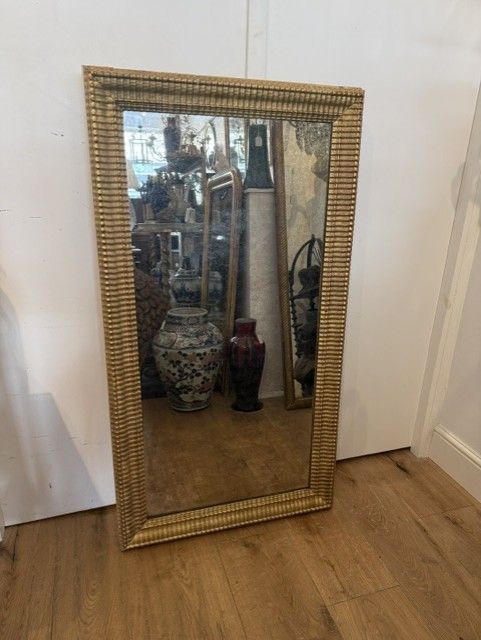
Mirror plates include original glass, foxed plates showing age, and newer replacement glass. Brass mounts and ebonised wood details appear on specific Victorian and Regency variations.
Current listings feature nineteenth-century French and English pieces utilising giltwood, gesso, ebonised wood, and brass mounts.
Craftsmanship and preservation
Depth and crispness of the hand-carved wood and gesso ornamentation separate standard frames from finer works. The application of gold leaf versus paint influences how the surface catches light over time.
Originality of the glass plate and the integrity of the wooden joinery determine the standing of each piece. Retaining the original gilding without excessive overpainting preserves the historical character of the mirror.
The Rectangular Gold Wall Mirror Glossary
- Giltwood
- Wood that has been coated with gold leaf or a gold-coloured metallic finish. This material defines the warm metallic lustre seen on many period frames.
- Gesso
- A plaster-like mixture applied to wood frames and carved into detailed motifs before gilding. It allows for intricate floral and mythological decorations.
- Overmantel mirror
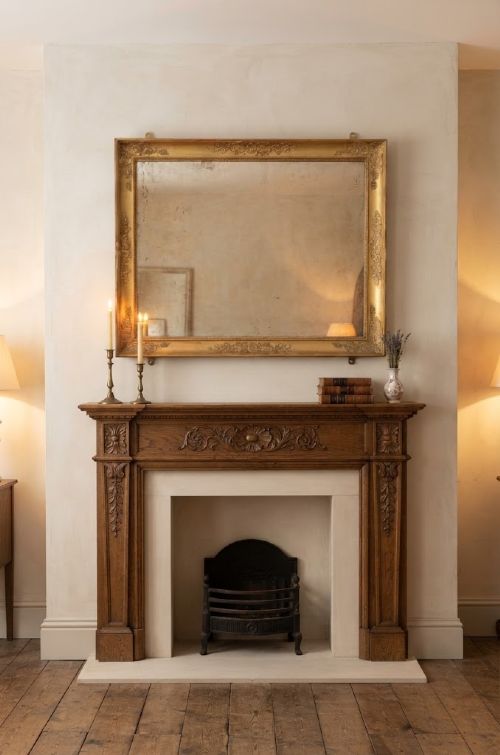
- A wide mirror traditionally hung above a fireplace mantelpiece. These pieces often feature landscape proportions suited to domestic hearths.
- Pier mirror
- A tall mirror designed to hang on the narrow wall space between windows. They maximise natural light in nineteenth-century rooms.
- Foxed plate
- A mirror glass displaying dark spots and age-related oxidation. This natural ageing process indicates original antique glass.
Rectangular Gold Wall Mirror: Frequently Asked Questions
Where should I hang a rectangular gold wall mirror?
These mirrors suit placement above a mantelpiece, sideboard, or console table to reflect natural light into the room. Tall leaner versions fit securely against living room or hallway walls.
Ensure the wall fixings match the weight of the timber and gesso frame to support the piece safely.
How do I date a gold wall mirror?
Dating relies on examining the frame style, construction techniques, and the condition of the mirror glass. Nineteenth-century pieces often exhibit hand-carved gesso details and heavier timber backs.
Foxed glass plates and old fixings provide additional clues regarding the age of the mirror.
What is the difference between an overmantel and a pier mirror?
Overmantel mirrors are typically wider than they are tall, designed specifically to sit above fireplace mantels. Pier mirrors are narrow and tall, built to fit wall spaces between windows.
Both formats utilise giltwood and gesso frames from the nineteenth century.
Can I replace the glass in an antique mirror?
Many surviving mirrors retain their original or foxed glass, while others have received new glass over their lifespan. Replacing damaged glass is possible while preserving the antique frame.
Original plates with foxing are valued for their authentic period appearance.