
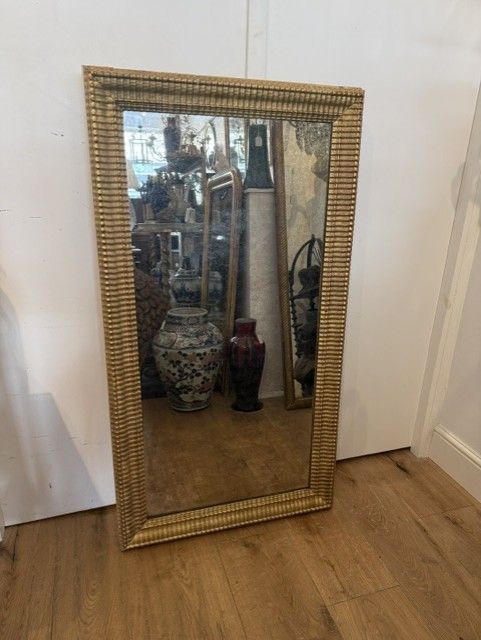
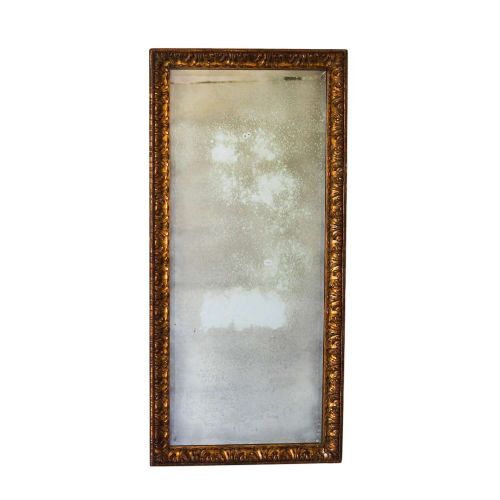
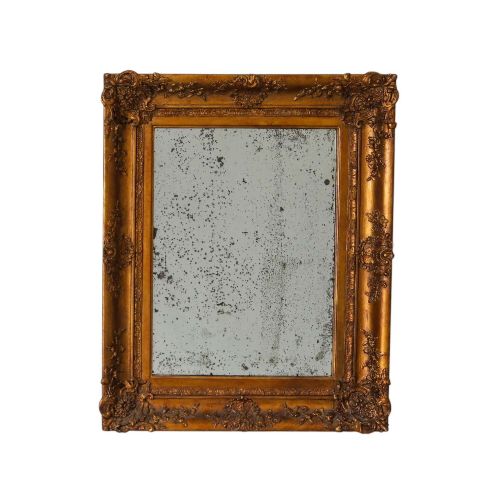

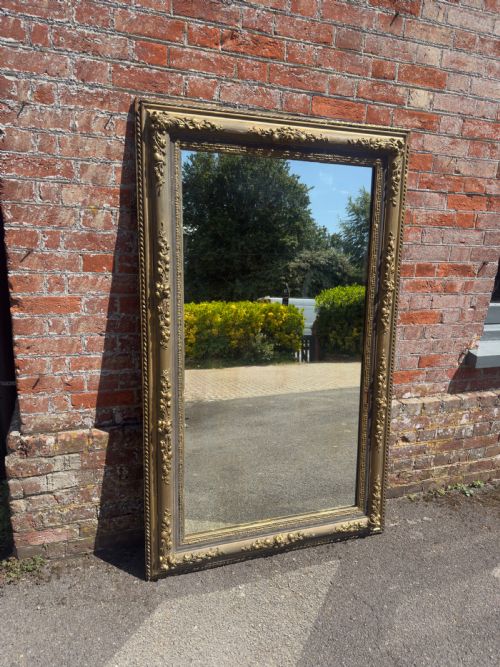

Rectangular Carved Wood Mirror
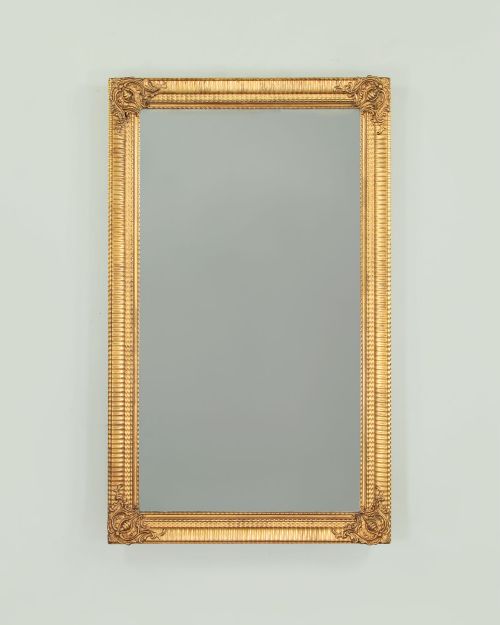
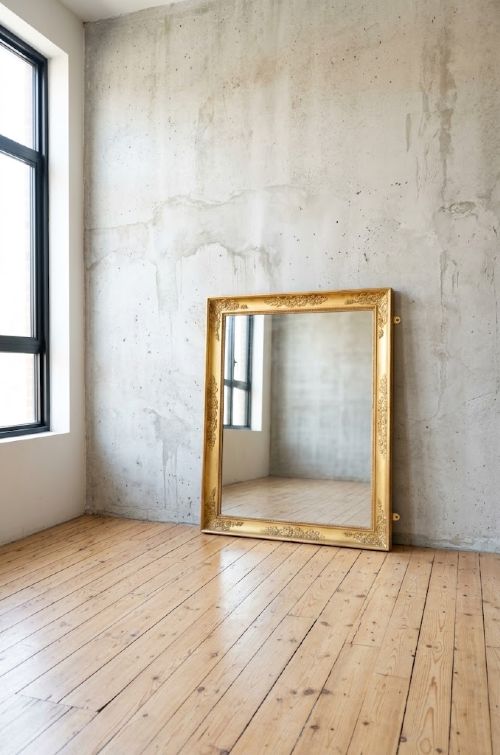
A rectangular carved wood mirror anchors a room with vertical presence, bringing warmth and reflected light to period interiors.
Rectangular Carved Wood Mirror
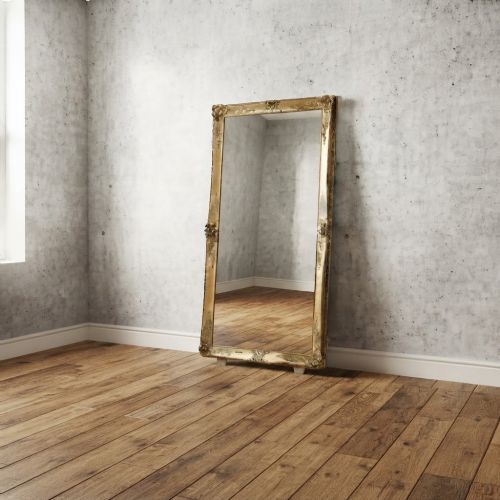
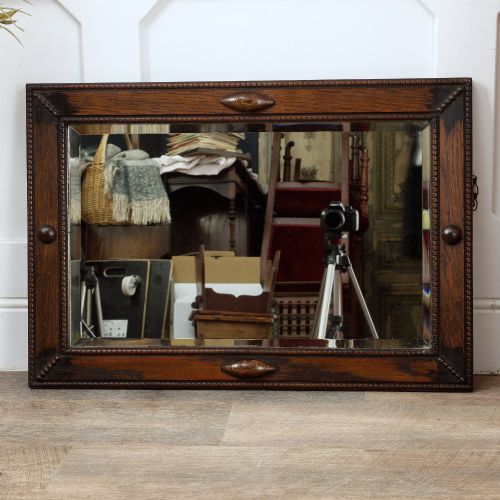
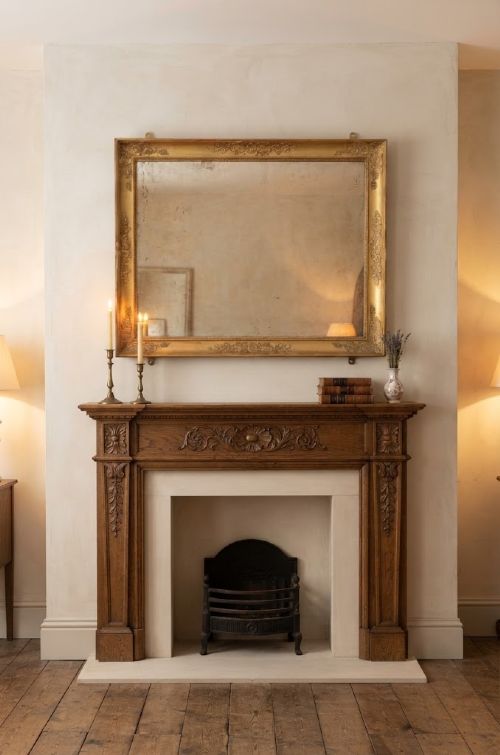
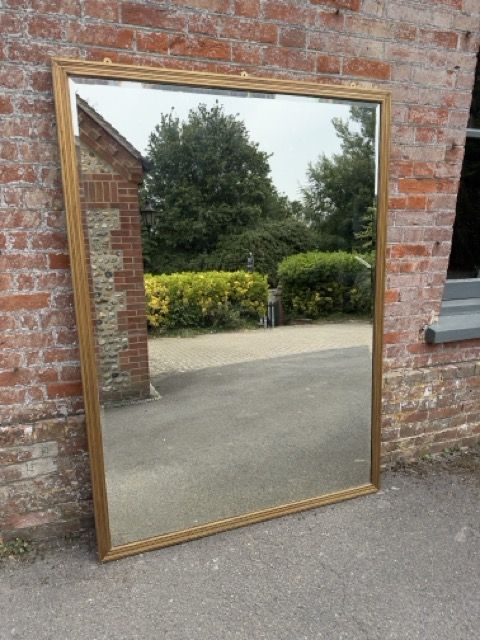
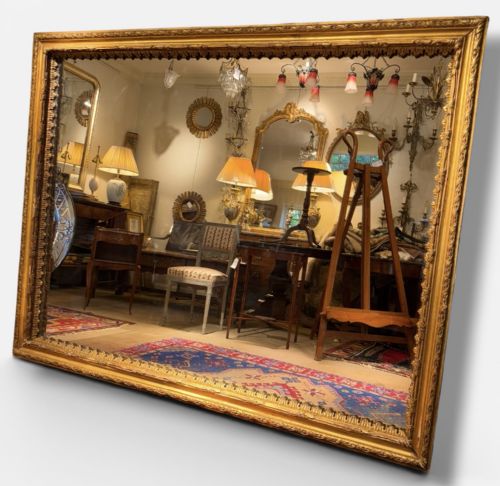
A rectangular carved wood mirror is what a buyer finds when seeking functional wall decor rooted in historical craftsmanship. The selection centres heavily on nineteenth-century English and French pieces, ranging from compact hallway fittings to expansive overmantel and leaner mirrors.
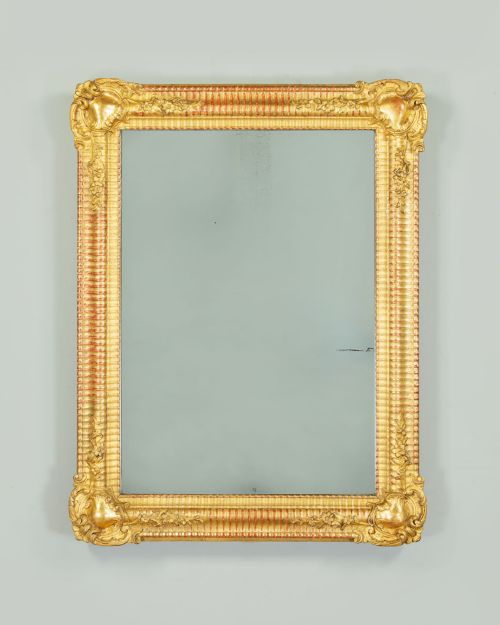
Most examples hail from the Victorian era or continental workshops, adopting styles such as Rococo Revival, Neoclassical, and Florentine. These pieces function primarily as wall mirrors, dressing mirrors, or architectural overmantels designed to amplify spatial depth.
Materials and Technique
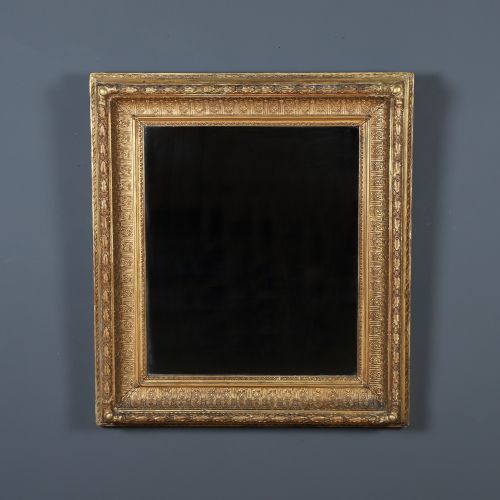
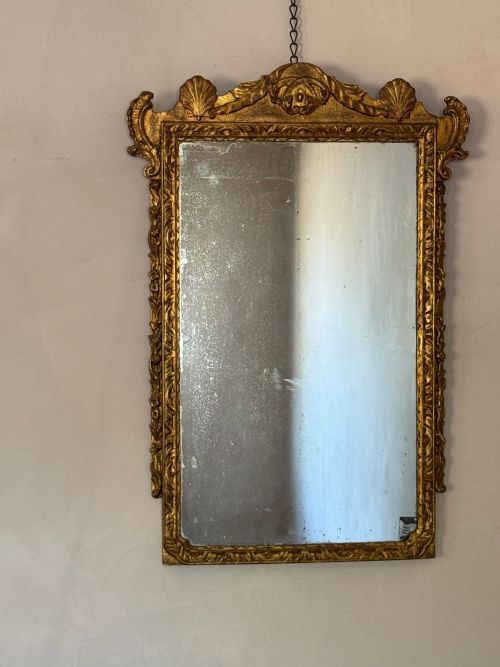
Makers shaped structural frames from solid woods including oak, walnut, pine, and hardwood, frequently applying gesso to build up intricate relief ornament. This plaster-like compound allowed artisans to carve deep scrolls, floral motifs, and mythological elements before finishing.
Gilding with gold leaf or oil gilt provided a brilliant reflective surface to the wooden frames, while alternative pieces relied on paint, faux bamboo shaping, or brass inlay. The glass plates themselves, sometimes exhibiting foxing, sat securely within these substantial carved surrounds.
A faux bamboo wooden frame introduces an unexpected botanical twist to nineteenth-century interior reflection.
Assessing Quality
The distinction between ordinary and superior pieces lies in the depth and crispness of the hand-carved detail within the wood and gesso. Skilled carvers produced ornaments with undercut relief and harmonious proportions, whereas lesser examples relied on shallow moulding.
The integrity of the original gilding or paint surface, alongside the depth of the timber frame, dictates the visual weight of the mirror. Original mirror plates showing natural age add significant character compared to modern replacements.
The Rectangular Carved Wood Mirror Glossary
- Gesso
- A plaster-like mixture applied to wood frames to create a smooth surface for carving and gilding. Artisans built up layers of this substance to model intricate relief ornamentation.
- Giltwood
- Timber coated with gold leaf or metallic paint to achieve a brilliant golden appearance. This finish characterises many formal nineteenth-century salon pieces.
- Overmantel
- A large mirror designed to hang specifically above a fireplace mantelpiece. These substantial items often span the width of the hearth.
- Foxing
- The natural age-related spotting and oxidation appearing within the mirror glass plate. Collectors prize this characteristic as a sign of genuine antiquity.
- Ripple frame
- A moulding profile featuring concentric undulating waves carved directly into the wood. This technique created textured movement around the glass.
Rectangular Carved Wood Mirror: Frequently Asked Questions
Where should I hang an overmantel mirror?
An overmantel mirror traditionally sits directly above a fireplace mantelpiece to reflect light and anchor the hearth visually. It works equally well above a large sideboard or low console table in a principal reception room.
Ensure the wall fixings match the substantial weight of the carved timber and gesso frame. Secure the piece safely into masonry or wall studs for stability.
How do I identify a Victorian mirror?
Victorian mirrors often display heavy carved wooden frames, frequently finished in giltwood or gesso with floral and classical motifs. Examine the construction methods at the back of the frame to check for period fixings and timber ageing.
The style frequently incorporates Rococo Revival scrolls or architectural Victorian proportions suited to nineteenth-century domestic interiors.
What is a foxed glass plate?
Foxed glass exhibits characteristic dark spots, clouding, and silvering loss caused by chemical reactions over decades. This natural weathering develops behind the glass surface.
Many collectors value foxed plates because they confirm the mirror retains its genuine antique glass rather than a modern replacement.
How do I care for giltwood frames?
Maintain giltwood and gesso frames by dusting gently with a soft, dry brush to prevent particle buildup. Avoid liquid cleaners, polishes, or damp cloths, which can damage delicate gold leaf and gesso.
Keep the mirror away from direct sunlight and excessive humidity to protect the underlying wooden structure and historic finish.