
Reading Chair Castors
Reading chair castors support heavy library chairs and low seats designed for long hours with a book.
Reading Chair Castors
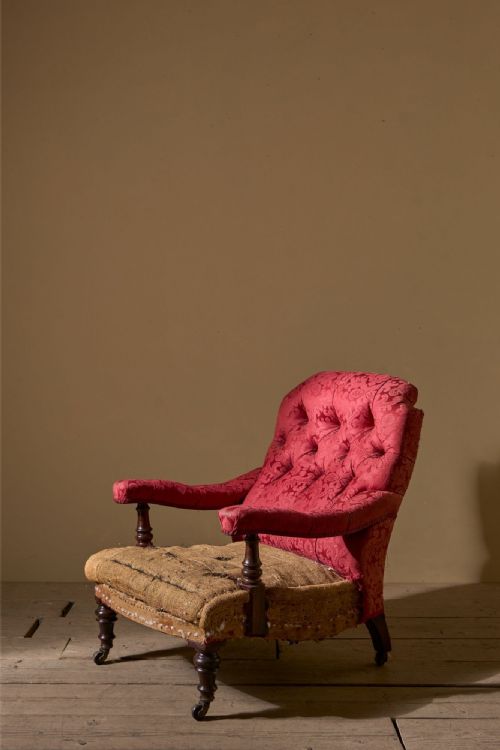
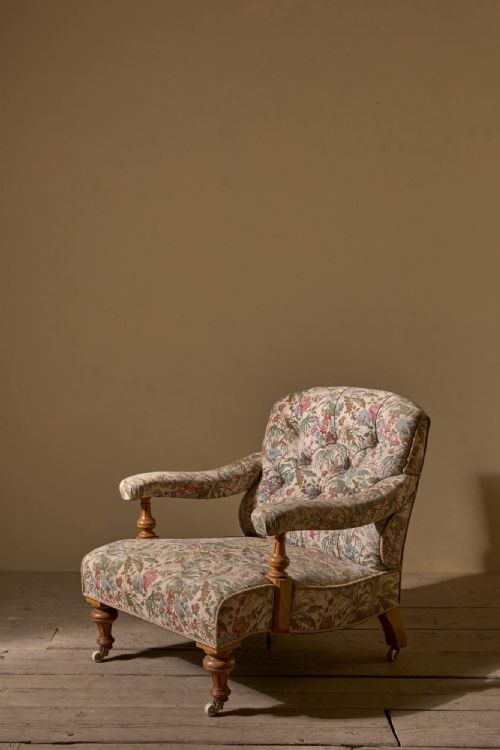
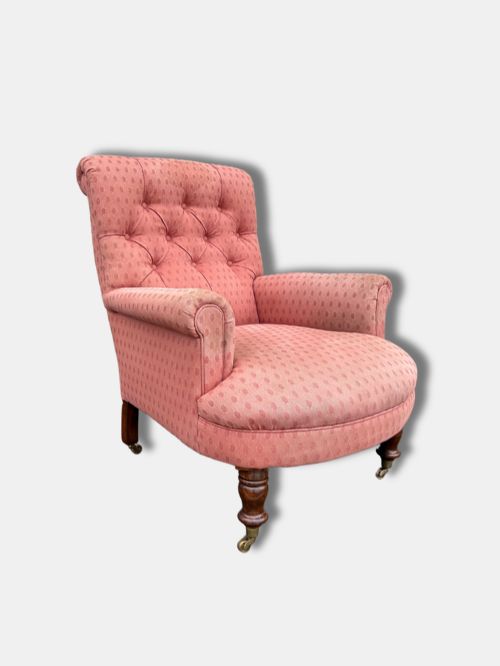
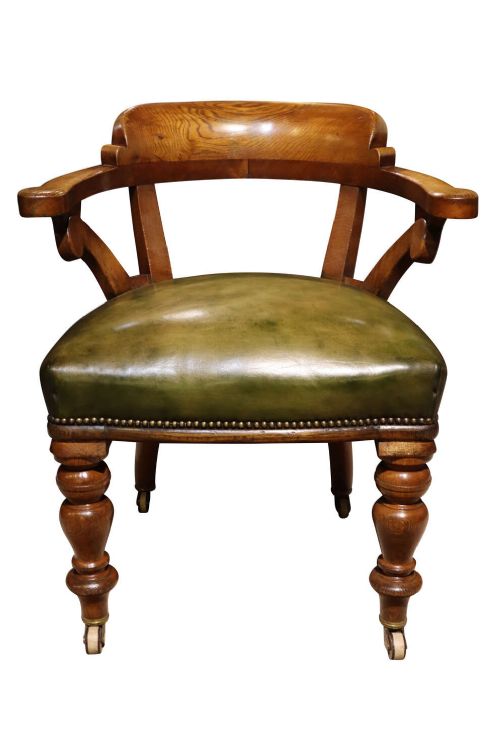
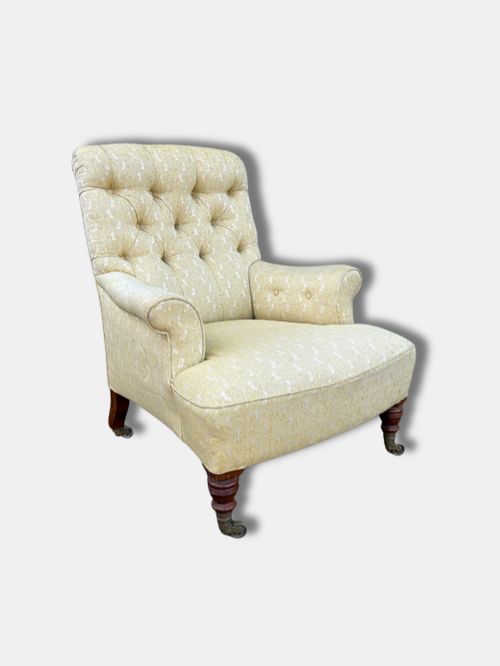
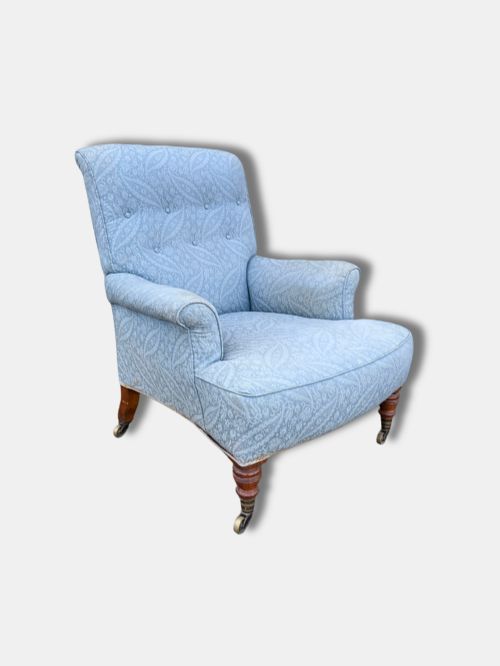
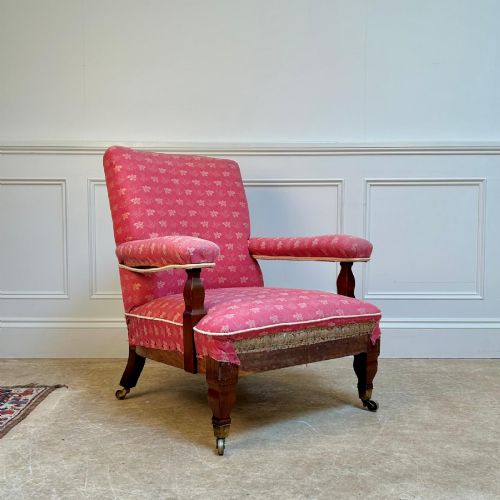
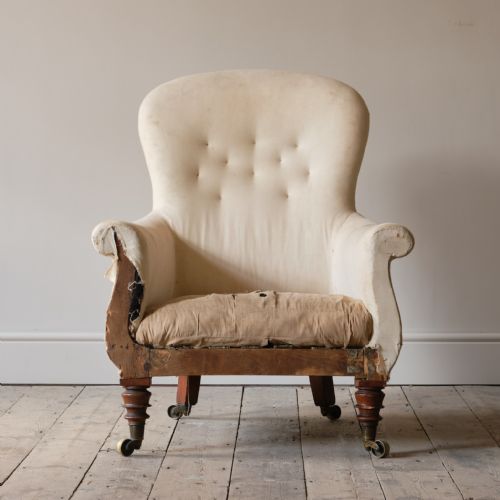
When you search for reading chair castors, you find structural hardware attached to library armchairs, desk chairs and low lounging seats. The listings on this page centre on heavy seating forms rather than loose fittings, spanning the Georgian, Regency, William IV, Victorian and Edwardian periods.
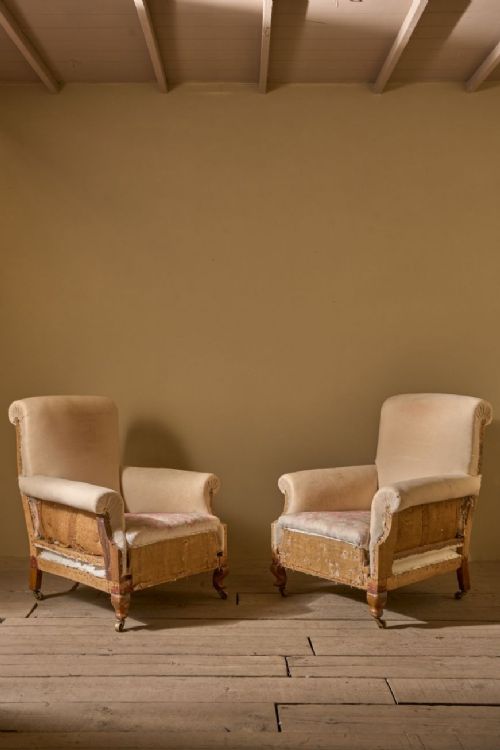
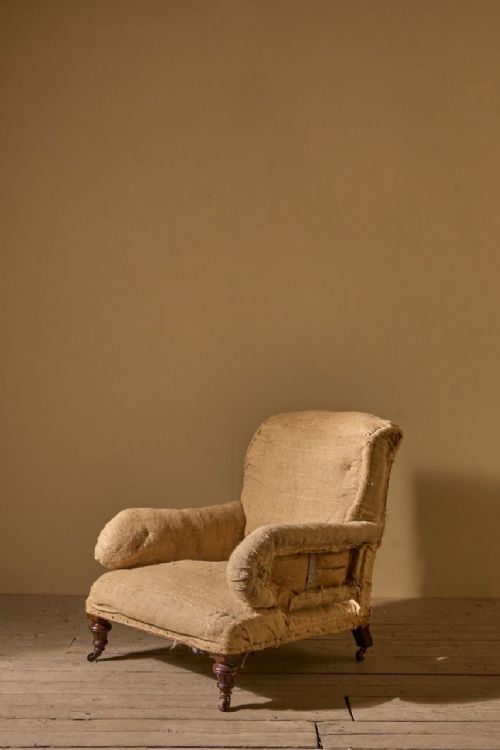
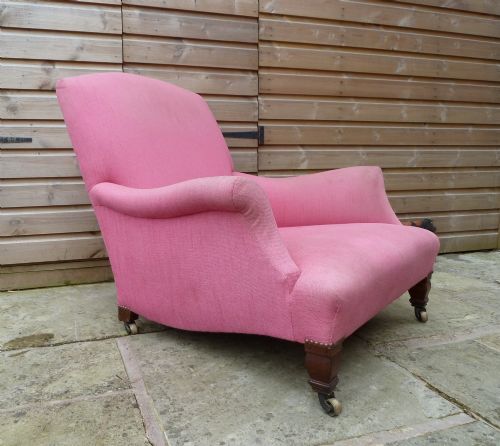
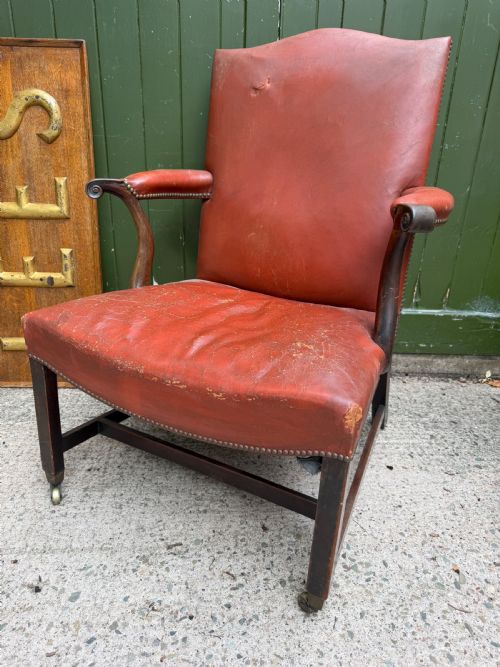
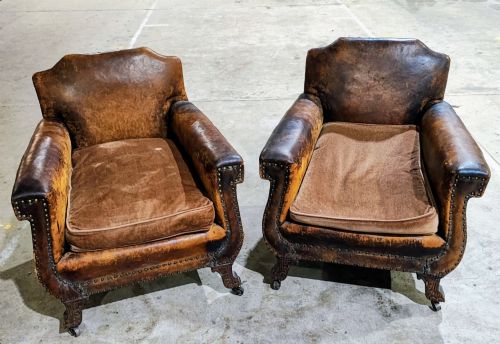
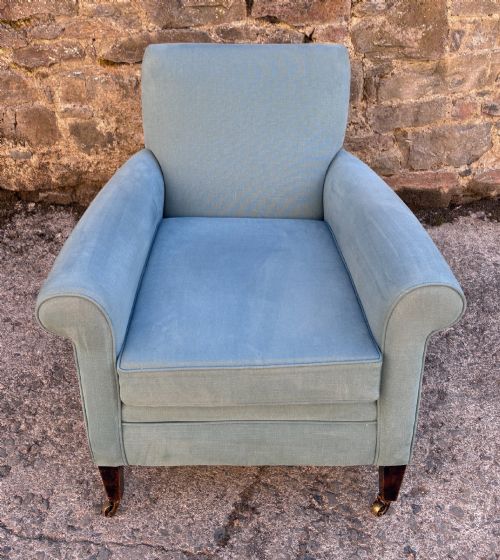
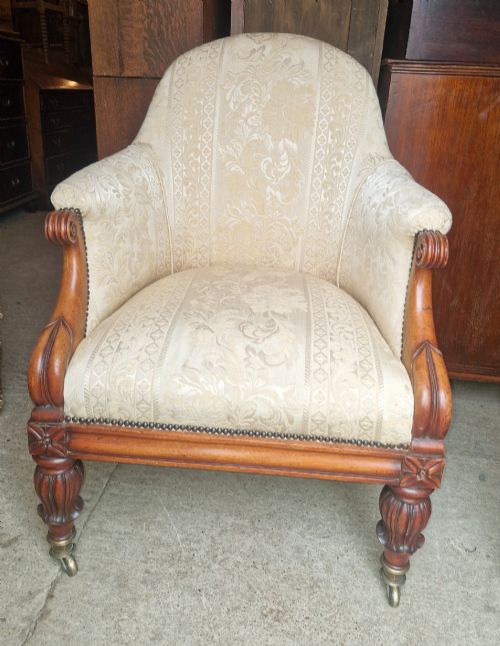
You will encounter substantial library armchairs, Gainsborough chairs, club chairs and deep-seated country house armchairs. These pieces often rest on timber frames of mahogany, oak or walnut, which rely upon sturdy metal rollers to move across heavy carpets.
Materials and construction
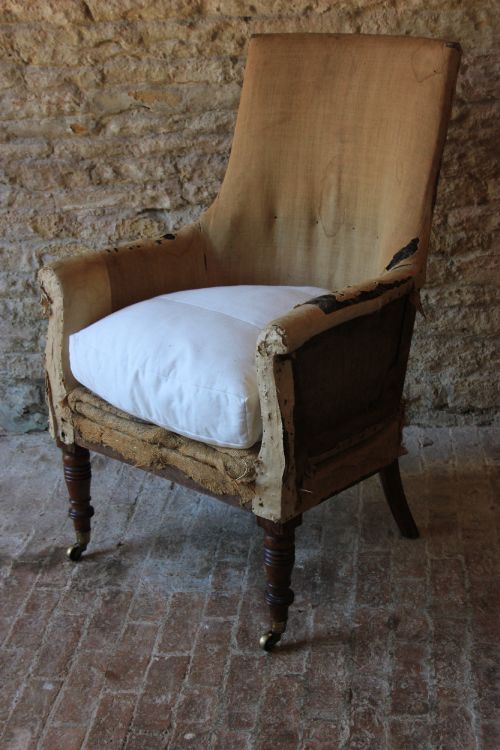
Makers built these heavy armchairs around robust frames of mahogany, golden oak or walnut, upholstered in leather, velvet, calico, hessian or fabric. The woodwork supports deep padding designed for sustained comfort during long periods of reading.
Metal fittings such as brass rollers attach to the base of the legs to bear the substantial weight of the timber frame and the seated reader. These mounts allow smooth movement across thick nineteenth-century floor coverings.
Brass rollers ensured nineteenth-century readers could glide across heavy Wilton carpets without spilling their ink.
Distinctions in quality
The standard of a piece rests upon the crispness of the timber carving, the integrity of the internal stuffing and the durability of the metal mounts. Higher quality examples retain their original castors and undisturbed frame joints rather than replacement hardware.
Proportion and timber selection separate ordinary workshop production from fine maker-attributed library seating. The refinement of the arm profiles and the stability of the wheel attachments dictate the standing of the chair.
Howard and Sons·Morris and Co·Gillows·Morison and Co·Holland and Sons·Hindley and Sons·Hampton and Sons
The Reading Chair Castors Glossary
- Castor
- A small wheel mounted on a swivel assembly attached to the base of a chair leg to permit rolling movement. They are typically cast from brass and secured with a timber stem or plate.
- Bergère
- An enclosed upholstered armchair with exposed wooden framing and cane or upholstered sides. These seating forms often incorporate low frames requiring robust undercarriage support.
- Gainsborough chair
- A wide, open-armed mahogany library armchair with a padded seat and back, dating from the eighteenth century onwards. Such substantial seats frequently require metal rollers for repositioning.
- Library armchair
- A heavy, deep-seated upholstered chair designed for study or reading rooms. They are constructed to support extended periods of use.
- Mahogany
- A durable tropical hardwood favoured for nineteenth-century frame construction due to its strength and resistance to warping under heavy loads.
Reading Chair Castors: Frequently Asked Questions
What is a reading chair?
A reading chair is a heavy, deep-seated armchair designed for comfort during long hours in a library or study. They often feature upholstered arms and sturdy frames built to withstand prolonged use.
Many examples incorporate timber frames of mahogany or oak mounted on small metal rollers to allow easy movement across carpeted floors.
Where were these chairs used?
These armchairs sat primarily in country house libraries, private studies and formal drawing rooms. Their robust construction suited spaces dedicated to reading and writing.
The inclusion of metal rollers allowed owners to reposition heavy seats near fireplaces or writing desks without damaging floor coverings.
Are these chairs comfortable?
These seating forms prioritize deep padding and supportive backrests designed for long periods of reading. The generous proportions accommodate relaxed postures.
Upholstery materials such as leather, velvet and traditional stuffing provide a firm yet supportive seat.