
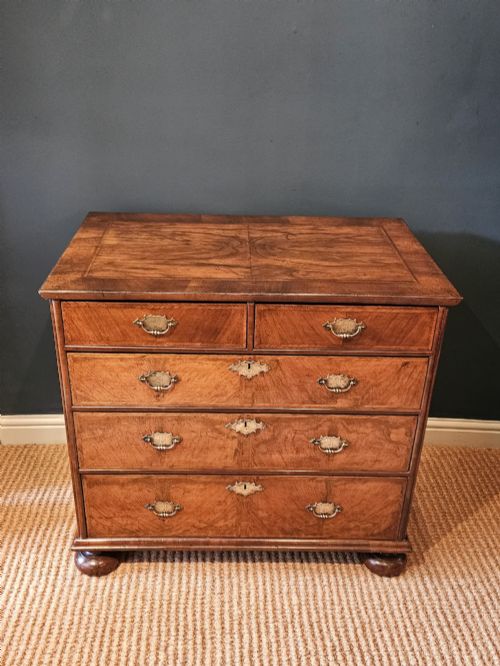
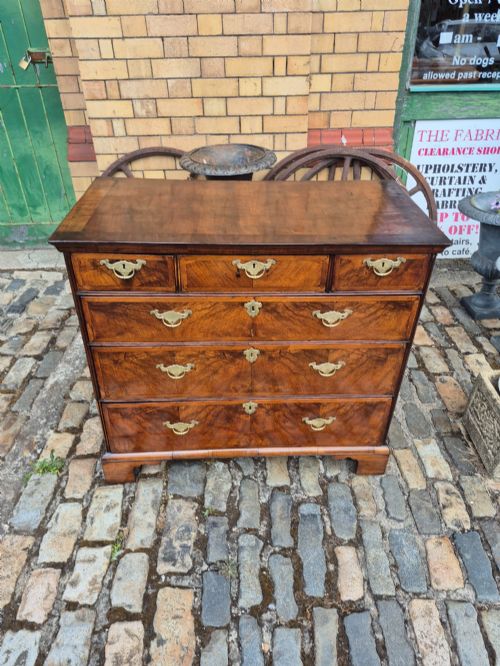
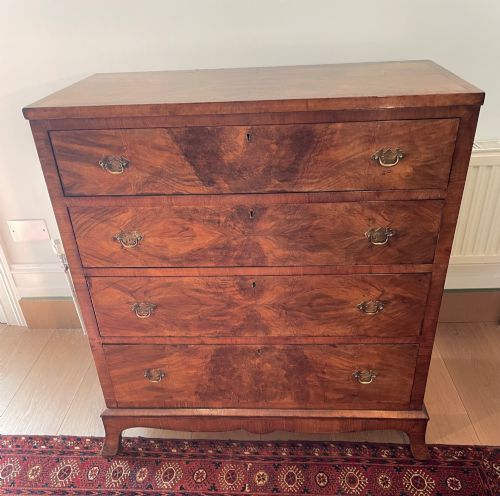
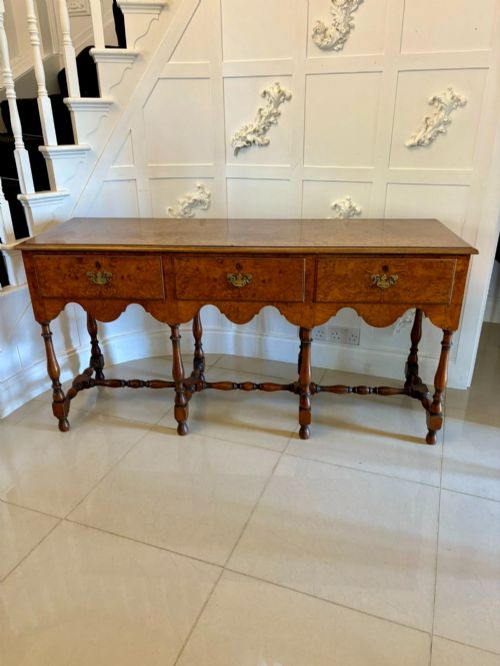
Queen Anne Walnut Dresser
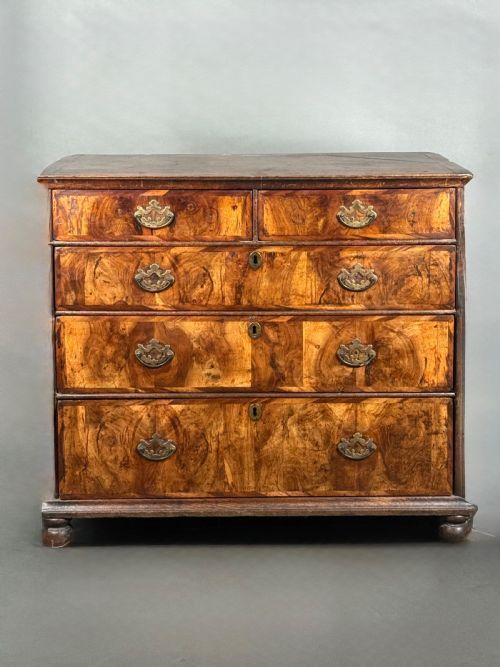
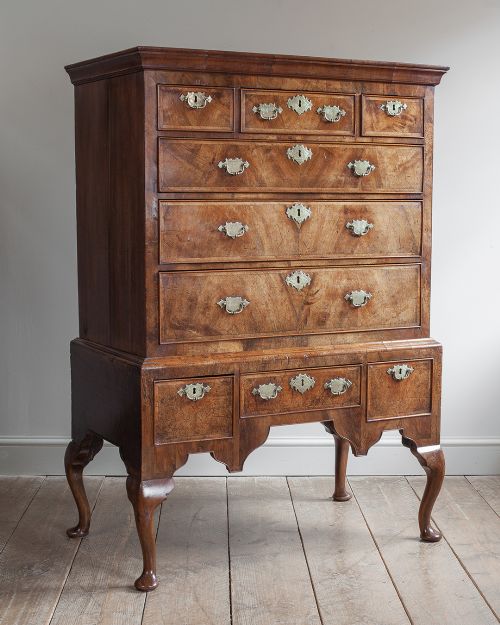
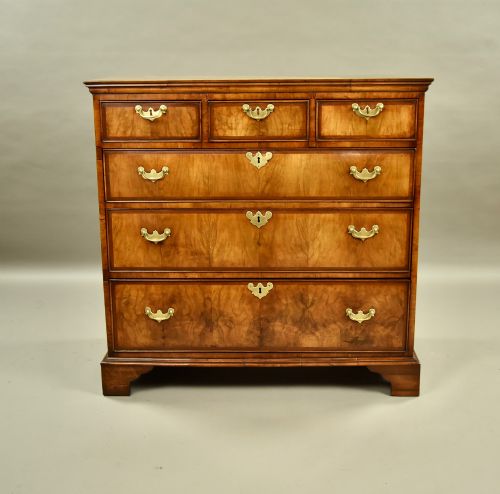
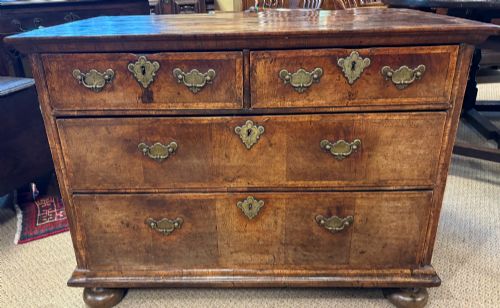
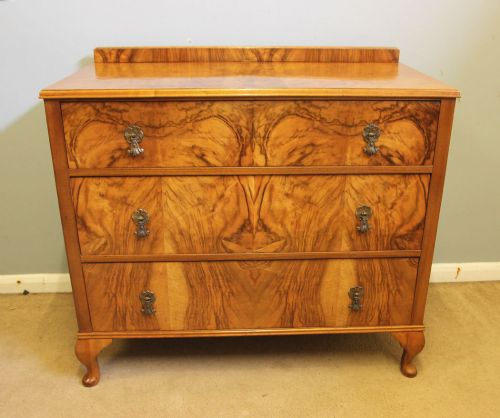
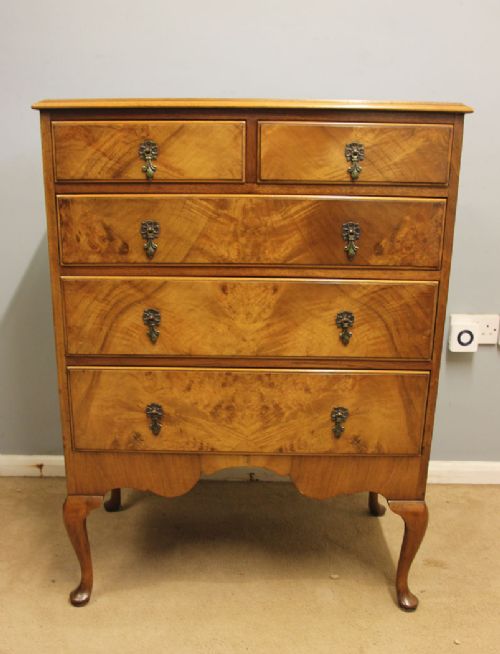
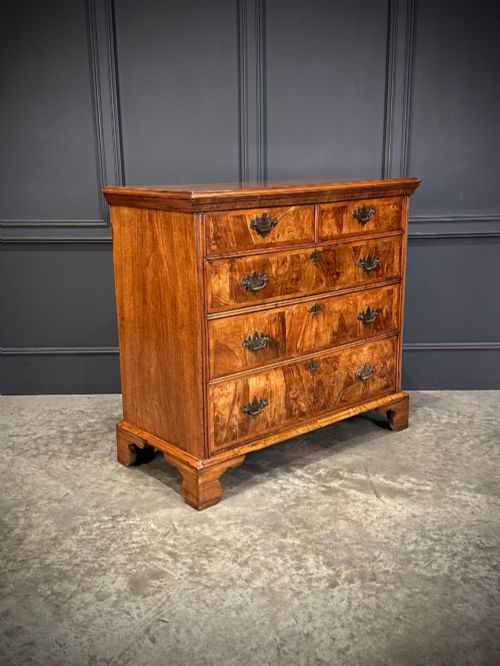
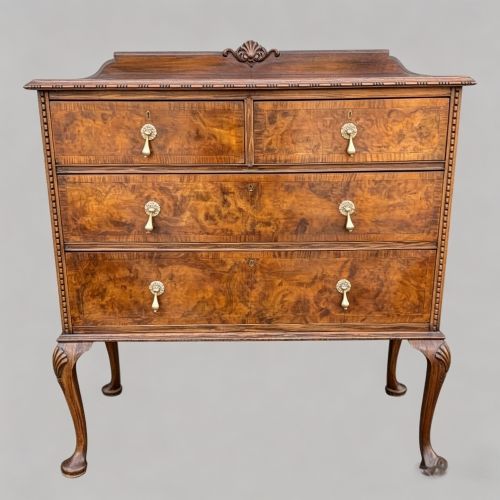
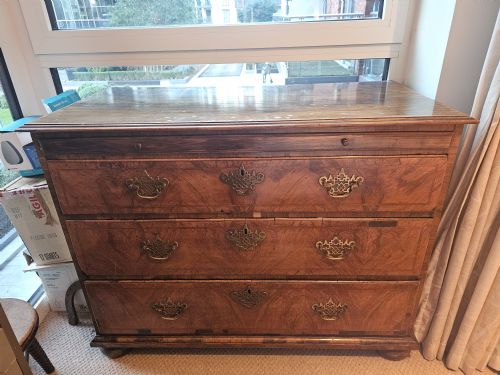
A queen anne walnut dresser combines refined domestic storage with the rich grain of burr and figured veneers.
Queen Anne Walnut Dresser
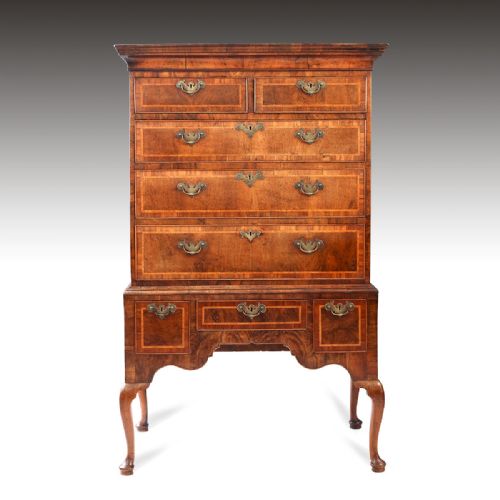
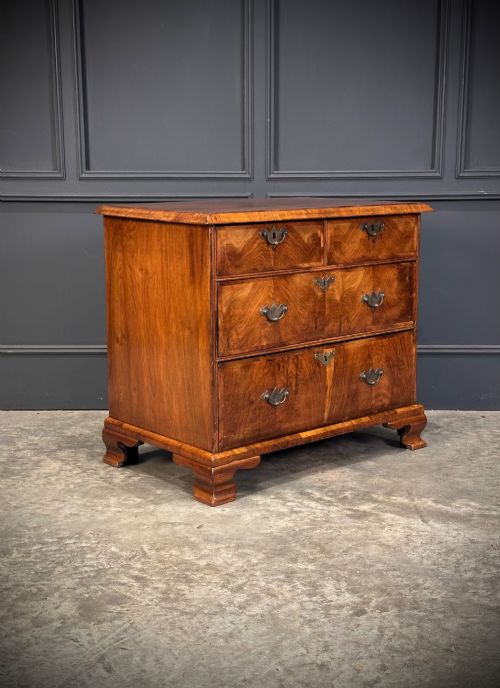
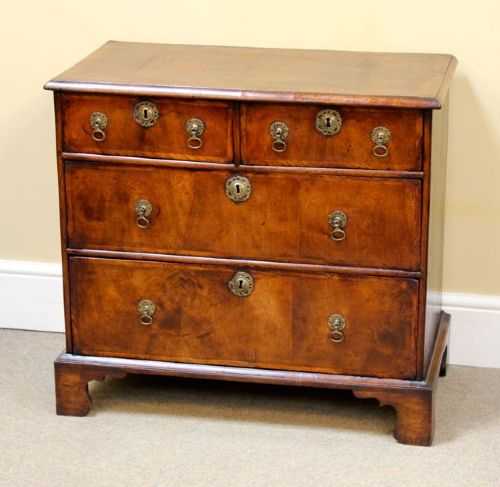
A queen anne walnut dresser brings together chests of drawers, chests on stands, and sideboard bases spanning the early eighteenth century through to twentieth-century revivals. Buyers encounter authentic eighteenth-century examples alongside Edwardian and 1930s interpretations sharing the same overarching aesthetic.
The dominant forms on this page include tall chests, lowboys, and chest on stand configurations that rest on cabriole legs or bracket feet. Figured, burr, and veneered walnut surfaces define the visual character across both period pieces and later revivals.
Materials and construction methods
Cabinet makers applied thin veneers of figured and burr walnut over secondary woods like oak, creating rich grain patterns on drawer fronts and top panels. Herringbone banding often frames these veneered surfaces, adding crisp geometric definition.
Brass handles and escutcheons punctuate the dark timber, while sliding top panels and specialised stands demonstrate the joinery techniques used to elevate domestic storage during the eighteenth century and subsequent revival periods.
Some seventeenth-century survivors have quietly observed more than three centuries of domestic life while holding spare linens.
Distinguishing quality across periods
The sophistication of the walnut veneer work and the depth of the timber's figuring separate standard production from exceptional examples. Early pieces display meticulous matching of grain across drawer fronts and harmonious proportions that govern the entire silhouette.
Execution of carved details on cabriole legs and the integration of secondary timbers such as oak reveal the hand of the maker. Finer items maintain crisp edges around banding and inlay, whereas simpler iterations rely purely on the natural pattern of the wood.
Hille of London
The Queen Anne Walnut Dresser Glossary
- Burr walnut
- A figured wood taken from the knotty growths of walnut trees, yielding intricate, swirling grain patterns highly prized for cabinet fronts.
- Cabriole leg
- A furniture leg that curves outward at the knee and tapers inward toward the foot, typical of the Queen Anne and George I periods.
- Chest on stand
- A form comprising a main chest of drawers elevated on a separate framework with legs, often featuring lower drawers.
- Herringbone banding
- Narrow strips of veneer laid diagonally in opposing directions to form a V-shaped pattern around drawer perimeters.
- Veneer
- A thin layer of superior walnut timber applied over a sound secondary wood such as oak to create decorative surfaces.
Queen Anne Walnut Dresser: Frequently Asked Questions
How do I date a walnut chest?
Dating relies on examining construction methods, timber selection, and hardware styles. Eighteenth-century pieces exhibit hand-cut dovetails and native oak secondary woods.
Revival pieces from the Edwardian era and the 1930s utilise machine tooling and different internal framing while copying earlier forms.
Where should I place a walnut dresser?
These pieces suit living rooms, hallways, or bedrooms where their dark timber and figured grain can act as focal points. Keep them away from direct sunlight and heat sources to protect the delicate veneers.
Maintaining stable room humidity prevents the timber from drying out or splitting.
What distinguishes burr walnut from figured walnut?
Burr walnut derives from tree growths containing numerous bud clusters, producing dense, swirling patterns. Figured walnut encompasses a broader range of decorative grain variations found in standard timber cuts.
Both types were utilised extensively to adorn drawer fronts and top panels.