



Queen Anne Piano Bench
These queen anne piano bench options bring classic period seating into modern rooms, offering practical dual-purpose utility and traditional timber forms.
Queen Anne Piano Bench
When you search for a queen anne piano bench, you are looking at sturdy wooden seating designed primarily for keyboard instruments and dressing tables, spanning the nineteenth century through the early twentieth century. The selection here includes Edwardian pieces, pieces dated to nineteen hundred, and nineteenth-century examples.
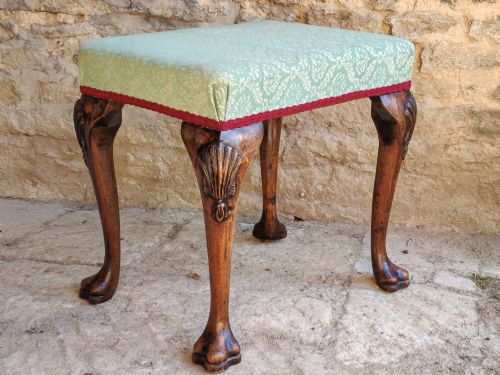
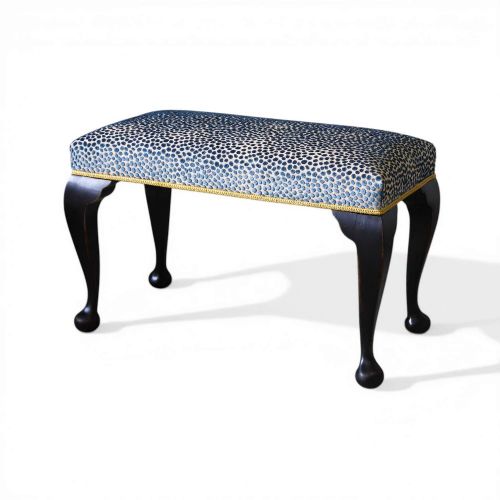
Forms vary from single seats to duet stools and longer dressing stools. You will encounter mahogany, walnut, and ebonised wood frames, often reflecting Queen Anne style, Queen Anne revival, or Chippendale revival influences.
Most examples feature upholstered seats covered in fabric, wool, textiled braid, or needle point. Turned legs or ball and claw details appear frequently across the available inventory.
Materials and Construction
Cabinet makers constructed these benches using solid timbers such as mahogany and walnut, alongside ebonised wood finishes. Turned legs provide structural support and decorative character.
Upholstery techniques involve fabrics, wool, and textile braid trims. Brass components occasionally supplement the woodwork on specific designs.
Queen Anne Piano Bench Retail Price Guide 2026
Typical asking prices for queen anne piano bench among the pieces listed under this phrase on Sellingantiques today, from the lower quarter to the upper quarter. They describe what is for sale here now, not the wider market.
Some Edwardian stools arrived with such charming versatility that earlier owners simply declared them functional works of art.
Factors Affecting Quality
The choice of primary timber sets the baseline for quality, with rich walnut and figured mahogany holding higher regard than ebonised alternatives. Finer carving on the legs, particularly detailed ball and claw motifs, distinguishes superior execution.
Upholstery finish also dictates refinement. Pieces finished with traditional needle point demonstrate greater artisanal investment than standard fabric coverings.
The Queen Anne Piano Bench Glossary
- Duet Stool
- A wider seat designed to accommodate two people at once. These are commonly found in nineteenth- and early twentieth-century musical settings.
- Ebonised Wood
- Timber treated to resemble ebony through a dark staining or painting process. This finish was particularly popular during the Edwardian period.
- Needle Point
- A form of counted thread embroidery used historically for durable seat upholstery. It often displays intricate floral or geometric patterns.
- Ball and Claw
- A decorative foot motif depicting a bird's talon clutching a ball. This design originates from classical Chinese art and heavily influenced revival furniture.
Queen Anne Piano Bench: Frequently Asked Questions
What is a duet piano stool?
A duet piano stool is an extended seat built to hold two players simultaneously during piano practice or performance. They offer generous proportions compared to single stools.
These pieces match the width needed for duet sheet music sharing. They appear frequently in Edwardian and early twentieth-century contexts.
How do I identify Edwardian seating?
Edwardian seating typically dates from the early twentieth century and often combines darker ebonised wood or polished mahogany. Turned legs and upholstered tops remain characteristic of this era.
Makers of this period frequently drew inspiration from earlier Queen Anne styles. This creates a distinct revival aesthetic while maintaining functional utility.
Where were these stools used?
These benches were originally placed beside pianos in drawing rooms or music rooms. Their sturdy construction supported musicians during long practice sessions.
Over time, many of these seats transitioned into dressing table stools. Their compact size makes them adaptable for bedrooms and hallways today.
What materials make up the upholstery?
Upholstery on these pieces relies on traditional textiles, including woven fabrics, wool, and decorative braid trim. Needle point tops also appear on select dressing and piano stools.
These materials reflect the decorative tastes of the nineteenth and early twentieth centuries. They provide both texture and practical comfort for daily seating.