

Queen Anne Burr Walnut Cupboard
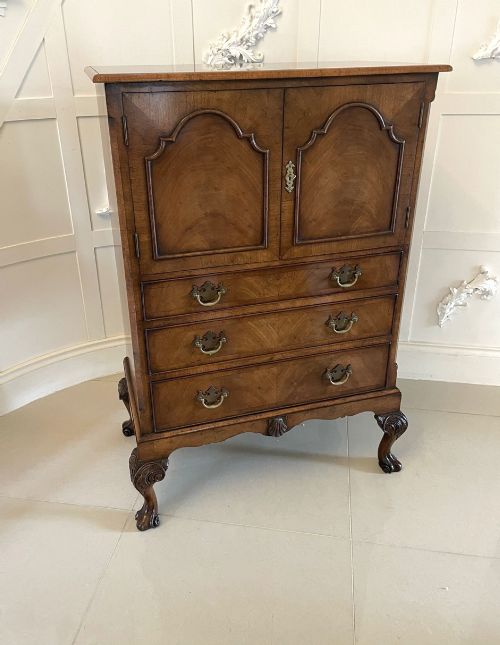
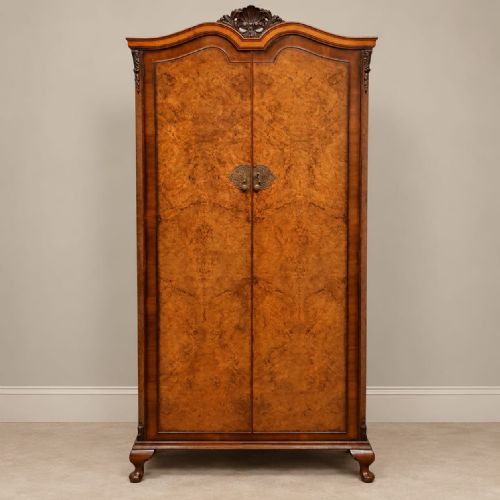
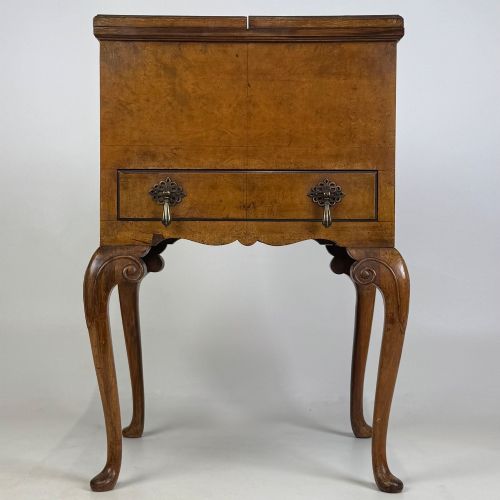
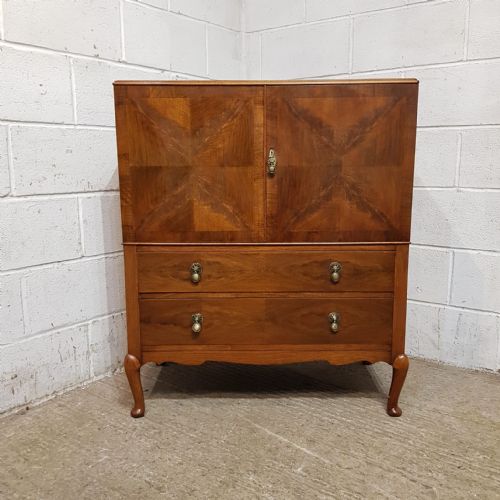
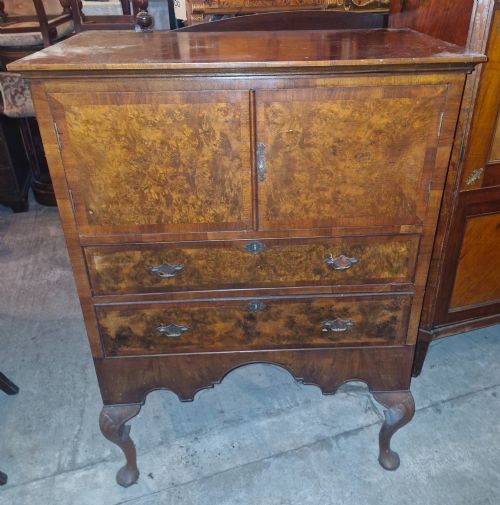
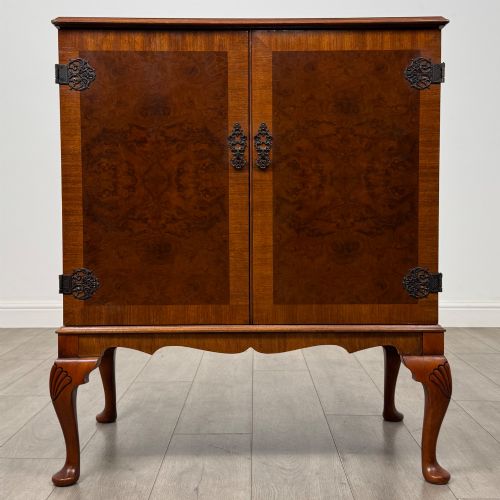
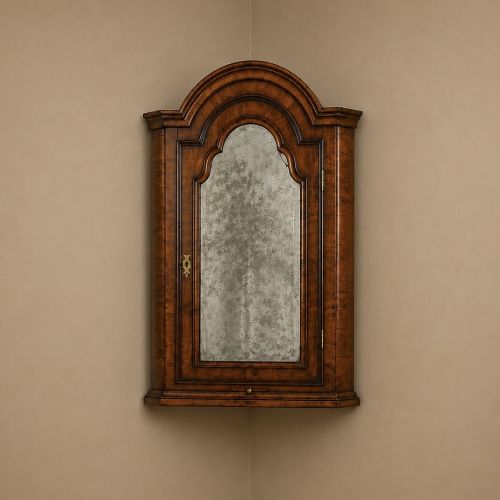
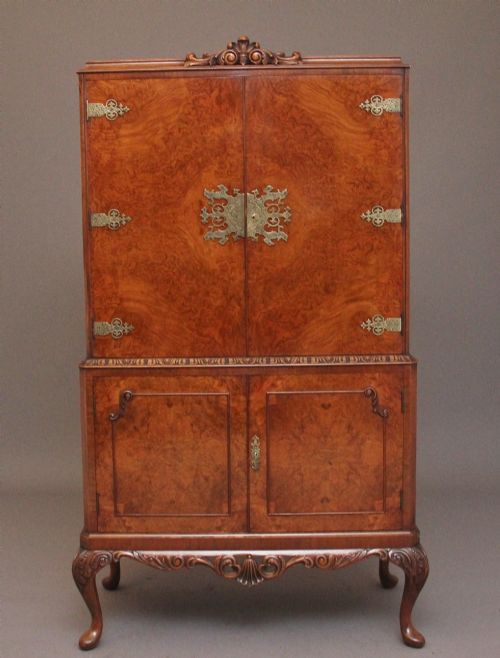
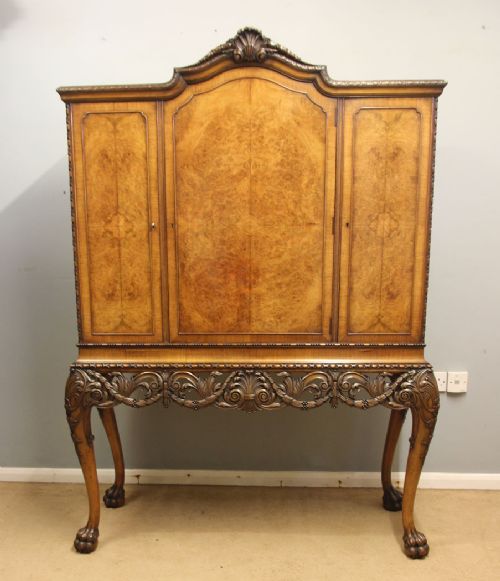
A queen anne burr walnut cupboard brings rich swirling grain and graceful cabriole lines directly into a room.
Queen Anne Burr Walnut Cupboard
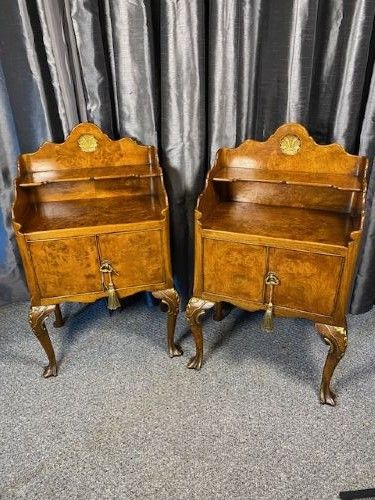
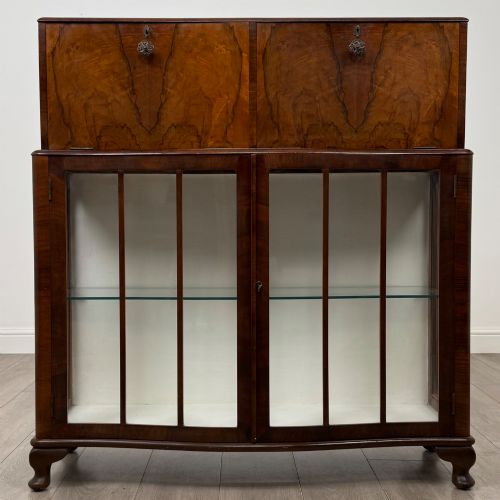
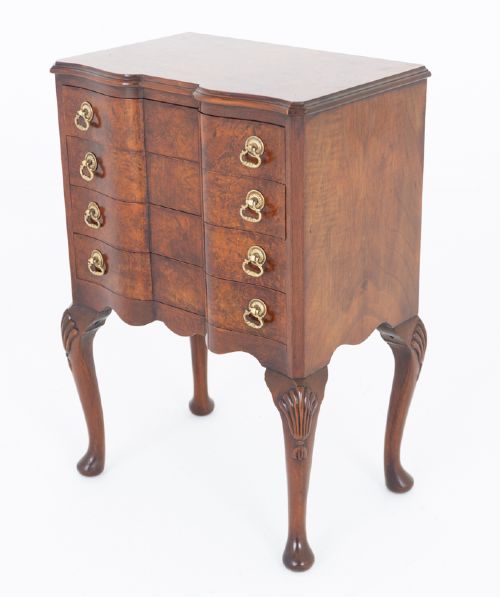
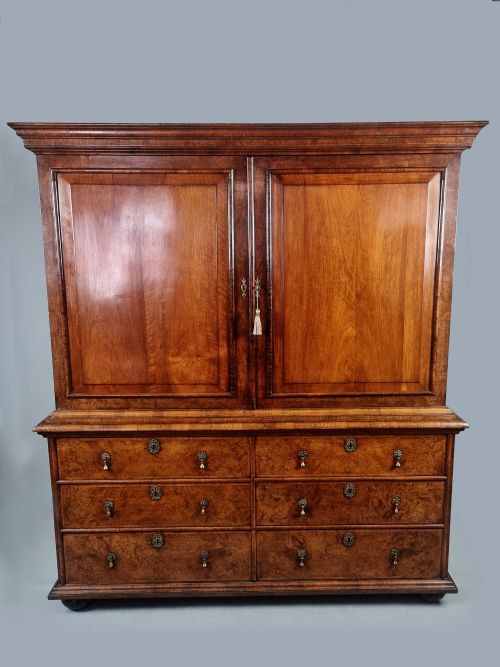
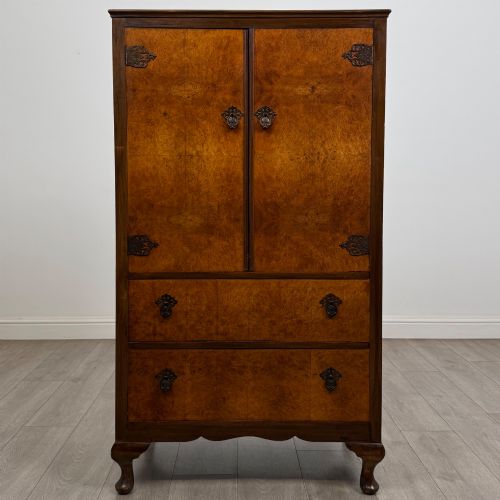
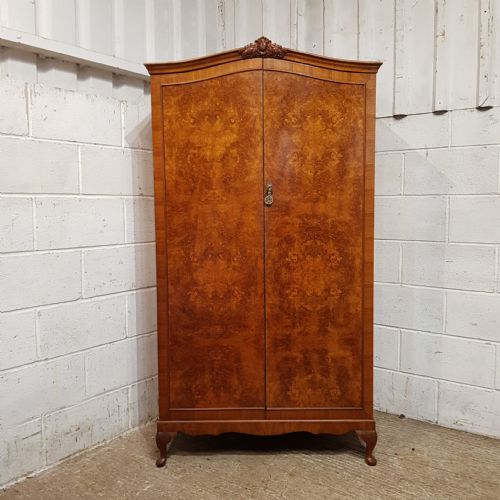
A queen anne burr walnut cupboard encompasses various elevated storage forms including cocktail cabinets, tallboys, chests on stands, and bedside units. Pieces emerge across the eighteenth century, alongside a substantial revival movement spanning the Edwardian era into the nineteen-thirties.
Buyers encounter period originals featuring authentic patination alongside early twentieth century revival interpretations. These items function as drinks cabinets, display units, and bedside tables while retaining distinct period proportions.
Materials and Construction
Craftsmen select burr walnut veneer for its intense figured patterns, applying the thin timber layers over solid oak or secondary wood carcases. Brass hardware such as drop handles and escutcheons secure the doors and drawers.
Cabinet makers shape walnut solids into cabriole legs and frame structures, sometimes incorporating glass panels or mirrored doors. Techniques balance decorative grain matching with stable underlying joinery.
Listings span periods from the seventeenth century through to nineteen thirty, featuring oak, glass, and brass alongside walnut veneer.
Craftsmanship and Proportion
Excellence rests in the continuity of the burr walnut figuring across the front panels and the crispness of carved details on the legs. Superior examples maintain balanced proportions and retain original brass fittings.
The sophistication of the internal layout, whether fitted with cocktail compartments, sliding shelves, or candle slides, separates standard production from exceptional cabinet work.
The Queen Anne Burr Walnut Cupboard Glossary
- Burr walnut
- A figured wood veneer harvested from tree growths, producing intricate swirling patterns across cabinet doors. This material defines the decorative surface of the style.
- Cabriole leg
- A furniture leg featuring a double curve, swelling outward at the knee and tapering inward to a foot. This shape is characteristic of the Queen Anne aesthetic.
- Press cupboard
- A tall storage piece containing shelving behind upper doors and drawers below. These items provide substantial enclosed storage.
- Kneehole desk
- A compact writing table featuring a central recess flanked by pedestals of drawers. These desks suit smaller rooms.
- Candle slide
- A pull-out wooden shelf positioned beneath a mirror or cabinet door to hold a candle. Originals include this practical eighteenth century feature.
Queen Anne Burr Walnut Cupboard: Frequently Asked Questions
What is a burr walnut cupboard?
A burr walnut cupboard is a wooden storage piece decorated with figured veneer. These cabinets range from tallboys and wardrobes to compact bedside units.
Craftsmen apply thin slices of burr timber to create complex patterns on the exterior doors and drawers. They serve as functional storage while adding rich texture to a room.
How do I identify a revival piece?
Revival pieces date from the Edwardian era through the nineteen-thirties rather than the early seventeen hundreds. Examination of the interior construction, secondary woods, and hardware reveals the manufacturing era.
Makers of the revival period adopted eighteenth century forms like the Queen Anne style while utilising modern machinery and assembly methods.
Where should I place a bedside cabinet?
Bedside cabinets fit beside a bed to provide enclosed storage and a surface for a lamp. Their compact dimensions suit modern bedrooms.
The figured grain patterns add warmth and visual interest when paired with simpler headboards and neutral walls.
How do I care for walnut veneer?
Walnut veneer requires protection from direct sunlight and excessive moisture to prevent fading and lifting. Regular dusting with a soft cloth maintains the finish.
Avoid placing these items near radiators or heat sources that can dry out the historic timber and cause the veneer to crack.