



Qing Style Tables
Qing style tables bring substantial hardwood frames, marble inserts and intricate carving from traditional interiors into modern rooms.
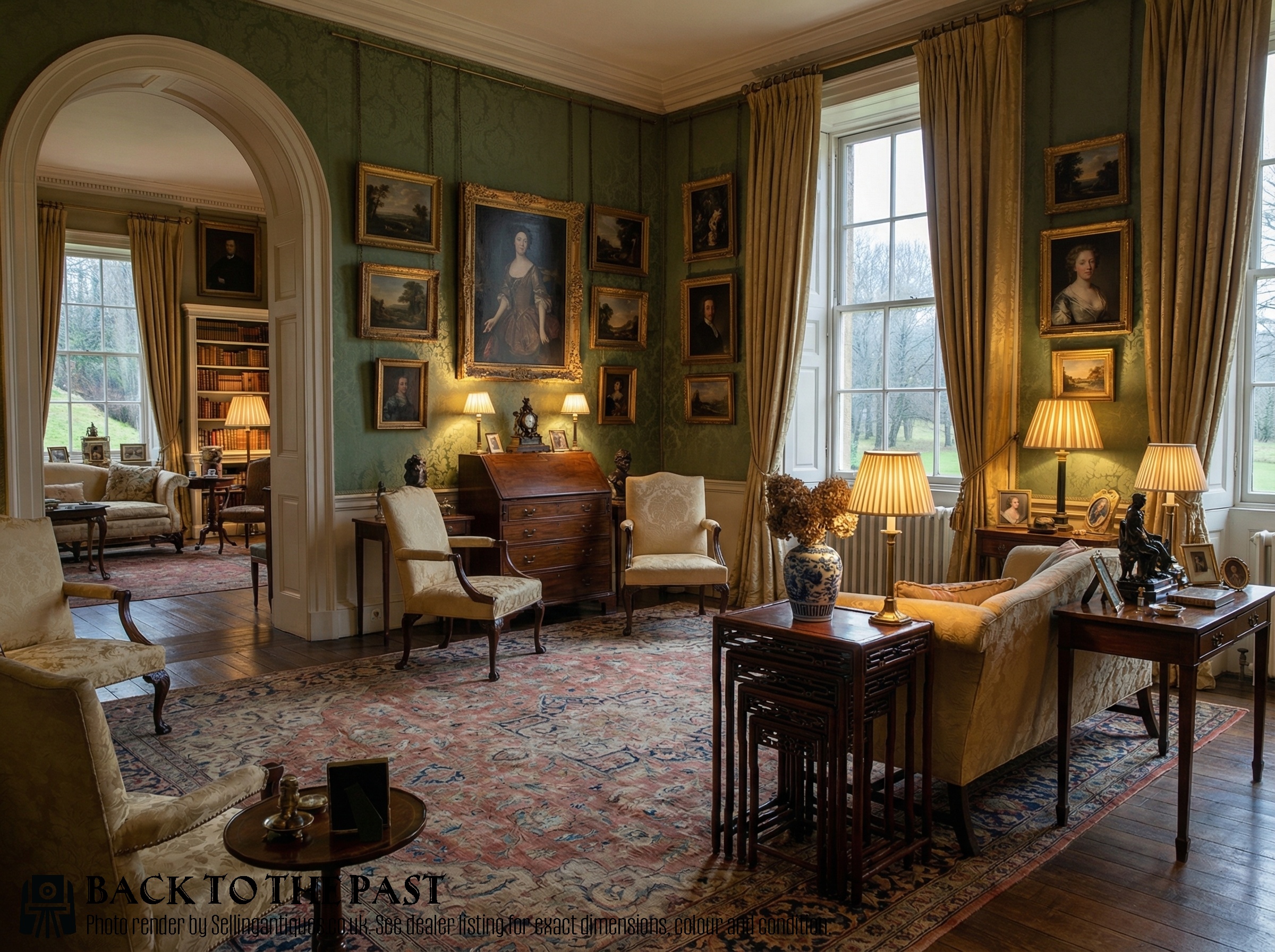
Qing Style Tables
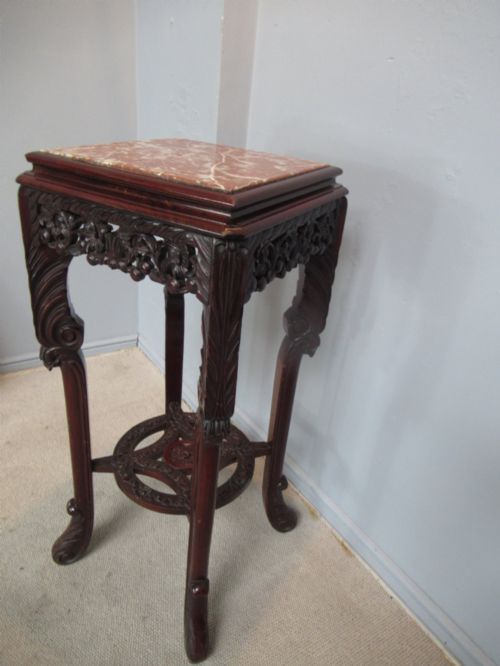
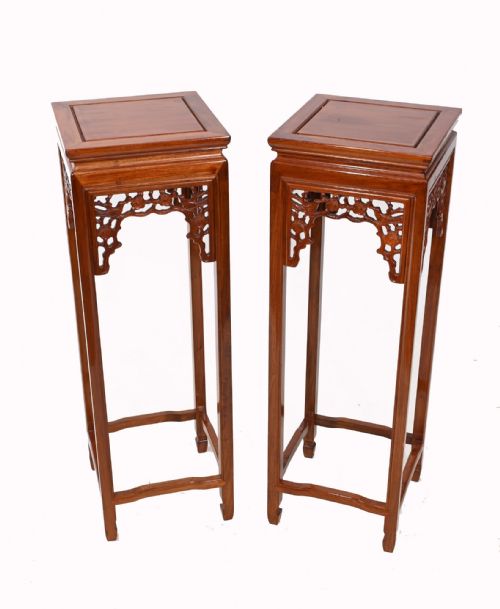
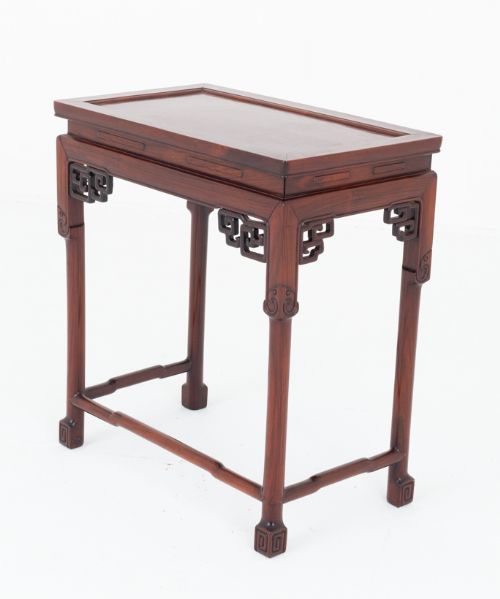
When searching for qing style tables, buyers encounter low opium tables, side tables, altar tables and plant stands dating from the eighteenth century through the Victorian era and the early twentieth century. These pieces serve functional roles as coffee tables, lamp tables and console tables while retaining distinct regional and period forms.
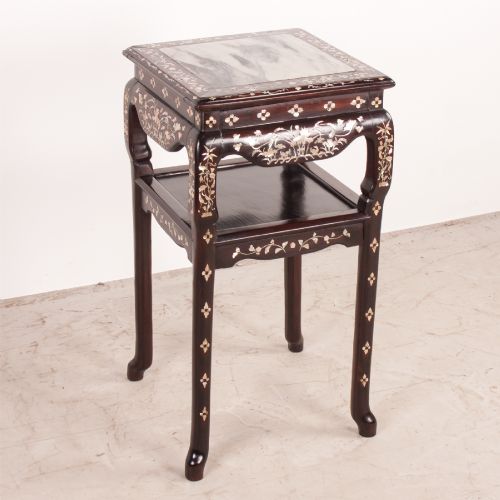
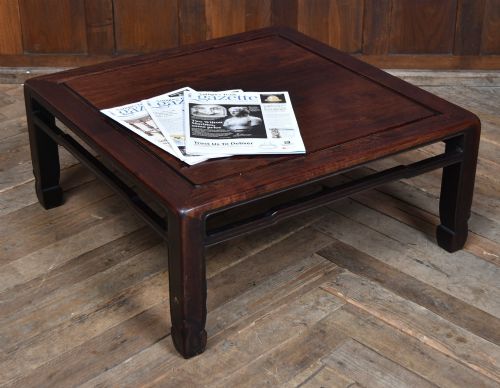
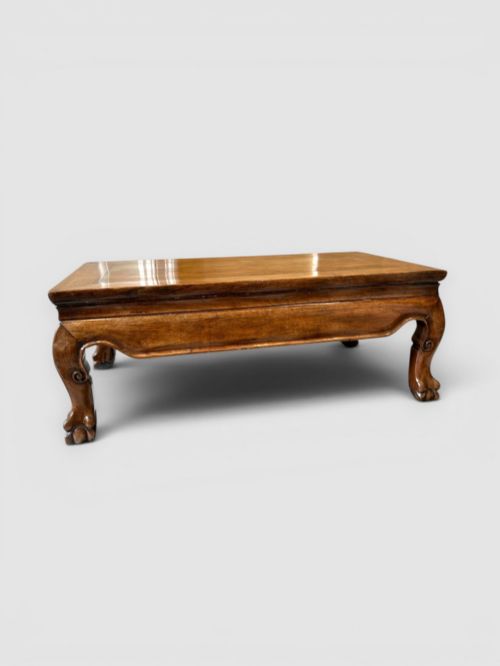
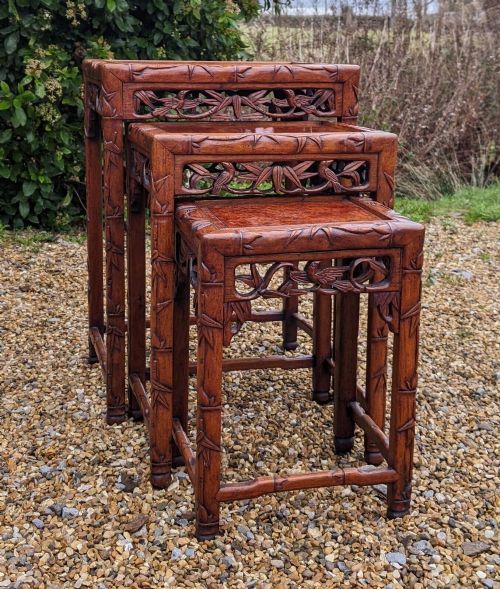
The selection ranges from low kang tables and multi-tiered occasional tables to nest of tables and heavy marble-topped pedestal stands. Hardwood construction dominates the offerings, alongside lacquered finishes and mother-of-pearl inlay.
Originating largely from Chinese traditions and export workshops, these items demonstrate traditional joinery and proportion. The forms vary from restrained corner leg tables to heavily carved plant stands and altar tables designed for formal reception spaces.
How They Were Made
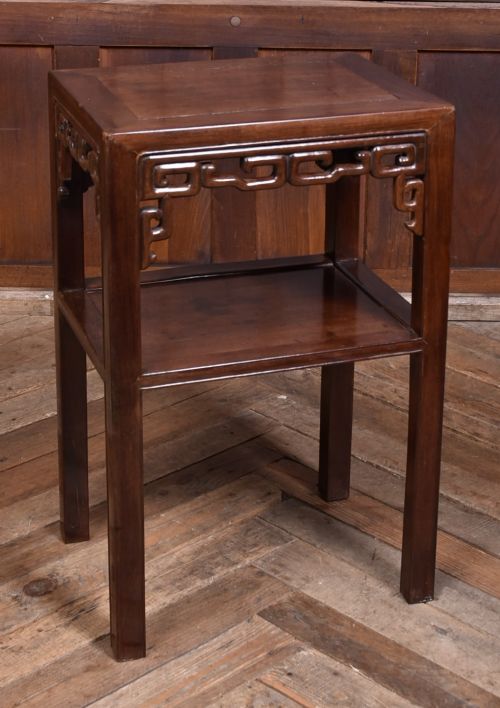
Carpenters utilised dense regional timbers including padouk, huanghuali, elm, amboyna and general hardwood, often finished with dark ebonisation or red lacquer. These woods provide the structural strength required for heavy tops and intricate pierced carving without relying on metal fasteners.
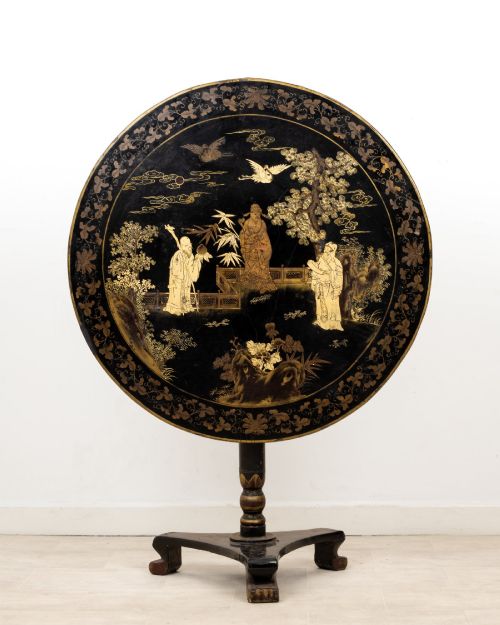
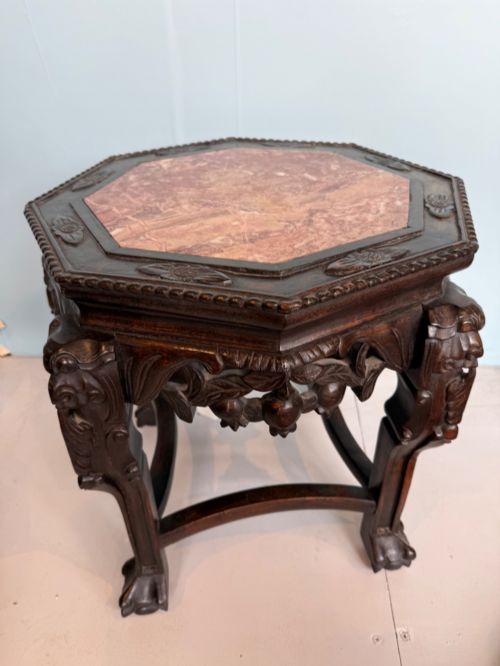
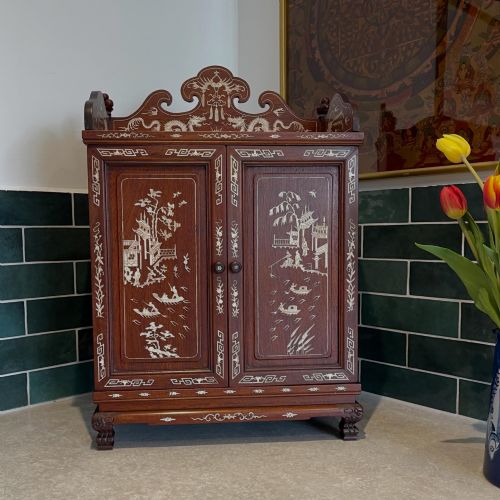
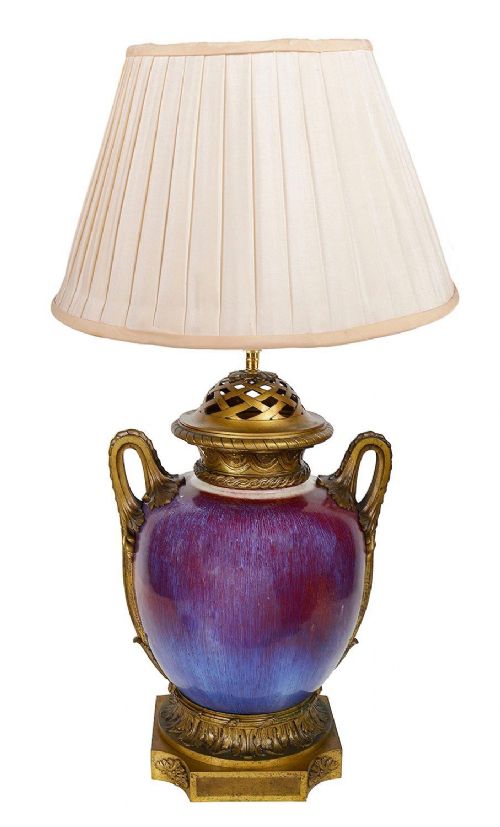
Inlays of mother-of-pearl and polished marble inserts feature prominently across table tops and stands, contrasting smooth mineral surfaces with carved timber frames. Brass mounts and cloisonne elements occasionally appear on side pieces and lamps derived from similar furniture elements.
Opium tables were built low for sitting on beds, but today they hold coffee cups.
What Varies in Quality
The standard of timber selection and grain definition dictates the upper tier of these pieces, particularly in specimens featuring huanghuali or dense padouk. Superior examples display crisp hand-carved relief work and well-fitted marble panels that sit flush within the surrounding timber frame.
Construction methods also separate utilitarian items from finer workshop output, evident in the precision of traditional mortise and tenon joinery. Lower tiers often show simpler secondary woods, heavier lacquer repairs, or less refined surface finishing.
The Qing Style Tables Glossary
- Kang table
- A low platform table traditionally used on a heated brick bed in northern rooms. These low formats now serve as coffee tables in Western interiors.
- Altar table
- A long, narrow console table traditionally placed against a wall for ceremonial displays. They feature slender proportions and often incorporate upturned flanges at the short ends.
- Jardiniere stand
- A tall pedestal table designed to elevate heavy ceramic plant pots and flower bowls. They feature circular or multi-lobed tops supported by curved legs.
- Huanghuali
- A prized aromatic hardwood prized for rich colour and dramatic grain patterns. It was frequently utilised in high-status furniture during the Qing period.
- Padouk
- A heavy, durable tropical hardwood with a reddish hue that darkens with age. It provides a stable base for detailed carving and polished finishes.
Qing Style Tables: Frequently Asked Questions
What is a kang table used for?
Kang tables were traditionally used for dining, writing or resting on heated brick platforms in traditional homes. Today they function well as low coffee tables in contemporary living spaces.
Their low profile and compact footprint suit modern seating arrangements while retaining distinct historical character.
What materials are common in these tables?
The primary materials include dense tropical hardwoods such as padouk and huanghuali, alongside elm and general hardwood. Many examples incorporate inset marble panels, mother-of-pearl inlay or lacquer.
Secondary decorative elements include brass fittings and carved floral motifs that reflect traditional craftsmanship.
Are plant stands and jardiniere stands the same?
Plant stands and jardiniere stands both serve to elevate decorative vessels, though jardiniere stands specifically reference heavy ceramic plant bowls. They typically feature sturdy circular or octagonal tops and reinforced legs.
Their robust construction accommodates the substantial weight of large porcelain pots and marble surfaces.
How do I style a low Chinese table?
Low tables pair effectively with low-slung modern sofas or floor seating arrangements. Their detailed carvings provide a focal point without overwhelming open floor plans.
Keeping the surface uncluttered highlights the timber grain, mother-of-pearl inlay or marble inset.