

Qing Export Ceramics
Qing export ceramics are porcelain vessels made in China for Western markets, prized for intricate enamel decoration and historical trade significance.
Qing Export Ceramics
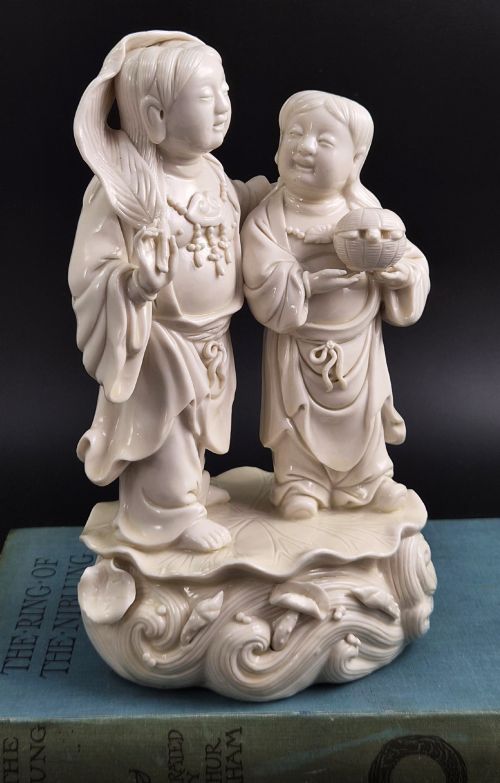
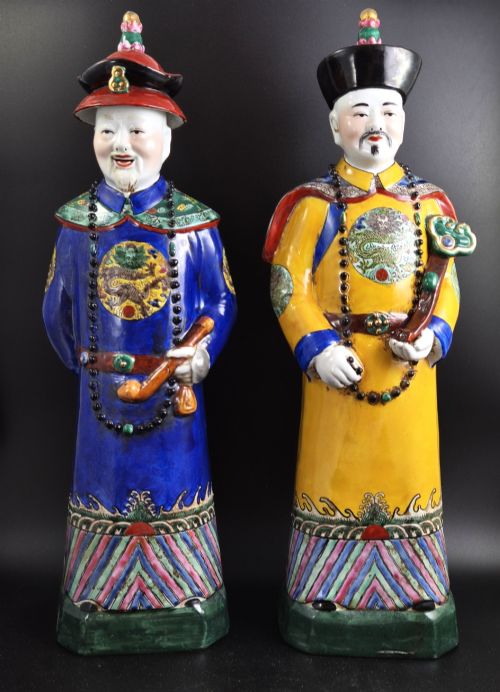
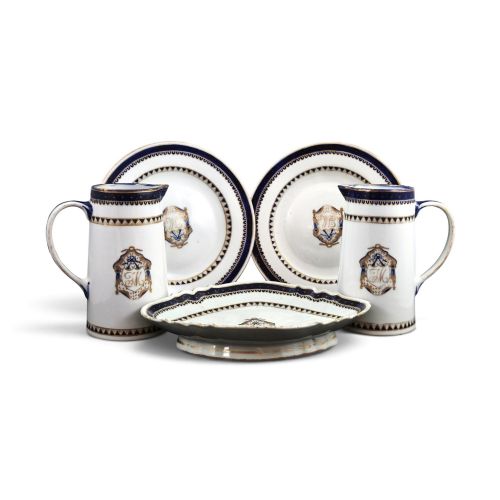
Qing export ceramics comprise items made in China during the Qing Dynasty specifically for international trade and Western households. Buyers examining this page encounter practical vessels and decorative objects created overseas, ranging from tea services and punch bowls to large chargers and vases.
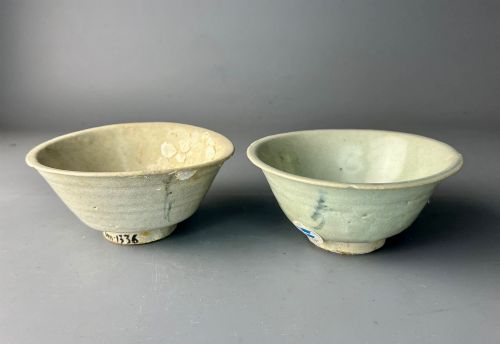
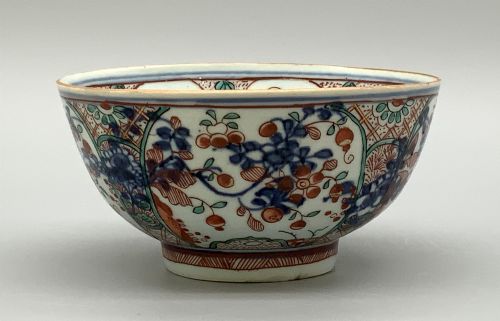
The material record on this page spans the eighteenth and nineteenth centuries, alongside pieces attributed to the Kangxi and Qianlong periods. Bowls, plates, and dishes dominate the selection, often bearing traditional hand-painted motifs tailored to European tastes of the trading era.
Materials and Technique
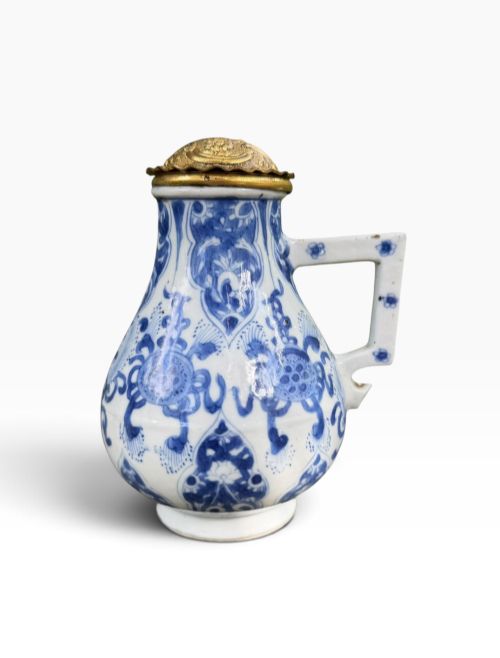
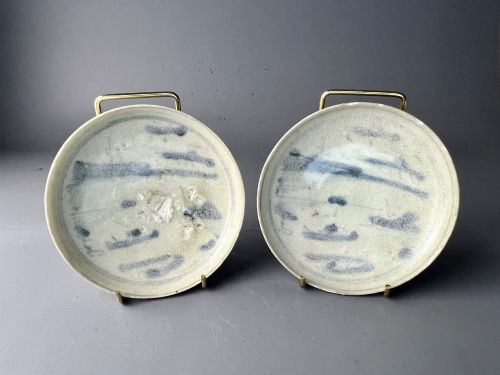
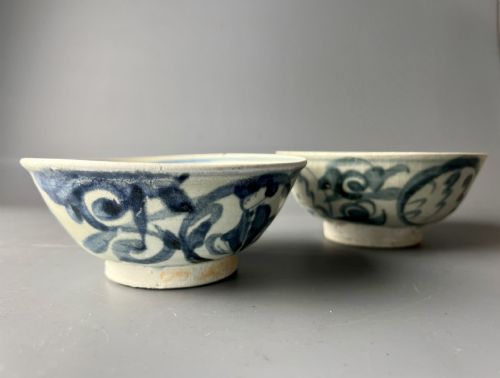
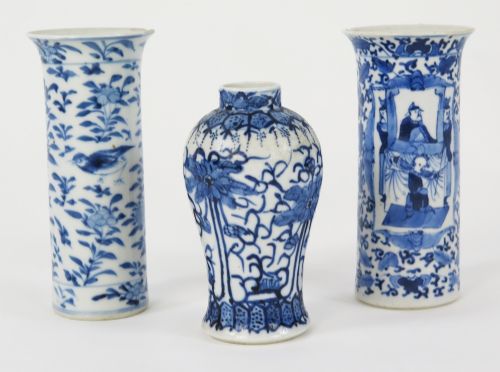
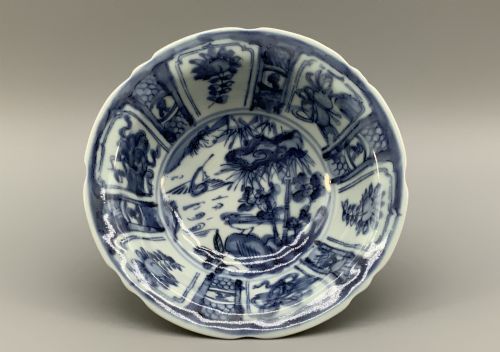
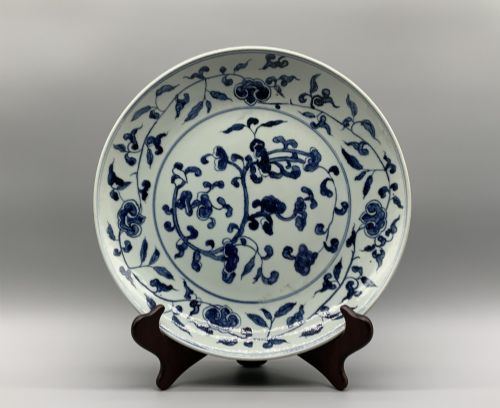
Potters built these items using fine porcelain clay, shaped on the wheel or pressed into moulds to achieve uniform walls and precise geometric forms. Cobalt underglaze was applied before the initial firing to produce deep blue designs beneath a clear glass glaze.
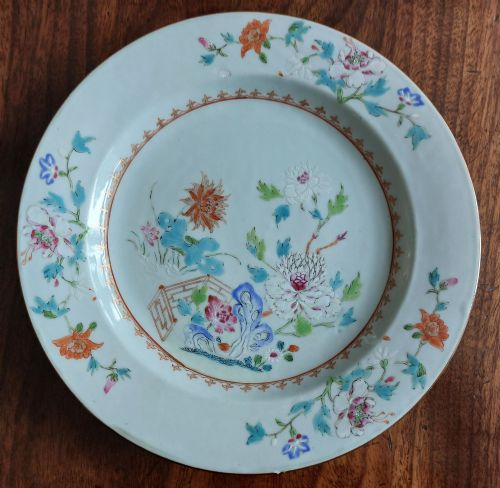
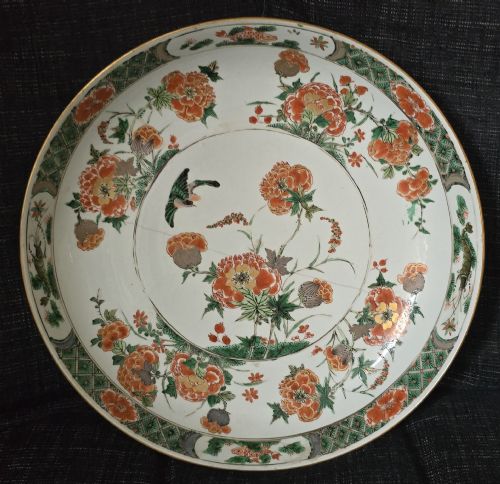
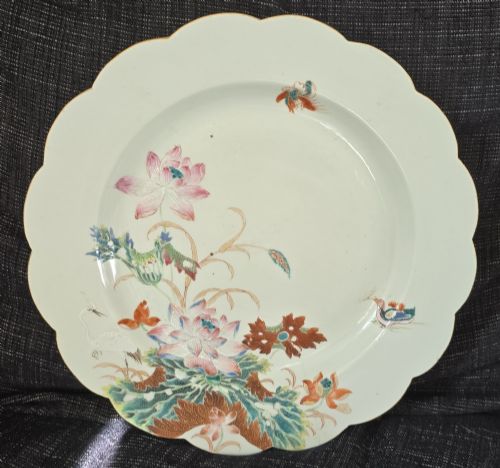
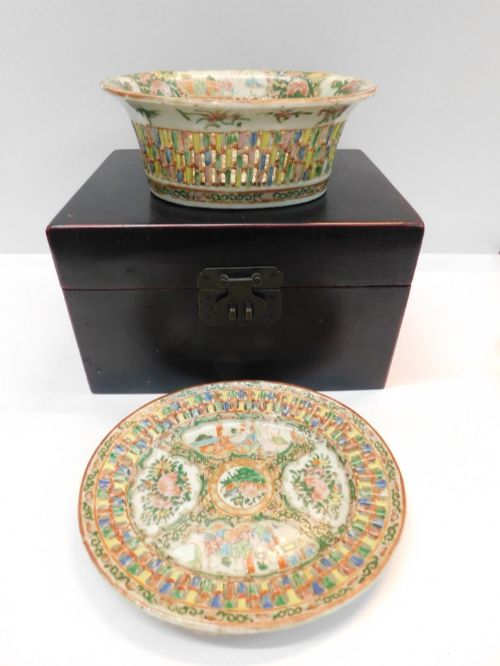
Overglaze enamels, gold leaf, and gilding were added in subsequent low-temperature firings to incorporate colourful palettes like famille rose, famille verte, and Imari. Artisans layered pigments by hand to secure durable decoration across surfaces of mugs, teapots, and chargers.
Listings incorporate porcelain forms from the eighteenth and nineteenth centuries, alongside cobalt underglaze, enamel, and gold leaf.
Assessing the Range
Quality in these ceramics rests upon the precision of the brushwork and the clarity of the porcelain body. Superior examples display crisp lines, balanced compositions, and careful enamel application without blurring or pooling.
The refinement of the glaze and the complexity of the kiln firing further distinguish standard utilitarian wares from imperial-style or presentation pieces. Greater control over temperature and mineral pigments yields vibrant colours and a smoother surface finish.
The Qing Export Ceramics Glossary
- Famille rose
- A porcelain palette dominated by opaque pink enamel, introduced during the Qing Dynasty. This colour scheme allowed artists to render subtle tonal gradations on floral and figural scenes.
- Kangxi period
- The era from 1662 to 1722 associated with technical innovation in Chinese porcelain. Wares from this time often feature brilliant cobalt underglaze blue and crisp potting.
- Imari
- A style of decoration combining underglaze blue with iron red and gold on porcelain. The aesthetic originated in Japan but was widely adopted by Chinese kilns for export markets.
- Qianlong period
- The reign from 1735 to 1796 noted for ambitious enamel work and diverse decorative forms. Export porcelain from this timeframe frequently incorporates complex Western monograms or European inspired scenes.
- Underglaze
- Pigment applied to unglazed ceramic body before firing and glazing. Cobalt is the most common mineral used under the glaze due to its stability at high kiln temperatures.
Qing Export Ceramics: Frequently Asked Questions
What are Qing export ceramics?
These pieces are porcelain items produced in China during the Qing Dynasty for purchase by international buyers and Western markets.
They encompass a wide variety of domestic vessels, including punch bowls, tea caddies, chargers, and vases decorated with hand-painted enamels.
How were these bowls used?
Historical households utilised these vessels for dining, tea service, and prominent display in reception rooms.
Large punch bowls and platters served food and drink during social gatherings, while smaller dishes and tea wares functioned in daily domestic routines.
How do I care for export porcelain?
Maintenance requires gentle cleaning by hand using warm water and mild soap to protect the delicate overglaze enamels and gilding.
Harsh detergents, abrasive sponges, and mechanical dishwashers will erode the painted surfaces and metallic highlights over time.
How do I identify periods?
Dating relies on stylistic markers, palette characteristics, and the presence of reign marks or specific trade motifs recorded in the titles.
Comparing the potting style, thickness, and enamel composition against known historical benchmarks helps narrow down the era of production.