

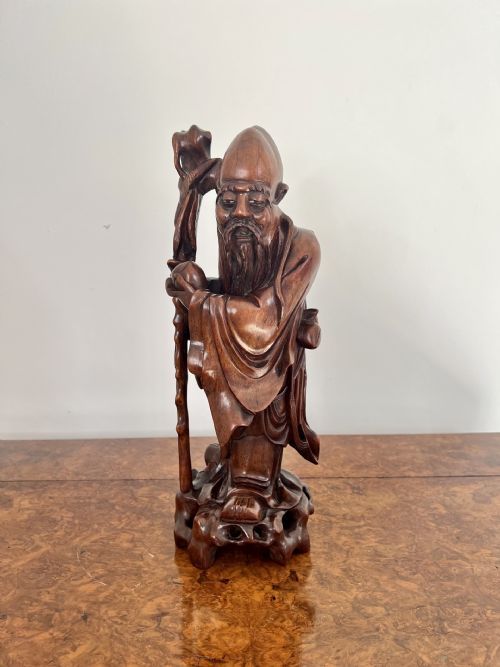
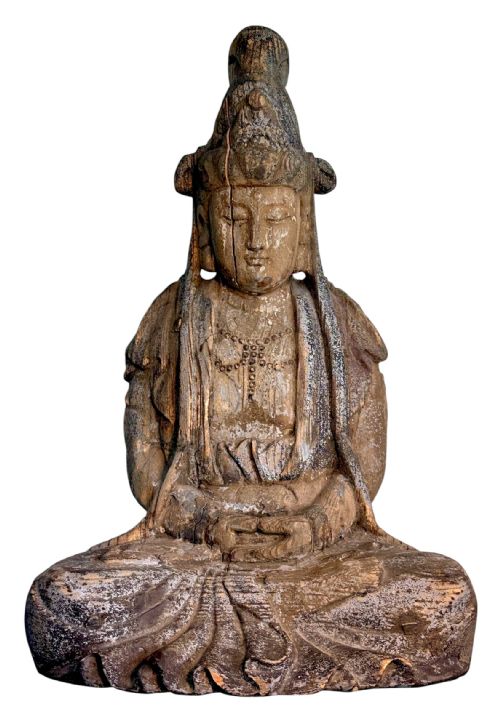


Qing Dynasty Wooden Figure
A qing dynasty wooden figure brings centuries of imperial craftsmanship and spirited myth into a room through carved timber.
Qing Dynasty Wooden Figure
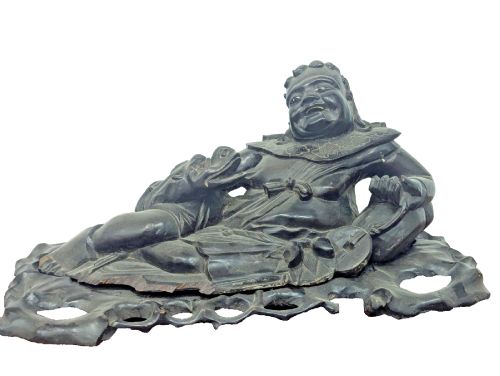
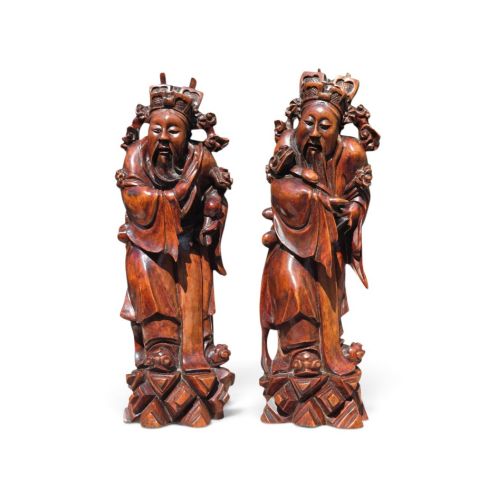
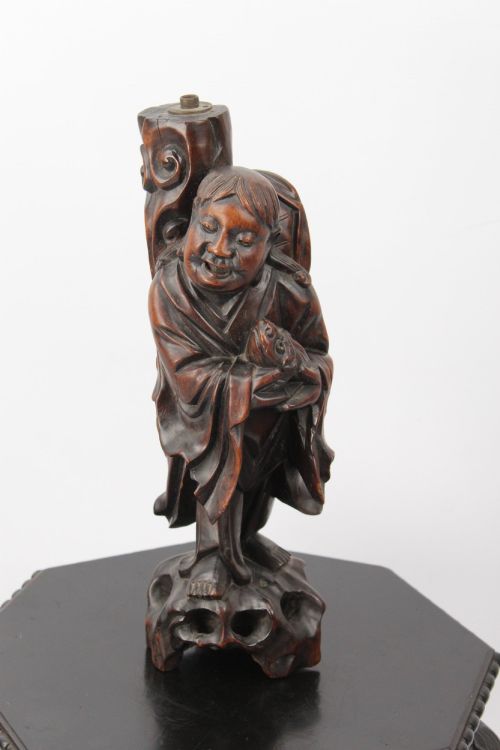
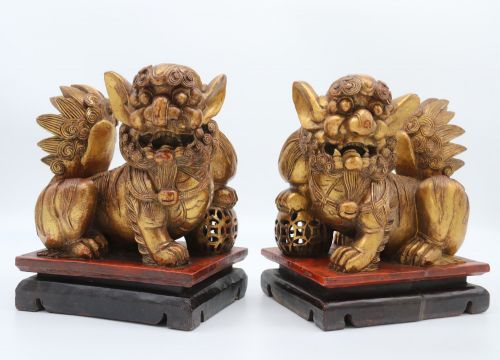
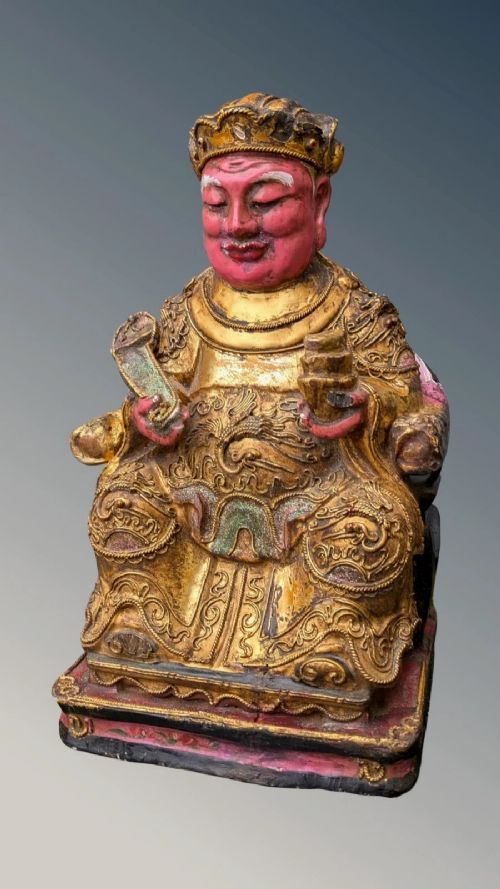
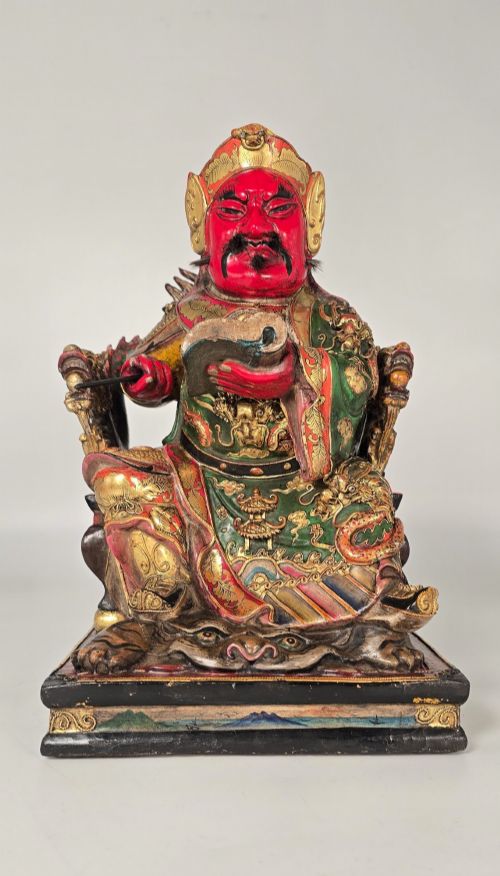
The versions most commonly met on this page date from the nineteenth century, ranging from naturalistic scholars and fishermen to monumental temple guardians finished in polychrome paint and gold leaf. Formats span solitary table sculptures, matched pairs of animals such as elephants or foo dogs, and functional adaptations like root wood table lamps.
Originating from domestic shrines, temples, and scholars' desks, these carvings reveal the varied spiritual and cultural priorities of historical China. Collectors encounter everything from small portable devotional pieces to substantial architectural temple figures carrying distinct traces of ritual use.
Materials and construction methods
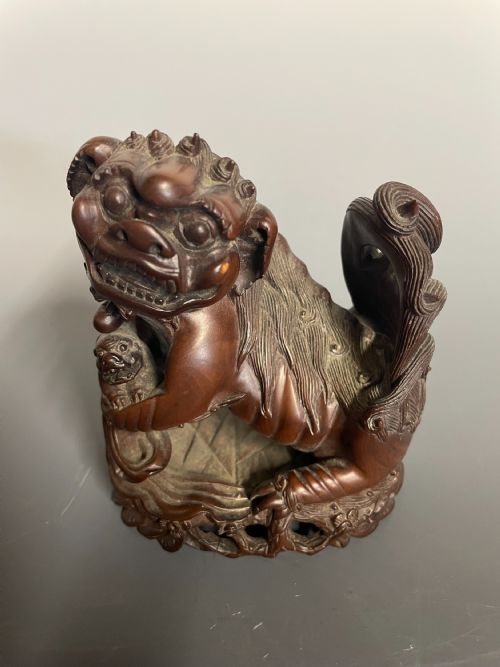
Makers utilised dense timbers including boxwood and heavy exotic hardwoods capable of holding minute detail under hand chisels. Root wood carvings exploited the natural contours of burls and root systems, turning organic irregularities into flowing robes, dragons, and swirling clouds.
Many sculptures received layers of gesso, lacquer, and polychrome paint, often enriched with applied gold leaf to highlight imperial status or divine attributes. Surface finishes vary from smooth waxed wood to heavily distressed temple paint layered over centuries of incense smoke.
Listings feature hardwood, boxwood, and root wood pieces alongside gilded and polychrome-painted temple figures.
Distinctions in craftsmanship
Quality rests upon the anatomical fluency of the carving, the depth of undercut relief, and the integrity of the original timber. Superior examples demonstrate confident facial expressions, articulated hands, and careful integration of natural grain into the drapery of garments.
The preservation of original polychrome paint, lacquer, and gilding elevates a piece substantially, whereas unsympathetic later repainting obscures the original chisel work. Scale and ambition also dictate standing, with monumental temple figures and monumental matched pairs demanding exceptional technical skill from the carver.
The Qing Dynasty Wooden Figure Glossary
- Budai
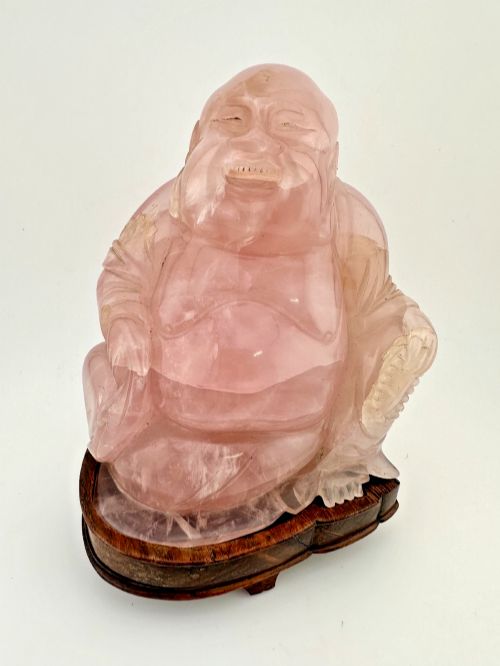
- A representation of the Laughing Buddha, typically depicted as a stout, jovial monk associated with contentment and abundance. These figures often appear holding prayer beads or interacting with children.
- Foo Dog
- A traditional guardian lion sculpture, usually shown in pairs to protect sacred spaces and domestic thresholds. They combine elements of canine anatomy with mythical Buddhist iconography.
- Root Wood
- Timber sourced from the root burls of trees, celebrated for twisted, organic shapes that carvers incorporate into figures and scholars' objects. Each piece relies on natural growth patterns rather than strict geometric planning.
- Polychrome
- Painted in several colours, frequently applied over a gesso ground on temple figures and deities. This technique brought realistic skin tones and vibrant garment patterns to carved wood.
- Daoist Immortal
- A mythological figure associated with Daoist philosophy, often identified by specific attributes such as gourds, fans, or peaches of immortality. They remain popular subjects for hardwood desk carvings.
Qing Dynasty Wooden Figure: Frequently Asked Questions
What is a qing dynasty wooden figure?
These items are hand-carved sculptures originating from the Qing period, depicting deities, immortals, scholars, and mythical animals in timber.
They served roles in domestic ancestor worship, temple rituals, and scholarly contemplation on scholar's desks.
How were temple figures used?
Monumental temple guardians and deities stood within religious complexes to offer protection and receive veneration from worshippers.
Over time, exposure to ritual offerings, incense, and fluctuating humidity left distinct patinas upon the wood and paint.
How do I identify root wood carvings?
Root wood carvings utilise the gnarled, twisting burls of trees, turning natural knots into dynamic drapery or swirling forms.
Makers allowed the organic grain to dictate the final shape of scholars, fishermen, and mythical creatures.
How should I care for antique wood?
Keep wooden sculptures away from direct sunlight and steady heat sources to prevent timber from splitting or warping.
Dust gently with a dry, soft cloth and avoid chemical polishes that might damage aged lacquer or original polychrome surfaces.