


Qing Dynasty Style Vase
These pieces carrying a qing dynasty style vase designation combine classic forms with centuries of ornamental tradition, offering genuine character for any room.
What a qing dynasty style vase is
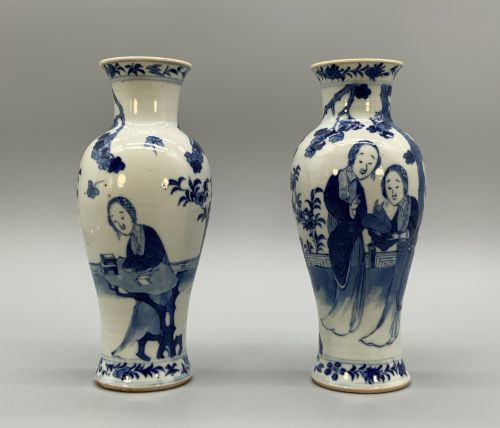
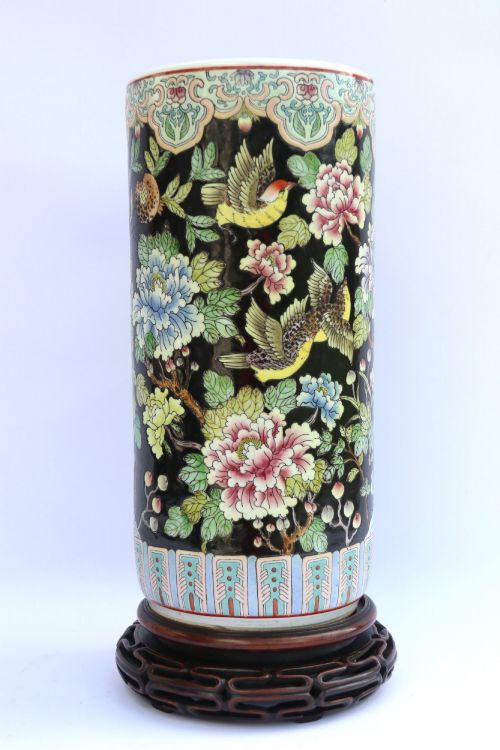
A qing dynasty style vase draws upon historical Chinese aesthetic traditions, reflecting centuries of decorative craft. Buyers seeking a qing dynasty style vase encounter pieces originating from the nineteenth century, including Edwardian interpretations and objects dated to eighteen-eighty.
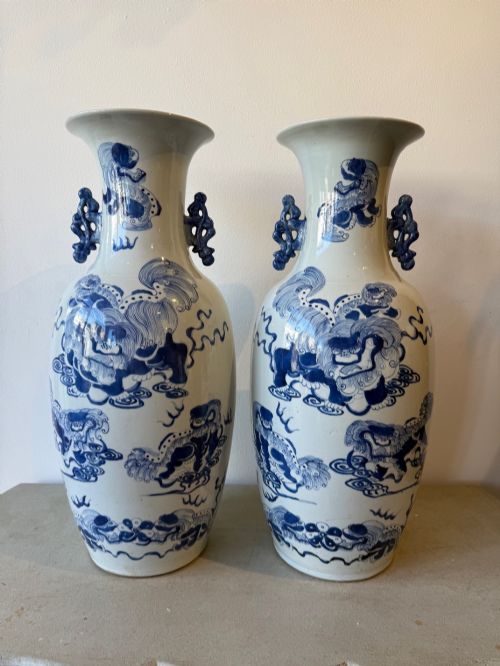
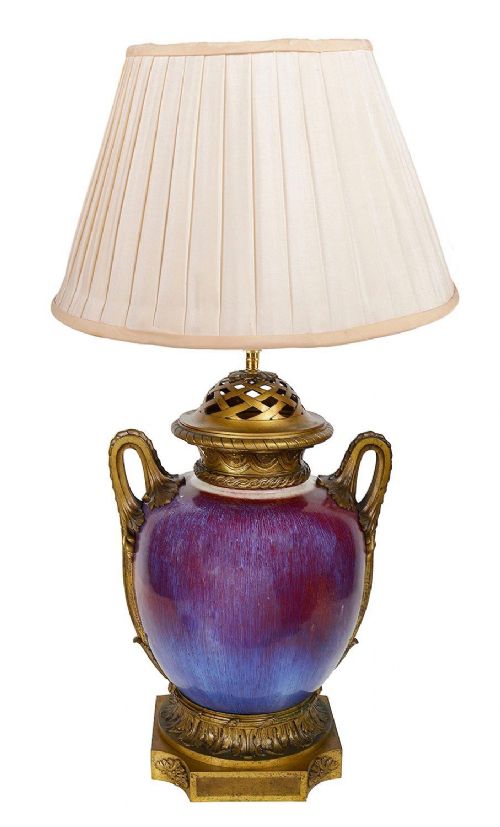
The selections span diverse formats such as decorative vases, bottle vases, and tulip vases. These items demonstrate distinct influences including Chinese Qing style, Chinoiserie, and Chinese export characteristics.
Materials and construction
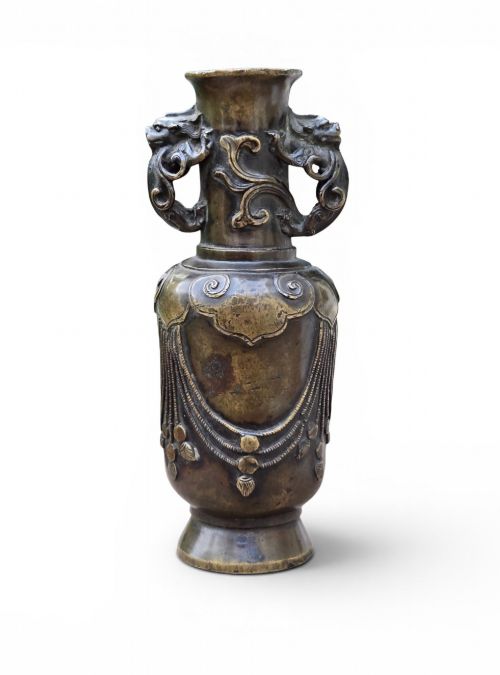
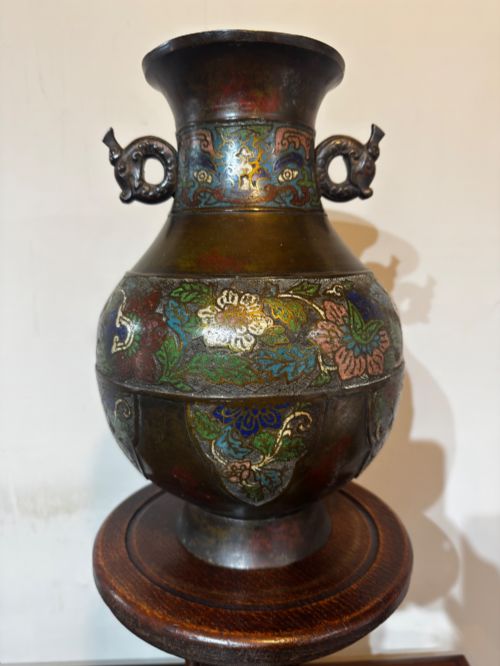
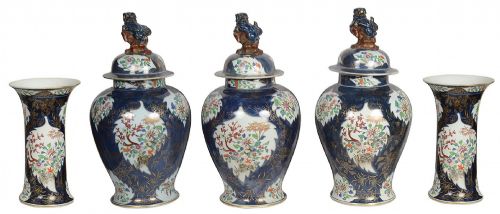
Makers utilised porcelain as a primary medium, often finished with cobalt glaze, enamel, or standard glaze. Metalwork examples also appear, constructed from bronze with champleve techniques applied to the surface.
Decoration includes specific details such as underglaze blue painting and Qianlong or Kangxi marks inscribed to the base. These methods align with traditional production techniques recorded across nineteenth-century and Edwardian workshops.
Retail Price Guide 2026
Typical UK retail prices for qing dynasty style vase, calculated from the Sellingantiques database of over a million retail prices indexed since 2003. This retail price guide relies exclusively on Sellingantiques data; no external sources or auction records are used, so the figures do not describe the wider market.
Judging quality in a qing dynasty style vase
Quality rests in the execution of the glaze work, the crispness of cobalt blue application, and the precision of base markings. Pieces demonstrating fluid underglaze painting and careful bronze champleve stand apart from simpler iterations.
The harmony of form and decorative style dictates the overall success of each item. Stronger examples maintain a clear dialogue with their historical prototypes through balanced proportions and deliberate material choices.
The Qing Dynasty Style Vase Glossary
- Champleve
- An enamelling technique where troughs are carved into a bronze body and filled with vitreous enamel before firing. This method creates rich surface patterns.
- Cobalt Glaze
- A metallic oxide pigment applied beneath or over the glaze to produce deep blue coloration during high-temperature firing. It defines traditional blue and white ceramics.
- Chinoiserie
- European artistic interpretations of Chinese decorative motifs and styles, popular across various historical periods. It blends Asian forms with Western taste.
- Bottle Vase
- A ceramic vessel characterised by a globular body and a narrow, elongated neck resembling a bottle. This classic silhouette suits floral display.
- Tulip Vase
- A bulbous vessel featuring multiple spouts designed to display individual flower stems. The form emerged in various nineteenth-century decorative contexts.
Frequently Asked Questions
How do I identify a base mark?
Base marks such as Qianlong or Kangxi appear in underglaze blue on the underside of porcelain pieces. They indicate stylistic allegiance to specific imperial reigns rather than a definitive date of manufacture.
Examining the tone of the blue pigment and how it integrates with the glaze helps contextualise the age of the item. These marks served as a sign of respect for earlier imperial production standards.
What is bronze champleve?
Bronze champleve involves gouging depressions into a bronze casting and filling those recessed channels with coloured enamel paste. The object is then fired and polished smooth to create a patterned metallic surface.
This technique adds rich colour and texture to heavy bronze vessels. It requires considerable skill from the metalworker to ensure the enamel adheres correctly.
Where were these vases made?
The current selection includes pieces created within nineteenth-century European and British contexts, alongside items reflecting Chinese export traditions. Edwardian makers and craftsmen working around eighteen-eighty frequently reinterpreted these Eastern styles.
Understanding the geographic origin involves looking at the specific clay body, mounting styles, and secondary materials used. European makers often adapted Asian designs for domestic drawing rooms.
How should I display a bottle vase?
A bottle vase works well as a standalone decorative object on a mantlepiece or side table due to its narrow neck and sculptural silhouette. Single stems or small floral arrangements can also complement the narrow opening.
Positioning the vase away from direct sunlight preserves the vibrancy of enamel and cobalt glaze finishes. Allowing adequate space around the piece highlights its form.