



Qing Dynasty Style Furniture
Qing dynasty style furniture brings substantial hardwood craftsmanship and striking lacquered surfaces into modern rooms.
Qing Dynasty Style Furniture
When searching for qing dynasty style furniture, buyers encounter robust wooden items spanning the eighteenth century through to the early twentieth century. These pieces encompass seating, storage cabinets, display units and small tables designed with traditional forms.
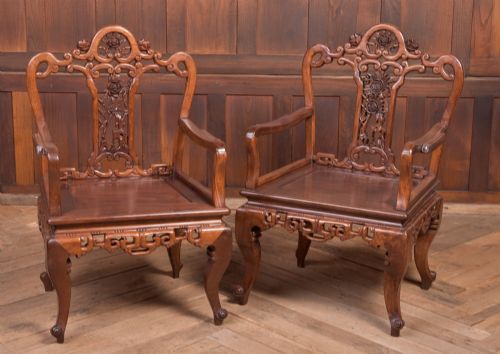
Forms range from horseshoe shaped armchairs and corner leg tables to nesting tables and compound cabinets. These utilitarian and decorative objects reflect historic Chinese export and traditional domestic styles.
How qing dynasty style furniture was made
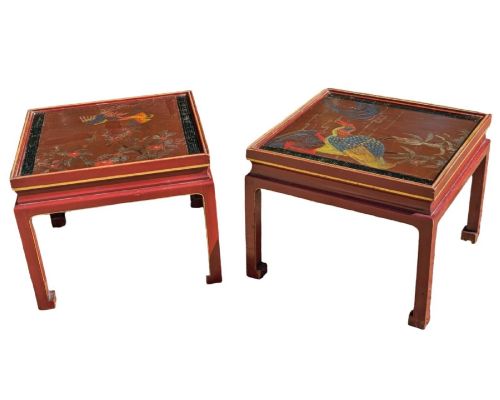
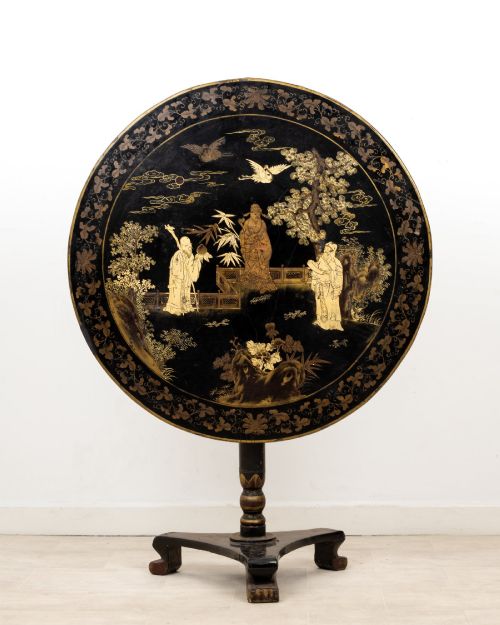
Construction relies heavily on dense hardwoods such as huali, zitan and hongmu, often carved with intricate dragon motifs and floral patterns. Artisans also utilised softer woods finished with vibrant red lacquer or ebonised surfaces.
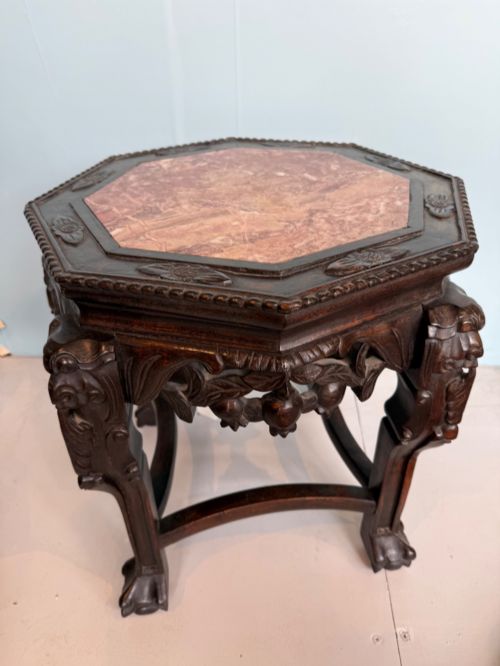
Decorative elements frequently incorporate inset marble panels, brass inlays and mother of pearl details. Cloisonné and burrwood veneers further enhance the textural complexity of tables and cabinets.
Qing Dynasty Style Furniture Retail Price Guide 2026
Typical asking prices for qing dynasty style furniture among the pieces listed under this phrase on Sellingantiques today, from the lower quarter to the upper quarter. They describe what is for sale here now, not the wider market.
Listings feature items from the eighteenth, nineteenth, and early twentieth centuries, using hardwood, lacquer, and marble.
What varies in quality
The degree of hand carving and the depth of relief work separate standard examples from finer outputs. Crisp execution of dragons and foliage indicates superior workshop standards.
Material selection dictates long term stability and visual richness. Heavy native hardwoods and intact lacquer finishes command greater appreciation than simpler stained softwoods.
The Qing Dynasty Style Furniture Glossary
- Hongmu
- A dense tropical hardwood often utilised in traditional Chinese furniture construction. It provides a heavy and durable framework for intricate carving.
- Torchere
- A tall stand designed to support a lamp or candle. These slender pedestals frequently feature carved hardwood tops.
- Jardiniere stand
- A small decorative table intended to hold a plant pot. Examples often incorporate inset marble surfaces to protect the wood from moisture.
- Cloisonne
- An enamelwork technique where metal wire creates compartments on a surface. These areas are then filled with coloured paste and fired.
Qing Dynasty Style Furniture: Frequently Asked Questions
What is a marriage cabinet?
A marriage cabinet is a large wooden storage unit traditionally given as a wedding gift in China. These pieces typically feature double doors and internal shelving.
Red lacquer finishes and brass hardware are common characteristics. They served to store clothing and valuable household textiles.
How do I identify hardwood furniture?
Hardwood items feel notably heavy and display tight, complex grain patterns. Woods like zitan and huali require careful inspection of the natural material.
Unlike painted softwoods, these timbers show their deep grain beneath transparent polishes. They resist denting and maintain structural rigidity over centuries.
Where do marble top stands go?
Marble top stands suit corners, hallways or living spaces as occasional display surfaces. The stone insert provides a cool, durable top for lamps or plants.
Victorian homes frequently imported these pieces to complement eclectic interior schemes. Their compact footprints allow flexible placement in smaller rooms.