





Qing Dynasty Jade
Qing dynasty jade brings together ancient mineral carving traditions and imperial patronage, prized for tactile surfaces and scholarly symbolism.
Qing Dynasty Jade
When you search for qing dynasty jade, you encounter objects spanning scholar's table items, ritual vessels, and intricate decorative carvings. These pieces embody the material culture of the Manchu court and the literate elite through recurring motifs like mythical beasts, flora, and archaistic forms.
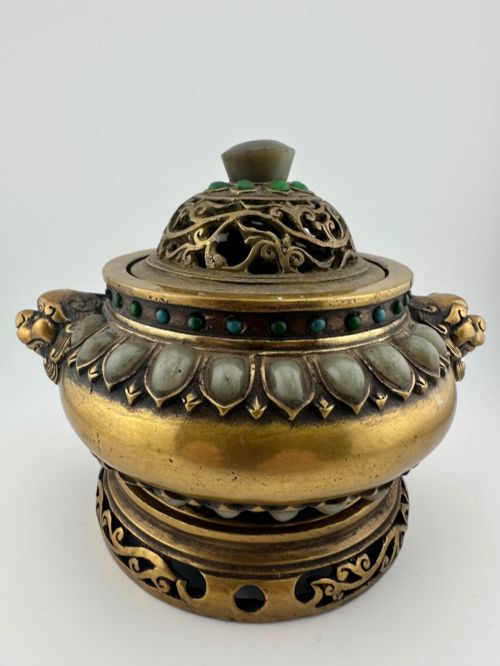
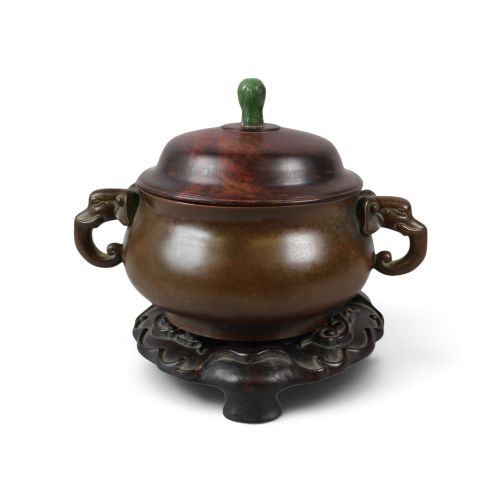
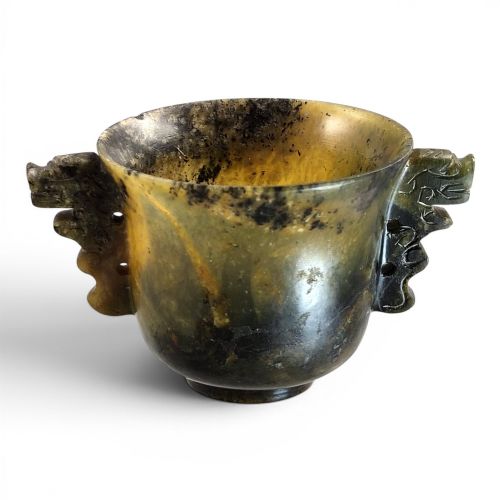
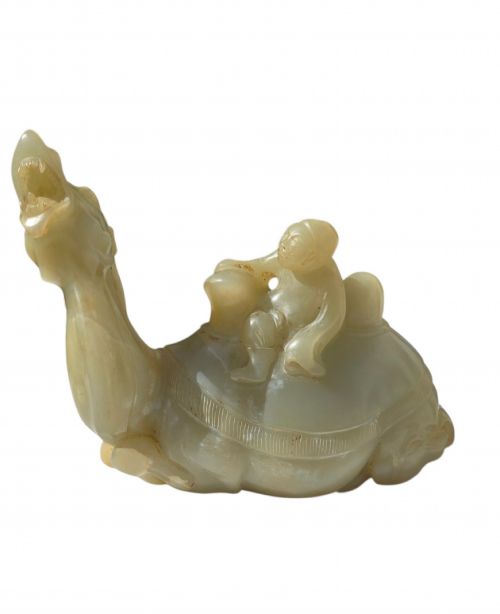
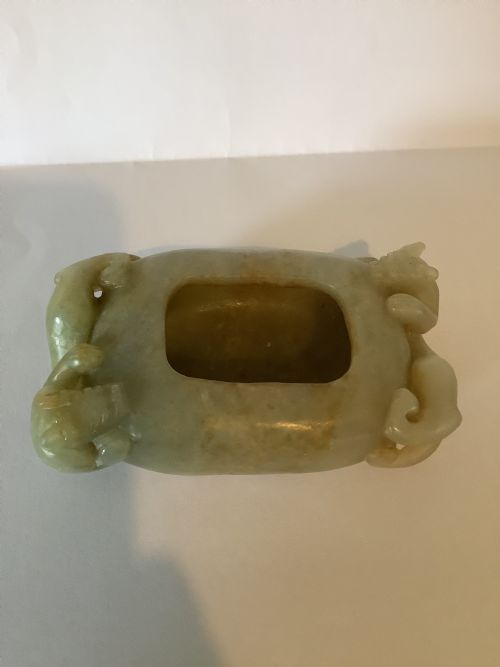
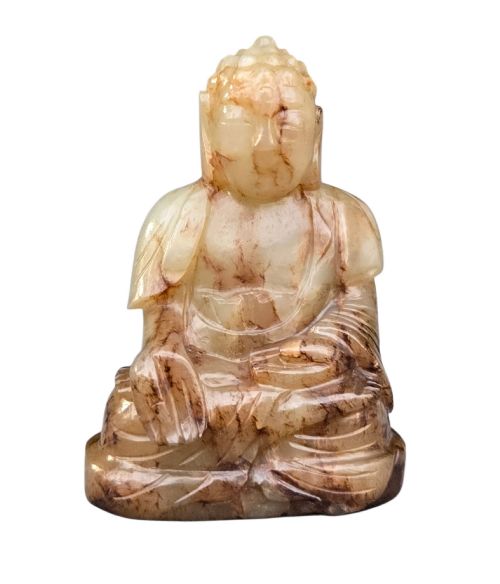
The selections on this page most frequently present in pale celadon jade, spinach-green jade, and white nephrite, often resting upon custom hardwood stands. Common functional forms include brush washers, incense burners, and snuff bottles, alongside figural sculptures of animals, deities, and scholars.
Originating largely across the eighteenth and nineteenth centuries, these carvings range from diminutive belt buckles and pendants to monumental landscape sculptures. They reflect both traditional Chinese craftsmanship and the evolving aesthetic preferences of the late imperial period.
How They Were Made
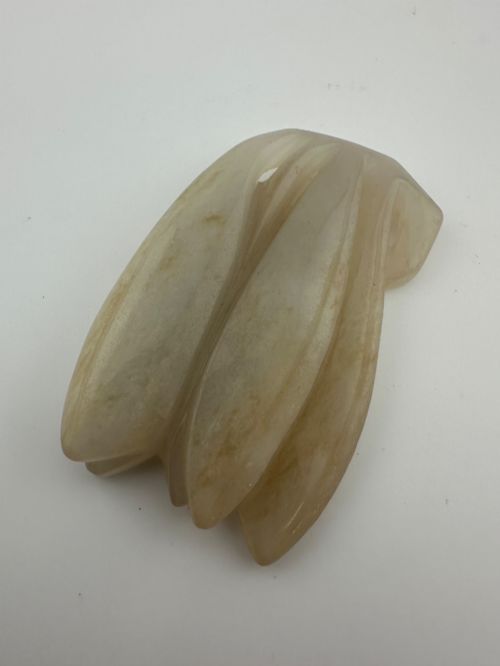
Carvers shaped these dense mineral blocks through abrasive sawing, drilling, and polishing using water mixed with quartz sand or garnet powder. This painstaking reduction method allowed artisans to exploit natural colour variations within the stone, such as russet skins on pale celadon nephrite.
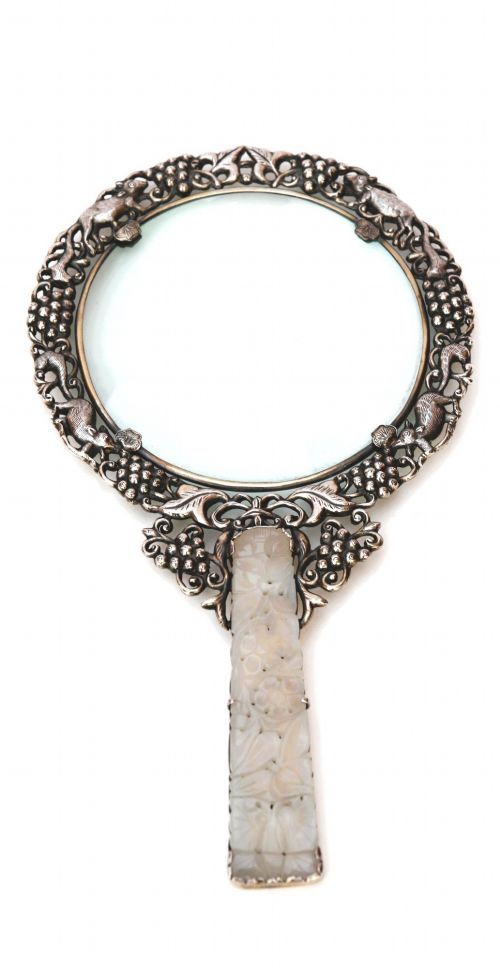
Many works incorporate auxiliary materials like carved hardwoods for custom stands, or combine the stone with silver, bronze, and cloisonné components. The technical mastery lies in achieving high-relief undulations, undercut details, and smooth interior basins without fracturing the brittle medium.
Qing Dynasty Jade Retail Price Guide 2026
Typical asking prices for qing dynasty jade among the pieces listed under this phrase on Sellingantiques today, from the lower quarter to the upper quarter. They describe what is for sale here now, not the wider market.
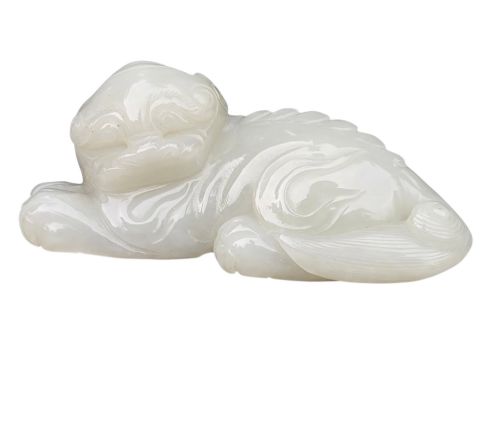
Carvers occasionally incorporated natural russet-coloured outer skins of jade boulders into sculptures, turning geological flaws into the fur of recumbent beasts.
What Varies in Quality
Quality rests upon the natural purity and visual texture of the mineral itself, distinguished by translucency, even colour distribution, and the absence of distracting flaws. Superior pieces demonstrate an harmonious dialogue between the carver's design and the stone's inherent tonal shifts.
Execution separates the ordinary from the exceptional through the depth and crispness of the relief work, alongside the sensitivity of the polishing. The finest examples maintain structural clarity and anatomical balance, whether shaping a mythical beast, a landscape mountain, or a functional vessel.
The Qing Dynasty Jade Glossary
- Nephrite
- A tough, dense amphibole mineral comprising one of the two primary stone types classified as jade. It resists cleavage, making it suitable for intricate, deep-relief carving.
- Celadon jade
- A translucent green-to-grey-green variety of nephrite highly favoured by imperial workshops. Its subtle coloration mimics natural waters and spring foliage.
- Archaistic
- A stylistic approach that revives decorative motifs and vessel shapes from earlier dynasties, particularly the Shang and Zhou periods. These designs confer historical continuity and scholarly weight.
- Taotie
- A stylised, symmetrical zoomorphic mask motif frequently found on ancient ritual bronzes and subsequently adopted by later jade carvers. It often appears on the shoulders of vessels and cups.
- Bowenite
- A hard serpentine stone belonging to the jade family, utilised for substantial figural groups and decorative objects. It shares similar working properties and visual weight with true nephrite.
Qing Dynasty Jade: Frequently Asked Questions
How do I care for jade carvings?
Keep mineral carvings away from direct sunlight, sudden temperature shifts, and harsh chemical cleaning agents. Dust them gently with a soft, dry cloth to preserve the polished surface.
For pieces mounted on custom hardwood stands, lift the entire object rather than the stone alone when moving it. Periodic handling transfers natural skin oils that can help maintain the moisture and lustre of older nephrite.
What is the difference between nephrite and jadeite?
Nephrite is an amphibole mineral with an interlocking fibrous structure that makes it extremely tough and resilient. It dominates historical Chinese carvings from the imperial periods.
Jadeite is a pyroxene mineral that tends to present brighter emerald hues and greater glass-like transparency. It became prominent in Chinese material culture primarily during the later nineteenth century and onwards.
How were scholar's table objects used?
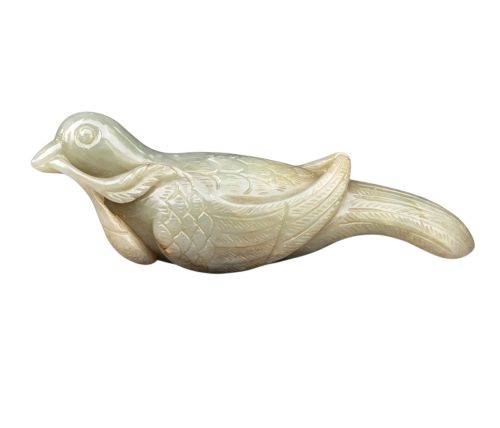
Scholar's table objects served functional roles in calligraphy, painting, and quiet contemplation within the scholar-official's studio. Items like brush washers cleaned ink-laden brushes, while water birds and jade mountains inspired poetic composition.
These pieces were designed to be handled intimately, encouraging tactile appreciation alongside visual contemplation. Their iconography frequently reflected Confucian, Daoist, or Buddhist virtues appropriate for a learned life.
What does archaistic mean in carvings?
Archaistic refers to the deliberate emulation of ancient forms, shapes, and decorative symbols originating from early Chinese bronze ritual vessels. Carvers utilised these motifs to connect contemporary Qing pieces with perceived golden ages of antiquity.
Such objects often feature stylized animal masks, geometric bands, or kuei dragons. This aesthetic demonstrates the scholarly preoccupation with archaeology and historical reverence during the imperial era.