




Carved Jade Sculpture
A carved jade sculpture brings ancient mineral carving into the room, offering tactile depth and historic forms that anchor a collection.
Carved Jade Sculpture
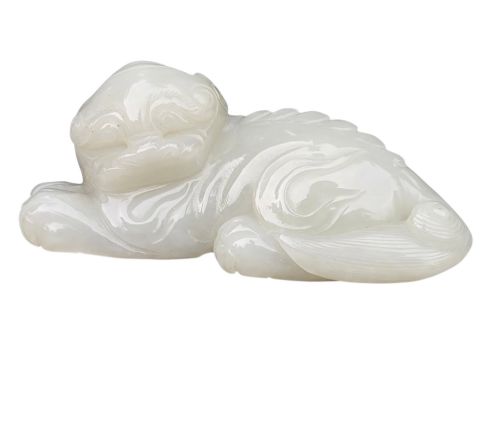
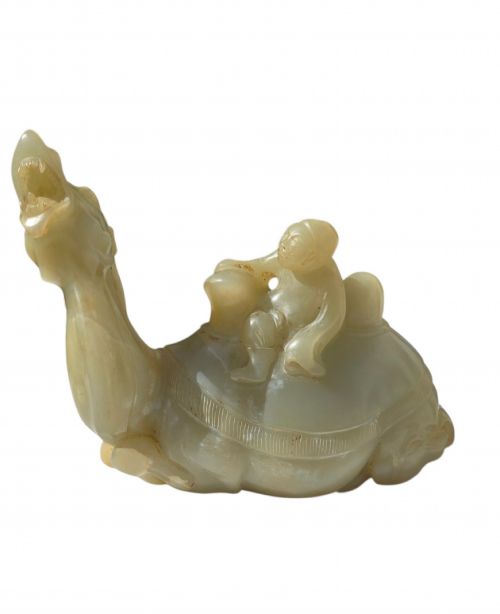
A carved jade sculpture represents the pinnacle of mineral shaping, encompassing figures of animals, mythical beasts, and landscape mountains. When you explore carved jade sculpture, you encounter everything from miniature fish to monumental camel groups.
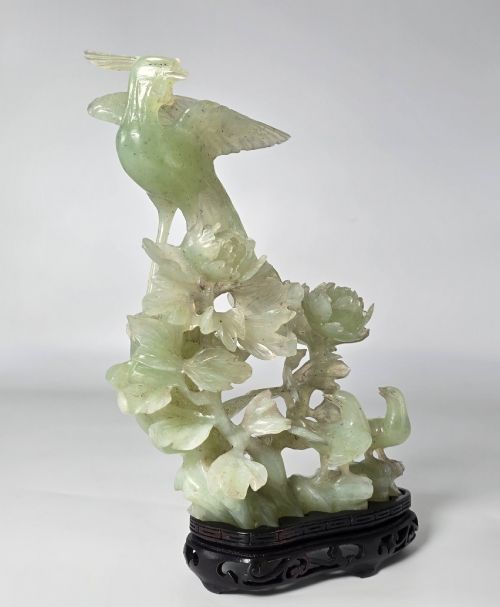
Most examples originate from Chinese traditions spanning the Ming and Qing dynasties through the Republic period. Pieces frequently arrive paired with fitted hardwood stands that elevate the display.
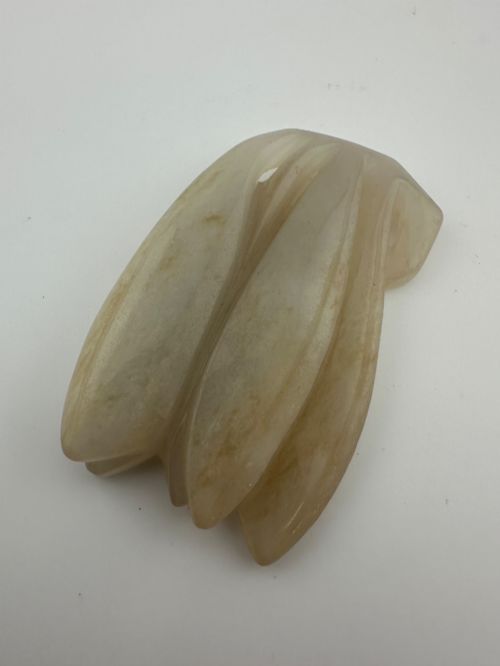
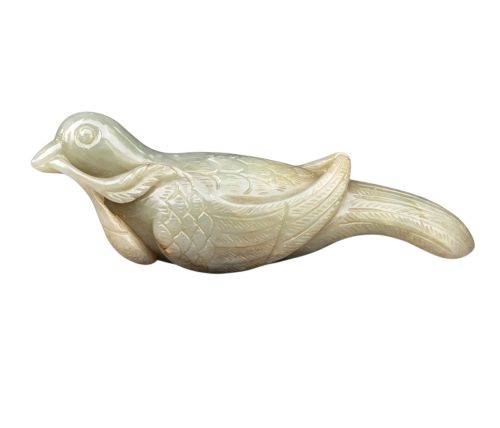
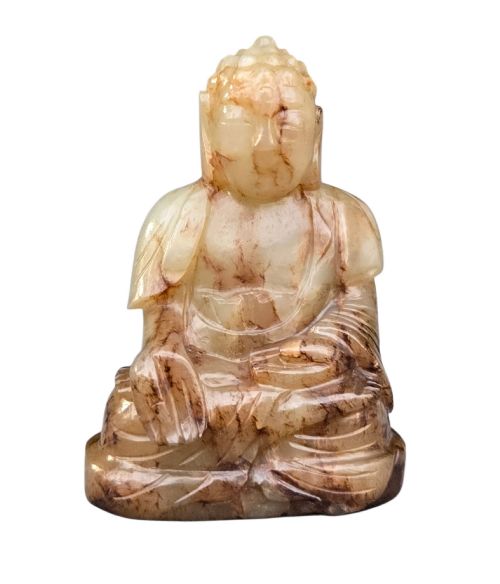
Forms range from utilitarian scholar's brush washers and lotus cups to purely decorative figurines of Buddha, dragons, and water birds. Celadon, white, and pale green tones dominate the palette across these diverse sculptural objects.
How they were made
Artisans shape these objects from nephrite jade, jadeite, bowenite serpentine, and allied hardstones using abrasive sands and rotational friction rather than direct striking. The natural mineral variation dictates the final composition, incorporating russet inclusions into the design.
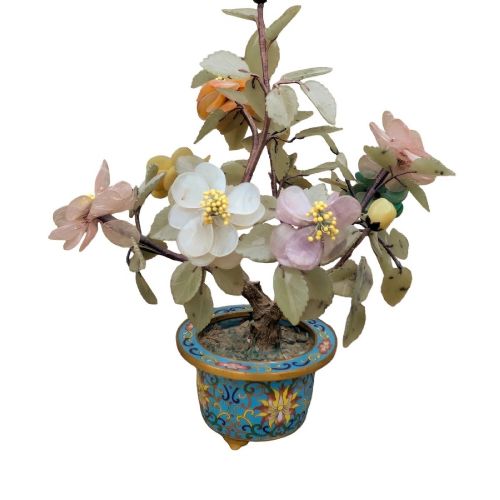
Carvers frequently utilise fitted hardwood stands to display heavier or rounded formations securely. Secondary elements occasionally integrate silver enamelling or cloisonné to complement the primary stone.
Listings feature periods ranging from pre-16th century dynasties up to the 1930s, utilising nephrite, jadeite, and hardstone.
What varies in quality
Superior examples demonstrate absolute mastery over the raw stone, where the carver incorporates natural russet markings and tonal shifts into the subject matter. Lesser pieces display rigid symmetry that ignores the mineral character.
Depth of relief and undercut detailing separate standard production from exceptional imperial-style works. The crispness of line on complex motifs like dragons and aquatic themes defines the upper tier of execution.
The Carved Jade Sculpture Glossary
- Celadon jade
- A pale green or grey-green variety of nephrite prized for its subtle translucent quality. This tone appears frequently in Qing dynasty scholar's objects.
- Nephrite
- One of the two distinct mineral species recognised as jade, known for its dense, tough fibrous structure. It resists fracturing, permitting extremely intricate undercutting.
- Hardwood stand
- A custom-carved wooden base designed to support the specific contours of a stone sculpture. These stands complete the presentation of traditional Asian carvings.
- Brush washer
- A shallow vessel utilised by scholars to clean ink brushes. These utilitarian forms often take floral or natural shapes in jade.
Carved Jade Sculpture: Frequently Asked Questions
How do I date a carved jade sculpture?
Dating relies on stylistic markers, tool marks, and the specific dynasty associated with the form. Qing dynasty pieces often display deep undercutting and distinct subject matter.
Material analysis and handling wear also assist in placing a piece within the eighteenth, nineteenth, or early twentieth centuries.
What is the difference between jade and hardstone?
Jade specifically denotes nephrite or jadeite minerals, both defined by unique silicate structures and extreme toughness. Hardstone serves as a broader category for other compact decorative stones.
Pieces listed under the broader term may include bowenite serpentine, quartz, or general carved stones.
How were these sculptures displayed originally?
Scholar's objects and small sculptures typically sat upon scholar's desks or within display cabinets in traditional Chinese interiors. Fitted hardwood stands ensured stable placement on uneven surfaces.
Larger landscape mountains and animal groups occupied prominent positions in reception rooms.
Why do some jades have russet patches?
Russet coloration stems from natural iron staining within the outer skin of the jade boulder. Carvers often retain this contrasting skin to highlight specific details.
Master artisans incorporate these mineral inclusions directly into the subject, such as a bird's wing or an animal's coat.