



Pale Green Jade
These pale green jade carvings, sculptures and jewellery pieces bring centuries of fine lapidary work and subtle colour into the modern interior.
Pale Green Jade
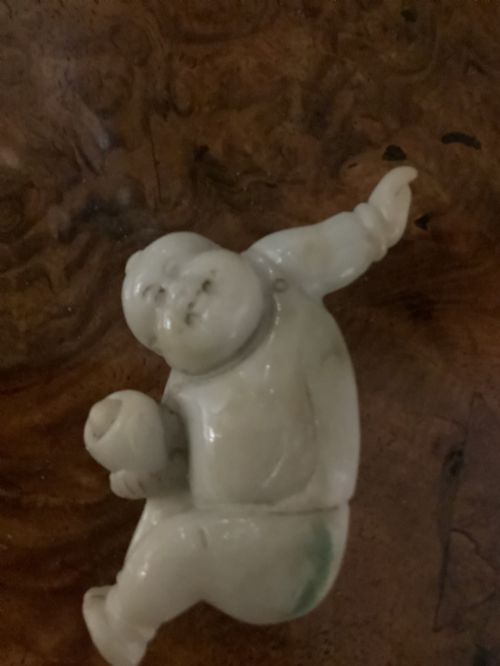
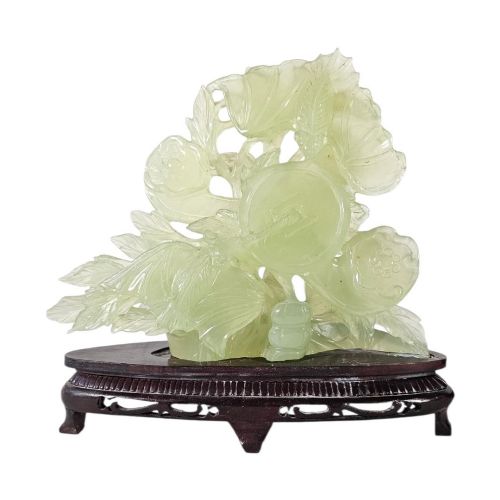
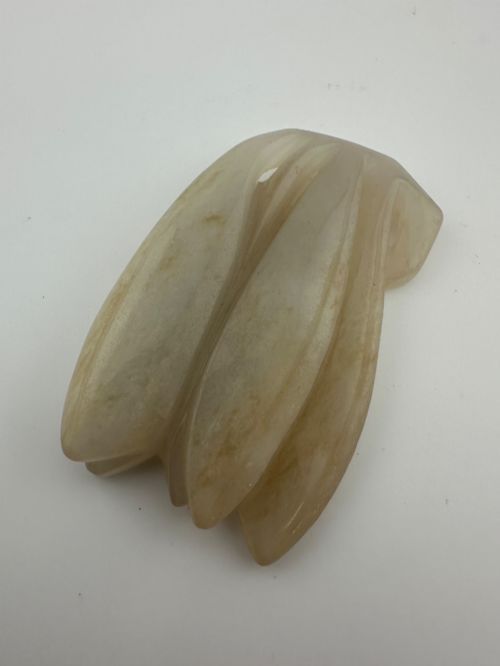
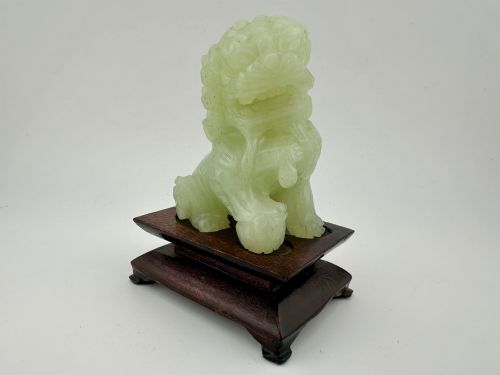
When you search for pale green jade, you encounter items ranging from small personal jewellery like earrings and pendants to scholarly vessels and large sculptural carvings. The selection spans centuries of craftsmanship, connecting Qing Dynasty traditions with twentieth-century decorative arts.
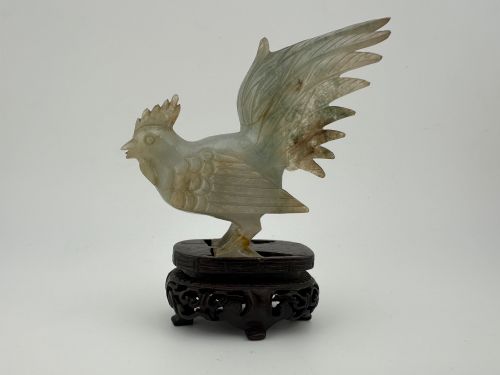
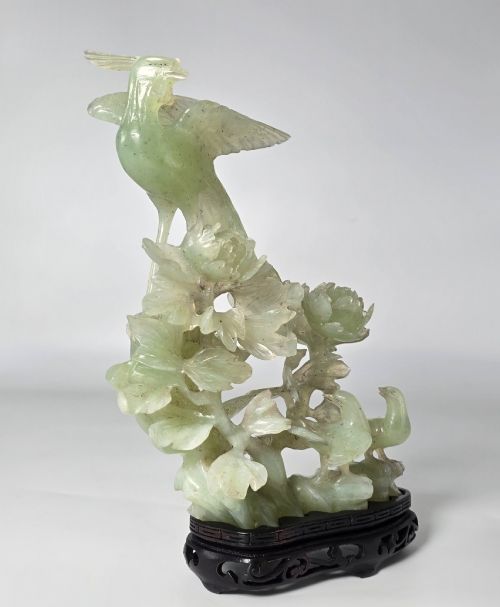
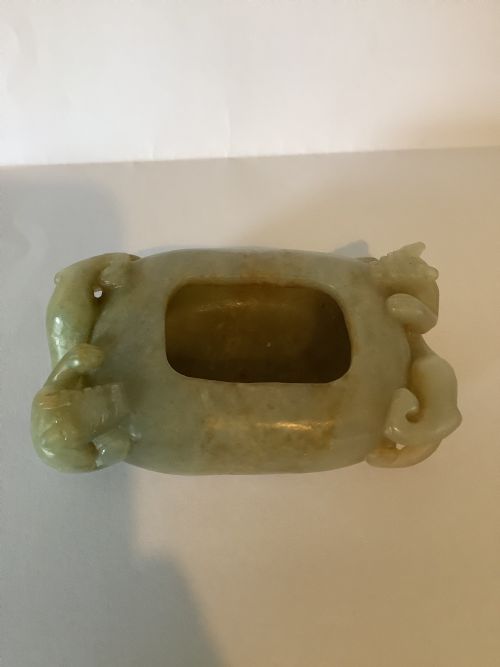
The objects most frequently met on this page include scholarly items such as brush washers and water birds alongside animal carvings, landscape sculptures, and personal ornaments. These pieces reflect diverse origins including traditional Chinese workshops and Edwardian jewellers.
Materials and construction
Carvers shaped these items from natural mineral materials including jadeite, nephrite jade, celadon jade, bowenite and serpentine, often selecting stones with subtle russet inclusions. Hardwood stands frequently accompany the larger sculptural carvings to support the weight and display the stone.
Jewellery pieces incorporate precious metals like 14ct gold and platinum, occasionally paired with diamonds to frame the carved stones. The lapidary work relies on patient abrasive shaping and polishing to achieve the smooth surfaces seen on pendants, earrings and vessels.
Pale Green Jade Retail Price Guide 2026
Typical asking prices for pale green jade among the pieces listed under this phrase on Sellingantiques today, from the lower quarter to the upper quarter. They describe what is for sale here now, not the wider market.
The listings feature pieces spanning the Qing Dynasty, the Edwardian era, and the 1930s, using materials from jadeite to serpentine.
What separates the best examples
Quality in these carvings rests upon the harmony between the natural colour variations of the stone and the sensitivity of the lapidary work. Finer items display crisp undercut details and fluid anatomical lines that respect the natural contours of the mineral.
The integration of supportive elements, such as custom-carved hardwood stands for mountain landscapes and vessels, contributes to the overall presence of the piece. Superior jewellery mounts use precious metals to secure the carved stone without overwhelming its natural translucency.
The Pale Green Jade Glossary
- Jadeite
- A pyroxene mineral valued for its vibrant colour range and crystalline structure. It forms one of the two distinct mineral species recognised as jade.
- Nephrite
- An amphibole mineral known for its toughness and fibrous interlocking structure. This material served as the primary medium for traditional Chinese carvings over centuries.
- Celadon
- A pale green ceramic glaze colour or a similar pale green tone found in minerals. It appears frequently in descriptions of scholarly carvings and vessels.
- Brush washer
- A vessel used in traditional Chinese calligraphy to clean brushes. These items often take the form of naturalistic basins carved from jade or hardstone.
- Bowenite
- A serpentinite rock hard enough to resemble jade and frequently carved into figures and animals. It shares many visual characteristics with true nephrite.
Pale Green Jade: Frequently Asked Questions
What is pale green jade?
Pale green jade encompasses mineral stones such as nephrite and jadeite worked into decorative and utilitarian objects. The colour varies from soft celadon tones to lighter translucent green.
These materials have been carved into sculptures, vessels and jewellery across various historical periods, particularly within Chinese artistic traditions.
How do I care for jade?
Keep jade pieces away from harsh chemicals and sudden temperature changes to protect the surface polish. Gentle cleaning with a soft cloth helps maintain the natural lustre of the stone.
For items mounted on hardwood stands or set in gold and platinum, handle the entire piece carefully to avoid straining the mounting joints.
Are these items antique?
The pieces span multiple eras, including eighteenth-century Qing Dynasty works, nineteenth-century carvings, and early twentieth-century items from the Edwardian period and the 1930s. Each era utilises distinct artistic conventions and mounting styles.
Examining the carving technique and associated materials helps determine the approximate period of origin for each individual object.
How were jade brush washers used?
Scholar's objects like brush washers were kept on desks for traditional ink painting and calligraphy. They held water used to rinse ink from brushes during the writing process.
These vessels were often carved with lotus forms or naturalistic motifs to inspire scholarly contemplation in the studio.