





Qing Dynasty Figurines
Qing dynasty figurines bring master craftsmanship into your home through expressive depictions of deities, animals, and scholars carved from jade, soapstone, hardwood, and porcelain.
Qing Dynasty Figurines
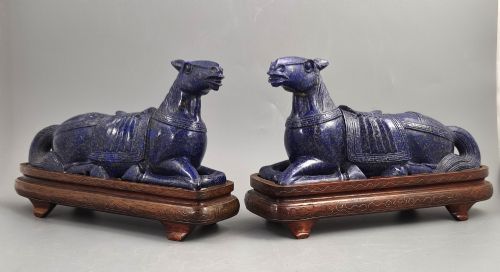
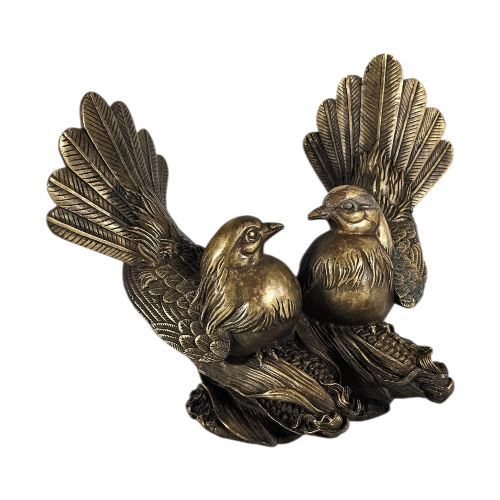
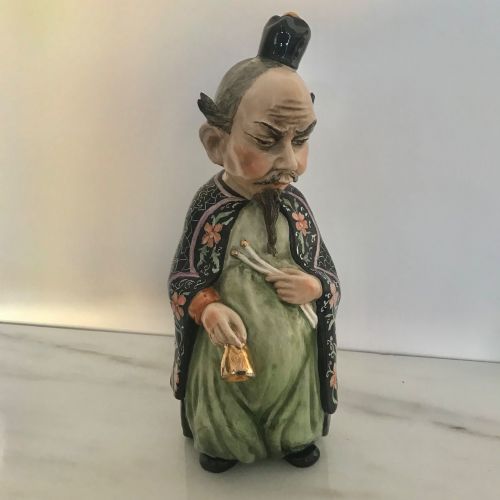
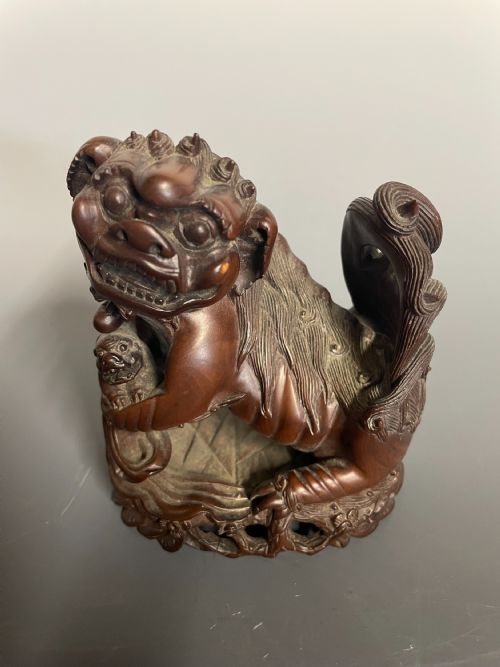
When searching for qing dynasty figurines, you encounter sculptural works representing traditional Chinese subjects such as Daoist immortals, Buddhist figures, and auspicious animals like foo dogs, birds, and water buffaloes.
The pieces appearing on this page span the nineteenth century and the early twentieth century, encompassing late Qing dynasty production as well as traditional Chinese and export styles.
You find domestic objects intended for scholarly contemplation alongside temple deities and decorative carvings produced in ceramic, earthenware, Shiwan pottery, and Peking glass.
Materials and construction methods
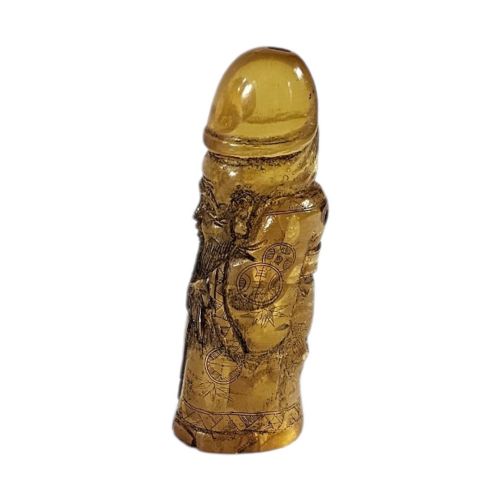
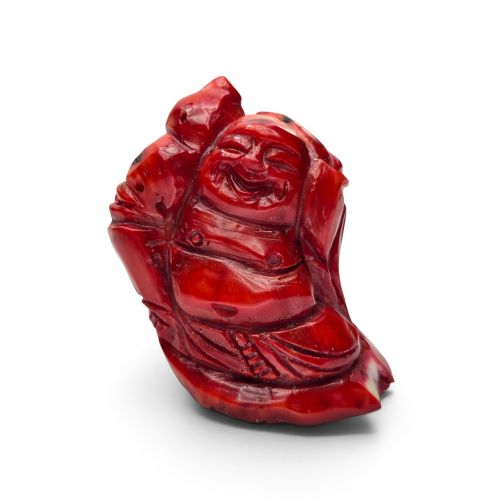
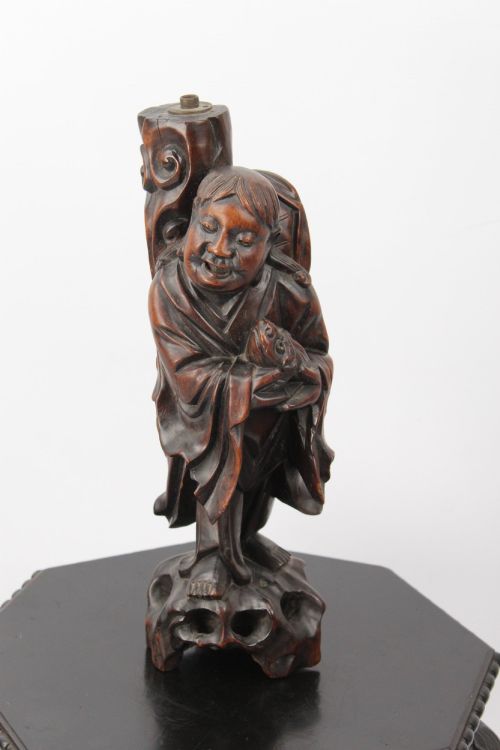
Carvers utilised organic materials including boxwood, hardwood, root wood, amber, red coral, soapstone, and jade to shape intricate figures of deities, fishermen, and animals.
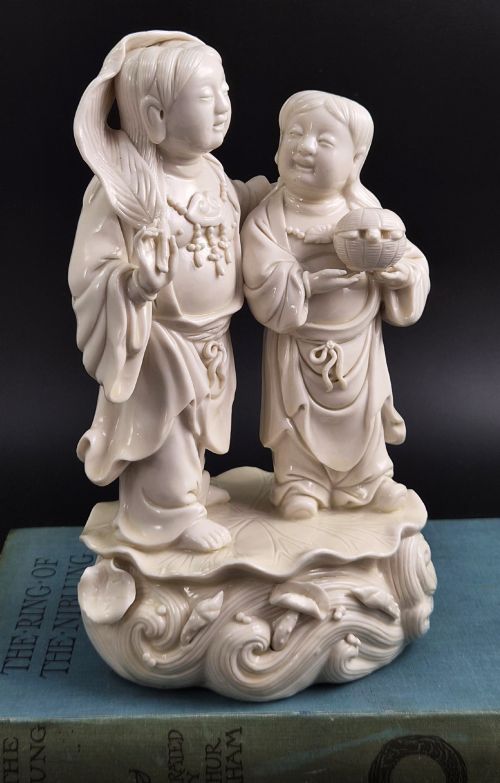
Ceramic and porcelain pieces received hand-painted enamel decoration, famille rose palettes, famille verte glazes, and turquoise glazing before kiln firing.
Foundry workers cast bronze sculptures and incense burners, sometimes incorporating specific imperial reign marks such as the Xuande mark.
Qing Dynasty Figurines Retail Price Guide 2026
Typical asking prices for qing dynasty figurines among the pieces listed under this phrase on Sellingantiques today, from the lower quarter to the upper quarter. They describe what is for sale here now, not the wider market.
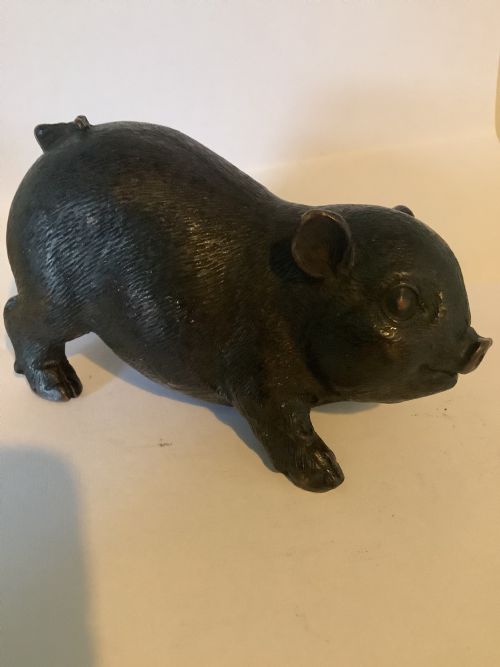
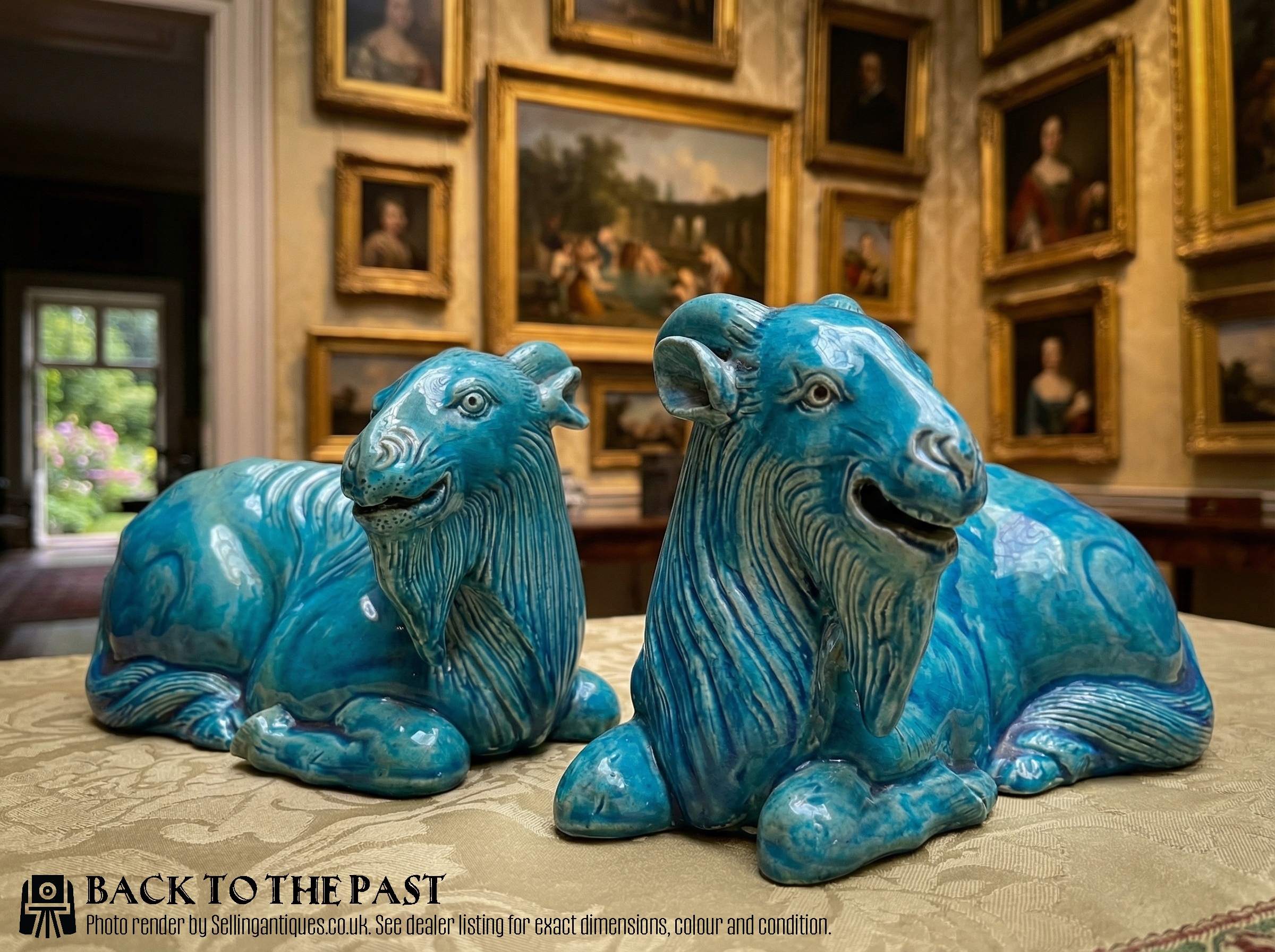
Watch for carved wooden water buffaloes and glazed porcelain goats standing ready to graze across your mantelpiece.
Factors influencing quality
The refinement of the carving dictates the success of sculptural pieces, where depth, anatomical proportion, and naturalism in figures like horses, tigers, or human subjects separate standard items from superior examples.
In glazed ceramics and enamel-decorated porcelain, the precision of the brushwork and the vibrancy of the palette determine artistic merit.
The choice of raw material dictates value, with dense hardstones, fragrant roots, and unblemished jade displaying greater natural character than common stone or softer woods.
The Qing Dynasty Figurines Glossary
- Famille rose
- A palette of opaque enamel colours dominated by pink or rose hues, introduced during the Qing dynasty. This technique allowed for intricate shading on porcelain figures and vessels.
- Shoulao
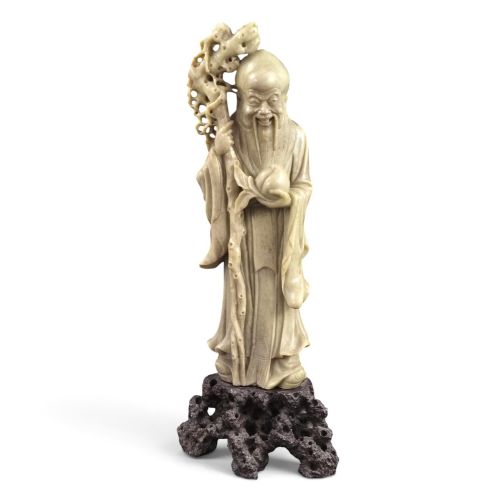
- The Daoist god of longevity, typically depicted with a high forehead and carrying a peach or staff. Figures of this deity frequently appear in carved soapstone and hardstone.
- Shiwan pottery
- A type of Chinese ceramic renowned for expressive figurative sculpture and rich, complex glazes. Kilns in Guangdong produced these distinctive earthenware pieces.
- Foo dog
- A mythical guardian lion depicted guarding sacred spaces. These creatures appear frequently as carved wooden sculptures or enamelled porcelain figures.
- Peking glass
- Chinese coloured glass developed during the Qing dynasty, often carved into statues and pendants. Artisans utilised layered glass techniques to create depth in sculptural forms.
Qing Dynasty Figurines: Frequently Asked Questions
What materials were qing dynasty figurines made from?
These sculptures utilise a diverse array of materials ranging from organic substances like hardwood, root wood, amber, and coral to minerals such as soapstone, jade, and hardstone.
Ceramics also play a major role, including turquoise-glazed earthenware, Shiwan pottery, and porcelain decorated with hand-applied enamel palettes.
How were ceramic figurines decorated?
Potters applied detailed hand-enamelled designs directly onto the porcelain body before firing. Many examples employ the famille rose or famille verte palettes to render vibrant robes, feathers, and floral motifs.
Monochrome turquoise glazes also appear frequently on animal statues and mythical beasts.
Who do these figures represent?
The subjects draw heavily from Chinese folklore, Daoism, and Buddhism, featuring deities, immortals like Liu Hai, and figures of longevity such as Shoulao. Scholars, fishermen, and laughing boys also appear alongside auspicious animals including mandarin ducks, deer, and tigers.
How do you date nineteenth-century carvings?
Dating relies on stylistic markers, material preparation, and wear patterns consistent with nineteenth-century production methods and late Qing aesthetics. Historical context is often provided by associated reign marks, though many decorative pieces reflect traditional designs spanning multiple decades.