






Qing Turquoise Porcelain
These pieces of qing turquoise porcelain bring vibrant colour and historic form into a room.
Qing Turquoise Porcelain
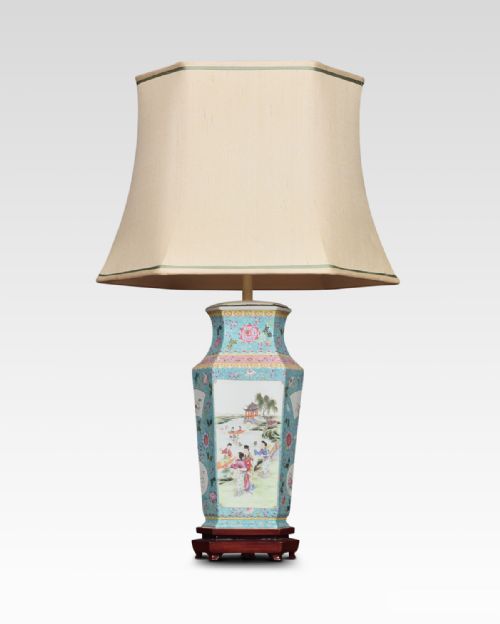
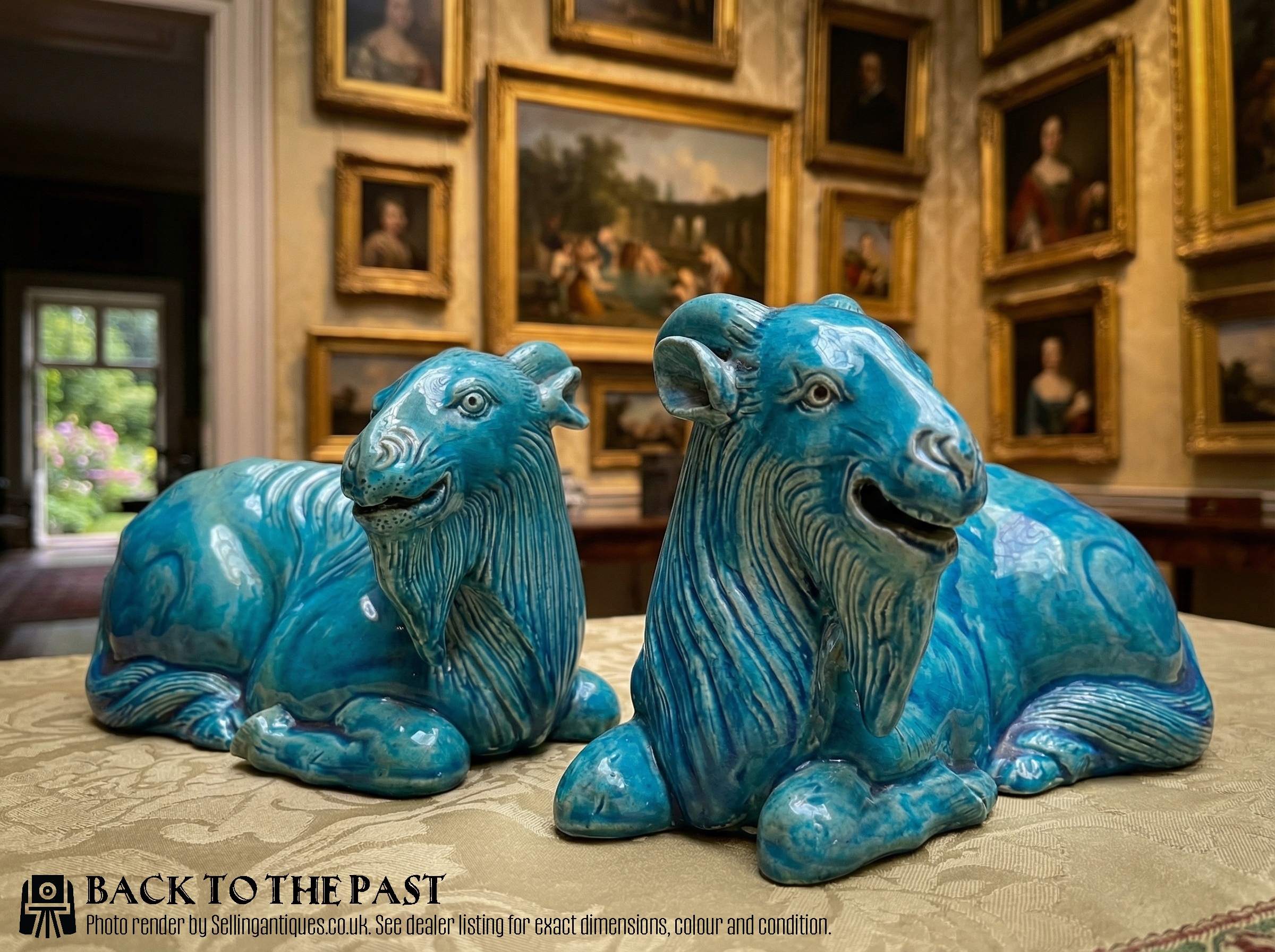
When you search for qing turquoise porcelain, you find items shaped as bowls, vases, lamps, and figurative sculptures of animals such as goats, cockerels, parrots, and qilin. These objects draw the eye with their striking monochromatic or glazed surfaces, characteristic of the Qing Dynasty.
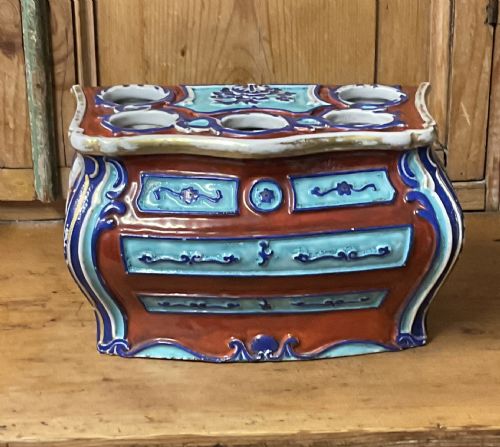
The versions you meet most frequently on this page date from the nineteenth century, alongside examples from seventeen-fifty and nineteen-twenty. They include lobbed rectangular bowls, bombe commode bough pots, and baluster forms adapted for modern lighting.
Makers fashioned these pieces using porcelain, ceramic, and lead glaze, sometimes mounting them with brass, gilt, and wood. Their styles range from strict Qing Dynasty output to Chinese export wares and later Chinoiserie interpretations.
How they were made
Potters shaped clay into delicate bowls, vases, and animal figurines before applying lead glaze and enamel. The distinctive turquoise colour derives from copper oxide fired at high temperatures over a porcelain body.
Secondary materials such as brass, gilt, and wood appear in bases, mounts, and lamp fittings, combining utility with decorative display. These additions reflect both original production methods and later nineteenth-century adaptations.
Qing Turquoise Porcelain Retail Price Guide 2026
Typical asking prices for qing turquoise porcelain among the pieces listed under this phrase on Sellingantiques today, from the lower quarter to the upper quarter. They describe what is for sale here now, not the wider market.
Listings feature nineteenth-century items alongside pieces from seventeen-fifty and nineteen-twenty, utilising porcelain, ceramic, enamel, lead glaze, brass, gilt, and wood.
What varies in quality
Quality rests upon the depth and evenness of the turquoise glaze across the porcelain or ceramic body. Finer pieces display smooth application without pooling or drying flaws, preserving the crisp details of moulded feathers, fur, or lobbed rims.
The refinement of the underlying form distinguishes standard domestic output from more ambitious sculptural and vessel shapes. Sculptures like the qilin, goats, and parrots succeed when the modelling captures naturalistic posture rather than stiff symmetry.
The Qing Turquoise Porcelain Glossary
- Qing Dynasty
- The final imperial dynasty of China, lasting from sixteen-fourteen-fourteen to nineteen-twelve. Pieces from this era often feature imperial reign marks or traditional forms.
- Lead glaze
- A glossy coating containing lead oxide that melts at lower temperatures and intensifies ceramic colours. It creates the smooth, vitreous surface seen on turquoise wares.
- Bough pot
- A vessel designed to hold cut branches or flower stems for indoor decoration. These containers typically feature flat tops with apertures.
- Qilin
- A mythical hooved Chinese creature associated with prosperity and serenity. Sculptures of this beast appear frequently in Qing ceramic art.
- Chinoiserie
- European artistic styles reflecting Chinese motifs and techniques. This aesthetic gained popularity through export trade during the Qing period.
Qing Turquoise Porcelain: Frequently Asked Questions
What is qing turquoise porcelain?
It encompasses ceramic bowls, vases, and animal figures covered in a distinctive turquoise glaze. These items originate primarily from the Qing Dynasty.
The category includes utilitarian vessels, decorative sculptures of creatures like cockerels and goats, and lamps adapted in later eras.
How were these figures used?
Figures and vases served as interior ornaments to display wealth and taste in scholar rooms and reception halls. Bowls held water, fruit, or floral arrangements.
Over time, many larger vases and vessels were converted into table lamps while retaining their original ceramic bodies.
How do I date these pieces?
Dating relies on stylistic markers, glaze characteristics, and recorded periods such as the nineteenth century or seventeen-fifty. Reign marks, while informative, require careful comparison with authentic period output.
Secondary materials like brass mounts and wooden bases also help indicate the era of manufacture or subsequent adaptation.
How do I care for turquoise porcelain?
Clean the glazed surfaces gently with a soft, dry cloth to remove dust without abrasive cleaners. Protect delicate extremities on animal figures from knocks.
Keep pieces away from direct sunlight and drastic temperature changes to preserve the glaze and any added brass, gilt, or wood components.