
Qing Dynasty Chinese Bowl
When you search for a qing dynasty chinese bowl, you enter a world of imperial ceramics and scholar's bronzes crafted to endure.
Qing Dynasty Chinese Bowl
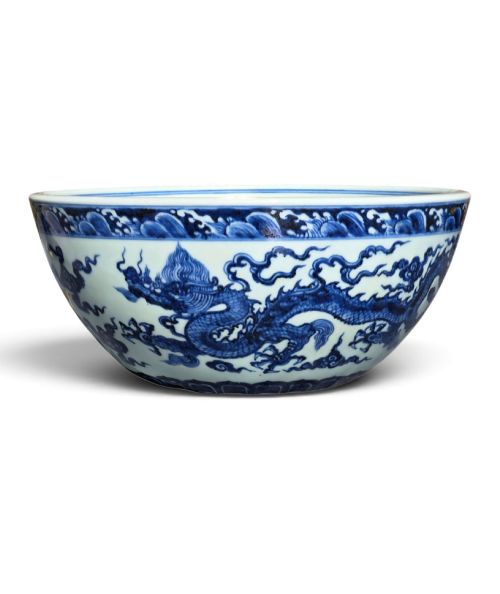
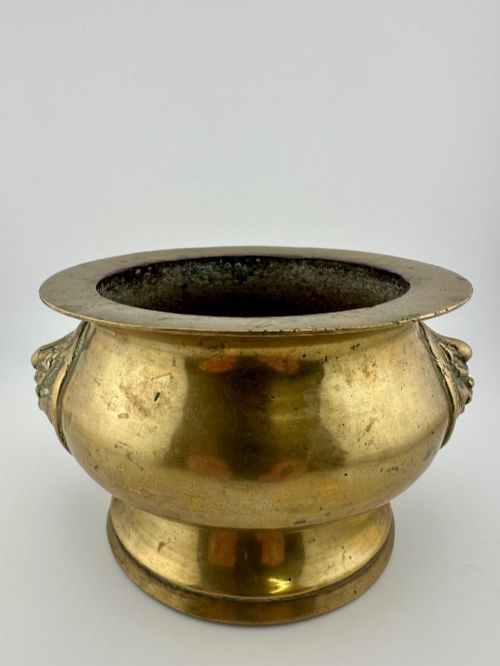
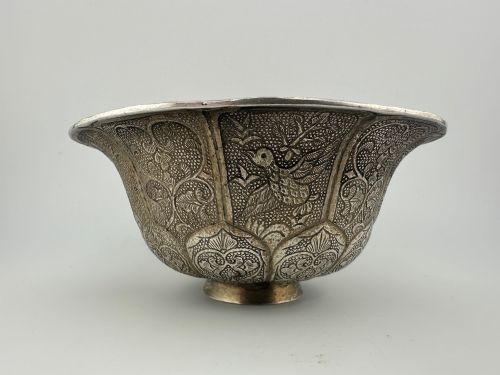
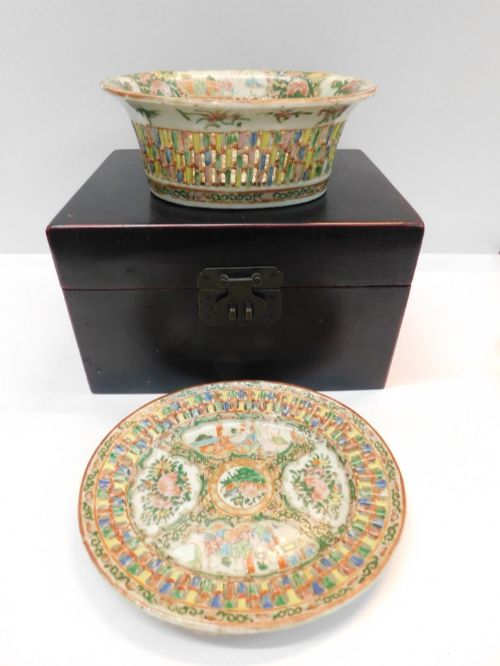
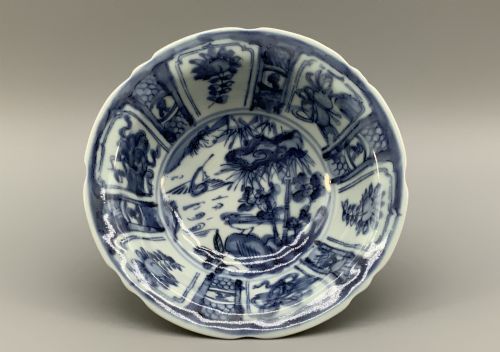
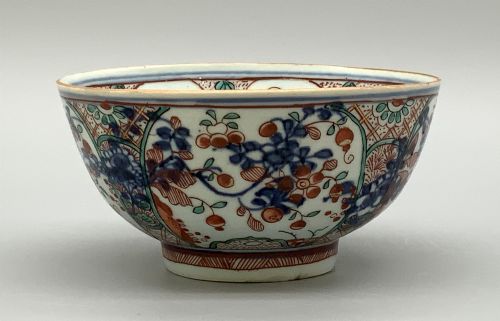
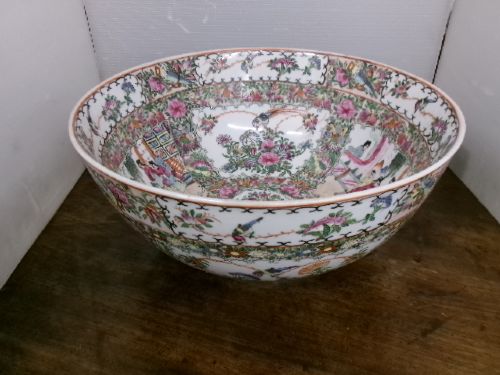
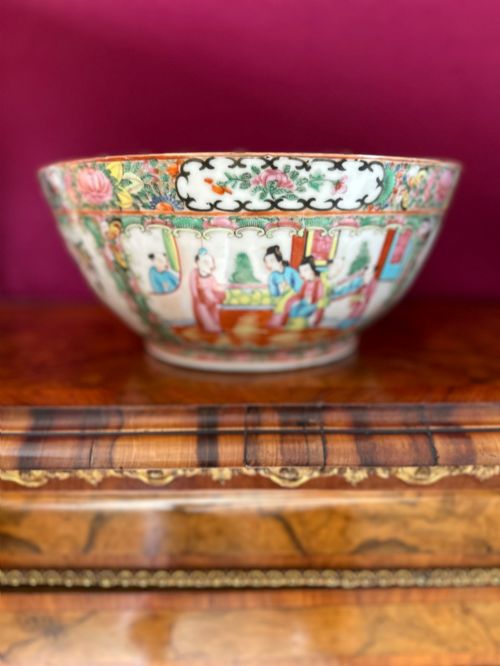
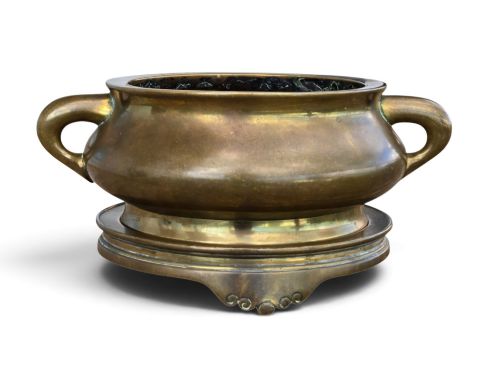
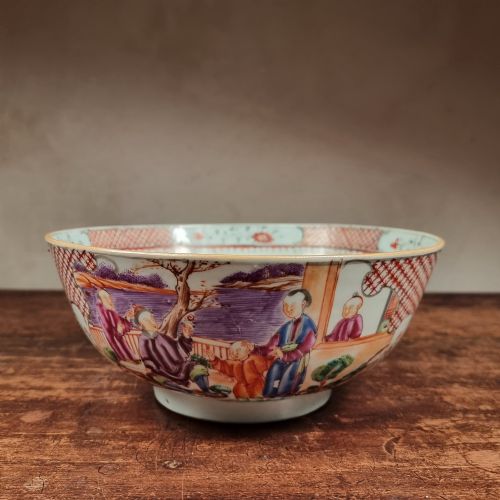
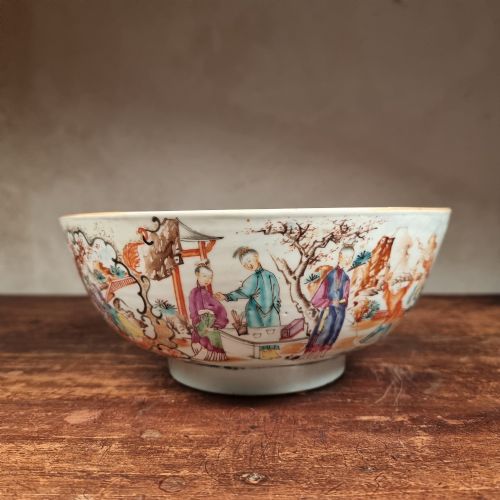
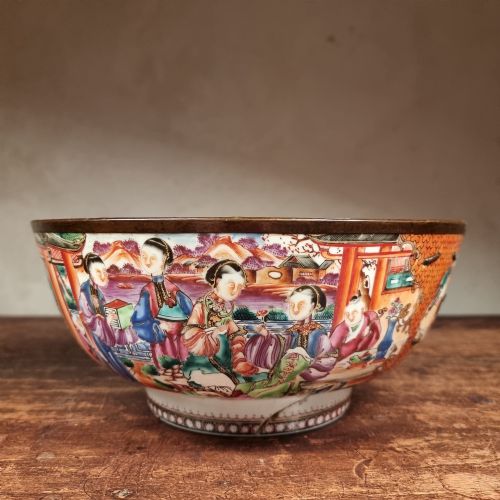
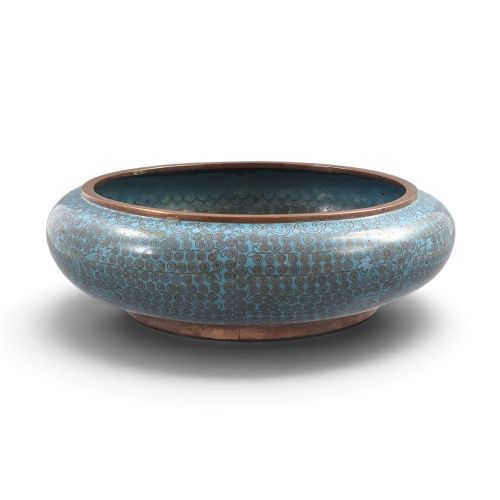
You are most likely to encounter nineteenth-century Canton famille rose pieces and eighteenth-century blue and white porcelain on this page. These vessels range from delicate eggshell cups to large punch bowls and heavy ritual censers bearing imperial-style dragon motifs or botanical designs.
How they were made
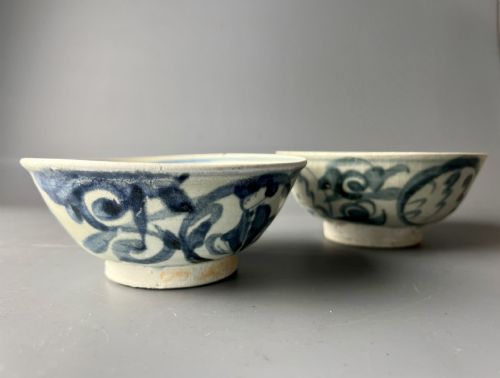
Potters and artisans utilised porcelain clay, bronze, brass, and copper enamel, shaping them through throwing, casting, and hand-painting techniques. Cobalt underglaze, enamel pigments, and gold leaf were applied to create intricate botanical and figurative scenes.
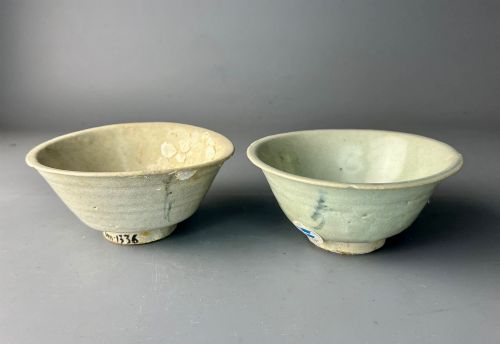
Techniques varied from the delicate rendering of famille rose and imari palettes to the lost-wax casting of heavy archaic-style bronze censers. Glazing methods included iron rust, celadon, and chocolate-brown batavia coatings fired in wood or coal-burning kilns.
Listings feature porcelain, bronze, and enamel across the seventeenth, eighteenth, and nineteenth centuries.
What varies in quality
The standard of a qing dynasty chinese bowl depends on the precision of the hand-painted detail and the balance of the form. Imperial-style pieces demonstrate superior control in cobalt underglaze or polychrome enamels, where brushwork remains crisp and deliberate.
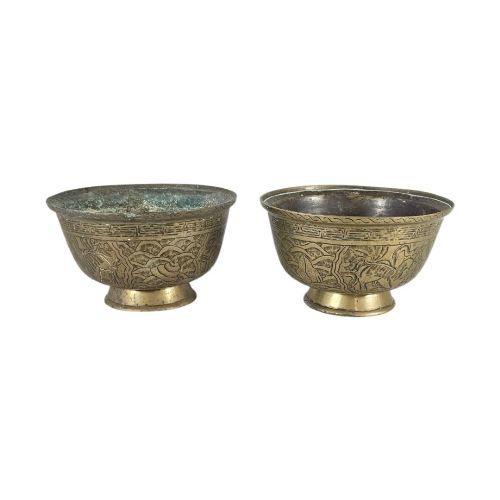
Material weight and casting fineness divide everyday export items from high-status scholarly objects. Heavy bronze censers and eggshell porcelain vessels display a refinement in finishing and mark execution that distinguishes workshop production from mass output.
The Qing Dynasty Chinese Bowl Glossary
- Famille rose
- A palette of opaque pink and rose enamels introduced in the eighteenth century. It allowed for subtle shading and detailed depiction of flowers and figures.
- Censer
- A vessel used for burning incense, frequently cast in bronze with tripod legs or handles. These often carry archaic forms and scholarly studio marks.
- Doucai
- A technique combining underglaze blue outlines with overglaze enamel infill. The colours sit brightly within the defined blue borders.
- Jardiniere
- A large ornamental pot designed to hold plants or flowers. They appear in porcelain and bronze across the nineteenth century.
- Imari
- A style of decoration utilising underglaze blue, iron red, and gold on porcelain. It developed for both domestic consumption and export markets.
Qing Dynasty Chinese Bowl: Frequently Asked Questions
What is a qing dynasty chinese bowl used for?
These vessels served diverse functions ranging from serving punch and tea to burning incense in scholarly studios. Larger pieces acted as decorative centrepieces or planters for gardens and interiors.
Scholar's objects like brush washers were utilised for cleaning calligraphy brushes on the desk. Every form was shaped by the specific domestic or ritual demands of its period.
How do I identify a qing dynasty piece?
Identification relies on examining the materials, decorative styles, and any reign marks stamped or painted on the base. Porcelains show characteristic glaze textures and cobalt blue tones unique to specific centuries.
Bronze vessels often display archaic motifs or studio marks that point towards imperial workshops. Comparing the weight and hand-painting style helps confirm the era of production.
How should I care for antique porcelain?
Antique porcelain and enamel require gentle handling and should be kept away from direct sunlight and sudden temperature shifts. Dusting with a soft, dry cloth is sufficient for routine maintenance.
Avoid using chemical cleaners or immersing metal-mounted pieces in water. Stable display conditions protect both the glaze and any delicate overglaze enamels.