
Qing Dynasty Carving
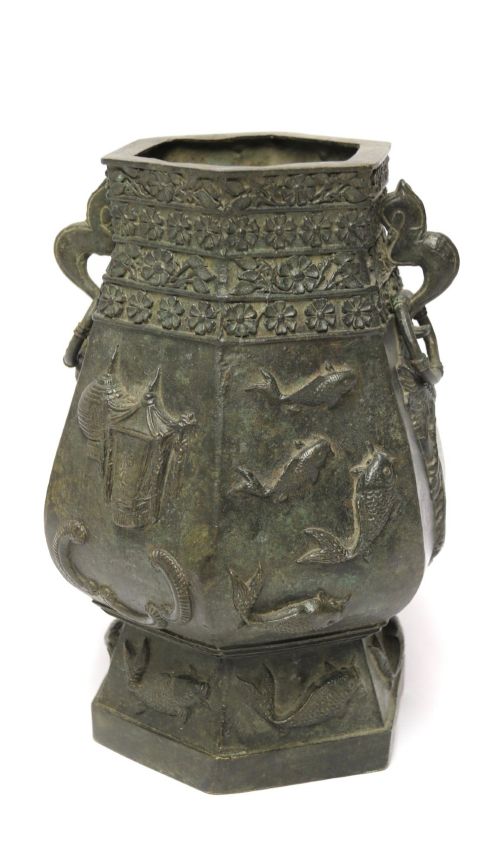
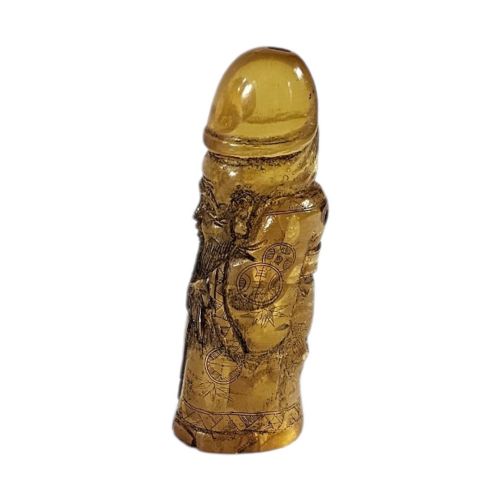
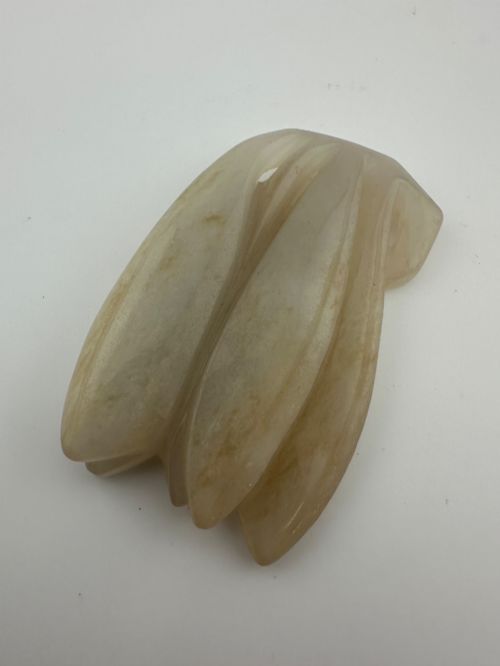
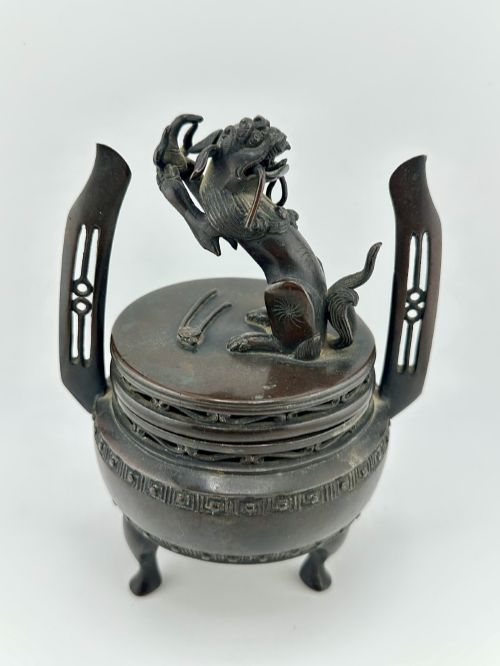
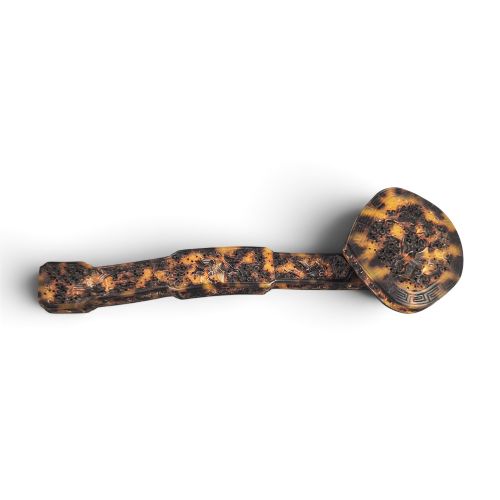
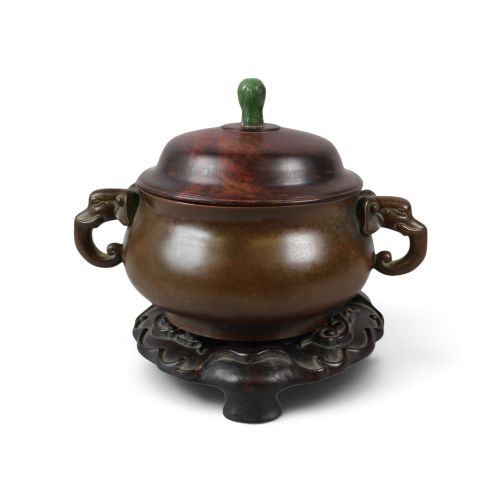
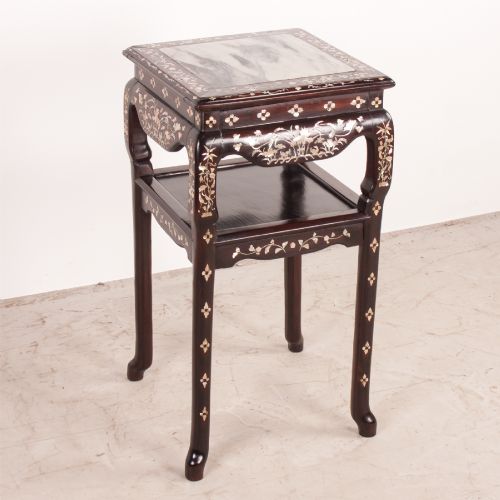
These qing dynasty carving pieces are historic Chinese sculptures and wall plaques shaped from stone, wood, and lacquer, offering rich texture and traditional craftsmanship for any interior.
What they are
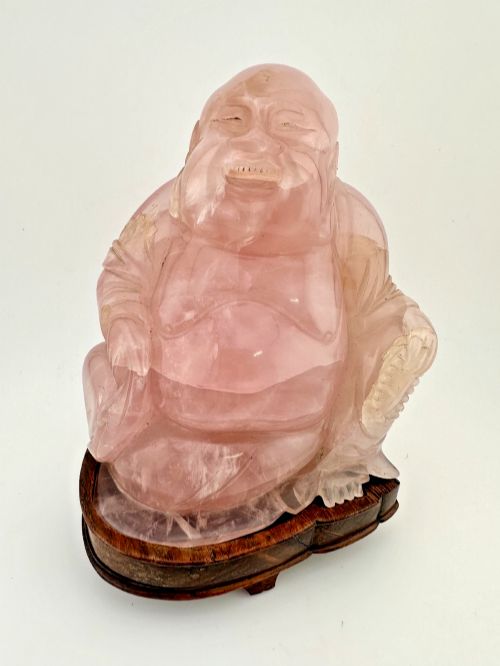
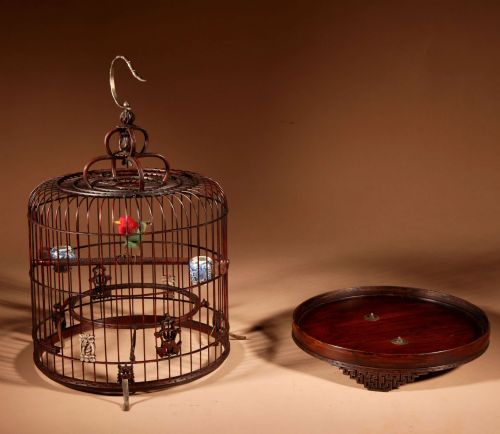
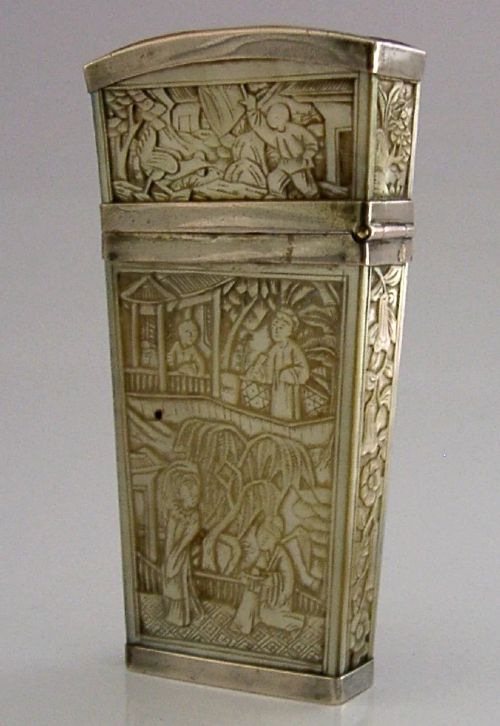
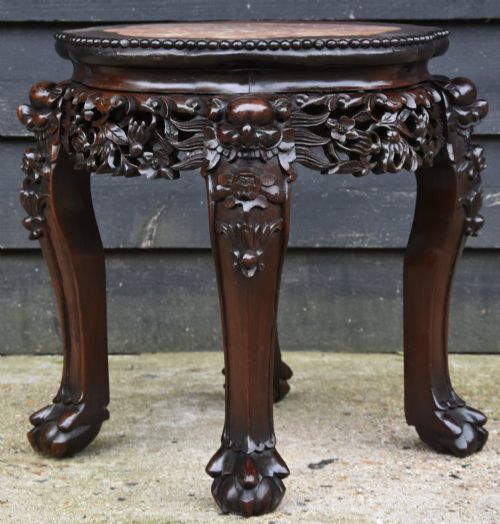
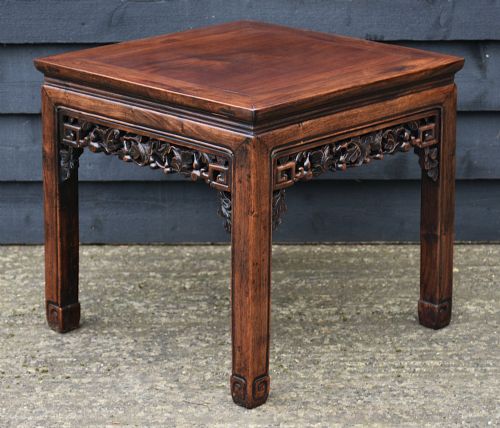
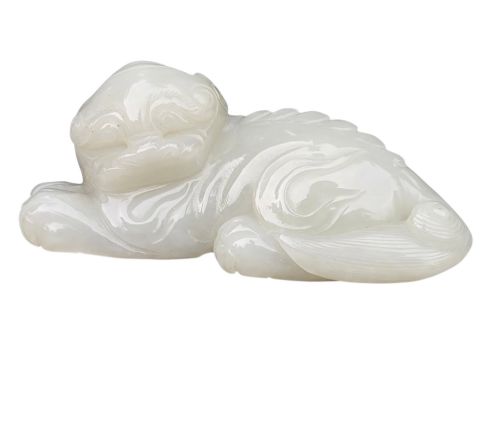
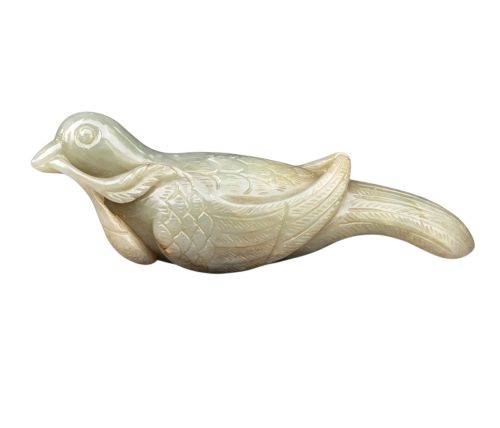
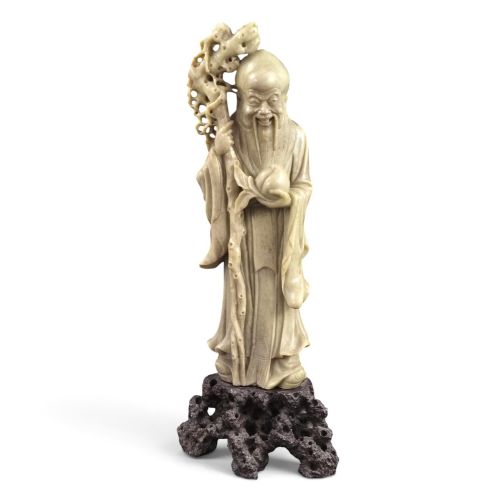
You are most likely to meet nineteenth-century examples on this page, including miniature figure groups, rootwood pieces, and soapstone carvings. These objects reflect traditional Chinese subjects such as dragons, monkeys, and boys upon oxen.
The form encompasses both freestanding sculptures and architectural wall plaques. Hardwood, soapstone, and shoushan stone dominate the physical evidence of these surviving works.
How they were made
Carvers shaped these pieces using organic materials like hardwood, timber, and rootwood, alongside mineral substances such as soapstone, steatite, and shoushan stone. Artisans followed natural contours in roots and burrs to dictate the final sculpture.
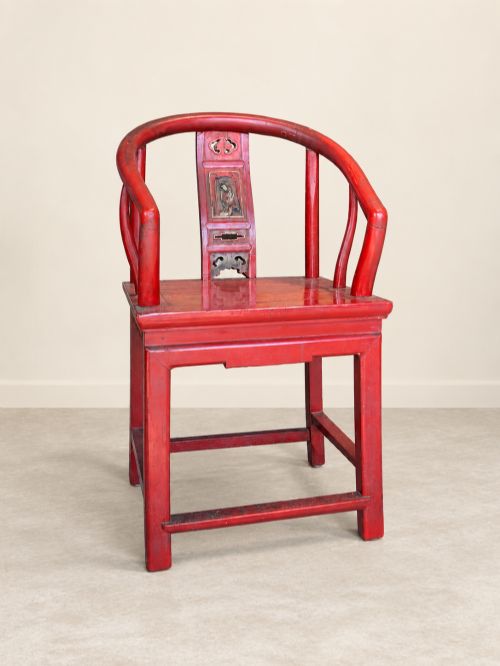
Makers applied surface treatments including lacquer, gilding, and giltwood to enhance specific details on wooden figures and panels. This combination of carving and surface finishing creates depth within the traditional Chinese motifs.
Retail Price Guide 2026
Typical UK retail prices for qing dynasty carving, calculated from the Sellingantiques database of over a million retail prices indexed since 2003. This retail price guide relies exclusively on Sellingantiques data; no external sources or auction records are used, so the figures do not describe the wider market.
Listings feature items exclusively from the nineteenth century and around nineteen hundred, utilising hardwood, lacquer, shoushan stone, and soapstone.
What varies in quality
The sophistication of the carving distinguishes finer examples from simpler workshop output. Details in figurative groups, such as facial expressions and drapery, show the hand of a more skilled artisan.
Material selection plays a role in the standing of a piece, with finely grained hardwoods and unblemished soapstone commanding attention. The preservation of original giltwood and lacquer finishes further separates well-kept pieces from heavily worn items.
The Qing Dynasty Carving Glossary
- Shoushan Stone
- A type of Chinese soapstone sourced from Fujian province, prized for its smooth texture and suitability for detailed carving.
- Giltwood
- Timber that has been decorated with a thin layer of gold leaf or gold paint. This technique highlights carved details on figures and plaques.
- Soapstone
- A relative soft, talc-schist mineral easily shaped by carvers into figurative sculptures and complex group scenes.
- Rootwood
- Timber utilising the natural, gnarled shapes of tree roots to form organic sculptures such as boats and figures.
- Steatite
- A compact variety of talc often used interchangeably with soapstone for intricate Chinese carvings.
Frequently Asked Questions
What is a qing dynasty carving?
These pieces are historic Chinese sculptures and wall plaques created during the Qing period. They utilise materials like soapstone, hardwood, and rootwood.
Artisans carved traditional subjects such as figures, animals, and narrative scenes into these lasting mediums.
How were these carvings used?
Many of these items functioned as scholar's desk objects or decorative displays within traditional interiors. Wall plaques served as architectural or wall-hanging ornaments.
Miniature figure groups and rootwood boats were designed for close appreciation and contemplation.
How do I date a qing carving?
Dating relies on stylistic evidence, material choices, and recorded periods such as the nineteenth century. Examining the wear on the wood or stone helps place the object in its era.
Comparative analysis with archival pieces provides further context for specific centuries.
What materials are common?
Hardwood, timber, and rootwood appear frequently among the wooden items. Mineral substances like soapstone, shoushan stone, and steatite represent the stone medium.
Lacquer and giltwood are also present as finishing materials on select sculptures.
How do I care for them?
Keep wooden and stone carvings away from direct sunlight and sudden temperature shifts to protect the material. Dust gently with a soft brush without applying harsh cleaning agents.
Maintaining stable humidity prevents delicate rootwood and gilt surfaces from drying out.