




Putti Gilt Wall Sconces
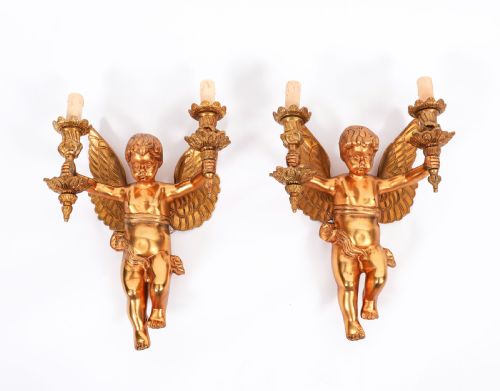
Putti gilt wall sconces bring sculptural drama and illumination, combining winged cherub figures with metallic finishes to transform a room.

Putti Gilt Wall Sconces
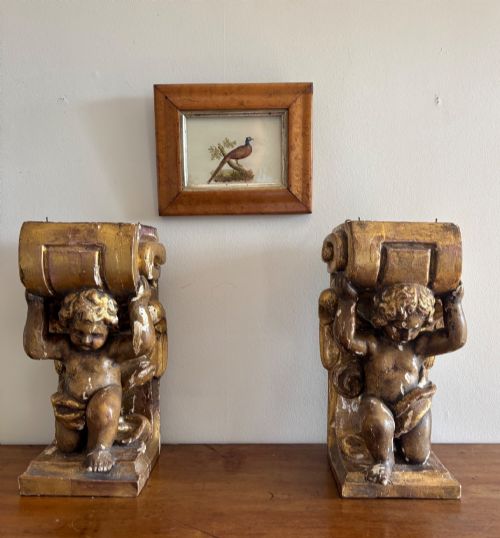
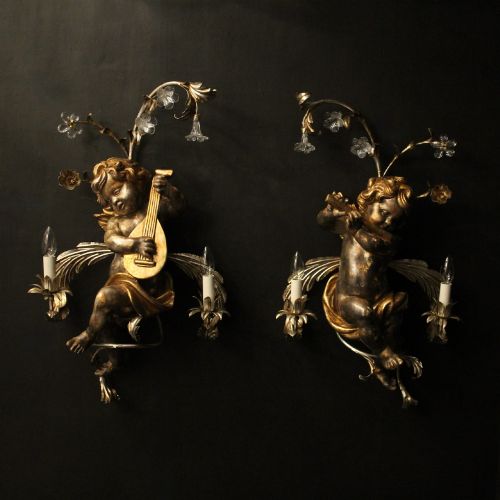
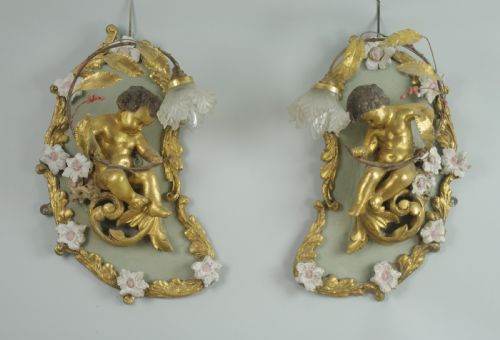
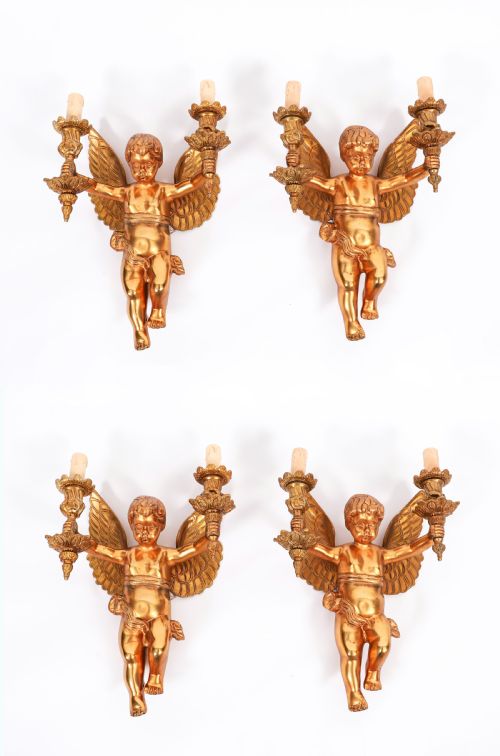
Putti gilt wall sconces encompass ornate lighting fixtures and architectural brackets featuring carved or cast cherubic figures finished in gold leaf, giltwood, or ormolu. These decorative pieces emerge primarily from the nineteenth century through the early twentieth century, spanning Italian, French, and English workshops.
The selection on this page centres heavily on matched pairs and sets of twin-arm or multi-branch wall lights. Examples frequently adopt historical design idioms such as Rococo Revival, Baroque Revival, and Louis XVI styles.
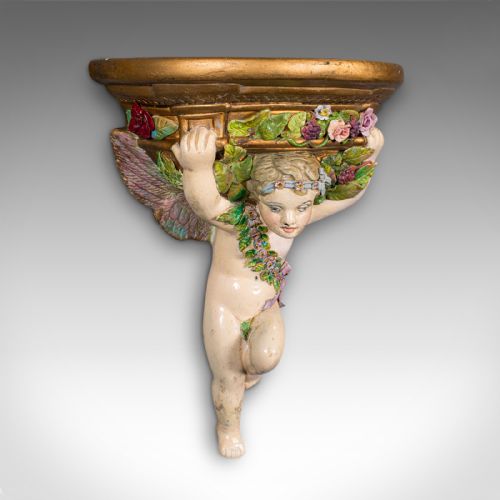
Buyers also encounter related decorative forms including giltwood wall brackets and cherub-adorned mirror frames adapted for illumination. These sculptural items mount directly to interior walls to provide ambient candle or electric light.
Materials and construction
Artisans constructed these fixtures using carved wood, cast bronze, or gilt metal as structural foundations. Wooden pieces rely on hand-carved timber built up with gesso before the application of delicate gold leaf.
Metal components utilise brass, bronze, and ormolu, often cast in detailed cherubic forms with chased surface textures. Glass elements occasionally appear in Italian pieces, pairing Murano work with gilded frames.
Some flying cherub light fittings appear mid-air with permanently surprised expressions, as though startled by an unexpected burst of electricity.
Assessing craftsmanship and finish
The integrity of the gilded surface further distinguishes the range. Original fire gilding, deep ormolu, and hand-applied gold leaf retain a richer warmth and depth than modern metallic paints.
The Putti Gilt Wall Sconces Glossary
- Putti
- Plural of putto, representing plump, winged male infant figures frequently depicted in classical art and decorative objects. They often resemble cherubs or cupids in wall sconce designs.
- Ormolu
- Finely ground high-carat gold mercury-gilded to a bronze object. This technique creates a deep, durable metallic lustre found on nineteenth-century French and Italian light fittings.
- Giltwood
- Timber that has been coated with a thin layer of gold leaf. It forms the base material for many nineteenth-century wall brackets and mirror frames.
- Wall bracket
- A projecting architectural support or shelf mounted to a wall. In lighting contexts, it often refers to sconces designed to hold candles or electric lamps.
Putti Gilt Wall Sconces: Frequently Asked Questions
How do I install heavy gilt wall sconces?
These fixtures require secure fixing directly into wall studs or masonry using appropriate heavy-duty load-bearing anchors. Because many examples feature solid bronze or carved timber construction, standard plasterboard fixings will not support the weight safely.
Electrical wiring must be handled by a qualified professional, particularly when adapting antique multi-branch sconces for modern mains power. Ensuring the backplate sits flush against the wall protects both the plaster and the antique fitting from undue stress during mounting.
Were these sconces originally wired for electricity?
Most nineteenth-century and early twentieth-century examples began life holding candles before being converted to electricity at a later date. Metal arms and drip pans often retain internal channels or modifications designed to accommodate modern wiring.
When evaluating older light fittings, check the internal channels and lampholders to understand how modern electrical components integrate with the antique frame. Rewiring is common practice to meet current safety standards while preserving the exterior decorative surface.
How do I clean giltwood and ormolu safely?
Dust these surfaces gently using a soft, dry brush or a clean microfibre cloth to prevent scratching the delicate metallic finish. Avoid using water, chemical solvents, or abrasive polishes, as these substances strip away gold leaf and damage historical gesso or fire gilding.
For intricate carved areas where dust accumulates, a soft artist's paintbrush helps lift debris without applying harmful pressure. Regular, gentle maintenance preserves the original patina and prevents the need for invasive restoration.
What distinguishes French sconces from Italian pieces?
French pieces from the nineteenth century typically display refined neoclassical or Rococo Revival symmetry, utilising finely chased gilt bronze and ormolu. Workshops in Paris focused heavily on precise anatomical modelling and controlled, elegant scrollwork. Cavalier Italian examples often embrace a more theatrical Baroque aesthetic, featuring larger proportions, carved giltwood, and occasional inclusions like Murano glass elements. These regional differences reflect the distinct decorative traditions of each country's nineteenth-century workshops.