



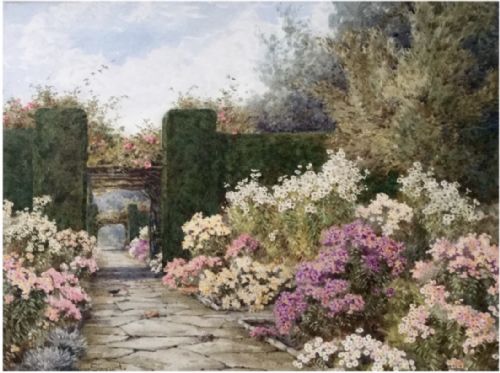
Purple Landscape Painting
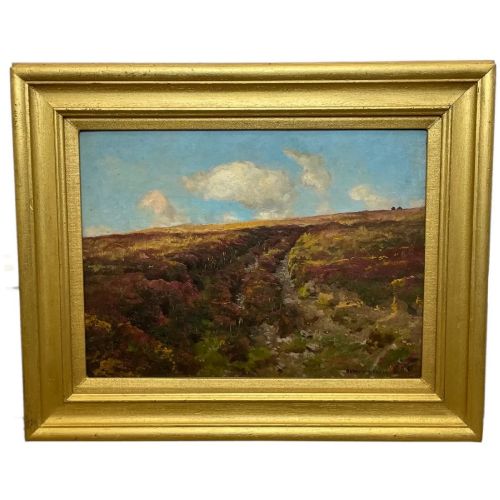
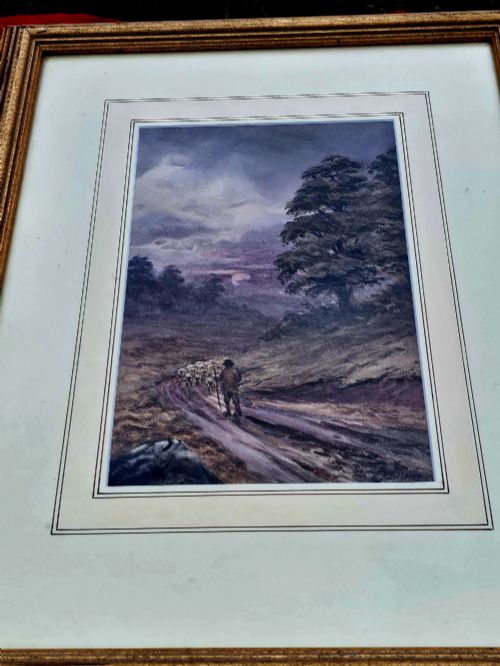
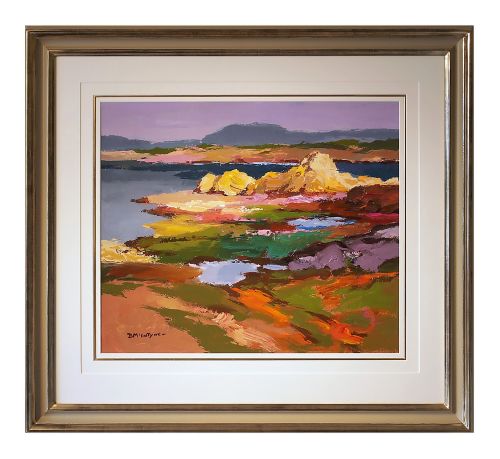
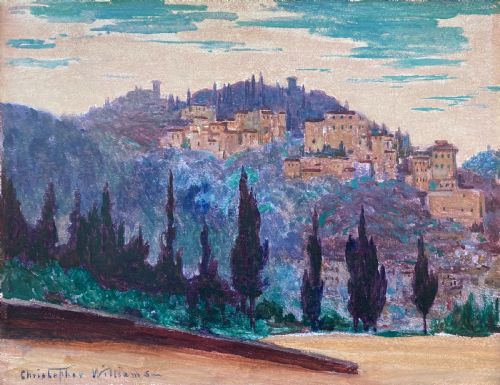
A purple landscape painting brings atmospheric tones and moody horizons into a room, offering rich visual depth through oils and watercolours.
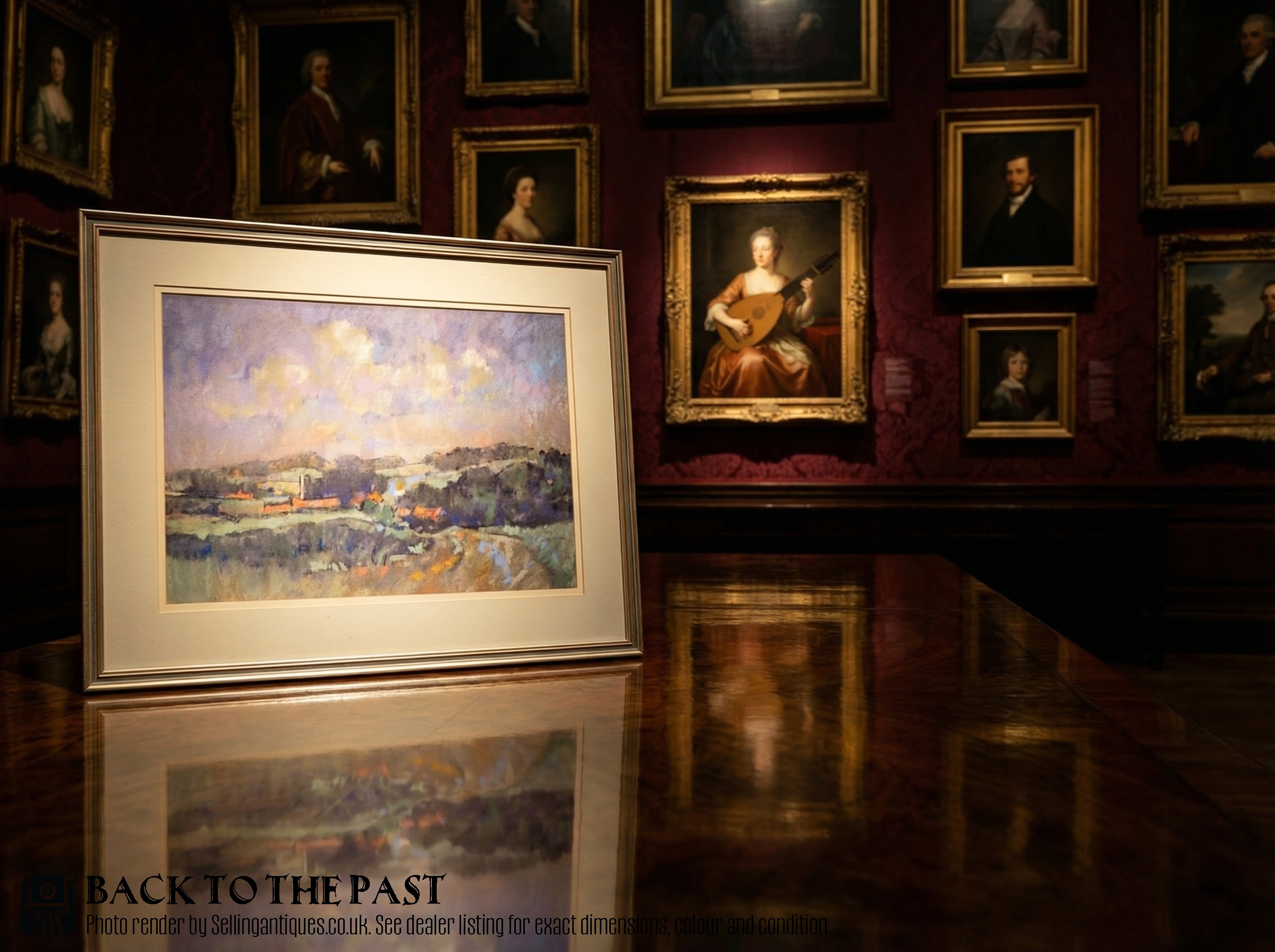
Purple Landscape Painting
A purple landscape painting captures natural scenery dominated by violet, mauve and indigo hues, ranging from rolling hills to evening skies. When searching for a purple landscape painting, collectors encounter diverse twentieth-century works alongside earlier examples.
The pieces on this page span from the eighteenth century to the mid-twentieth century, encompassing Edwardian, Modern British and impressionist movements. Mediums include oil on canvas, watercolour on paper and oil on board, framed by various wooden and hand-enamelled surrounds.
How they were made
Artists built these compositions using oil paint and watercolour, applying pigments to stretched canvas, heavy paper and prepared board. Brushwork ranges from precise Edwardian watercolours to looser post-impressionist oil applications.
Supports often include wood frames, glass protection and occasional hand-enamelled polychrome surrounds that frame the painted surface.
One unexpected piece places fine painted porcelain cups right alongside the framed paintings.
What varies in quality
Quality rests in the handling of tone and perspective, where confident brushwork creates convincing atmospheric depth in the landscape. The nuance of the colour palette determines the visual strength of the piece.
Condition of the pigment, stability of the canvas or paper, and the integrity of the original frame contribute to the overall standard of the work.
Arthur Wardle·Donald McIntyre·Samuel Timmins·William Greaves·Meissen·William Grant Murray·William Samuel Horton·Jeffrey Pratt·Beatrice Parsons·Lilian Stannard
The Purple Landscape Painting Glossary
- Watercolour
- A painting method where fine pigment is suspended in a water-soluble binder on paper. It allows for translucent washes and delicate atmospheric effects.
- Oil on Canvas
- Pigment mixed with drying oil applied to a woven fabric stretched across a wooden frame. This medium permits rich colour saturation and heavy impasto texture.
- Post-Impressionism
- An artistic movement following impressionism that extended its use of vivid colours and distinct brushstrokes. It prioritises emotional resonance over strict naturalism.
- Edwardian
- A stylistic period spanning the reign of Edward VII, marked by refined decorative arts and naturalistic representation. Works from this era often show meticulous detail.
- Impasto
- Paint applied thickly to a canvas or board, standing out in relief from the surface. This technique adds tangible texture and catches natural light.
Purple Landscape Painting: Frequently Asked Questions
How do I hang a watercolour safely?
Watercolours require placement away from direct sunlight to prevent the fading of delicate pigments on paper. Glass protection helps shield the surface from airborne moisture and dust.
Secure the frame using appropriate wall fixings suited to the weight of the wood and glass assembly.
What subjects appear in these works?
The subjects include rural countryside views, coastal moonlight scenes, golf courses, and pastoral fields filled with seasonal flowers. Artists captured specific locations across Britain and Europe.
Many compositions focus on evening light or atmospheric weather conditions that naturally produce purple tones.
How do I identify a canvas painting?
Canvas works show woven textile texture on the reverse and a flexible surface when lightly pressed. They are typically stretched over a wooden frame known as a stretcher.
Oil paint on canvas retains a distinct sheen and substantial body compared to watercolours on paper.