


Framed Original Picture
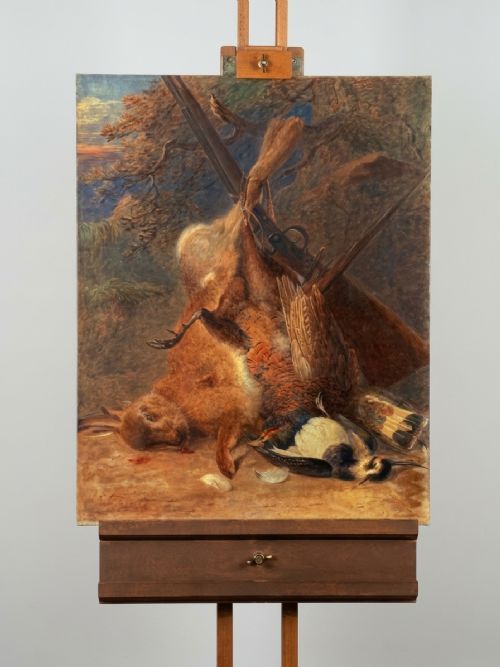
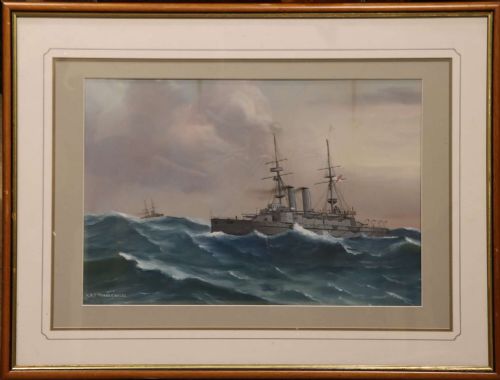
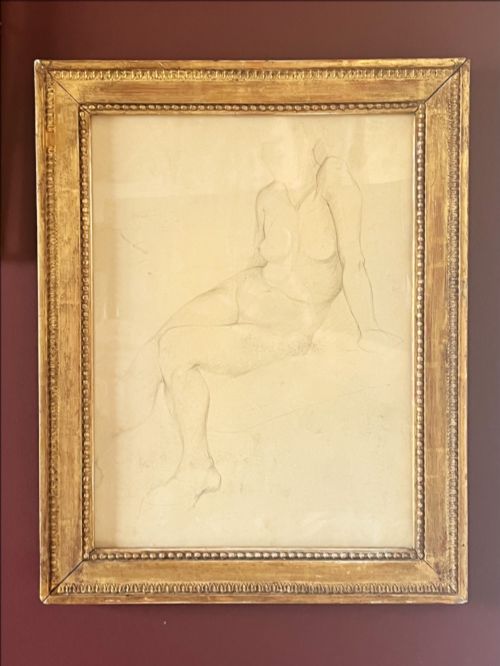
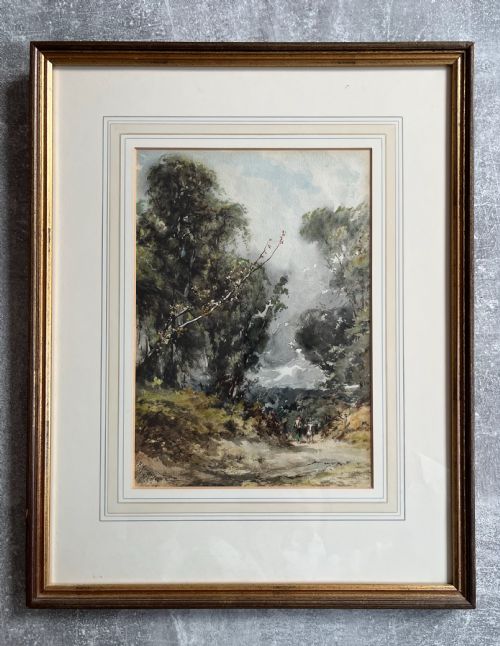
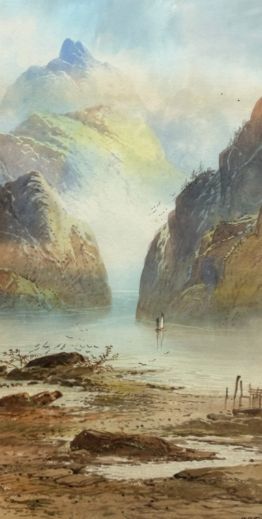
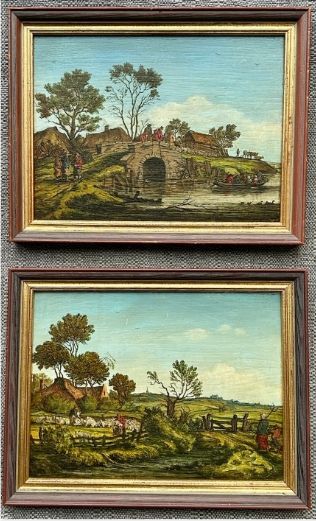
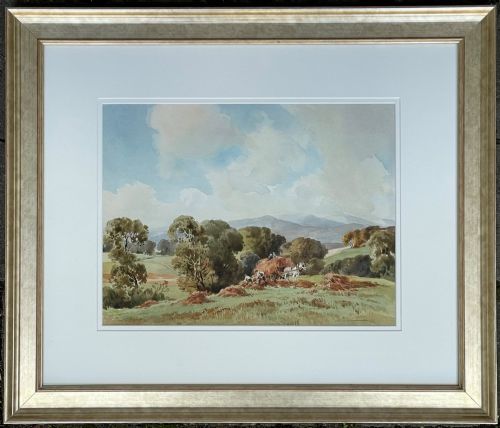
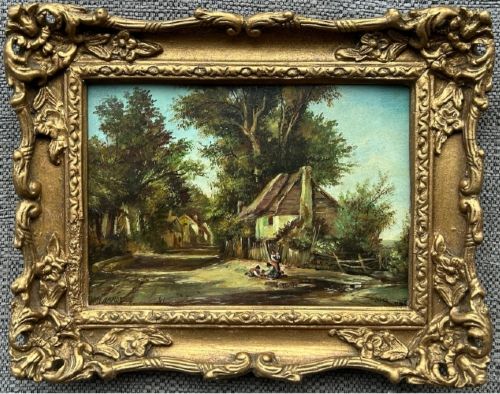
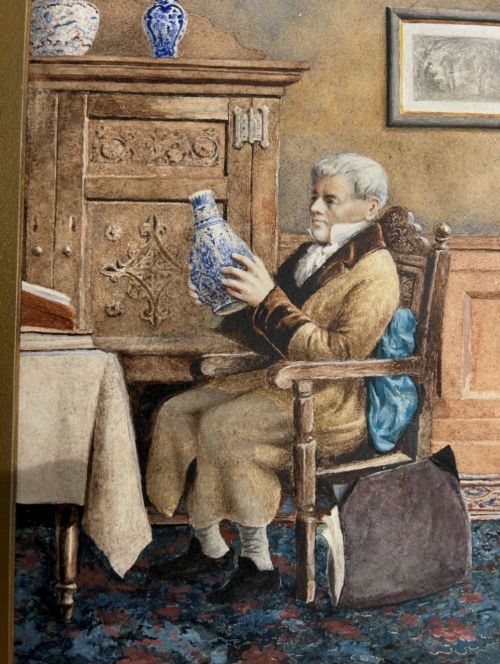
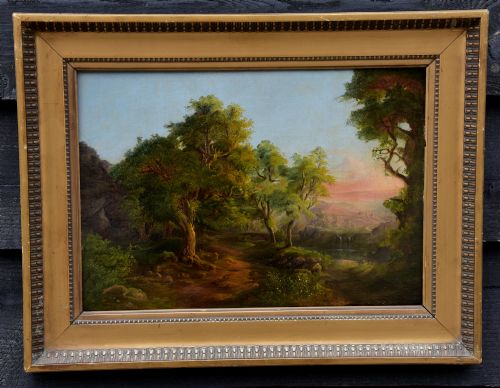
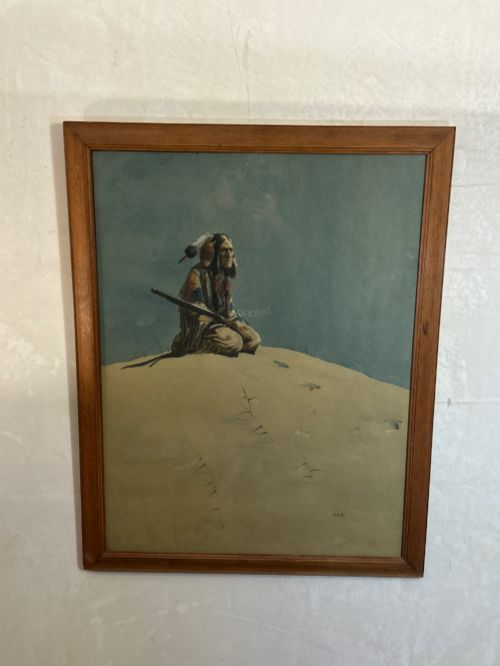
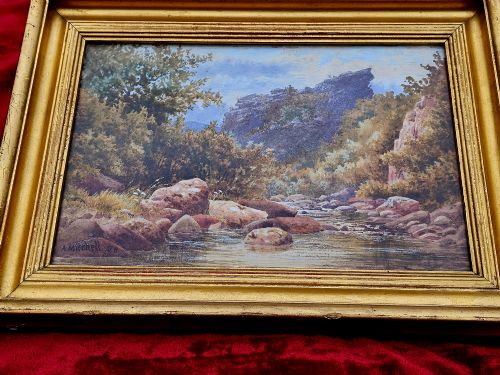
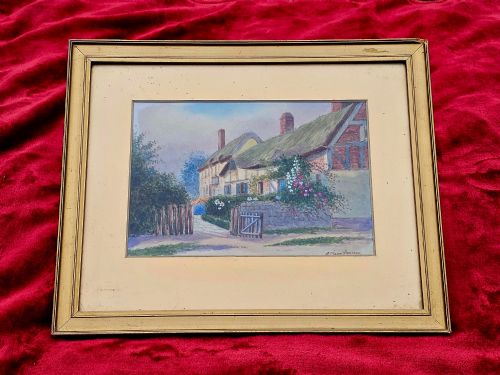
When you search for a framed original picture, you look at unique works executed directly on paper, canvas, panel, or board.
Framed Original Picture
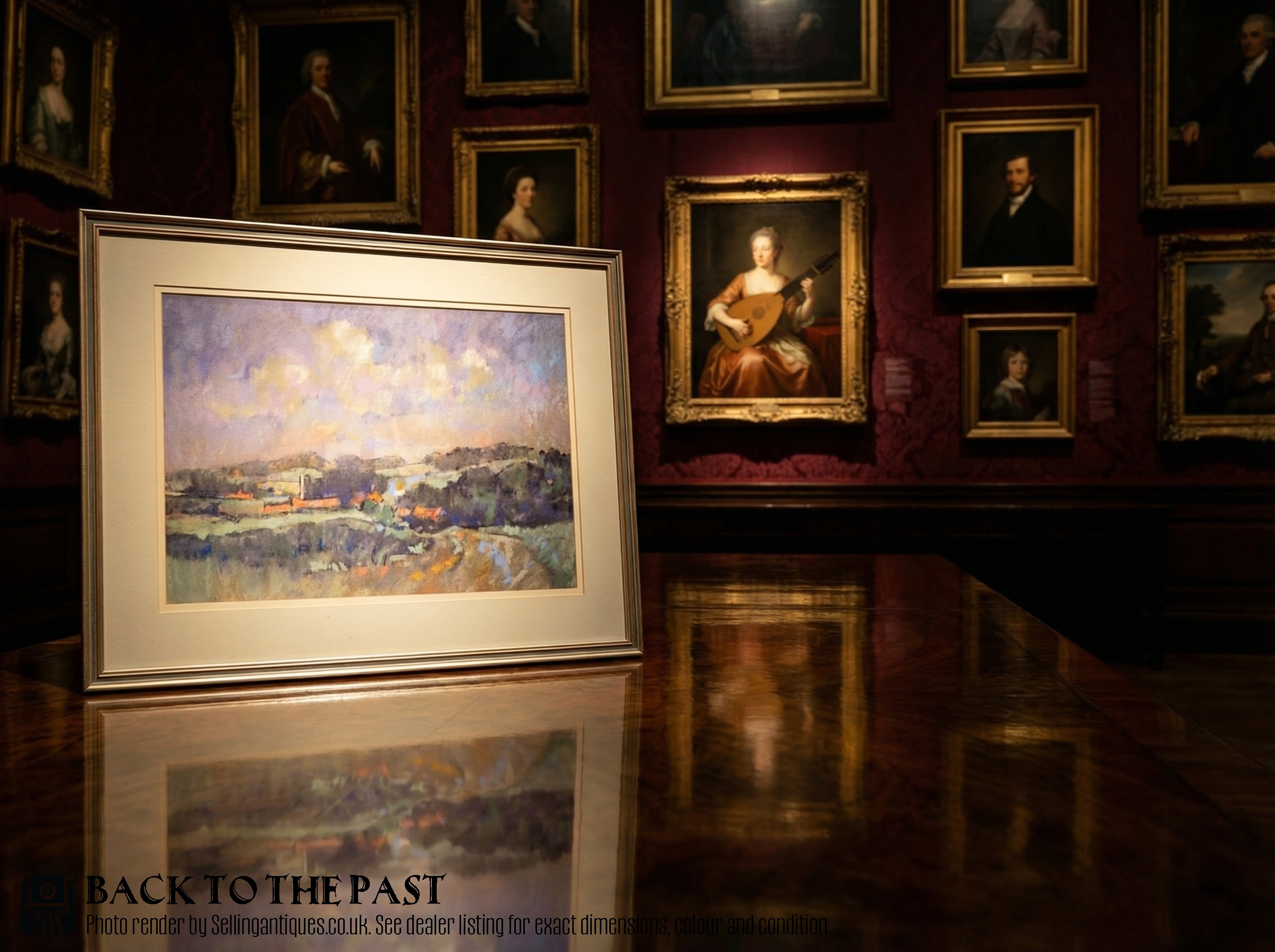
A framed original picture encompasses works created by an artist's hand, including oil paintings, watercolours, etchings, and drawings secured behind glass or within decorative mounts.
The selections span from the eighteenth century through the nineteenth and twentieth centuries, capturing shifts from Academic Realism to Post-Impressionism and Mid-Century Modern.
Landscapes, coastal views, floral studies, portraits, and domestic interiors form the most common subjects encountered within these antique and vintage categories.
Materials and technique
Artists painted using oil or watercolour mediums applied to canvas, stretched linen, wooden panels, heavy card, or paper supports.
Many works retain their period surrounds, constructed from gilt wood, gesso, rosewood, or Hogarth mouldings designed to complement the artwork.
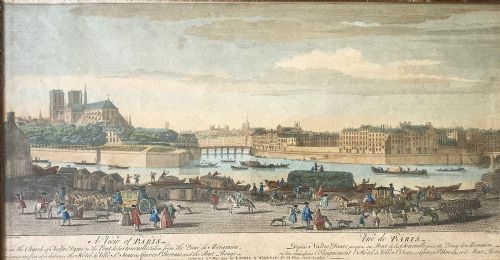
Engravings and etchings utilise inked metal plates pressed onto paper, frequently augmented with original hand-applied colour.
Listings feature works spanning the eighteenth, nineteenth, and twentieth centuries, utilising oil, watercolour, pastel, and engraving techniques.
Execution and preservation
Superior examples display confident brushwork, accurate draughtsmanship, and a strong sense of light and atmosphere by the executing hand.
The condition of the pigment and the integrity of the original framing enclosure influence the overall retention of the maker's intent.
George Fotherly Hargitt·William Henry Earp·William H Myers·Percy Lancaster·Oliver Clare·George Houston·Stephen Samuel Lewin·David Bates·Herbert Dicksee·Francis Moltino
The Framed Original Picture Glossary
- Gesso
- A plaster-like mixture applied to wooden frames before gilding or painting, allowing for intricate moulded decorative details. It provides the base upon which gold leaf is laid.
- Wood Panel
- A rigid support for oil paintings used extensively before canvas became dominant. Artists primed the surface with gesso to create a smooth ground for pigments.
- Watercolour
- A paint method using water-soluble pigments applied to paper. It relies on the white of the paper showing through transparent washes to create luminosity.
- Etching
- A printmaking technique where lines are bitten into a metal plate with acid. The resulting grooves hold ink transferred under pressure to paper.
Framed Original Picture: Frequently Asked Questions
How do I date an old picture?
Dating relies on stylistic markers within the imagery, costume details, and the construction methods of the frame. Signatures, dates, and inscriptions on the reverse provide direct historical anchors.
Material analysis of the canvas, board, or paper substrate further narrows the era of production. Comparative study against documented works by the same school helps confirm the timeframe.
Are watercolours painted on paper fragile?
Watercolour pigments on paper are sensitive to prolonged exposure to direct sunlight, which can cause fading. Proper conservation mounting using acid-free materials protects the paper from deterioration.
Keeping pieces away from high humidity prevents foxing spots and paper discolouration. Glazing with protective glass shields the delicate surface from airborne pollutants and physical contact.
What is the difference between an oil and a watercolour?
Oil paintings use pigments suspended in drying oils applied to canvas or wood panels, resulting in a textured and durable surface. They allow for heavy impasto and continuous reworking by the artist.
Watercolours employ translucent washes on paper where the white ground reflects light through the pigment. This medium prioritises speed, fluidity, and immediacy of execution over heavy layering.
Should I keep the original frame?
Retaining the period frame preserves the historical integrity and aesthetic context intended for the artwork. Frames often share the age of the painting and reflect contemporary framing fashions.
Even when minor wear exists, original gesso or wood mouldings add character and verify the piece's history. Replacing them alters the balance between the art and its enclosure.