
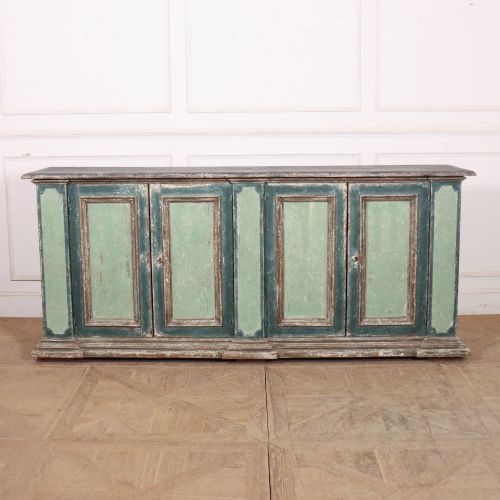
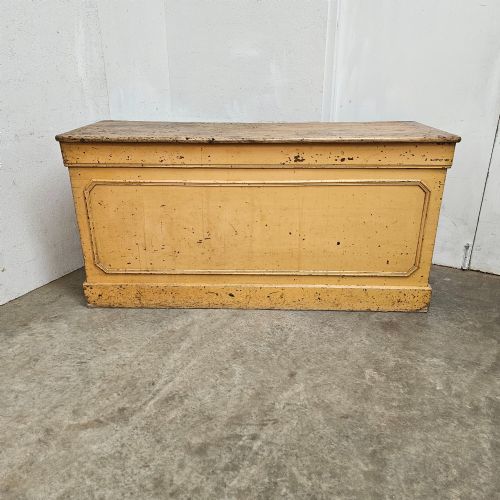
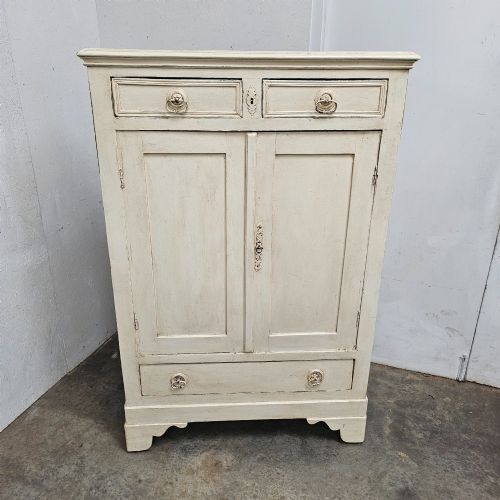
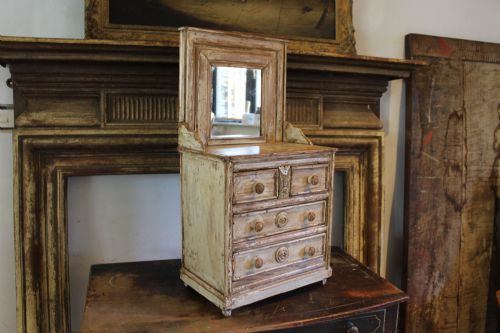
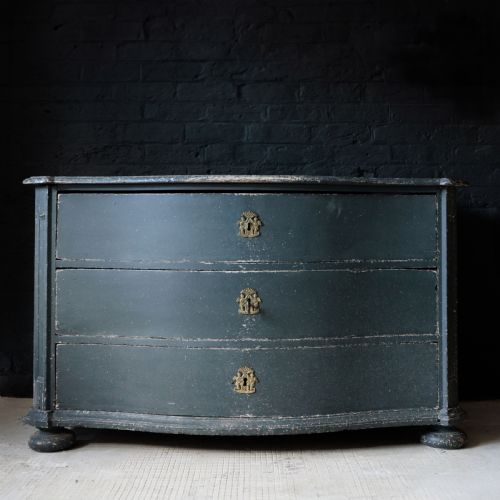


Provincial Painted Cabinet
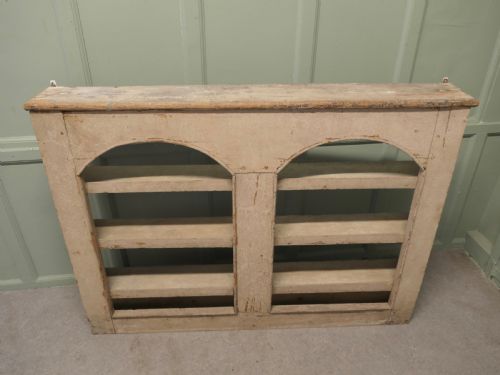
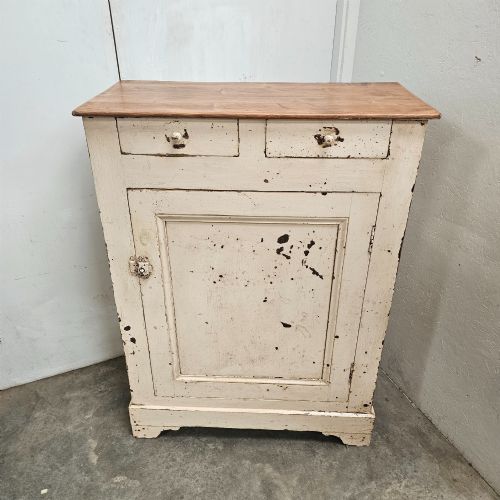
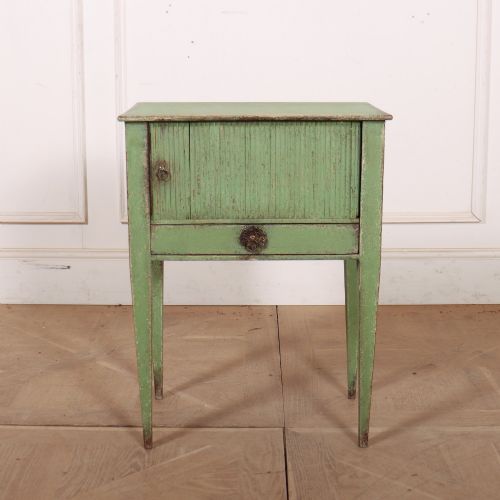
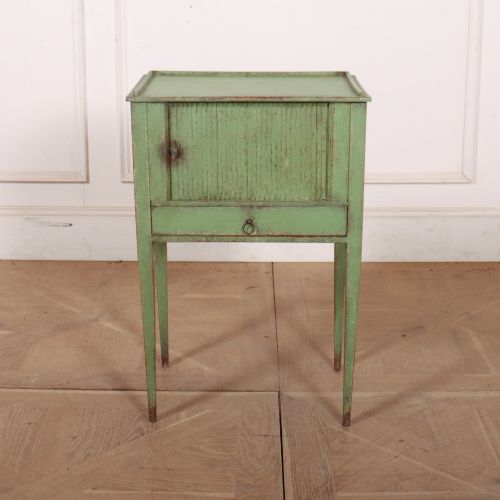
A provincial painted cabinet brings regional character and soft colour to a room through traditional forms.
Provincial Painted Cabinet
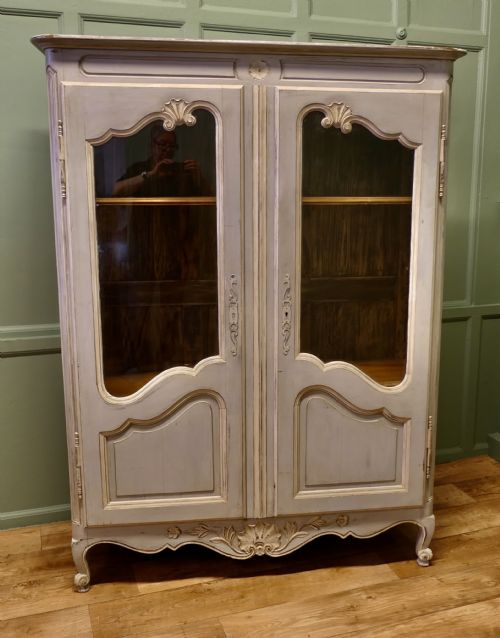
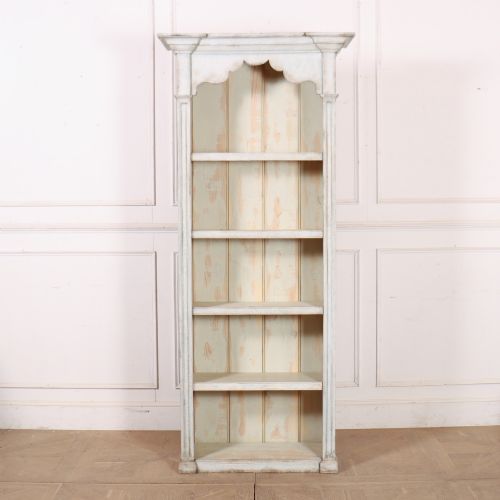
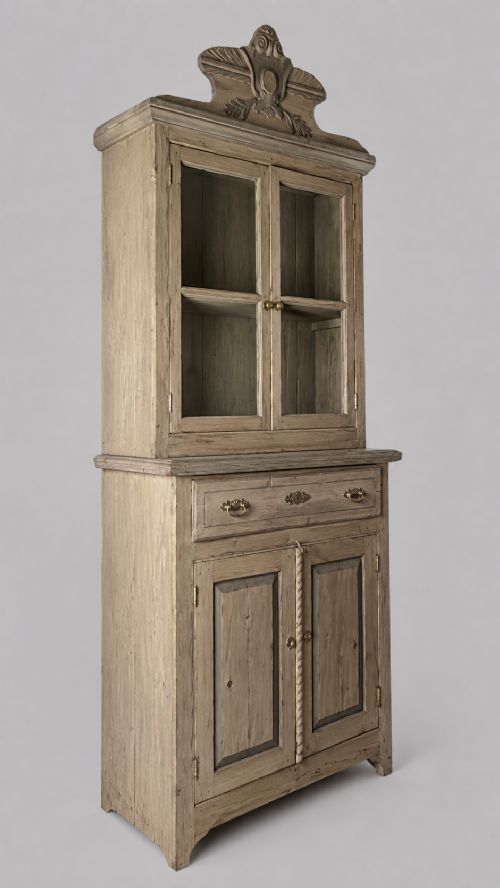
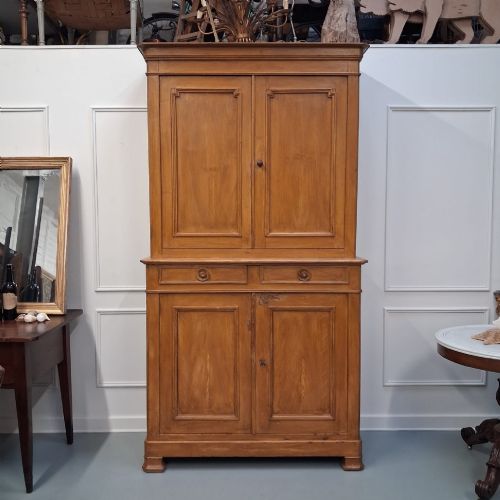
The practical forms vary widely according to local needs, including glazed display cabinets, linen cupboards, jam cupboards, and kitchen dressers. French and Italian examples often show Rococo, Louis XV or Louis XVI styling, while English and Scandinavian pieces reflect country traditions in pine and mixed woods.
How they were made
Carpenters constructed these pieces primarily from pine and solid wood, incorporating iron and brass hardware such as hinges, handles and locks alongside glass panels for vitrines and bookcases. Surfaces received coats of paint, sometimes layered over time, which defines the visual identity of these items.
Construction techniques rely on traditional joinery suited to regional timber availability. Surfaces occasionally show gilding or later hand sign-writing, reflecting the working life and adaptation of utility furniture in homes and shops.
What varies in quality
Quality rests in the integrity of the timber frame, the proportion of the piece, and the character of the painted surface. Original or early paint layers that have aged naturally carry more authority than later repainting, though decorative painted finishes from any period hold distinct visual merit.
The complexity of the form also separates standard utility storage from finer regional pieces. Simple pine cupboards differ significantly from serpentine commodes, carved armoires, or glazed bookcases with adjustable shelving.
The Provincial Painted Cabinet Glossary
- Commode
- A low chest of drawers or cabinet, frequently associated with eighteenth and nineteenth-century French design.
- Vitrine
- A glass-fronted cabinet or bookcase designed for displaying objects or books.
- Buffet à deux corps
- A large two-part cupboard or sideboard, traditionally comprising a lower cabinet and an upper section.
- Confiturier
- A small French storage cupboard originally intended for confit jars, often referred to as a jam cupboard.
- Credenza
- A sideboard or cabinet used for storage and serving, seen in various nineteenth-century regional styles.
Provincial Painted Cabinet: Frequently Asked Questions
What is a confiturier?
A confiturier is a small French cupboard traditionally used to store jars of preserved meats or fruit in country homes.
Today these compact pieces function well as bedside tables or small storage units in living spaces.
How do I identify French provincial furniture?
French provincial pieces display regional interpretations of court styles like Louis XV and Rococo, executed in native timbers.
They combine rustic proportions with curved lines and painted surfaces rather than exotic veneers.
Are these cabinets made of solid wood?
Most provincial items utilise solid timbers such as pine, constructed by local carpenters for daily domestic use.
Construction methods reflect regional traditions rather than industrial mass production.
Where were these pieces originally used?
These cabinets served practical roles in kitchens, bedrooms, libraries and shops across rural and provincial Europe.
Larger items like dressers and armoires stored household textiles and provisions.