



Brown Painted Cupboard
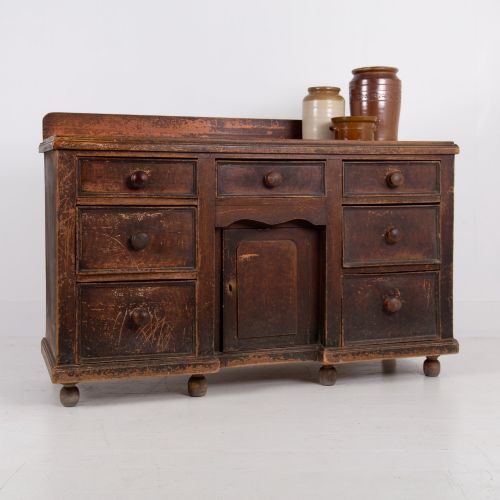
A brown painted cupboard brings practical storage and honest rural character into a room through aged layers of pigment.
Brown Painted Cupboard
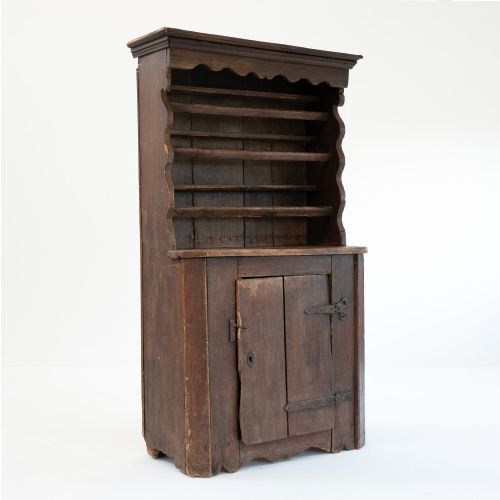
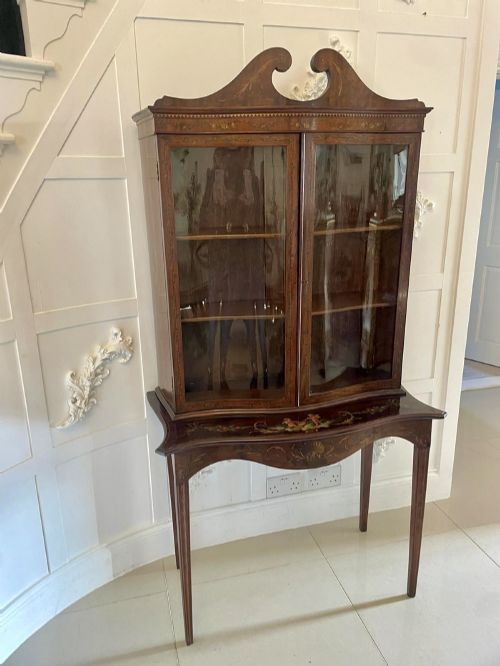
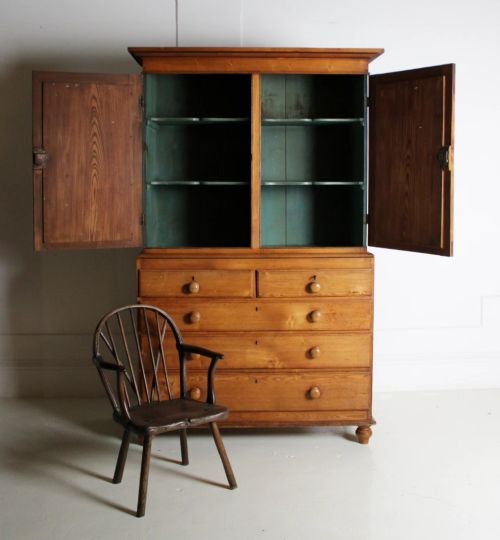
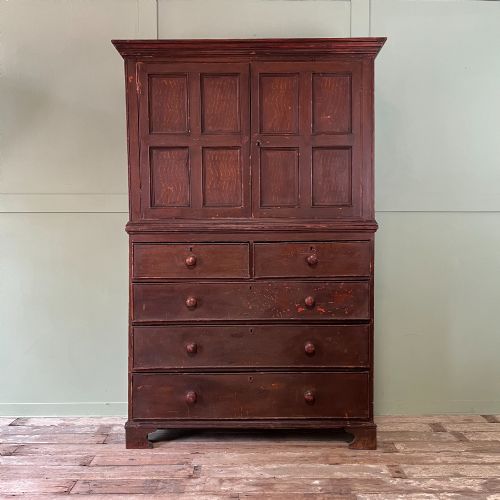
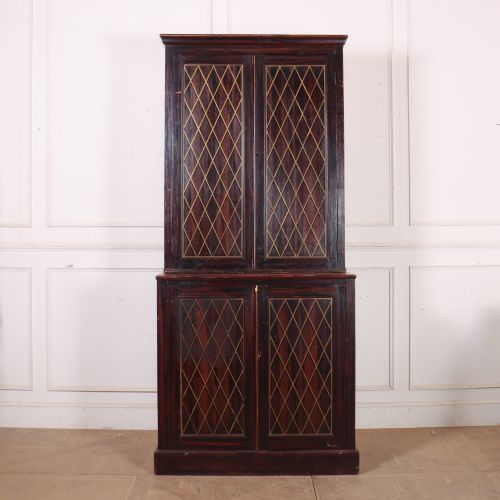
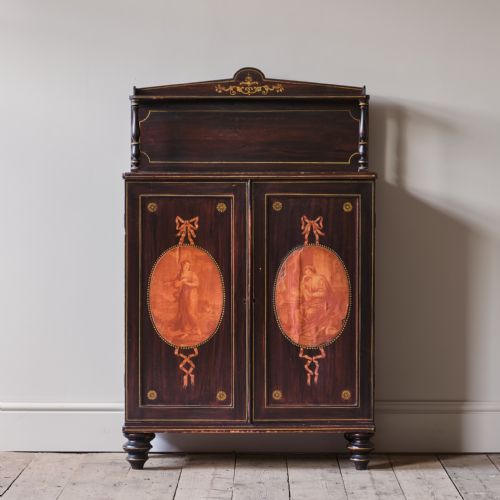
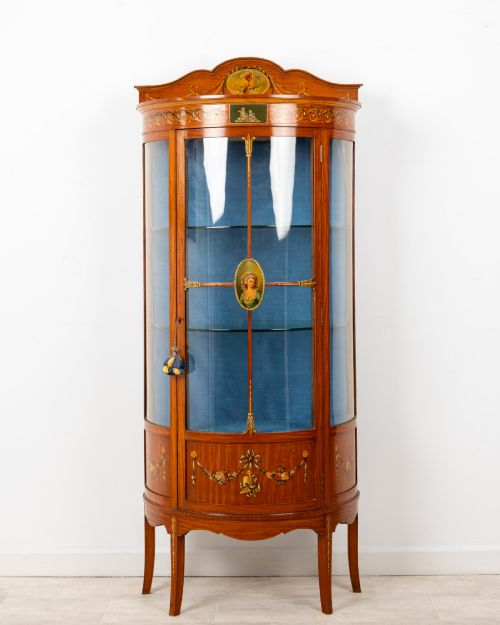
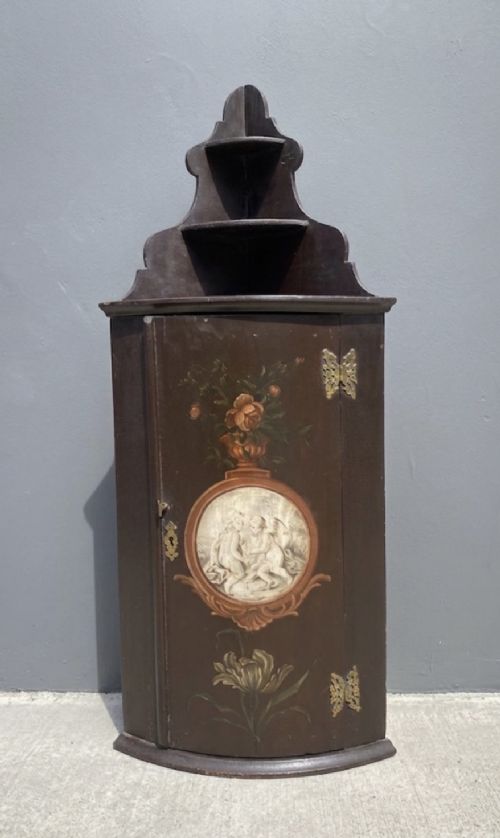
A brown painted cupboard is a functional storage piece finished in earthy tones, ranging from simple pine housekeepers cupboards to formal display cabinets. Buyers searching for a brown painted cupboard often encounter 18th century and 19th century regional furniture, including Irish dressers and Scandinavian folk art pieces.
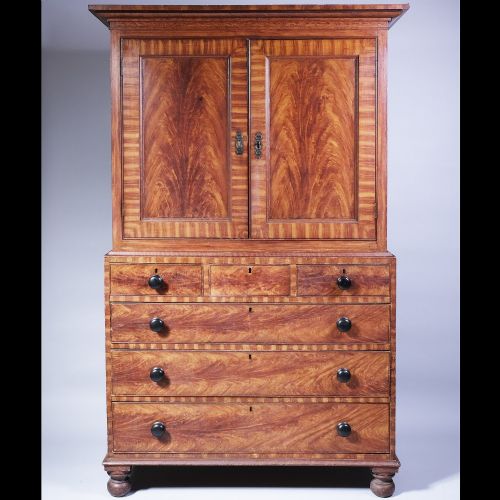
The selection includes corner cabinets, linen presses, and kitchen dressers that served domestic storage needs across various European traditions. Many examples originate from country workshops, utilising pine and other timbers coated in historic layers of paint or graining.
Materials and construction methods
Makers constructed these cabinets primarily using pine, mahogany, and ash, building solid carcases designed for everyday household utility. Surfaces received hand-mixed paint, often incorporating techniques like scumbling or faux finishing to imitate costlier timbers such as rosewood and tortoiseshell.
Hardware typically comprises brass pulls, iron hinges, and glass panels for display variants. Joinery methods relied on traditional pegged and dovetailed joints suited to vernacular and period cabinet making.
One cupboard carries the distinct mark of a French valley vineyard, having served a dual life carrying wine records.
Factors of quality and surface preservation
Quality rests in the survival of original decorative surfaces and the integrity of the timber beneath. Pieces retaining untouched historic paint layers command greater interest than those stripped or overly restored.
Proportion and execution distinguish regional vernacular work from standard factory production. Refined mouldings, well-balanced panel proportions, and intact period glass elevate a piece above basic utility furniture.
The Brown Painted Cupboard Glossary
- Scumble paint
- A translucent glaze manipulated with combs or rags to create faux wood graining or mottled patterns. It was frequently applied to pine furniture to mimic more expensive hardwoods.
- Housekeeper cupboard
- A large storage piece traditionally used for linens, dry goods, and household provisions. These substantial items usually feature panelled doors and deep internal shelving.
- Chinoiserie
- European decorative style employing pseudo-Chinese motifs and oriental landscape scenes. This technique appears on high-style Georgian and Edwardian cabinets.
- Polychrome
- Decoration executed in multiple colours. It frequently defines folk art pieces and Italian marriage cupboards.
- Corner cupboard
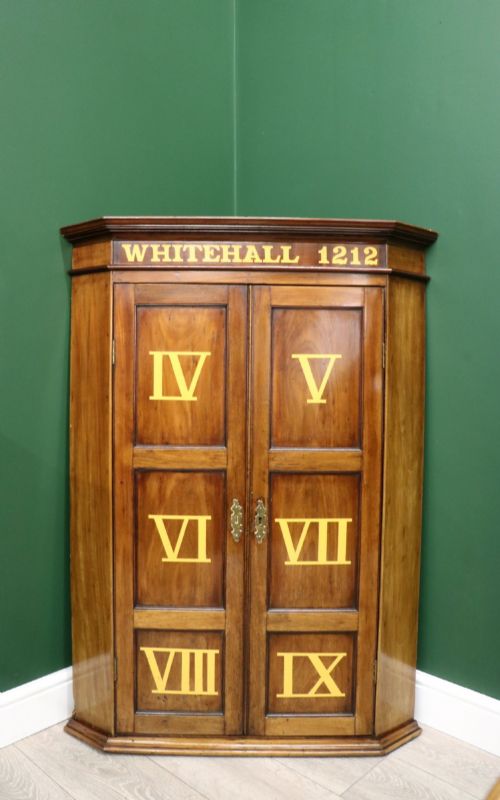
- A specialised storage unit built with a triangular footprint to fit snugly into room angles. Versions range from hanging wall cabinets to tall floor-standing cupboards.
Brown Painted Cupboard: Frequently Asked Questions
How do I date a painted cupboard?
Dating relies on examining construction marks, timber types, and the composition of the paint layers. Hand-cut nails, timber shrinkage patterns, and historic pigment formulations help establish the period.
Secondary indicators include hinges, lock plates, and stylistic cues specific to Georgian, Victorian, or Edwardian cabinet making.
What is scumble paint?
Scumble paint is a decorative technique where a tinted translucent glaze is worked across a base coat to imitate wood grain, tortoiseshell, or textured stone. Makers utilised this method to give ordinary pine furniture a richer appearance.
Over decades, this surface acquires a distinct patina that helps verify its age and authenticity.
Are these cupboards suitable for modern kitchens?
These cabinets provide deep shelving and robust storage capacities that adapt well to contemporary kitchen and dining spaces. Freestanding dressers and cupboards offer flexible placement without permanent installation.
Their aged surfaces add visual warmth and historical contrast to modern interiors.
How do I care for historic painted surfaces?
Preserving historic paint requires avoiding harsh chemical cleaners, abrasive cloths, and excessive moisture. Dusting gently with a dry microfiber cloth maintains the surface without disturbing fragile pigment layers.
Keeping pieces away from direct sunlight and sudden temperature shifts prevents the paint from cracking or flaking.