
Profile Portrait Artwork
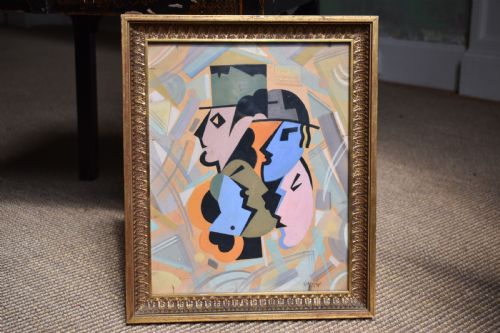
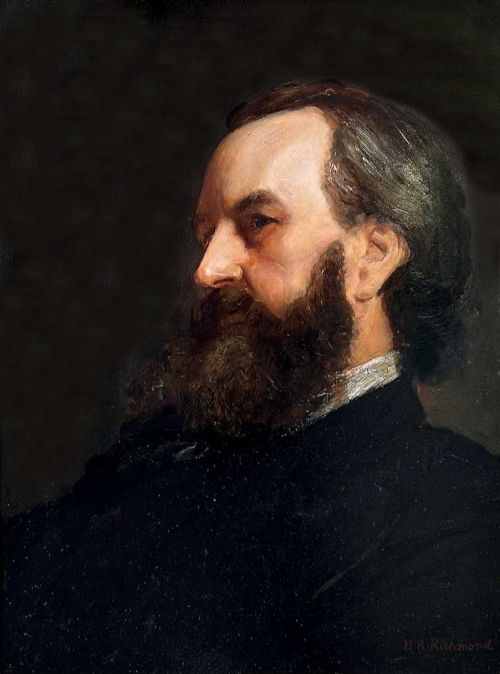
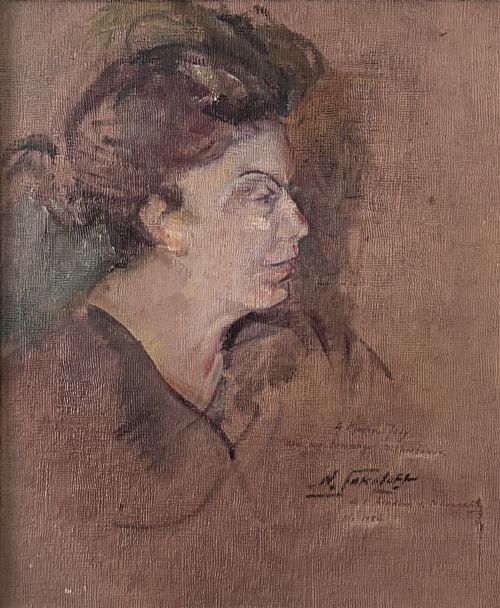
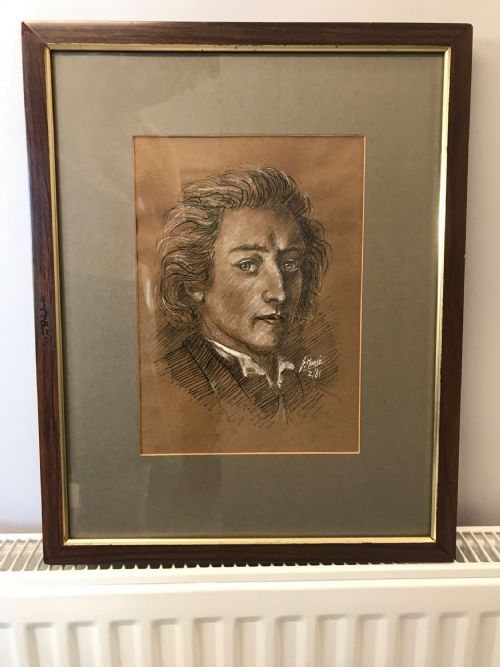
Profile portrait artwork captures individual likenesses in silhouette, watercolour, and oil, spanning Georgian elegance through to mid-century modernism.
Profile Portrait Artwork
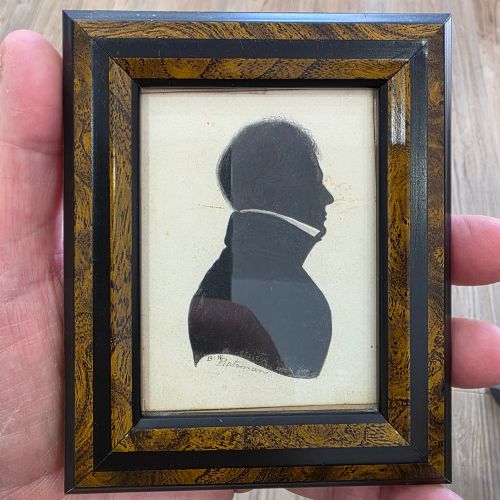
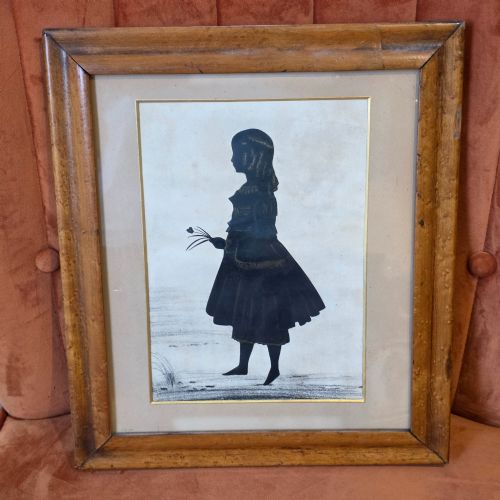
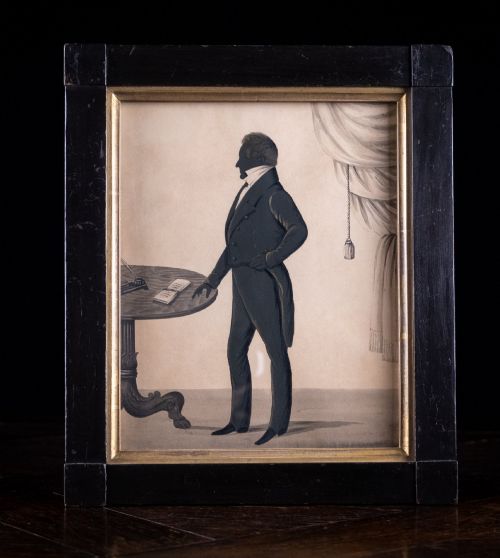
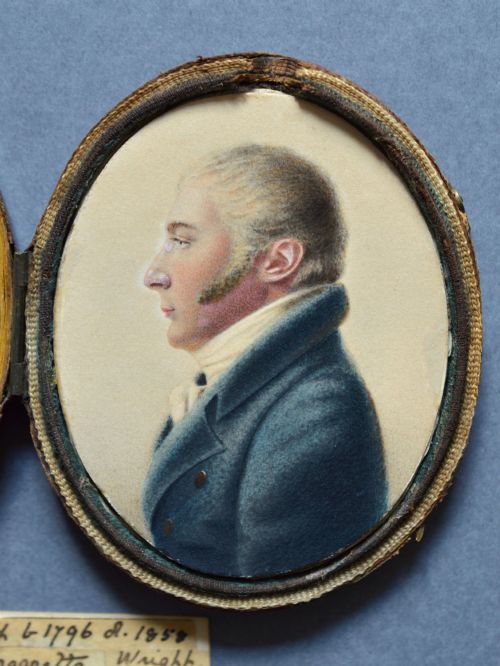
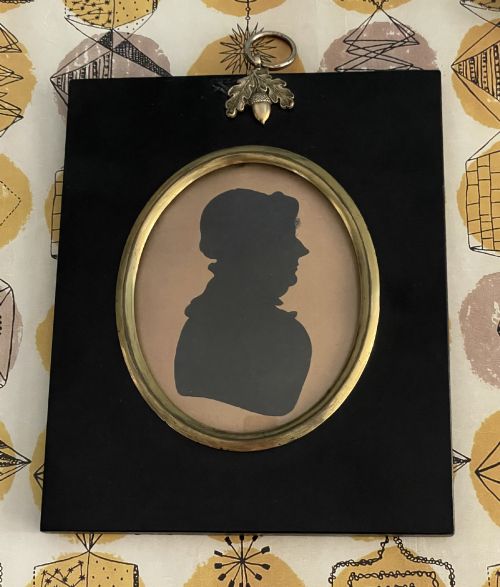
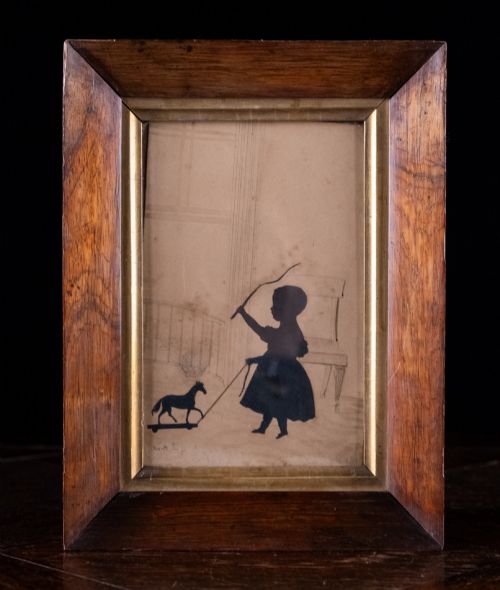
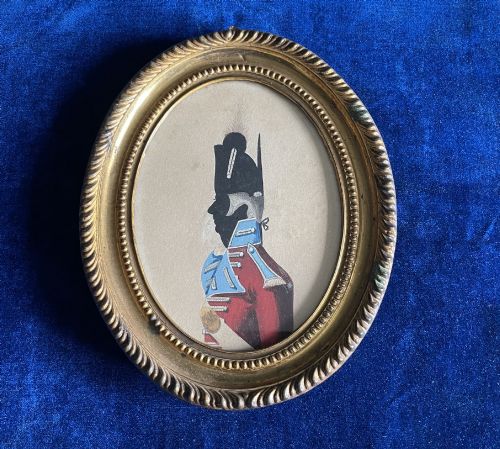
Profile portrait artwork encompasses framed silhouettes, miniature watercolours, and oil paintings created across the eighteenth, nineteenth, and twentieth centuries. Buyers seeking these pieces generally encounter cut-paper silhouettes from the Regency period or detailed portrait miniatures on paper and ivory.
Originating primarily from British and European hands, these works document sitters from all walks of life, from royalty to local families. They serve as historical records and decorative focal points, often retaining their original brass or giltwood surrounds.
How they were made
Artists created these works using paper, watercolour, ink, and oil paint, frequently mounted behind glass within wooden or papier-mâché frames. Silhouette artists cut black paper freehand or used bronze and gold leaf highlights to define costume details.
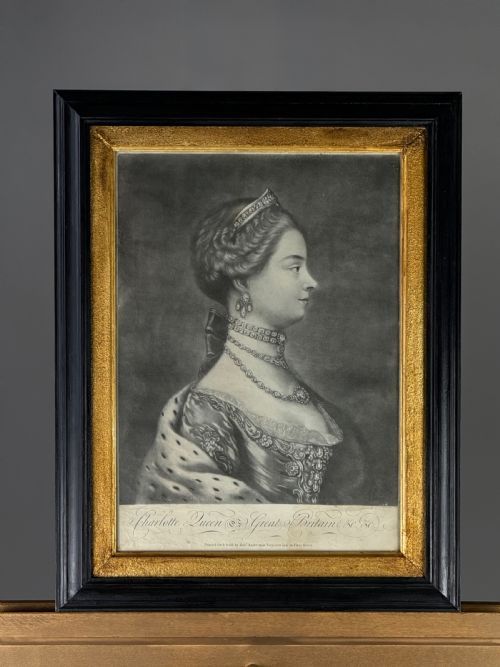
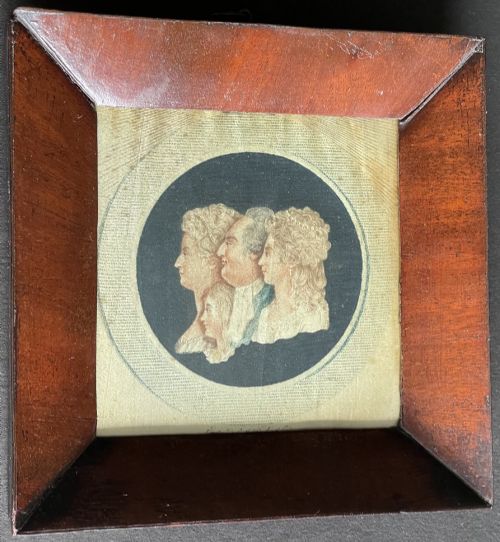
Oil paintings on canvas and board relied on traditional layering techniques, while mezzotint engravings and prints utilised copper plates and silk substrates. Giltwood and brass fittings provided structural support and decorative emphasis for smaller portrait miniatures.
Listings feature works spanning from the eighteenth century through to the 1950s, utilising paper, glass, wood, and gold leaf.
What varies in quality
The precision of the artist's hand dictates the distinction between standard works and master examples, particularly in the crispness of cut-paper silhouettes and the fine brushwork of watercolour miniatures. Signed pieces by recognised practitioners demonstrate superior draftsmanship in rendering likeness and expression.
The preservation of the original framing, whether deep Victorian gilt or carved Florentine wood, significantly influences the integrity of the piece. Works retaining contemporary provenance, maker inscriptions, and untouched glass surfaces represent the higher tier of the medium.
Augustin Edouart·James McArdell·Richard Purcell·Florence Small·Bertram Priestman·Susie Lassam
The Profile Portrait Artwork Glossary
- Silhouette
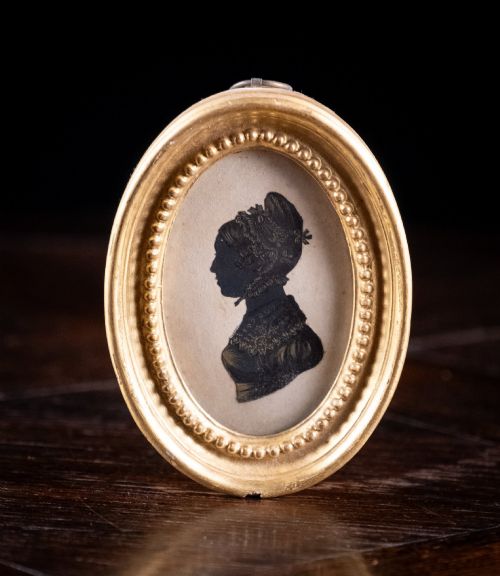
- A portrait rendered as a solid shape, usually in profile, filled with black or dark pigment against a pale background. Cut-paper examples often include added pencil or watercolour details.
- Mezzotint
- A printmaking process where the copper plate is roughened to achieve rich tonal gradations and deep shadows. Artists utilised this method for smooth portrait reproductions.
- Miniature
- A small-scale painting or drawing executed with extreme precision, frequently housed in a protective case or locket frame. These works demand microscopic brushwork.
- Giltwood
- Timber carved and coated with a thin layer of gold leaf or gold paint. This material characterises the decorative frames common in eighteenth and nineteenth-century portraits.
- Gouache
- An opaque water-based paint that provides solid, flat areas of colour in portrait drawings. Artists combined gouache with ink and wash for enhanced depth.
Profile Portrait Artwork: Frequently Asked Questions
How do I identify a Regency silhouette?
Regency silhouettes frequently feature hollow-cut paper backed with silk or fine shading added in watercolour and gold leaf. The sitters typically wear neoclassical attire with distinct hairstyles characteristic of the early nineteenth century.
Makers from this era often signed their work directly on the mount or incorporated trade labels on the reverse. Examining the paper type and frame construction helps confirm the period origin.
Are these portraits hand-painted?
Many works in this category, such as miniatures and watercolours, are entirely hand-painted using fine brushes and mixed media. Other pieces include printed mezzotints and silk prints produced through mechanical reproduction methods of the eighteenth century.
Inspect the surface under magnification to distinguish between individual brushstrokes and printed dot patterns or ink transfers. Signatures and inscriptions often clarify the method of production.
How should I hang portrait artwork?
Display these delicate pieces away from direct sunlight to prevent the fading of watercolours, ink, and paper substrates. Maintaining stable indoor humidity protects organic materials like wood, paper, and antique adhesives.
Grouping smaller silhouettes and miniatures together on a wall creates a balanced historic display reminiscent of period gallery arrangements. Ensure hanging hardware securely supports the weight of heavy giltwood or brass frames.
What frames are original to the pieces?
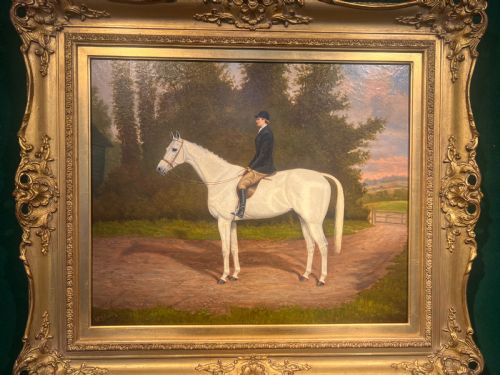
Eighteenth and nineteenth-century portraits typically retain deep giltwood frames, papier-mâché surrounds with brass acorns, or simple moulded wood borders. Convex glass is frequently found on older silhouette frames to accommodate the depth of the backing.
Original backing papers and framer labels provide reliable evidence of an untouched assembly. Replacements are common, so inspecting the fit between the artwork and the rebate reveals later alterations.