




Historic Female Artwork
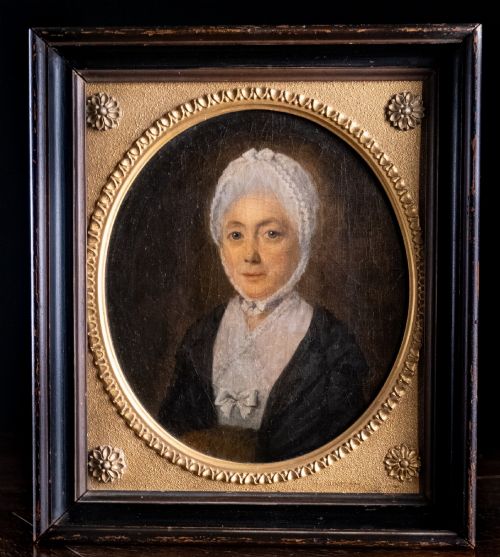
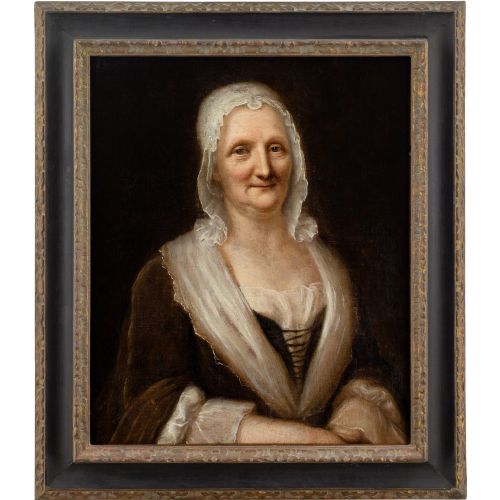
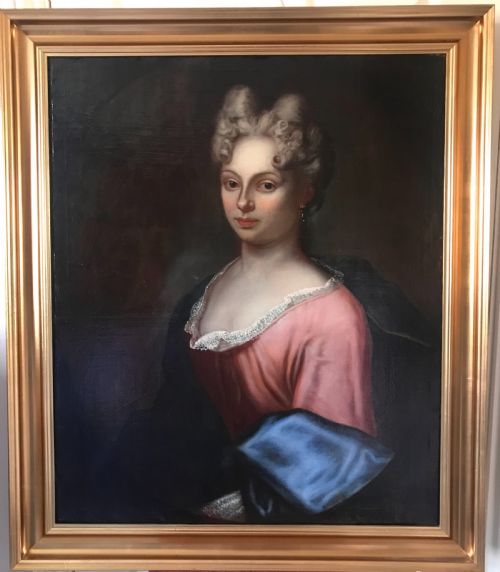
Historic female artwork captures women of past centuries in oil on canvas and watercolour, offering direct contact with earlier lives.
Historic Female Artwork
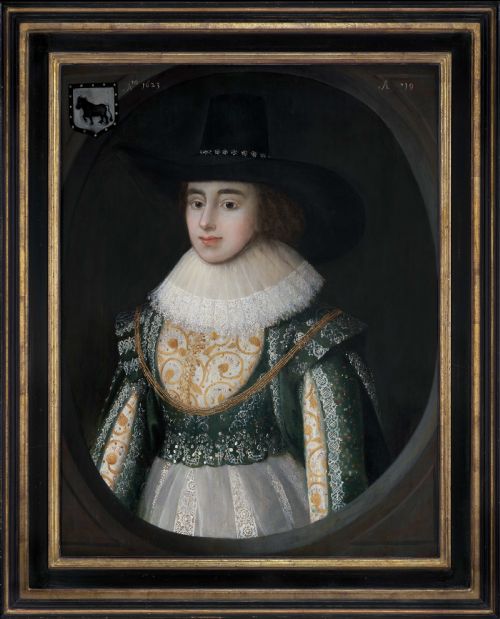
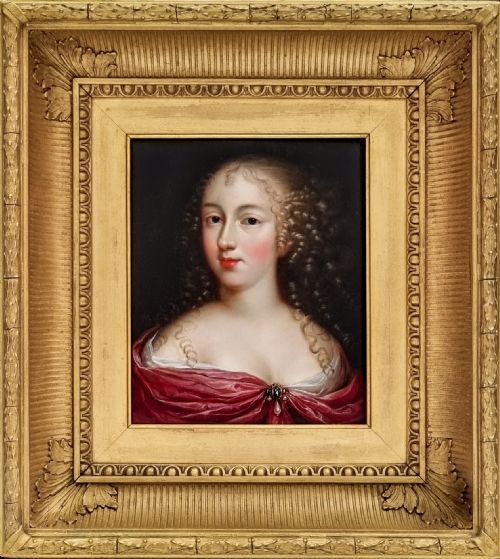
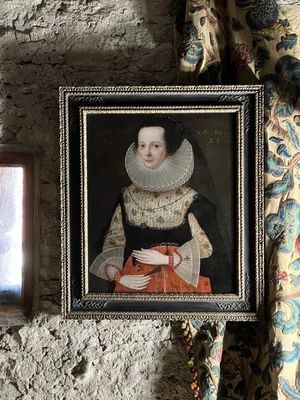
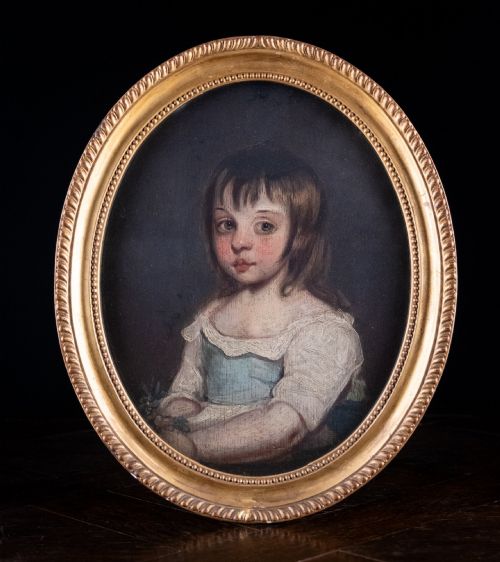
Historic female artwork chiefly comprises oil paintings and watercolour paintings of women, spanning the seventeenth, eighteenth, and nineteenth centuries. These works include formal portraits of noblewomen, country girls, and specific named sitters from English, French, and Norwegian schools.
The most common examples on this page are oil on canvas portraits housed in giltwood frames. They range from Jacobean depictions of elaborate costume to Georgian and Victorian character studies.
How they were made
Many works sit within frames fashioned from wood and finished with gold leaf or giltwood. These surrounds completed the presentation and protected the edges of the painted canvas or paper.
Materials across these listings include oil on canvas, wood, gold leaf, canvas, gilt wood, giltwood, oil paint, and paper.
What varies in quality
Quality rests in the precision of the brushwork and the psychological depth of the portrait. Master painters handled facial expressions, skin tones, and the heavy folds of fabric with notable life and conviction.
The preservation of the original paint surface and the integrity of the canvas or paper dictate the standard of the piece. Period frames of gilt wood also influence the overall cohesion of the artwork.
John Greenhill·Nathaniel Hone·John Raphael Smith
The Historic Female Artwork Glossary
- Oil on Canvas
- A painting medium where pigments suspended in oil are applied to a woven canvas support. This technique allowed artists to blend colours smoothly and achieve rich textures.
- Giltwood
- Wood carved and covered with a thin layer of gold leaf or gold paint. It provides a decorative and protective border for historical paintings.
- Watercolour Painting
- Artwork created using water-soluble pigments on paper. This method produces delicate translucent washes and fine linear detail.
- Baroque
- The artistic style prevalent from the early seventeenth century into the mid-eighteenth century. It emphasises dramatic lighting, deep shadows, and rich detail.
Historic Female Artwork: Frequently Asked Questions
How do I date a portrait?
Dating relies heavily on the style of dress, hair, and frame construction seen in the piece. Costumes changed distinctly between the seventeenth and nineteenth centuries, offering clear chronological markers.
Inscriptions, artist signatures, or known biographical details of the sitter also help establish a precise period for the work.
What is the difference between oil and watercolour?
Oil paintings use pigments bound in drying oils on canvas or wood, creating rich textures and deep tones. Watercolours use water-soluble pigments on paper, resulting in lighter, translucent images.
Oils were typically chosen for grand, formal portraits, while watercolours often served for more intimate or portable likenesses.
How should I care for these paintings?
Keep historic artworks away from direct sunlight and damp environments to protect the canvas and pigments. Stable room temperatures prevent the wood and canvas from warping or cracking.
Dust frames and surfaces gently with a soft, dry brush without applying chemical cleaners to the paint layer.
Why are some sitters unnamed?
Many historical portraits lost their documentation over the centuries as families dispersed and estates were sold. Sitters of lesser rank were often not recorded in contemporary papers.
Anonymous portraits remain valued purely for their artistic merit and the window they provide into past fashions.