


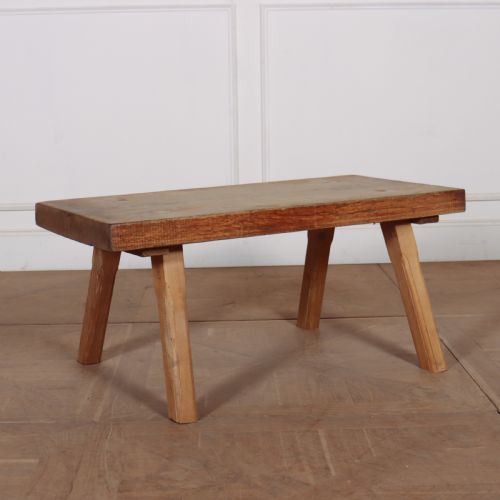


Primitive Wood Bench
These primitive wood bench selections encompass rugged utilitarian forms crafted from native timbers like oak, elm, and pine, offering honest rustic character for modern interiors.
Primitive Wood Bench
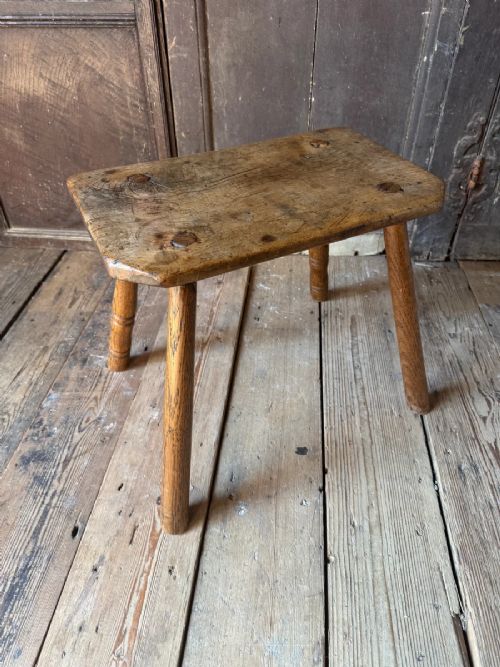
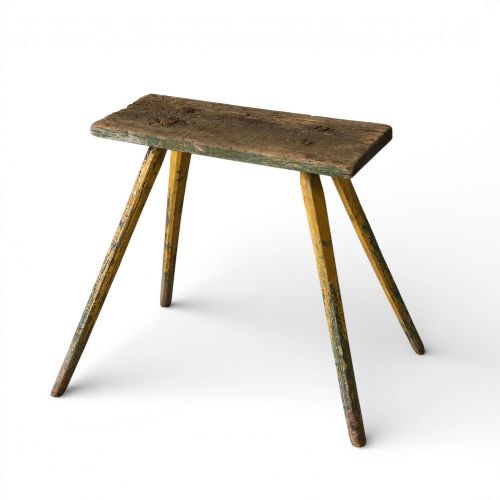
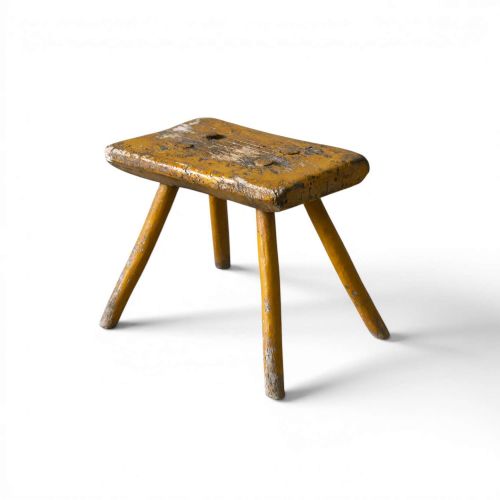
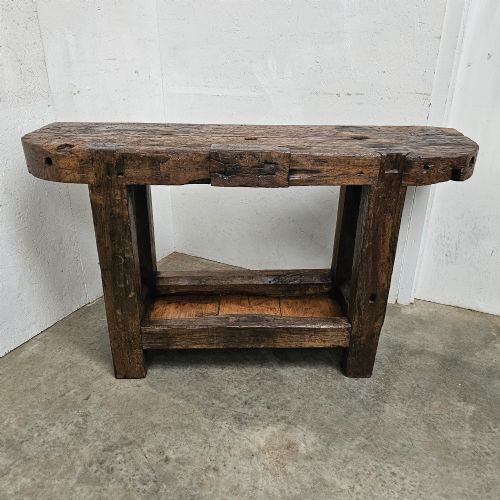
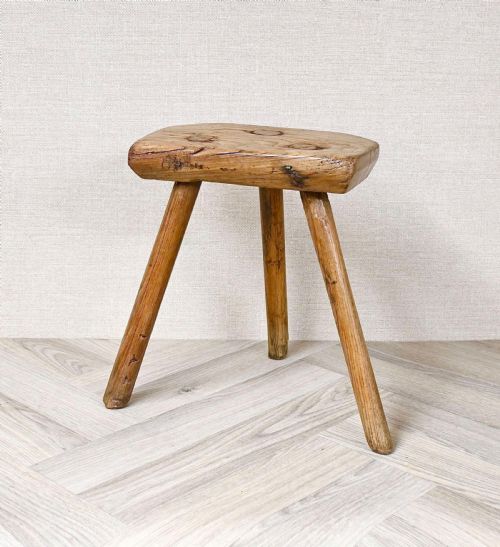
A primitive wood bench embodies functional simplicity, emerging from working environments such as dairies, workshops, and homesteads rather than formal drawing rooms. Buyers seeking a primitive wood bench often discover low milking stools, heavy workbenches, and narrow seating forms shaped by daily toil.
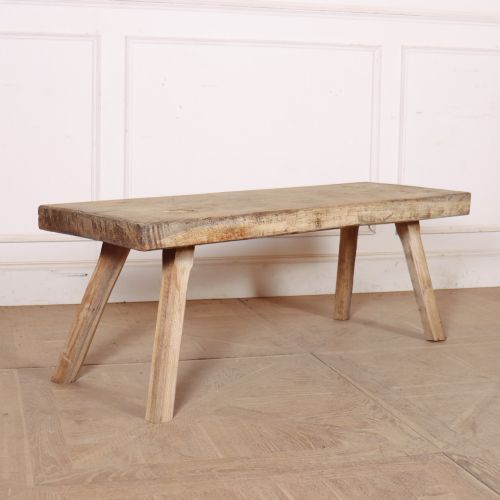
The material evidence spans items originating from English, French, and Eastern European vernacular traditions, dating from the eighteenth century through the Edwardian era. These pieces frequently blur the lines between seating and low tables, functioning equally well as coffee tables or occasional surfaces.
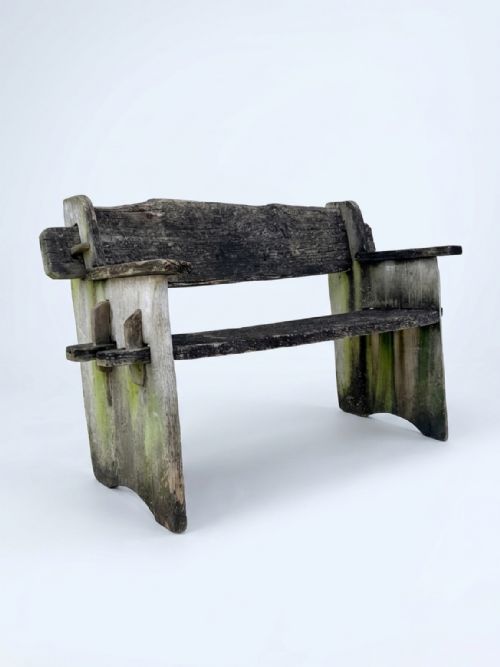
Makers shaped these utilitarian objects from whatever local timber came to hand, resulting in robust forms with pegged joints and heavy plank tops. Their appeal lies in this direct connection to historical rural utility and straightforward construction methods.
How they were made
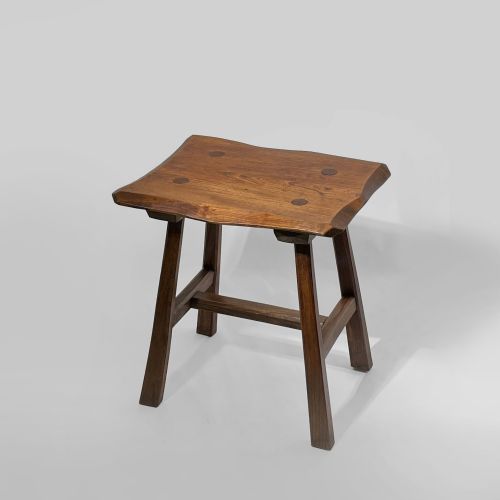
Craftsmen utilised solid hardwoods and softwoods such as oak, ash, sycamore, elm, and pine, selecting timber for its strength and availability rather than decorative grain. Legs were typically wedged or tenoned directly into thick plank seats, creating a sturdy tripod or four-legged structure designed to withstand heavy daily use on uneven floors.
Surfaces often retain traces of original paintwork, such as ochre, or show deep patination from decades of scrubbing and handling. Joinery remains visible and straightforward, relying on pegged joints and trestle supports rather than complex cabinetmaking techniques.
The listings demonstrate a strong presence of elm, oak, and pine across French, English, and Eastern European regional traditions.
What varies in quality
Quality in these utilitarian items rests on the integrity of the original construction and the depth of surface patination earned through genuine service. Pieces that retain their original paint finishes or show exceptionally fluid wear on sculpted seats command greater interest from collectors.
Proportion and balance also distinguish the finer examples, where a maker's intuitive eye resulted in pleasing angles and stance. Heavy wear from use enhances the character of a piece, provided the structural frame remains sound and unaltered by later restorations.
The Primitive Wood Bench Glossary
- Vernacular
- Everyday objects built by local craftspeople for practical use rather than following high-style academic designs. This term describes items rooted in regional traditions.
- Milking stool
- A small, usually three-legged seat designed for agricultural workers tending livestock. Their low profile made them stable on uneven farm floors.
- Trestle
- A structural framework consisting of a horizontal beam supported by two pairs of sloping legs. This method provides robust support for heavy work tables and benches.
- Patina
- The surface sheen and colour developed over decades through handling, waxing, and wear. It serves as a visual indicator of age and authenticity.
Primitive Wood Bench: Frequently Asked Questions
Are these benches comfortable to sit on?
Most surviving examples were designed for brief tasks in workshops or dairies rather than long periods of relaxation. Many feature hard plank or sculpted wooden seats without upholstery.
Buyers typically use them as accent pieces, low coffee tables, or occasional perches rather than primary seating.
How do I care for weathered wood surfaces?
These dry, historic surfaces require minimal intervention to preserve their character and patination. Dusting with a dry cloth and occasionally applying a neutral beeswax helps protect the timber without creating an artificial gloss.
Keep them away from direct heat sources and extreme moisture fluctuations to prevent the old wood from splitting.
How can I tell an eighteenth-century piece apart from later ones?
Earlier examples often display hand-sawn board marks, irregular pegged joinery, and timber species selected before commercial lumber supplies became standardised. The tool marks left by broadaxes and drawknives provide clues to their age.
Later pieces from the Edwardian period tend to show more uniformity in cutting and shaping while retaining rustic charm.
What is a cobbler's bench?
A cobbler's bench is a specialised workbench fitted with compartments, trays, and a low seat designed for repairing footwear. Craftsmen sat directly on the bench while keeping tools and leather within arm's reach.
Today, these substantial items are prized as low coffee tables or statement furniture.