
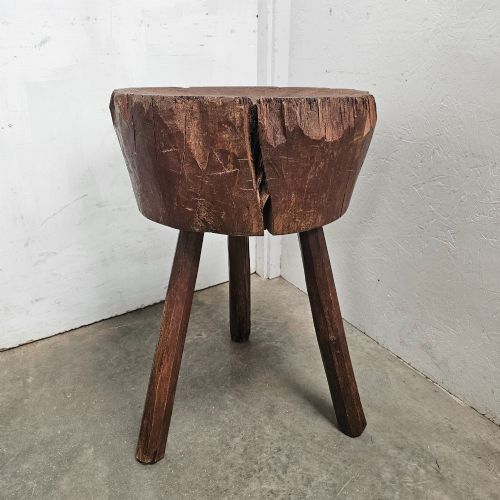

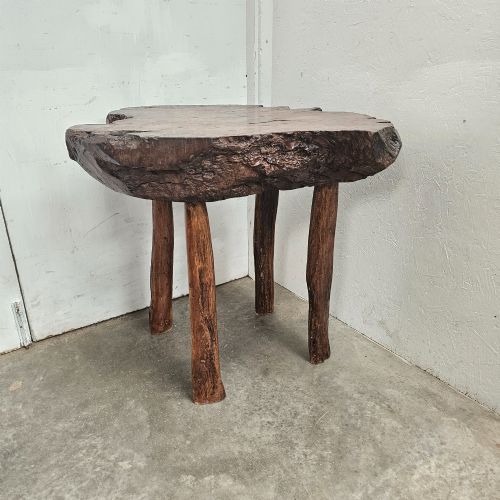
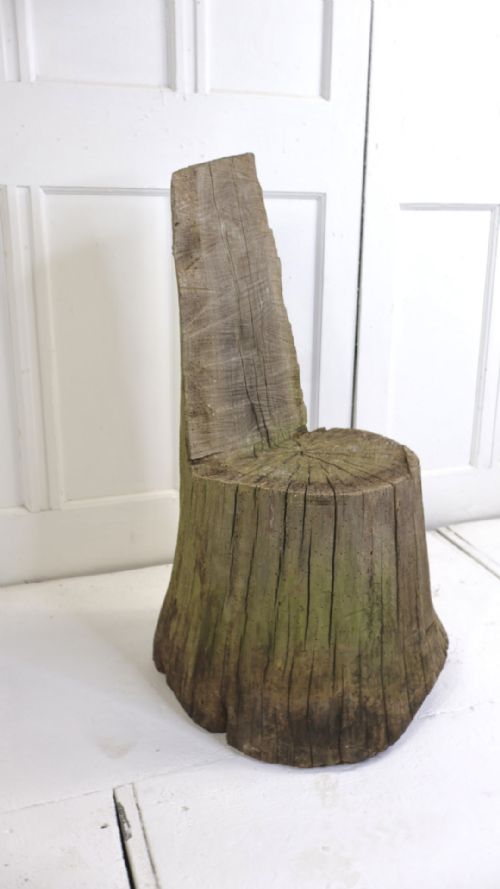
Primitive Country Stool
A primitive country stool is a utilitarian seat shaped by rural makers using local timber, offering honest function and enduring character.
Primitive Country Stool
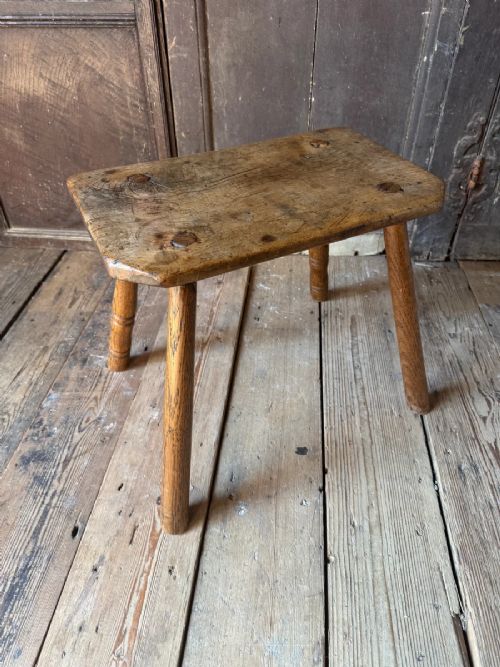
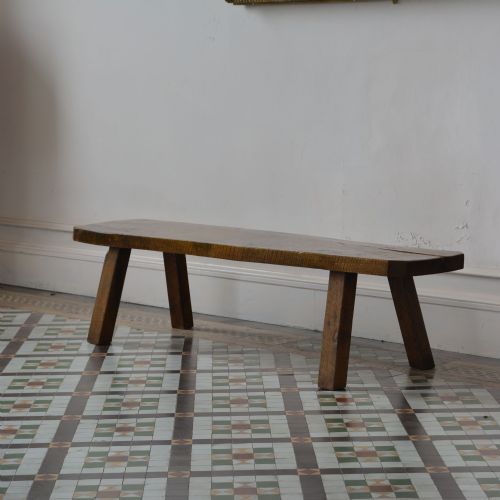
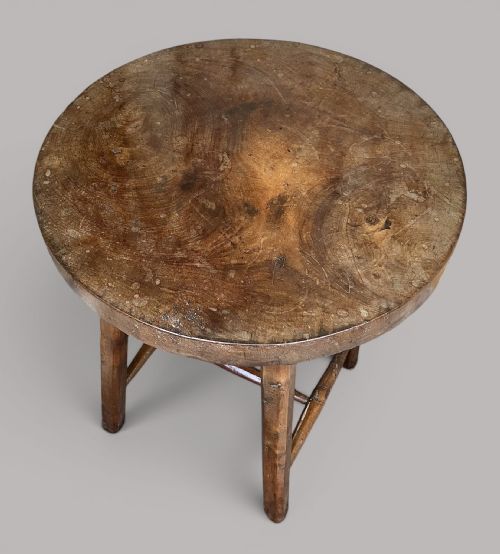
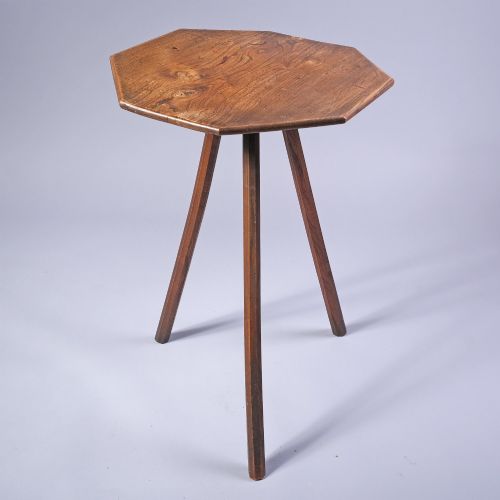
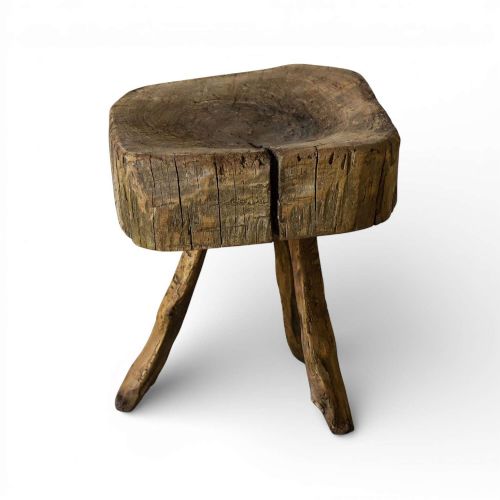
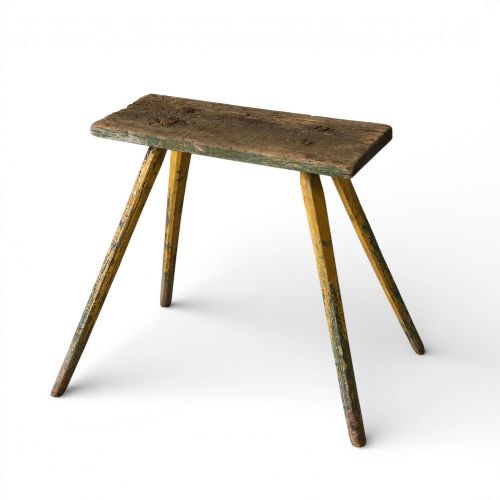
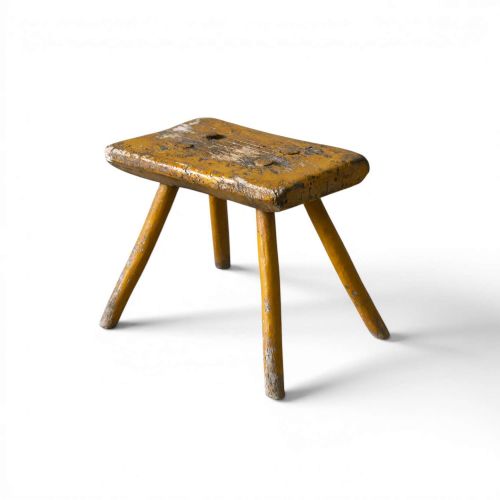
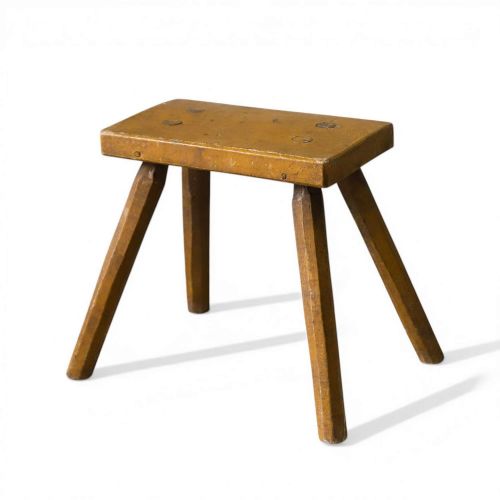
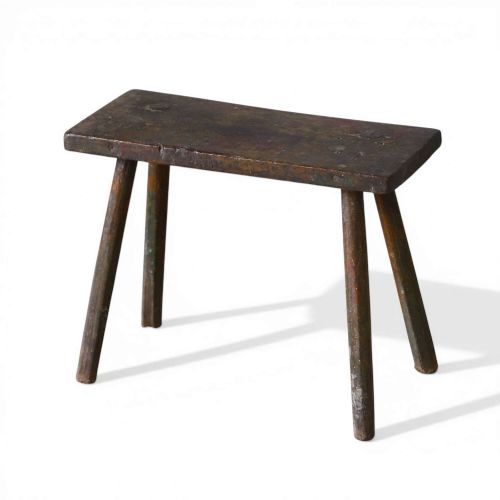
A primitive country stool represents unpretentious domestic and agricultural seating shaped from solid local timber by regional carpenters and country makers. These low seats served practical uses around the hearth, dairy, and workshop before finding a place in modern interiors.
The pieces listed here span the eighteenth and nineteenth centuries, taking forms such as milking stools, hearth stools, and vernacular low seats. Oak, ash, elm, and pine feature prominently alongside rarer examples bearing original paint finishes.
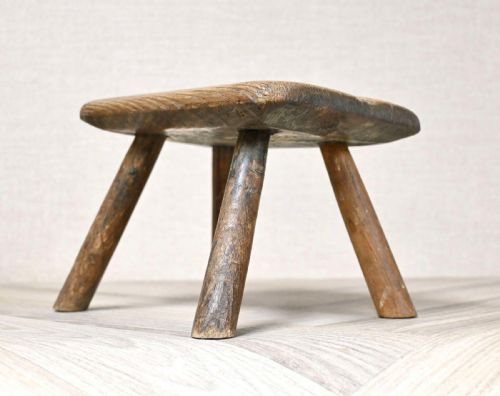
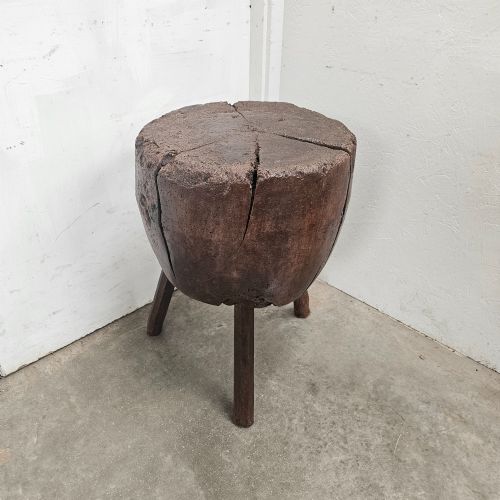
Proportions vary from diminutive child's seats to substantial block forms, while construction relies on splayed legs fitted directly into thick timber tops. This page gathers authentic country seating reflecting centuries of rural utility.
Materials and Construction
Makers constructed these seats from native hardwoods and softwoods including oak, elm, ash, beech, pine, and fruitwood. Timber selection depended on immediate availability, utilising dense sections for seats and resilient branches for legs.
Makers employed straightforward carpentry techniques, boring holes into solid wooden slabs to receive splayed legs secured by wedges. Iron blacksmith repairs and original surface coatings such as paint appear on surviving examples.
Assessing Quality and Character
Quality in a primitive country stool rests upon the integrity of the timber, the balance of the splayed legs, and the retention of original surfaces. Pieces displaying uncompromised patination and honest wear command greater interest than heavily restored examples.
The harmony between the sculpted seat top and the supporting frame dictates visual success. Surviving traces of early paint or historical blacksmith repairs add depth to the physical record of the piece.
The Primitive Country Stool Glossary
- Splayed legs
- Legs angled outward from the underside of a seat to provide stability on uneven rural floors. This arrangement forms a sturdy tripod or four-legged base.
- Vernacular style
- Furniture designed to fulfill local practical needs without reference to formal academic architectural orders. These regional objects reflect traditional methods passed down through generations.
- Milking stool
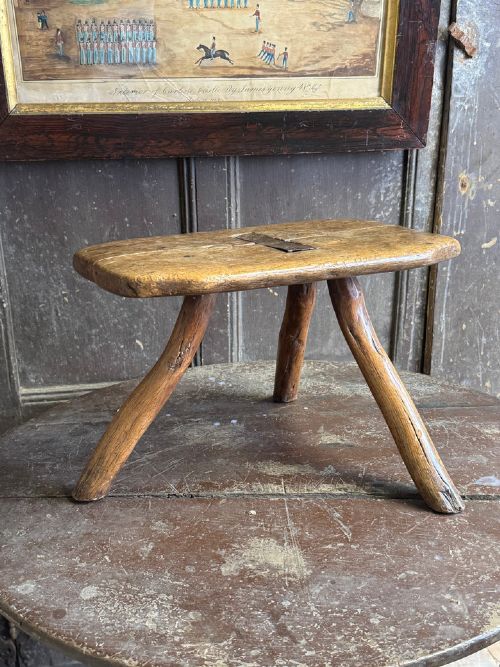
- A low three-legged seat used by dairy workers for convenience during milking. Their simple construction made them versatile items around the farm.
- Hearth stool
- A low seat positioned near the fireplace for warmth or domestic tasks. These pieces frequently show exposure to heat and smoke.
- Patina
- The surface texture and sheen developed on wood through prolonged handling, age, and polishing. It serves as an indicator of historical use.
Primitive Country Stool: Frequently Asked Questions
What is a primitive country stool?
A primitive country stool is a utilitarian low seat made from solid timber by regional craftspeople for domestic or agricultural use. These functional objects prioritize sturdy construction over stylistic ornamentation.
Surviving examples show the marks of hand tools and local materials like oak, elm, and pine, reflecting the practical needs of past rural communities.
How were milking stools used?
Milking stools provided a portable, low seat for workers handling dairy animals in barns and fields. Their three-legged design ensured stability on uneven earthen floors.
Beyond the dairy, these small seats functioned around the home as low rests or stands for household tasks.
How do I date an old stool?
Dating relies on observing tool marks, timber species, construction methods, and signs of wear. Eighteenth and nineteenth-century pieces often display hand-sawn boards and early blacksmith-made iron reinforcements.
Original paint finishes and historical surface patination also offer clues to the age and origin of rural vernacular furniture.
How do I style a primitive stool at home?
Primitive stools function effectively as side tables, plant stands, or minimalist seats in contemporary and traditional interiors. Their sculptural timber forms provide texture and historical contrast within modern spaces.
Placing them beside chairs or beds allows their aged wood and honest construction to remain visible and accessible.