



Primitive Tripod Stool
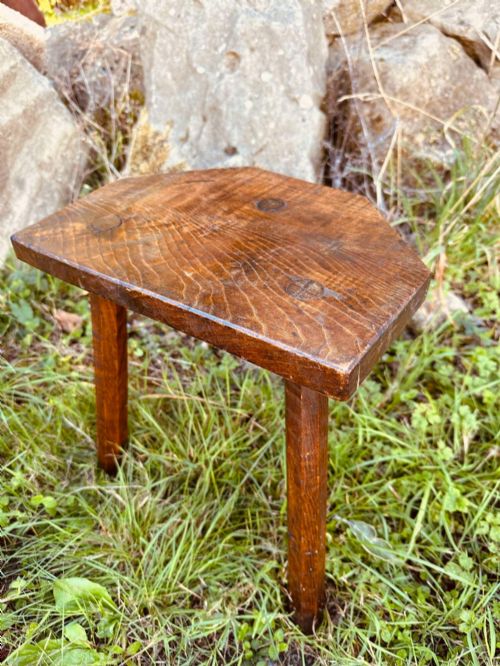
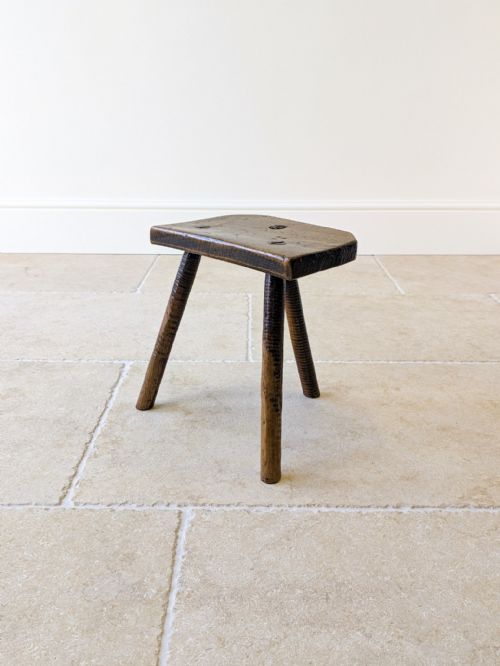
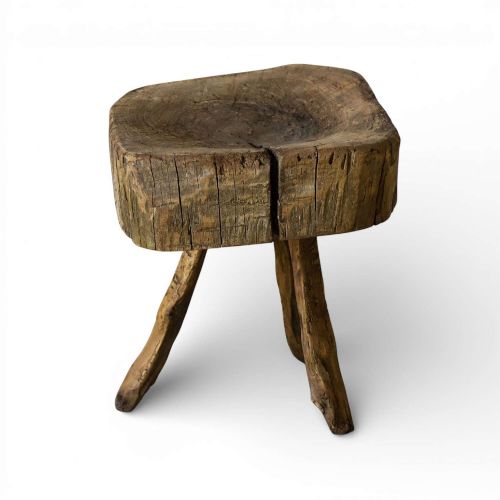
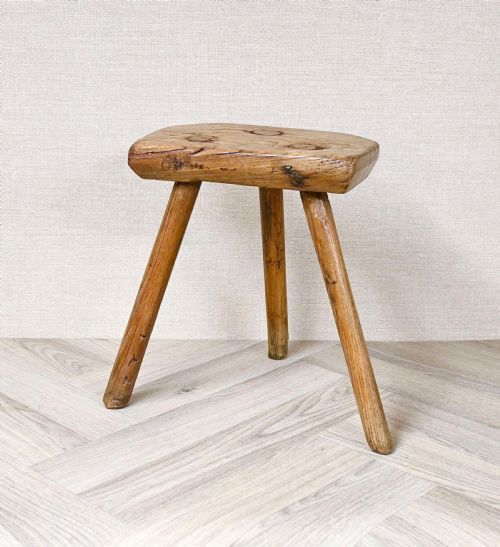
These primitive tripod stool examples offer functional rustic seating shaped from solid timber by vernacular makers.
Primitive Tripod Stool
A primitive tripod stool is a utilitarian seat born from rural necessity, constructed with three legs for stability on uneven floors. When you search for a primitive tripod stool, you encounter vernacular forms spanning the eighteenth and nineteenth centuries.
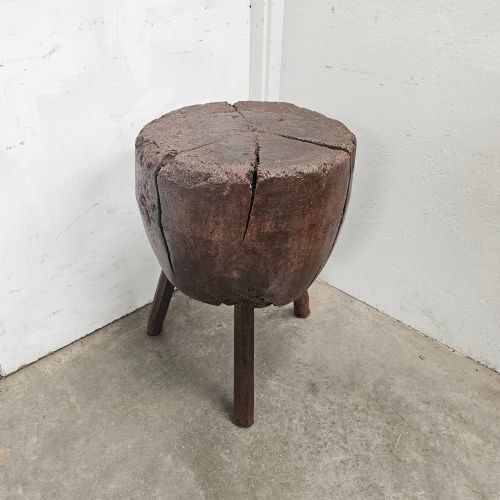
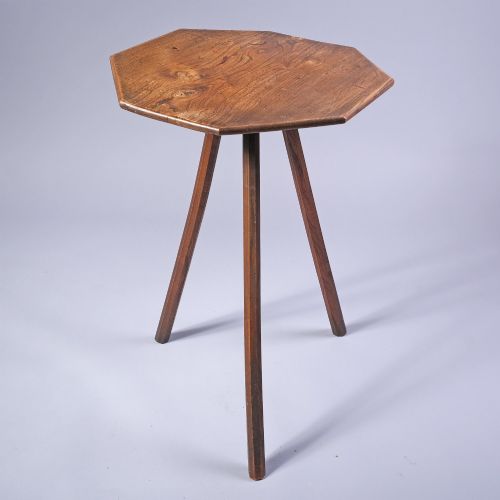
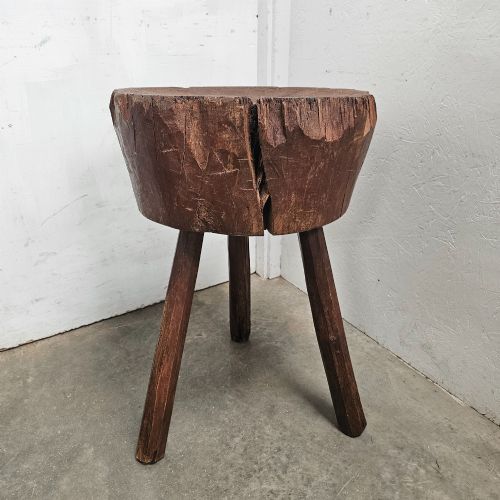
The pieces on this page include milking stools, cutler's stools, and rustic seats alongside related chopping blocks and occasional tables. Oak, beech, elm, ash, and solid walnut appear frequently, often displaying splayed legs and gnarled supports.
French country and Georgian vernacular styles dominate the selection, showing straightforward construction without superfluous decoration. Each item reflects regional rural traditions across the eighteenth century, the nineteenth century, and eighteen-fifty.
How they were made
Maker-craftsmen utilised solid timbers like oak, elm, beech, and ash, selecting woods based on local availability and functional demands. Legs were frequently splayed and wedged into bored seats, creating a sturdy tripod foundation.
Blacksmith repairs appear on certain pieces, demonstrating how utilitarian items were mended to extend their working life rather than discarded. Surfaces show the marks of hand tools, adzes, and lathes used by rural carpenters.
Primitive Tripod Stool Retail Price Guide 2026
Typical asking prices for primitive tripod stool among the pieces listed under this phrase on Sellingantiques today, from the lower quarter to the upper quarter. They describe what is for sale here now, not the wider market.
Object forms on this page extend beyond stools to include French game blocks, butcher blocks, and occasional tables.
What varies in quality
Quality in these rural pieces rests upon the integrity of the timber and the honesty of the construction. Solid blocks and thick seats paired with original, unaltered legs command greater appreciation among collectors.
Wear patterns tell a story of genuine utility, distinguishing working rural objects from later decorative imitations. The character of the wood grain and the balance of the tripod design dictate the visual strength of each piece.
The Primitive Tripod Stool Glossary
- Vernacular
- Everyday objects made by local craftsmen for specific functional uses rather than high-style court or urban production. These pieces rely on regional traditions and materials.
- Splayed legs
- Legs angled outwards from the centre of the seat to provide greater stability on uneven ground. This design is fundamental to tripod construction.
- Chopping block
- A heavy timber block used for food preparation, often supported on stout legs. They share materials and construction methods with heavy stools.
- Blacksmith repair
- Metal reinforcement or mending applied to wooden structures by a local smith. Such interventions show the extended working life of utilitarian objects.
- Game block
- A heavy timber block utilised for dressing game in rural kitchens. These French examples feature solid wood construction.
Primitive Tripod Stool: Frequently Asked Questions
What is a primitive tripod stool used for?
These stools served practical tasks in rural settings, from milking cows to workshop labour like cutler's work.
Today, they function well as low side tables, plant stands, or simple accent seats in rustic interiors.
How do I date a primitive tripod stool?
Dating relies on observing tool marks, timber shrinkage, the type of joinery, and wear patterns from use.
Eighteenth-century examples often display hand-rived timber and early blacksmith repairs, while nineteenth-century pieces may show minor machine assistance.
Are these stools comfortable to sit on?
They were designed for utility and labour rather than long hours of lounging, so seats are firm and unpadded.
Many feature sculpted or dished tops carved to fit the body during specific daily tasks.